Decoding Planet Earth: A Comprehensive Scientific Analysis of Global Ecosystems, Biodiversity, and Ecological Dynamics
Global Science Desk — Understanding the intricate tapestry of life on Earth requires looking far beyond individual species and examining the complex networks they inhabit. At the center of this biological puzzle is the concept of the ecosystem—a dynamic, self-sustaining unit where living organisms and their physical environments interact in a delicate, finely tuned balance.
As environmental pressures mount globally, scientists, educators, and conservationists are placing renewed emphasis on ecological literacy. Understanding how ecosystems function, from microscopic soil bacteria to sprawling tropical rainforests, is no longer just an academic pursuit; it is a fundamental requirement for addressing modern environmental challenges.
What is an Ecosystem? Etymology and Core Definitions
The term "ecosystem" originates from the Greek language, combining the word “oikos” (meaning "home" or the place where an organism lives) with “system” (denoting an organized method or arrangement). Formally defined, an ecosystem is an ecological system formed by the reciprocal relationships and feedback loops between living organisms and their surrounding physical environment.
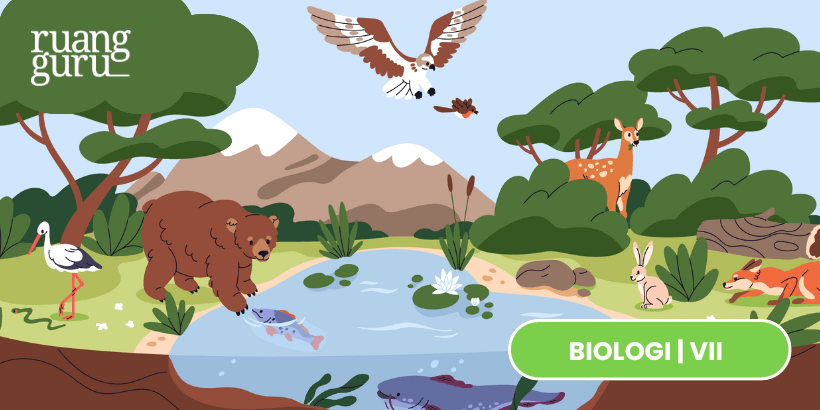
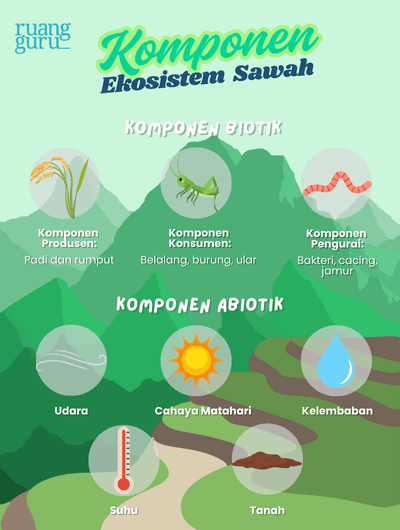
This foundational biological framework relies on two primary categories of components: biotic components (all living organisms) and abiotik components (non-living physical and chemical factors). Within any ecosystem, these elements form a cohesive, unified network where environmental inputs and biological outputs constantly influence one another.
Ecosystems are inherently dynamic—meaning they are never static, but rather constantly shift, adapt, and evolve in response to internal and external pressures. The scientific discipline dedicated to studying these complex interactions is known as ecology, a core branch of biological science that examines how organisms relate to one another and their physical surroundings.
Chronology of Ecological Thought: From Natural Philosophy to Modern Bioscience
The modern understanding of ecosystems did not emerge overnight; it is the result of centuries of scientific evolution and observation.
- Late 18th to Early 19th Century (Natural History): Early naturalists and explorers, such as Alexander von Humboldt, began documenting how plant life varied systematically across geographic gradients, laying the groundwork for biogeography.
- 1859 (The Evolutionary Context): Charles Darwin published On the Origin of Species, providing the evolutionary mechanism explaining how organisms adapt to their specific habitats and ecological niches.
- 1920s–1930s (The Birth of Ecosystem Science): Botanist Arthur Tansley formally coined the term "ecosystem" in 1935, synthesizing the biological concept of biotic communities with the physical concepts of energy flow and thermodynamics.
- 1940s–1970s (Systems Ecology): Scientists began utilizing thermodynamic principles to measure energy transfer through food webs, transforming ecology into a quantitative, predictive science.
- Modern Era (Global Ecology and Conservation): With the advent of satellite imaging, climate modeling, and molecular genetics, ecologists now monitor ecosystems on a planetary scale, tracking the impacts of human activity on global biogeochemical cycles.
Anatomy of an Ecosystem: Biotic and Abiotik Components
To fully comprehend how natural systems operate, scientists dissect ecosystems into their constituent parts.
1. Biotic Components (Living Organisms)
Biotic components encompass every living entity in the biosphere, ranging from towering redwoods to single-celled archaea. Based on their nutritional habits (trophic levels), they are divided into three primary groups:
- Producers (Autotrophs): Organisms capable of synthesizing their own food (simple carbohydrates like glucose) from carbon dioxide and water via photosynthesis. Occupying the first trophic level, producers like green plants, algae, and phytoplankton form the energy base for nearly all life on Earth while releasing vital oxygen as a byproduct.
- Consumers (Heterotrophs): Organisms that cannot manufacture their own food and must consume other living matter to obtain energy. This group includes herbivores, carnivores, omnivores, and detritivores.
- Decomposers (Saprotrophs): Fungi, bacteria, and earthworms that break down dead organic matter, recycling essential nutrients back into the soil and water for producers to reuse.
2. Abiotic Components (Non-Living Factors)
Abiotic factors dictate the boundaries and characteristics of life within a region. They include chemical components (such as inorganic compounds like nitrogen, oxygen, water, and mineral nutrients) and physical factors (such as ambient temperature, solar radiation, wind patterns, atmospheric pressure, soil pH, salinity, and topography).

Core Characteristics and Functions of Ecosystems
Every healthy ecosystem displays distinct structural and functional properties:
- Interdependence: Biotic and abiotic components are inextricably linked; a shift in one (such as a sudden drought) cascades through the entire system.
- Energy Flow: Energy enters ecosystems primarily via solar radiation, moving upward through trophic levels via food chains and webs, with energy lost at each transition as metabolic heat.
- Nutrient Cycling: Unlike energy, which flows in a one-way path, chemical elements (carbon, nitrogen, phosphorus) are continuously recycled through biogeochemical loops.
- Homeostasis and Resilience: Ecosystems possess a natural capacity to self-regulate and recover from minor disturbances, maintaining a steady ecological balance.
- Biodiversity: A rich variety of species enhances an ecosystem’s productivity and its ability to withstand environmental shocks.
Classification of Global Ecosystems
Ecosystems are broadly categorized into two major classifications based on their origin: Natural Ecosystems and Artificial Ecosystems.
A. Natural Ecosystems
Formed entirely without human intervention, natural ecosystems are split into two major realms:
1. Aquatic Ecosystems (Water-Dominated)
- Freshwater Biomes: Rivers, lakes, and wetlands featuring low salinity (<1%) and stable thermal variations.
- Marine Biomes: Oceans and estuaries covering roughly 75% of the Earth’s surface, characterized by high salinity and vast biological depth zones.
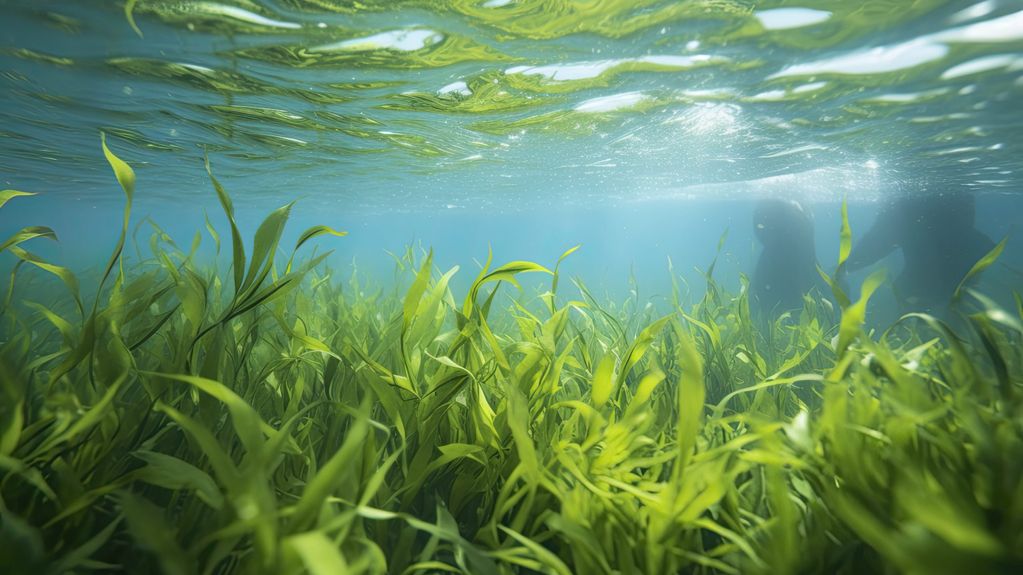
- Seagrass Meadows: Coastal shallow-water environments dominated by flowering marine plants that support rich nurseries of marine life.
- Estuaries and Mangroves: Nutrient-rich transitional zones where freshwater rivers meet the saltwater sea, heavily guarded by salt-tolerant mangrove forests that buffer coastlines against storms.
- Coral Reefs: Biodiversity hotspots located in shallow tropical waters, built by calcium carbonate secretions and symbiotic marine organisms.
- Abyssal Zones: Pitch-black deep-sea environments located thousands of meters below the surface, sustained by chemosynthesis.
2. Terrestrial Ecosystems (Land-Based)
- Deserts: Arid landscapes with minimal precipitation and extreme diurnal temperature swings.
- Tropical Rainforests: High-biodiversity ecosystems with abundant rainfall. Notably, regions like Indonesia host some of the world’s richest rainforest biomes, ranking second globally in overall biodiversity.
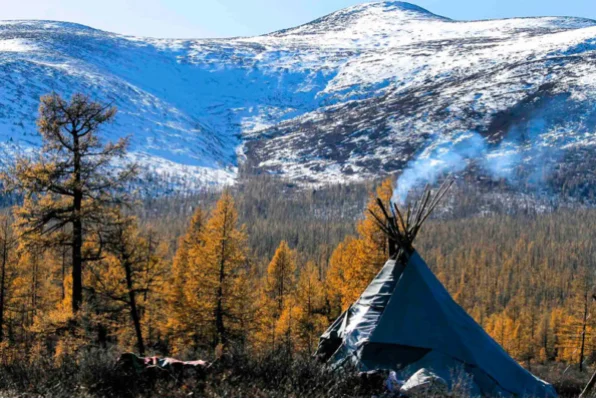
- Tundra and Taiga: Cold northern biomes dominated by permafrost or resilient coniferous forests (boreal forests).
- Grasslands and Savannas: Open expanses dominated by grasses, sustained by moderate seasonal rainfall and maintained by natural grazing and fire regimes.
B. Artificial Ecosystems
Engineered and maintained by human intervention to serve specific economic or domestic purposes, artificial ecosystems feature low biodiversity and require active management. Examples include agricultural farmlands, urban parks, man-made reservoirs, and aquaculture ponds.
Implications for Global Conservation and Climate Resilience
The degradation of natural ecosystems carries profound implications for human civilization. Deforestation, ocean acidification, overfishing, and industrial pollution threaten the homeostatic balance of planetary life-support systems.
When an ecosystem collapses, the services it provides—such as freshwater filtration, carbon sequestration, climate regulation, and food security—are severely compromised. Conservation biologists emphasize that protecting intact natural ecosystems is our most powerful defense against accelerating climate change.
Global policy frameworks increasingly focus on ecosystem-based adaptation (EbA), which utilizes biodiversity and sustainable ecosystem management to buffer human communities against extreme weather events, secure food supplies, and ensure long-term planetary survival.