
Beneath a Choking Veil: The Escalating Crisis of Indonesia’s 2026 Wildfires
By Investigative Desk
The ritual is as tragic as it is familiar. On September 17, 2026, Tursih, a 47-year-old middle school teacher in Kubu Raya, West Kalimantan, clicked "End Meeting" on her laptop, effectively closing yet another day of virtual schooling. For her and thousands of students across the region, the physical classroom has been replaced by the sterile glow of a screen for nearly a month.
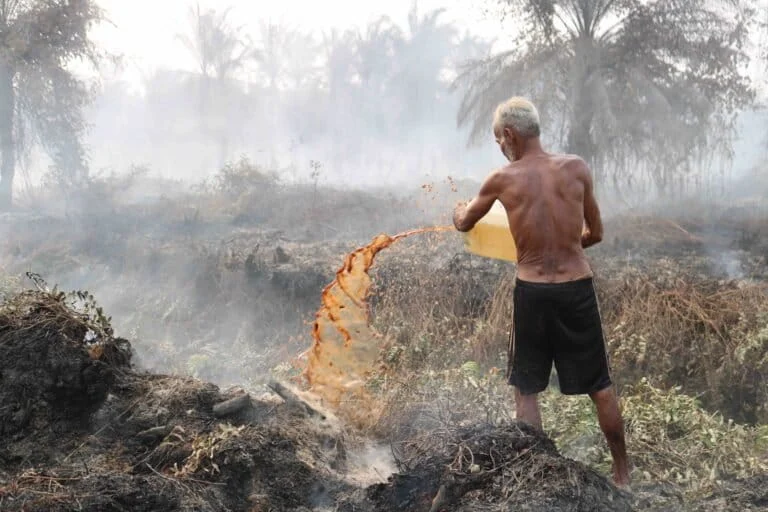
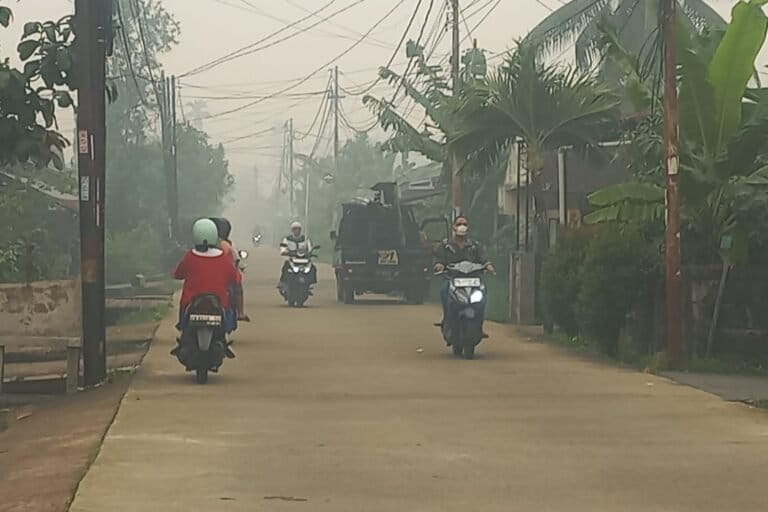
Since August 24, 2026, the thick, acrid shroud of smoke from relentless forest and land fires (karhutla) has rendered the air in West Kalimantan—and across vast swathes of the Indonesian archipelago—hazardous. "It is far worse this year," Tursih told Mongabay. "Even inside our homes, we wear masks. The smoke finds its way through every crack. It is truly terrifying."
What Tursih describes is a public health and environmental catastrophe of national proportions. As the country grapples with an intense, climate-exacerbated dry season, the return of the "haze season" has exposed deep-seated vulnerabilities in land management, public health infrastructure, and environmental accountability.
The Scale of the Inferno: A Statistical Overview
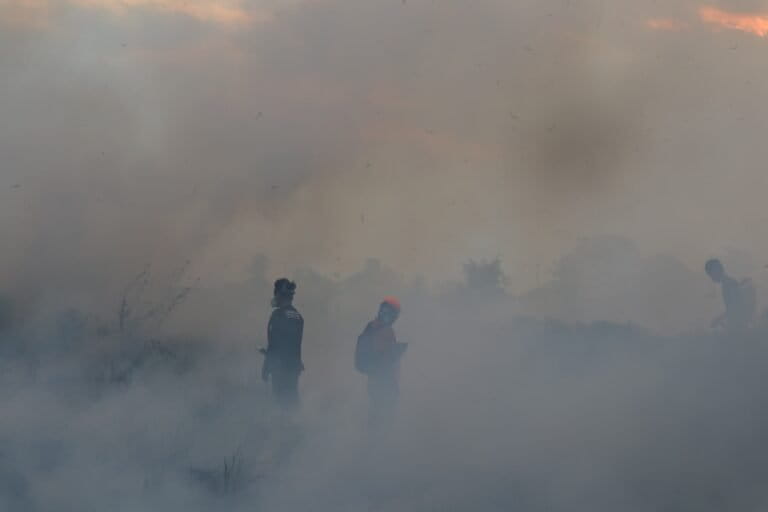
The 2026 fire season has shattered records, dwarfing the intensity of previous years. According to data from the national fire monitoring system, SiPongi, the cumulative area burned across Indonesia reached over 202,000 hectares by the end of July 2026, affecting 240 districts and 36 provinces.
The data paints a grim trajectory of acceleration. When compared to the same period (January–July) in previous years, the situation is dire:
- A 47% increase compared to 2019.
- An 80% increase compared to 2023.
- A 69% increase compared to 2025.
West Kalimantan currently bears the brunt of the devastation, with 38,310 hectares scorched, followed by Papua Selatan (25,838 hectares), Nusa Tenggara Timur, and Riau. Satellite monitoring by Atlas Nusantara suggests the crisis may be even more profound than official government figures imply, estimating that the cumulative burnt area had climbed to nearly 886,000 hectares by August.
Chronology of a Public Health Emergency
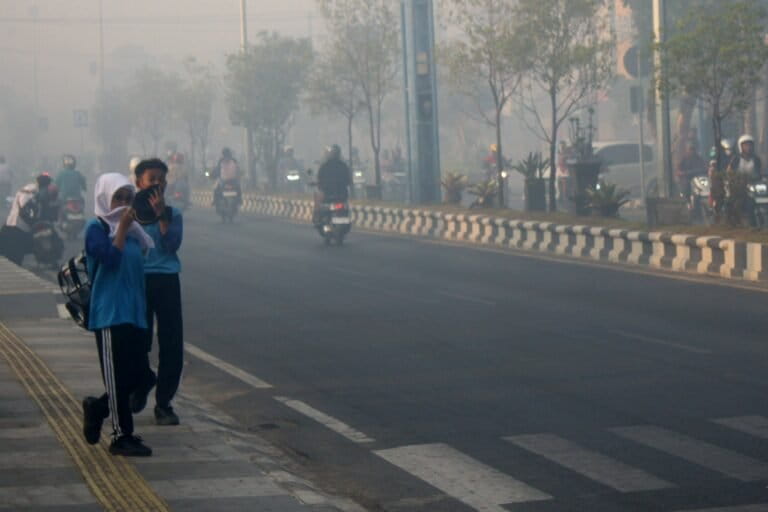
The surge in particulate matter (PM 2.5) has pushed air quality in cities like Pontianak into the "dangerous" category, consistently topping the global pollution indices. This environmental degradation has triggered a secondary crisis: an explosion in respiratory illnesses.
The Surge in ISPA Cases
From June 28 to September 8, 2026, West Kalimantan reported 62,278 cases of Acute Respiratory Infection (ISPA). Pontianak recorded the highest incidence, with 13,842 cases, followed closely by Kubu Raya and Ketapang.
On a national scale, the Ministry of Health reported over 113,336 ISPA cases across seven provinces—including Jambi, South Sumatra, and the Kalimantan provinces—by early September. Vulnerable groups, particularly children under five and the elderly, have borne the heaviest burden, accounting for a significant portion of the 26,545 pediatric cases recorded.
Transboundary Impacts
The reach of the toxic haze has extended beyond Indonesia’s borders. In Malaysia, Greenpeace reported that 32 regions recorded "unhealthy" air quality by mid-September. In Sarawak, the situation was so severe that a state of emergency was declared in Serian after the Air Pollutant Index (API) hit the 500-point "hazardous" threshold. The Malaysian Ministry of Health noted a staggering 124% increase in ISPA cases and a 25% rise in asthma attacks, underscoring the regional dimension of this man-made disaster.
Economic and Human Costs: The Price of Negligence
Beyond the immediate medical costs, the economic toll of the 2026 fires is staggering. A study by the Center of Economic and Law Studies (CELIOS) estimates the total economic and health-related losses between January and August 2026 to be between Rp39.29 trillion and Rp123.1 trillion.
This figure accounts for:
- Direct Economic Loss: Rp29.54 trillion lost through damaged physical assets and halted economic activities.
- Healthcare Burden: Rp9.75 trillion in direct treatment costs. If indirect costs and long-term productivity losses are factored in, the estimate climbs to over Rp93 trillion—nearly 68% of the entire national health budget for 2026.
"The loss is felt in the long term," says Bhima Yudhistira, Director of CELIOS. "The health burden erodes purchasing power and slashes labor productivity, creating a cycle of poverty in affected regions."
The human cost, however, is the most tragic. Analysts from the Center for Research on Energy and Clean Air (CREA) attribute approximately 1,700 deaths in August 2026 alone directly to the smoke from these fires.
Official Responses and the Mitigation Gap
The government’s primary response to the fires has been the implementation of Weather Modification Operations (OMC), involving the cloud seeding of salt to induce artificial rain. While these efforts have provided brief respites in some areas, residents like Tursih note that the rain is often sporadic and insufficient to clear the dense, lingering haze.
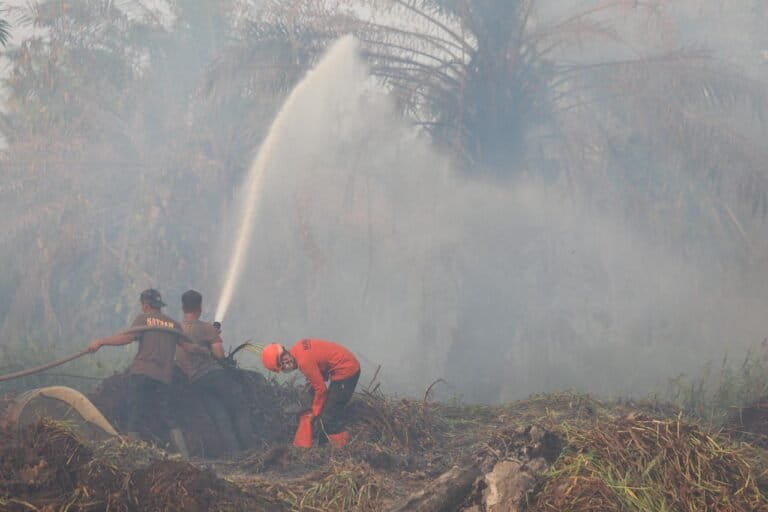
The Ministry of Health has deployed over 1,800 medical personnel, set up thousands of health posts, and distributed masks. Yet, experts argue that these are reactive "band-aid" solutions to a structural problem.
The Question of Accountability
Komnas HAM (The National Commission on Human Rights) has been vocal in its criticism, labeling the repeated nature of these fires as "state negligence." Commissioner Saurlin P. Siagian argues that the government has failed to implement effective, long-term mitigation strategies, treating an annual catastrophe as an unexpected anomaly.
"The victims in remote villages are often cut off from even basic healthcare," Saurlin noted. "The state must ensure not only the right to health but also the right to a clean and healthy environment."
Legal action is underway, though critics question its efficacy. The Indonesian National Police (Polri) have initiated 219 cases, naming 162 suspects. Meanwhile, the Ministry of Forestry and the Ministry of Environment have moved to freeze the permits of 26 corporations and seal the concessions of 25 others suspected of involvement in the fires.

"When fires recur in the same location year after year, we must go beyond the field workers and hold the corporate leadership accountable," stated Minister of Environment Jumhur Hidayat.
Implications: A Call for Systemic Reform
The 2026 fire season serves as a brutal reminder of the intersection between climate change, land-use policy, and human rights. With the El Niño phenomenon expected to persist through October, the window for effective intervention is closing.
Katherine Hasan, an analyst from CREA, emphasizes that the current crisis is the result of planning that prioritizes economic expansion over environmental safety. "Government policies in energy and land use are frequently drafted without considering their impact on air quality or the health limits of the population," she says. "This is a critical moment to push for clean air reform. The government can no longer ignore this."
As the smoke continues to linger over the Kalimantan canopy, the stories of teachers like Tursih and the thousands of children suffering from respiratory distress remain a testament to a system that has yet to learn from the past. The demand is no longer just for the fires to be extinguished, but for a fundamental shift in how the nation manages its forests, its industries, and the fundamental rights of its citizens to breathe freely.
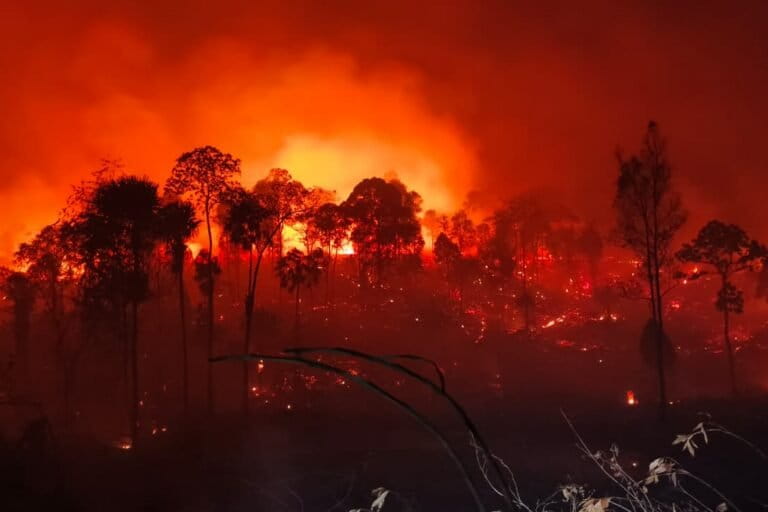
For the people of Indonesia, the hope is that the next "haze season" will not be met with more of the same, but with a rigorous, transparent, and enforceable commitment to ending the cycle of fire that has plagued the nation for far too long.







