SteelSeries Aeon Pro: Redefining the Premium Controller Landscape or Overreaching the Market?
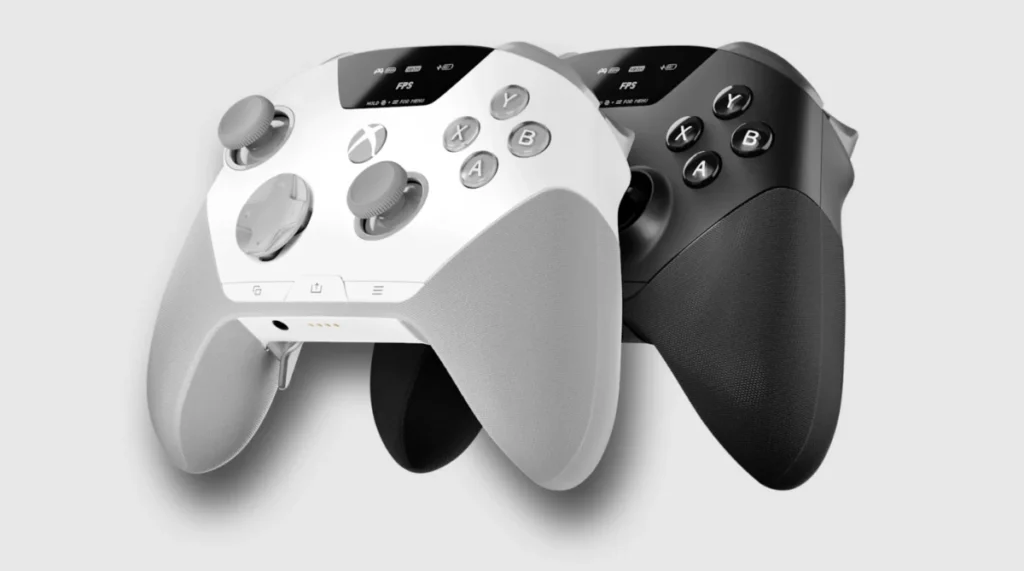
The gaming peripheral market is currently witnessing an arms race of unprecedented proportions. As console gaming matures and the divide between casual and competitive play narrows, the demand for high-end, highly customizable hardware has skyrocketed. Entering this fray with a bold statement is SteelSeries, a brand synonymous with professional-grade esports gear, with the official launch of the SteelSeries Aeon Pro.
Designed as a high-fidelity alternative for both Xbox and PC, the Aeon Pro aims to capture the hearts—and wallets—of the most discerning gamers. However, with a premium price tag of $259.99, the device has ignited a firestorm of debate regarding value proposition, technical innovation, and the future of controller design.
The Core Offering: A Deep Dive into the Aeon Pro’s DNA
The SteelSeries Aeon Pro is not merely a controller; it is a holistic ecosystem designed for endurance and precision. Unlike standard first-party controllers, the Aeon Pro is built with a modular philosophy that caters to the "pro-sumer" demographic.
The OLED Advantage
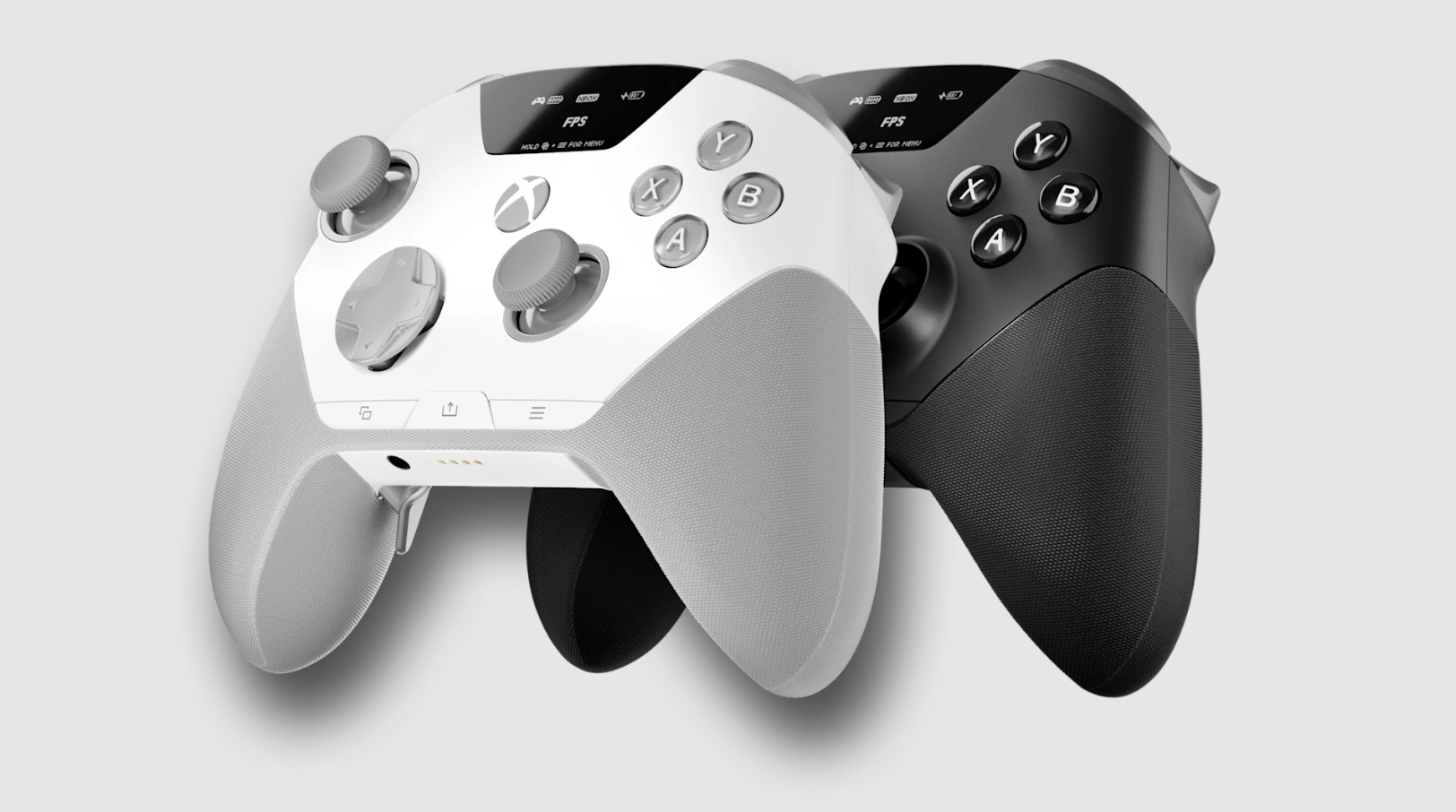
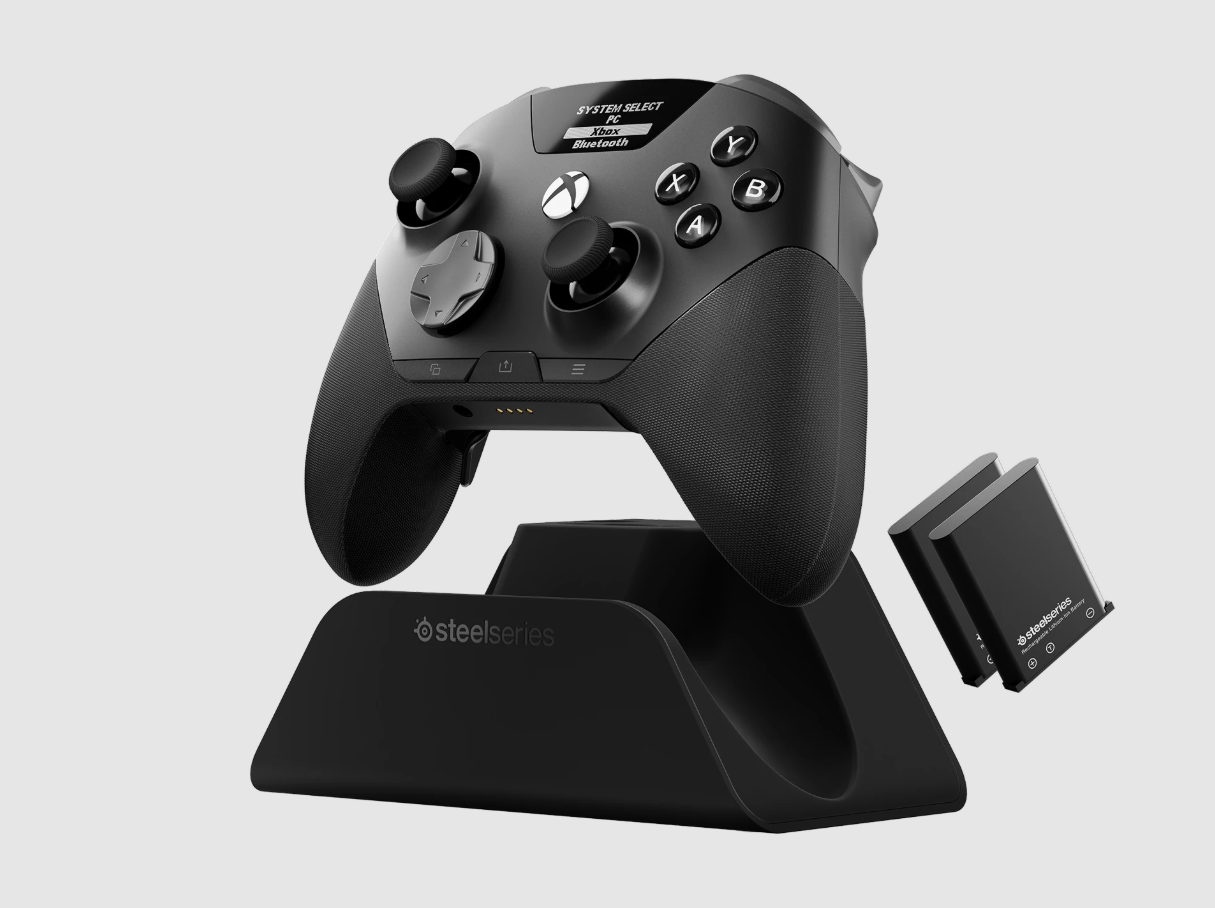
Perhaps the most striking feature of the Aeon Pro is the integrated OLED display located on the upper chassis. This is not a gimmick; it acts as a command center for the user. Gamers can navigate system menus, adjust deadzones, toggle profiles, and monitor battery status without ever needing to minimize their game or alt-tab to the SteelSeries GG software.
Power Management and Hot-Swappability
Battery anxiety is a common pain point for wireless controller users. SteelSeries has addressed this with a sophisticated dual-battery system. The Aeon Pro allows for hot-swapping, meaning users can keep one battery in the controller while the other is docked in the included charging station. This ensures virtually zero downtime during long gaming marathons.

Tactile Feedback and Customization
The controller features four rear paddles utilizing microswitch mechanisms. These provide a crisp, tactile "click" that offers significantly more feedback than the mushy membranes found on standard hardware. Furthermore, the thumbsticks are modular, utilizing magnetic attachments that allow users to swap heights and shapes to match their specific playstyle—be it precision aiming for FPS titles or high-speed navigation for racing games.
Chronology: The Evolution of the Premium Controller Market
To understand why the Aeon Pro is a significant, if contentious, release, one must look at the timeline of the "Pro" controller movement.
- 2015: The Catalyst. Microsoft launches the Xbox Elite Wireless Controller. It was the first mainstream, high-end controller that normalized the idea of paying $150+ for a peripheral.
- 2020-2022: The Proliferaton. The introduction of the Xbox Series X/S and PlayStation 5, followed by the release of the Sony DualSense Edge, solidified the market. Players became accustomed to swappable sticks, back-buttons, and software-level remapping.
- 2023-2025: The Rise of Third-Party Competitors. Brands like Scuf, Victrix, and Razer began pushing boundaries with specialized technologies, including Hall Effect sensors to combat stick drift and TMR (Tunnel Magnetoresistance) sensors for superior accuracy.
- September 2026: The Aeon Pro Launch. SteelSeries enters the fray, aiming to bridge the gap between "luxury" and "utility" with their most ambitious controller design to date.
Supporting Data: The Technical and Financial Paradox
The SteelSeries Aeon Pro enters a market where specs are analyzed under a microscope. While the feature set is undeniably impressive, the market reaction has been mixed, largely due to the technological choices made by SteelSeries.
The Sensor Controversy
In the current landscape, Hall Effect sensors—which use magnets to detect stick position and are virtually immune to stick drift—have become the industry standard for high-end controllers. Some manufacturers have even moved toward TMR (Tunnel Magnetoresistance) sensors, which offer even lower power consumption and higher accuracy.
Critics point out that at the $259.99 price point, the Aeon Pro’s reliance on standard stick technology feels like a missed opportunity. While SteelSeries claims their proprietary software allows for industry-leading calibration, the absence of cutting-edge sensor hardware makes the price point a difficult pill for some enthusiasts to swallow.

Connectivity Efficiency
One area where SteelSeries excels is user convenience. The Aeon Pro features two distinct USB-C connectivity paths, allowing it to remain simultaneously linked to a PC and an Xbox. This removes the cumbersome need to re-pair or swap receivers when moving between platforms—a "quality-of-life" detail that reflects the company’s deep understanding of their multi-platform user base.
Official Responses and Strategic Vision
In statements following the launch, SteelSeries representatives emphasized that the Aeon Pro is designed for "the long game." The focus, according to the company, is not just on individual sensor technology, but on the longevity of the entire unit.
"By providing a hot-swappable battery system and a multi-functional charging dock, we are ensuring that the controller remains useful for years," a spokesperson noted. "Our commitment to the SteelSeries GG software suite means that the Aeon Pro will receive firmware updates and feature enhancements long after its initial purchase, unlike many ‘static’ controllers currently on the market."
However, the company has remained tight-lipped regarding the specific choice of stick sensors, suggesting that their internal testing shows their current configuration meets the stringent performance requirements of professional esports athletes.
Implications for the Gaming Peripheral Industry
The launch of the Aeon Pro signals a broader shift in the gaming industry. Controllers are no longer seen as disposable items, but as essential tools that should be personalized and maintained.
The "Luxury" Threshold
The $259.99 price tag effectively creates a new tier in the peripheral market. If the Aeon Pro succeeds, we can expect other manufacturers to hike prices, banking on the idea that "hardcore" gamers are willing to pay a premium for modularity and convenience. If it fails, it may force a price correction across the industry, reminding companies that even in the premium space, consumers are highly sensitive to price-to-performance ratios.
The Future of Modular Design
The success of the Aeon Pro’s magnetic thumbstick system and back-paddle configuration will likely influence future designs. We are moving toward a future where a single controller can be completely overhauled by the user. The "repairability" aspect—exemplified by the easily replaceable batteries—is also a positive trend that aligns with growing consumer demands for sustainable electronics.
Final Verdict: Is it Worth the Investment?
The SteelSeries Aeon Pro is a masterclass in design and convenience, but its market position is undeniably precarious.
Pros:
- Unmatched Convenience: Dual USB-C connectivity and dual-battery hot-swapping are game-changers for multi-platform users.
- Build Quality: The microswitch back paddles and magnetic stick system feel robust and professional.
- Software Integration: SteelSeries GG remains one of the best peripheral management suites on the market.
Cons:
- The Price Point: At $259.99, it is among the most expensive controllers available.
- Sensor Tech: The lack of TMR or high-end Hall Effect sensors is a glaring omission for a device at this price tier.
Ultimately, the Aeon Pro is for the gamer who values an integrated ecosystem and wants to avoid the headaches of managing multiple charging cables or re-pairing devices. However, for the competitive player who prioritizes the absolute cutting edge of sensor technology, the Aeon Pro may feel like an expensive compromise.
As we move forward into the latter half of the decade, the Aeon Pro will serve as a bellwether for the industry. Will gamers continue to pay higher premiums for convenience and brand reputation, or will the demand for superior technical specs force manufacturers to pivot? Only time—and the sales figures—will tell.
For now, SteelSeries has laid its cards on the table. The ball is in the player’s court.