Time-Capsule Discovery: 4,300-Year-Old Egyptian Tombs Reveal Stunning Artistic Preservation
By International Desk
September 10, 2026
In a monumental achievement for Egyptology, a joint mission of Egyptian and Spanish archaeologists has unearthed two exceptionally well-preserved burial chambers belonging to high-ranking officials of the Old Kingdom. Located in the shadow of history, these 4,300-year-old structures, dating back to the reign of King Djedkare Isesi of the Fifth Dynasty, offer a vivid, technicolor glimpse into the administrative and social life of ancient Egypt.
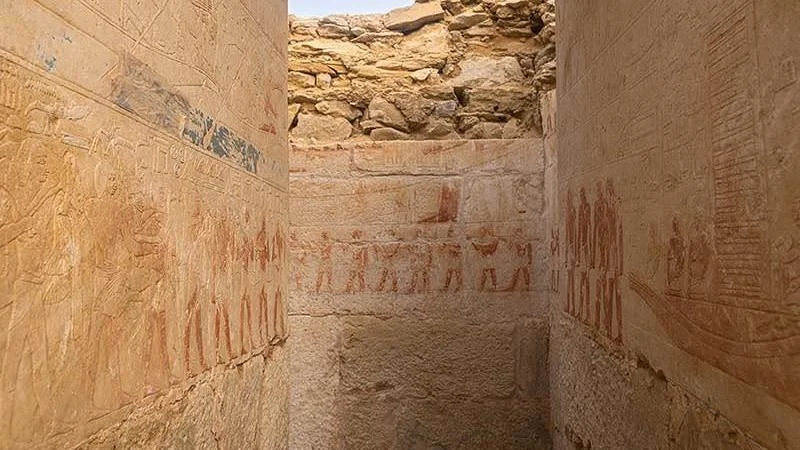
The discovery, announced by the Egyptian Ministry of Tourism and Antiquities, has sent waves of excitement through the archaeological community, not merely for the historical data provided by the tombs, but for the startling vibrancy of the wall reliefs, which appear as if they were painted in the relatively recent past.

The Discovery: A Window into the Fifth Dynasty
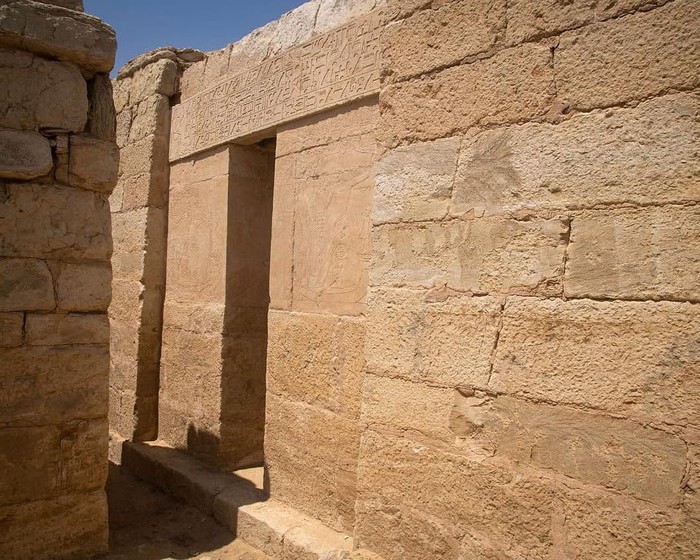
The archaeological site, characterized by its "mastaba" architecture—a flat-roofed, rectangular structure with outward sloping sides—reveals a sophisticated burial complex consisting of two distinct, yet interconnected, funerary chapels. These chapels were constructed during a period of transition and consolidation for the Egyptian state, offering researchers an invaluable data set regarding the artistic and social hierarchies of the era.
The site is significant because it provides a rare, pristine context. Unlike many tombs that have been looted or degraded by moisture and climate shifts over millennia, the interior of this mastaba remains remarkably intact. The reliefs found within are not only aesthetic masterpieces but also historical documents, detailing the daily operations of the Egyptian government during the late Fifth Dynasty.
Chronology of the Find: From Burial to Re-emergence
The uncovering of these tombs was the result of a long-term strategic excavation project led by the Spanish-Egyptian mission.

- Circa 2380 BCE: The tombs are commissioned and constructed under the reign of King Djedkare Isesi. This era is known for its focus on administrative efficiency and the strengthening of the centralized bureaucracy.
- The Burial: The officials, identified as Yunmin and his father, Iti, are laid to rest within their respective mastaba chapels. The tombs are sealed, complete with intricate offerings intended to sustain the deceased in the afterlife.
- 4,300 Years of Silence: The desert sands and the architectural design of the mastaba protect the interior chambers from environmental erosion, preserving the delicate pigments used in the wall carvings.
- 2026 Discovery: Modern ground-penetrating radar and systematic excavation techniques lead the joint team to the entrance of the burial complex, marking the first time in over four millennia that the chambers have seen light.
Supporting Data: The Officials of the Old Kingdom
The identity of the two men buried in the complex has been confirmed through hieroglyphic inscriptions on the walls, which detail their prestigious roles within the royal court.
The Life and Career of Yunmin
The northern chapel belonged to Yunmin, whose titles reveal he was a man of significant influence. He served as a judge and a director of the court, a position that placed him at the heart of the Egyptian legal system. Perhaps most notably, he was the head of a team of royal scribes responsible for managing petitions and grievances from the public. This role indicates a high level of literacy and a direct link to the administration of the Pharaoh’s justice.
The Role of Iti
Iti, the father of Yunmin, occupied the southern chapel. His career, while distinct from his son’s, was equally critical to the maintenance of the state. He was a professional scribe tasked with the management of agricultural lands and the oversight of the complex system of offerings. His work ensured that the temples and royal estates were sufficiently stocked—a fundamental pillar of the Egyptian economy.

Artistic Significance: A Masterclass in Preservation
The most striking feature of this discovery is the preservation of the colors. In many ancient Egyptian tombs, the pigment has flaked away or faded due to oxidation. However, in this mastaba, the "aesthetic relief" remains vivid.
The scenes carved into the walls depict a range of activities:
- Agricultural Cycles: Detailed carvings show the tilling of land, harvesting, and irrigation processes, reflecting the importance of the Nile’s fertility.
- Procession of Offerings: These scenes show servants and officials bringing food, textiles, and ritual items to the tomb, symbolizing the eternal sustenance of the deceased.
- Social Stratification: The artistic style displays the rigid, yet graceful, conventions of late Fifth Dynasty art, providing experts with a benchmark for how artistic techniques evolved during the transition toward the end of the Old Kingdom.
The use of pigments—likely derived from natural minerals like ochre, malachite, and charcoal—has survived with such intensity that researchers are currently analyzing the chemical composition to understand the ancient Egyptian material science that allowed for such longevity.

Official Responses and Scientific Impact
The Egyptian Ministry of Tourism and Antiquities has lauded the find as a "triumph of international cooperation." The partnership between Egyptian experts and Spanish archaeological institutions has been praised for its rigorous methodology and the subsequent preservation efforts.
Dr. Zahi Hawass, a prominent voice in the field, noted that the discovery underscores the importance of continued exploration in the Saqqara region and surrounding areas. "Every time we peel back a layer of sand in Egypt, we are not just finding tombs; we are rewriting the narrative of how human civilization managed its early bureaucracy," he stated.
The scientific community is particularly eager to utilize the findings to study the "scribal culture" of the Old Kingdom. By analyzing the administrative texts and the iconography associated with the scribes, historians hope to better understand how the Egyptian state managed its vast resources and legal disputes 4,300 years ago.

Implications: Why This Matters Today
The discovery of the tombs of Yunmin and Iti carries profound implications for several fields of study:
1. Advancements in Archaeological Science
The preservation level offers a rare opportunity to study the degradation of organic materials and pigments over 4,000 years. By understanding how these tombs remained intact, conservationists can develop better strategies for protecting other vulnerable sites across Egypt.
2. Understanding Bureaucracy
The specific roles held by Yunmin and Iti—judge, director of the court, and land manager—provide a granular look at the "middle management" of the ancient world. Most Egyptian history focuses on the lives of Pharaohs or the lives of common laborers; this discovery illuminates the professional class that actually kept the wheels of the state turning.
3. Cultural Heritage and Tourism
As Egypt continues to promote its rich heritage as a cornerstone of its tourism sector, discoveries like these act as catalysts for global interest. The vividness of the art is expected to draw significant attention to the artistic achievements of the Fifth Dynasty, shifting the spotlight from the more famous Giza pyramids to the nuanced life within the mastabas.
Conclusion: A Living Legacy
As the excavation concludes its initial phase, the site is being prepared for long-term monitoring and further study. The reliefs of Yunmin and Iti are not just static images of the past; they are a vibrant, colorful testament to a society that valued order, justice, and the recording of history.
For the modern world, the discovery serves as a humbling reminder of our predecessors’ ingenuity. Through the lens of these 4,300-year-old walls, we see that the struggles of administration, the pride in professional achievements, and the desire to be remembered are universal human experiences that transcend time. As the Ministry of Tourism and Antiquities continues its work, the world waits in anticipation for what other secrets may lie hidden beneath the golden sands of the Egyptian desert, waiting for the right moment to speak once more.