Indonesian Government Considers Using APBN to Kickstart Banking Inclusion for Citizens Turning 17
JAKARTA – In a move aimed at accelerating national financial inclusion and modernizing the country’s economic infrastructure, the Indonesian government is exploring the possibility of utilizing the State Revenue and Expenditure Budget (APBN) to provide a Rp50,000 initial balance for bank accounts issued automatically to citizens upon reaching the age of 17.
This ambitious policy, which seeks to integrate every Indonesian citizen into the formal banking system as they reach adulthood, marks a significant shift in how the state approaches financial literacy and digital economic participation. By leveraging the National Identity Number (NIK) as the primary identifier, the government aims to eliminate bureaucratic hurdles, effectively "automating" the entry of the youth into the banking ecosystem.
The Core Proposal: Automating Financial Inclusion
The initiative centers on a seamless integration between the national civil registry and the banking sector. Under this proposed framework, any citizen who turns 17 and possesses a valid Kartu Tanda Penduduk (KTP—National Identity Card) will be automatically registered for a bank account.
This removes the traditional, often tedious process of visiting a bank branch, completing lengthy paperwork, and fulfilling complex Know Your Customer (KYC) requirements individually. By linking the account opening to the NIK, the government ensures that financial identity is as accessible and fundamental as citizenship identity.
The proposed Rp50,000 initial deposit, while modest, serves as a symbolic "seed" to encourage early engagement with formal financial services. It is designed to foster a culture of saving and digital transactions among the younger generation, effectively bringing millions of unbanked or underbanked individuals into the national financial grid.
Chronology and Policy Development
The discourse regarding this program gained significant traction in early September 2026. During a press briefing at the Ministry of Finance in Jakarta on Wednesday, September 9, 2026, government officials addressed the feasibility of the funding.
While the program was conceptualized as a strategic move toward universal financial access, the discussion pivoted toward the technical and fiscal feasibility of providing the initial balance. The administration is currently in the process of defining the regulatory framework, identifying the precise source of funding, and establishing the operational protocols for mass account distribution.
According to government officials, the project is currently in the design phase. Various stakeholders, including the Ministry of Finance, the Ministry of Investment and Downstreaming, and the state-owned banking consortium, are coordinating to ensure the technical infrastructure can handle the massive volume of new account creations.
Financial Feasibility: The Role of the APBN
A critical concern for policymakers and the public alike is the fiscal impact of this initiative. Addressing these concerns, the government has signaled that the APBN is well-positioned to absorb the costs associated with the initial account balances.
Minister of Finance Purbaya Yudhi Sadewa’s Perspective
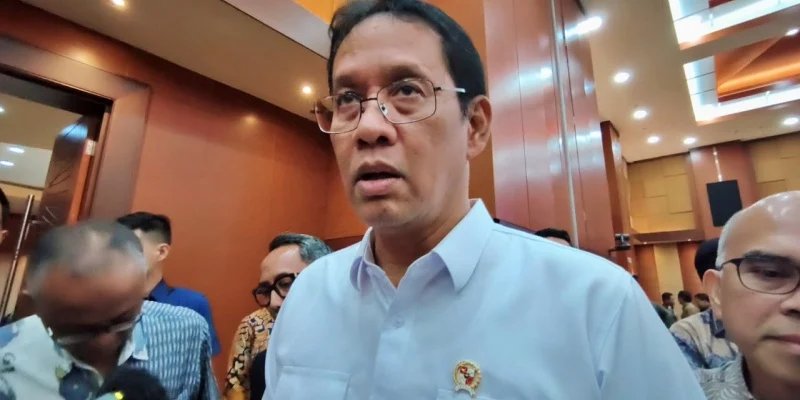
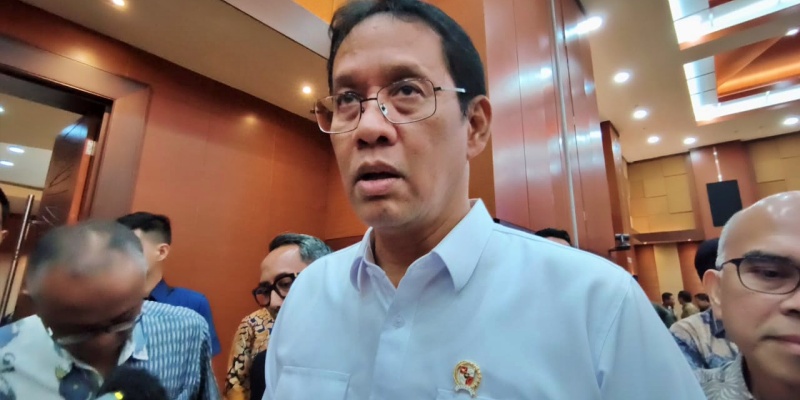
Minister of Finance Purbaya Yudhi Sadewa emphasized that the state budget possesses sufficient flexibility to accommodate this program. When asked about the financial burden of providing Rp50,000 for every newly minted 17-year-old, Purbaya expressed optimism regarding the budget’s resilience.
"It is possible. When you look at the math—Rp50,000 multiplied by the relevant number of people—it is not an overwhelming figure," Purbaya noted.
He further explained that the government maintains a "budget reserve" (cadangan belanja) specifically designed for emergent or strategic policy needs. This reserve serves as a safety net that allows the government to fund priority programs without jeopardizing the fiscal stability of other ministries. "We always have a budget reserve. Based on my assessment, it is well within our capacity to accommodate this," he added.
Implementation Strategy: The Role of Himbara
The government intends to utilize the Himpunan Bank Milik Negara (Himbara)—the association of state-owned banks—to execute this massive project. By relying on the established infrastructure of state banks, the government aims to ensure national coverage, including in remote and rural areas.
BRI and BSI as Primary Drivers
Rosan Roeslani, the CEO of Danantara and Minister of Investment and Downstreaming, confirmed that the primary executors of this policy would be PT Bank Rakyat Indonesia (Persero) Tbk (BRI) and PT Bank Syariah Indonesia Tbk (BSI).
The choice of these institutions is strategic:
- BRI: Boasting the most extensive network in the Indonesian archipelago, BRI is tasked with accelerating the opening of accounts across the vast majority of provinces.
- BSI: Specifically designated to handle the rollout in the Aceh region, ensuring the program complies with regional banking preferences and requirements.
"The plan is to accelerate the opening of accounts across Indonesia through BRI. For Aceh, we are coordinating specifically with BSI to ensure the program is implemented as quickly as possible," Rosan stated at the State Palace.
Broader Implications and Strategic Vision
The implications of this policy extend far beyond a simple account opening. If successfully implemented, this initiative could fundamentally alter the economic landscape of Indonesia.
1. Accelerating Financial Inclusion
Indonesia has long grappled with a significant portion of its population remaining unbanked. By automating the process at age 17, the government is effectively bridging the gap between the youth and the formal economy. This is a crucial step in ensuring that social assistance, subsidies, and digital payments can be distributed directly to citizens, reducing leakage and corruption.

2. Digital Economy Integration
As Indonesia pushes toward a more digital economy, having a bank account is no longer a luxury but a necessity. This program ensures that every citizen has a digital footprint that allows them to access credit, participate in e-commerce, and utilize digital payment gateways.
3. Data-Driven Governance
By utilizing the NIK as the backbone for the banking system, the government can improve the accuracy of its demographic and economic data. This will allow for more targeted social policies and better macro-economic planning in the long term.
4. Challenges Ahead: Security and Literacy
While the policy is innovative, it faces significant hurdles. Cybersecurity remains a paramount concern. Creating millions of accounts automatically requires robust data protection protocols to prevent fraud and identity theft. Furthermore, merely providing a bank account is not synonymous with financial literacy. The government will need to accompany this rollout with robust educational programs to ensure that the new account holders understand how to manage their finances, protect their credentials, and navigate the banking system safely.
Official Stance: The Path Forward
Despite the enthusiasm surrounding the project, the government remains cautious about the timeline. Both Minister Purbaya and Minister Rosan have stressed that while the vision is clear, the mechanics are still being finalized.
The government is currently drafting the technical regulations, determining the precise mechanism for fund disbursement, and establishing the security protocols for account management. There is no firm date for the nationwide launch, as the administration prioritizes a stable and secure rollout over speed.
"The mechanism is still being designed. It will be finalized soon," Rosan noted.
The policy reflects a proactive approach by the Indonesian government to utilize its fiscal resources to foster long-term economic stability. By investing in the financial inclusion of its youth, the state is betting on a future where every Indonesian is empowered to participate fully in the nation’s economic growth.
Conclusion
The proposal to provide a Rp50,000 initial balance to every 17-year-old in Indonesia is a bold experiment in social and economic engineering. By removing barriers to entry and utilizing the strength of the Himbara banks, the government aims to build a more inclusive, digital-ready, and financially aware society. While questions regarding the technical execution and long-term security remain, the government’s willingness to utilize the APBN reserve suggests a strong commitment to this goal.
As the program moves from the drawing board to potential implementation, the success of this initiative will be measured not just by the number of accounts opened, but by the tangible impact it has on the financial well-being of the next generation of Indonesians. The world will be watching as Indonesia attempts to lead in digital financial inclusion, potentially setting a precedent for other developing nations striving to integrate their populations into the modern global economy.