Education Ministry Launches Massive Revitalization Project for SDN Mboeng Amidst Infrastructure Crisis in NTT
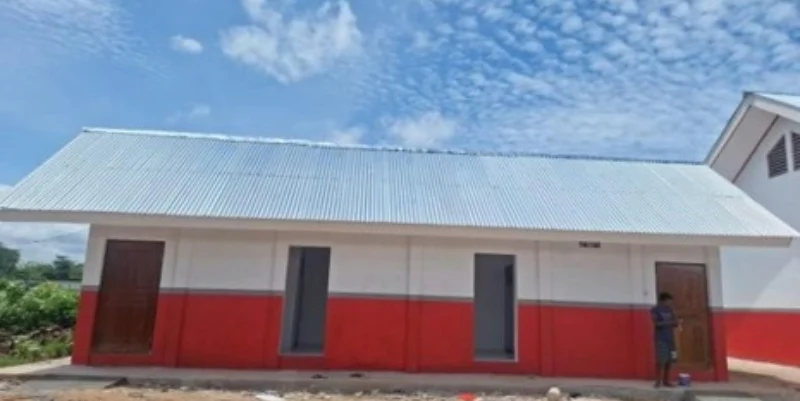
JAKARTA, Indonesia – The Ministry of Primary and Secondary Education (Kemendikdasmen) has officially committed to an urgent revitalization project for SDN Mboeng, a primary school located in the East Manggarai Regency of East Nusa Tenggara (NTT). This intervention follows a wave of public scrutiny and viral social media coverage that exposed the dire state of the school’s facilities, which had left students learning in makeshift classrooms for an extended period.
The decision to rehabilitate the school marks a pivotal moment in the government’s broader strategy to address the educational infrastructure gap in Indonesia’s easternmost provinces. With the Ministry confirming that specialized teams have already been deployed to the site, the project aims to replace hazardous, dilapidated structures with functional, modern learning environments.
The Reality on the Ground: A Chronology of Neglect
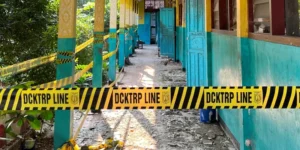
The plight of SDN Mboeng came to national attention earlier this year when photographs and videos documenting the school’s physical condition went viral across various social media platforms. The footage depicted students attempting to learn in classrooms with crumbling walls, leaking roofs, and inadequate seating, while some pupils were forced to study in makeshift, temporary structures that offered little protection from the elements.
The Breakdown of Facilities
Current data reveals that SDN Mboeng serves 84 students divided into six learning groups (rombel), supported by a faculty and staff of 10 educators. Despite the dedication of the teachers, the school’s physical assets have been in a state of terminal decline.
Of the existing structures, only five are classified as permanent buildings. However, the integrity of these structures is severely compromised, with two primary classrooms designated as "severely damaged." These spaces have become unusable, forcing the school administration to pivot toward emergency learning solutions.
The Digital Paradox
Public outcry intensified when reports surfaced that, despite the lack of basic structural integrity and electricity, SDN Mboeng had been designated as a recipient of digital learning devices. The irony of providing high-tech equipment to a facility lacking the most fundamental infrastructure—namely a stable power grid—became a focal point of criticism. Education advocates argued that the focus on "digitalization" was misplaced when children were still struggling to find a dry, safe space to write in their notebooks.
Official Response: Direct Intervention by the Ministry
In response to the public outcry and internal assessments, the Ministry of Primary and Secondary Education (Kemendikdasmen) has initiated a swift rectification process.
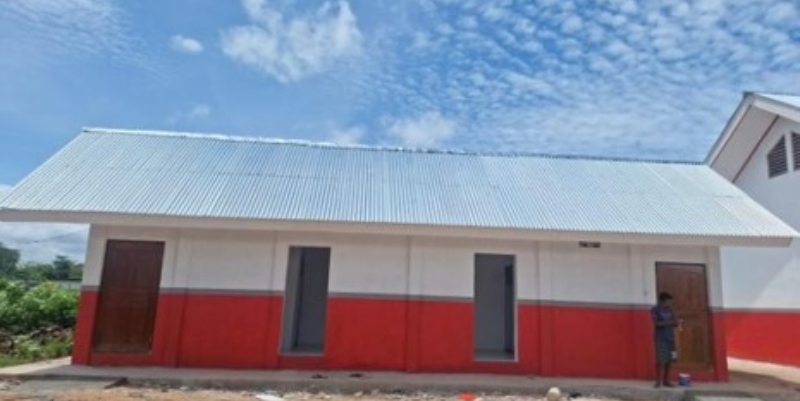
"The Ministry has already dispatched teams to the location. We are prioritizing the immediate repair of classrooms classified as severely damaged and the formalization of the makeshift, emergency learning spaces," stated the Director of Elementary Schools at Kemendikdasmen, Moch. Salim Somad, during an official press briefing on Wednesday, September 9, 2026.
According to Somad, the government’s mandate is clear: ensure that no child in Indonesia is deprived of a safe learning environment due to structural failure. The intervention at SDN Mboeng is not an isolated event but rather the flagship project of a larger, systemic overhaul currently being implemented by the Ministry across the NTT region.
Supporting Data: The Scale of the Challenge in NTT
The situation at SDN Mboeng is emblematic of a wider crisis facing the education sector in East Nusa Tenggara. Geographical isolation, limited access to raw materials, and historical under-investment have contributed to a high concentration of schools requiring urgent maintenance.
The 2026 Revitalization Roadmap
Kemendikdasmen has released comprehensive data regarding its 2026 infrastructure roadmap. The Ministry has identified 1,487 educational units across the province of NTT that require immediate intervention. This initiative is part of a massive fiscal allocation aimed at closing the "infrastructure gap."
"For the year 2026, the scale of the revitalization is significantly larger than in previous years," Somad noted. "We have allocated a total budget of Rp1.2 trillion specifically for the rehabilitation and modernization of these 1,487 schools. This is a comprehensive effort that goes beyond mere repairs; it includes ensuring these schools meet the national standards for safety, electricity, and connectivity."
Financial Commitment
The Rp1.2 trillion budget represents one of the largest single-year investments in primary school infrastructure for the NTT region. Financial experts and education analysts have praised the allocation but emphasize that the success of the program will depend heavily on monitoring and accountability. Given the logistical challenges of delivering construction materials to remote areas of East Manggarai, the Ministry faces the task of ensuring that these funds translate directly into high-quality building materials and skilled labor.
Implications: Building the Future of NTT
The revitalization of SDN Mboeng and its neighboring institutions has significant implications for the future of education in the region.

1. Restoration of Trust
Public trust in the education system is closely tied to the visibility of the government’s commitment to safety. By acting on the viral reports, the Ministry has demonstrated a responsiveness that was previously lacking. This helps in bridging the psychological gap between central authorities in Jakarta and the remote communities in NTT.
2. Standardizing Digital Integration
The Ministry has acknowledged the "digital paradox" that sparked the controversy. Moving forward, the revitalization project is integrated with an infrastructure-first policy. This means that electrical grid installations and solar-power solutions are being bundled with classroom repairs. The goal is to ensure that when digital devices are deployed to students, they are accompanied by the necessary power sources and physical security to make them truly functional.
3. Long-term Maintenance Challenges
While the 2026 budget provides a much-needed injection of capital, the long-term challenge remains maintenance. Experts suggest that the Ministry must transition from a reactive model—where schools are repaired only after they fall into extreme disrepair—to a proactive, preventive maintenance model. This involves training local school committees and district officials to perform regular inspections and minor repairs before structural issues reach the "severely damaged" threshold.
The Road Ahead
As construction crews begin the rehabilitation process in East Manggarai, the students of SDN Mboeng are closer than ever to having a secure, functional, and modern school. However, the project is a reminder of the immense scale of the educational challenge in Indonesia.
With 1,486 other schools in NTT awaiting their turn in the 2026 revitalization queue, the eyes of the nation will be on the Ministry of Primary and Secondary Education. The success of this initiative will be measured not just by the number of buildings repaired, but by the tangible improvement in the quality of education provided to the children of East Nusa Tenggara.
The Ministry’s commitment of Rp1.2 trillion is a strong starting point. Yet, as the case of SDN Mboeng proves, the true measure of educational progress is found in the simple, fundamental ability of a child to walk into a classroom, sit at a desk, and focus on learning without fear of the ceiling collapsing. The government’s recent intervention is a crucial step toward ensuring that this basic right is protected, regardless of how remote the school may be.
For more updates on this developing story and other critical educational issues in Indonesia, follow the official reports from the Ministry of Primary and Secondary Education or visit RMOL.ID on Google News.