The Great Divide: Why Dominant Superbike Champions Often Struggle in the MotoGP Arena
In the high-octane world of professional motorcycle racing, the jump from the World Superbike Championship (WSBK) to the MotoGP World Championship is often perceived as a natural progression. After all, both represent the absolute pinnacle of two-wheeled motorsport. However, the reality on the asphalt tells a different story. The technical divergence between production-based Superbikes and prototype MotoGP machines creates a chasm that many world-class riders have failed to bridge.
History is replete with legendary WSBK champions who arrived in the MotoGP paddock with immense fanfare, only to find themselves struggling to crack the top ten. This phenomenon raises a perennial question: Is the skill set required to master a Superbike fundamentally incompatible with the precision-engineered, hyper-sensitive world of MotoGP?
The Fundamental Divide: Production vs. Prototype
To understand why riders like Colin Edwards or Toprak Razgatlioglu faced significant hurdles, one must first analyze the machinery. A World Superbike is essentially a highly modified version of a motorcycle you could purchase at a local dealership. It relies on a steel or aluminum chassis derived from road-legal geometry and utilizes electronics that, while sophisticated, are constrained by the bike’s production heritage.
Conversely, a MotoGP machine is a bespoke prototype. These are multi-million dollar laboratories on wheels, featuring carbon-fiber brakes, seamless-shift gearboxes, and aero-packages that generate massive downforce. The tires—specifically the Michelin rubber used in MotoGP—are arguably the most complex variable. They demand a specific riding style that often conflicts with the "slide-and-scrub" techniques that dominate the World Superbike circuit.
Chronology of the Transition: From Dominance to Disillusionment
The Colin Edwards Era (2003–2014)
Colin "The Texas Tornado" Edwards remains the quintessential example of a rider who conquered the Superbike world but found the MotoGP environment unforgiving. A two-time WSBK champion (2000 and 2002), Edwards was a force of nature on the Honda RC51. His battles with Troy Bayliss are considered some of the greatest in the history of the sport.
However, his 2003 transition to MotoGP was met with mediocrity. Despite landing a coveted factory seat alongside Valentino Rossi at Yamaha from 2005 to 2007, Edwards struggled to translate his aggression to the refined, high-corner-speed demands of the M1. While he secured several podiums, he never achieved the status of a consistent race winner, eventually settling into a role as a respected but mid-pack competitor.
The Modern Dilemma: Toprak Razgatlioglu (2026)
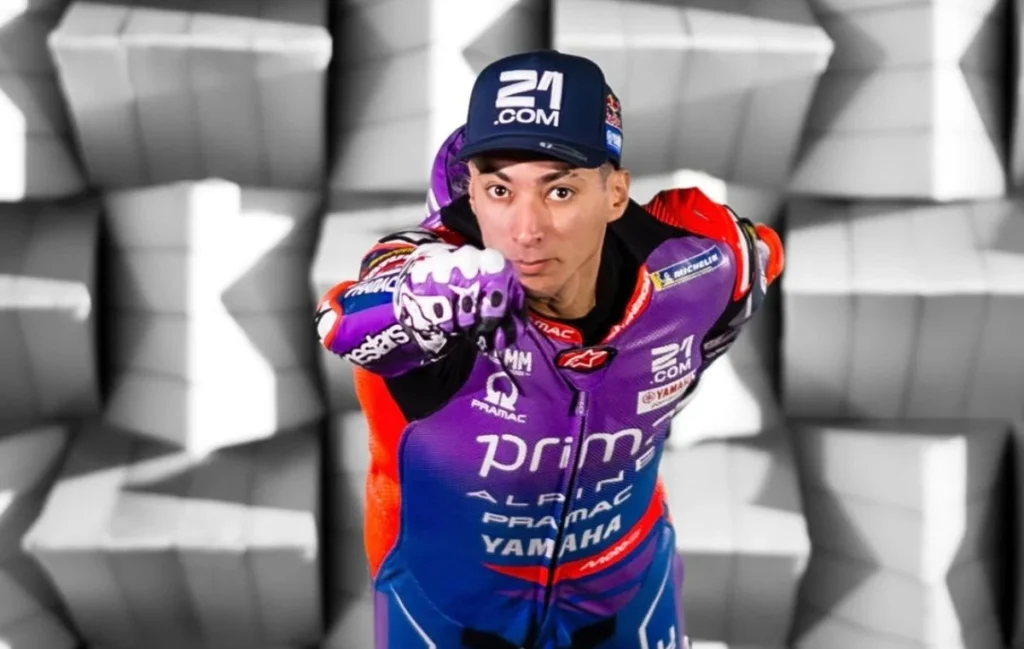
The most recent and perhaps most shocking case study is that of Turkish sensation Toprak Razgatlioglu. Entering the 2026 MotoGP season with a pedigree that included three World Superbike titles (2021, 2024, 2025), Razgatlioglu was touted as a potential title contender upon his arrival at the Pramac Racing Yamaha team.

The anticipation was immense. Razgatlioglu’s style—characterized by his aggressive, "stoppie" style of late braking—seemed perfectly suited for the modern era of MotoGP. Yet, the 2026 season proved to be a difficult awakening. Razgatlioglu found himself languishing in the lower half of the field, unable to extract the necessary performance from the Yamaha prototype. His struggles highlighted a growing concern: the window for adapting to MotoGP’s unique technical requirements is closing, and even the world’s best riders are finding it increasingly difficult to pivot their riding styles.
Supporting Data: The Statistical Gap
When analyzing the performance metrics of riders transitioning from WSBK to MotoGP, a pattern emerges in the telemetry data. In World Superbike, riders rely heavily on mechanical grip and physical manipulation of the bike. In MotoGP, the reliance shifts to aerodynamic efficiency and extreme lean angles that require a "point-and-shoot" precision that can feel unnatural to those raised in the production-based paddock.
| Rider | WSBK Titles | MotoGP Best Finish (Season) | Average Race Position (Transition Year) |
|---|---|---|---|
| Colin Edwards | 2 | 4th | 12.4 |
| Toprak Razgatlioglu | 3 | TBD (Currently 15th+) | 16.8 |
The data indicates that the "learning curve" for a former WSBK champion is rarely linear. It involves unlearning years of muscle memory regarding engine braking and chassis flex.
Official Responses and Industry Sentiment
The MotoGP paddock is rarely shy about discussing the difficulty of the transition. During the 2026 Shakedown tests at Sepang, industry experts and team managers were vocal about the challenges faced by riders like Razgatlioglu.
"The bikes are not just different; they are different species," said a senior technical director from one of the major manufacturers. "In Superbike, you are a passenger to the bike’s limitations. In MotoGP, you are the pilot of a machine that is constantly trying to correct your inputs. If you come from a background where you are used to forcing the bike to obey, the MotoGP bike will simply push back."
From the perspective of Pramac Racing, the stance has been one of patience, though that patience is being tested. "We brought Toprak here because of his undeniable talent," a team representative stated in a press briefing. "However, the electronics integration in MotoGP is at a level that requires a different mental approach. We are working on the bike, but he is also working on his own methodology."
Implications for the Future of the Sport
The recurring failure of WSBK stars to shine in MotoGP has significant implications for how talent is scouted and developed.

1. The "Age of Specialization"
We are moving toward a future where riders must choose their path early. If a rider spends too long in the World Superbike ecosystem, their riding style becomes "baked in," making a switch to MotoGP nearly impossible later in their career.
2. Market Value and Brand Equity
The struggle of high-profile riders like Razgatlioglu affects the commercial value of the WSBK brand. If the champions of the production series cannot succeed in the prototype series, it reinforces the narrative that WSBK is a "second-tier" competition, which may impact sponsorships and rider salaries in the long run.
3. The Need for "Bridge" Categories
There is a growing call for better integration between the two championships. Some suggest that teams should implement a more rigorous simulator-based training program for riders making the jump, or that MotoGP manufacturers should provide more prototype-derived chassis to top-tier WSBK teams to help close the technical knowledge gap.
Conclusion
The transition from World Superbike to MotoGP is a gauntlet that has claimed the confidence of many legendary riders. Whether it is the technical sophistication of the bikes, the tire-management requirements, or the sheer level of competition, the gap between the two series remains a formidable obstacle.
For riders like Toprak Razgatlioglu, the journey is far from over. However, their struggles serve as a sobering reminder: in the world of premier motorcycle racing, past success is rarely a predictor of future performance. As technology continues to evolve, the "Gacor" (highly skilled) riders of Superbike will need more than just raw talent to conquer the prototype world—they will need a total evolution of their craft.
As we look toward the remainder of the 2026 season, all eyes will be on the back of the grid. Can the former kings of Superbike adapt before their MotoGP dreams evaporate, or will they remain a cautionary tale for the next generation of riders aiming for the stars? Only the lap times will tell.