From Kampala Streets to the Global Stage: The Rise of Ghetto Kids and the Enigma of Uganda’s Capital
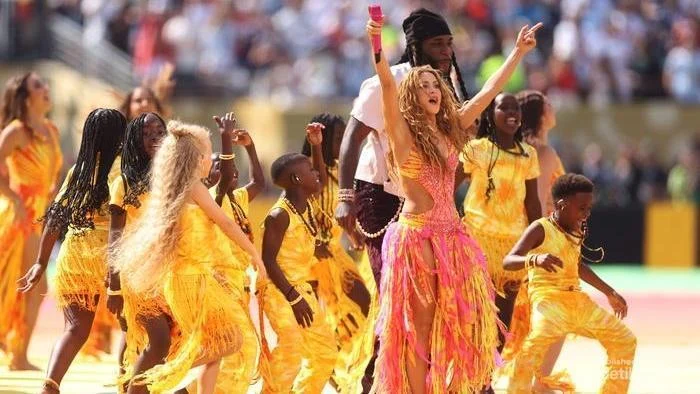
KAMPALA – The 2026 FIFA World Cup final has etched itself into the annals of history not merely for the tactical masterclass on the pitch or the lifting of the golden trophy, but for a transformative cultural moment that bridged the gap between the grassroots and the global elite. As the world turned its eyes to the halftime show, it wasn’t just a performance; it was a testament to the power of perseverance.
For the first time in FIFA history, the final featured a high-octane halftime spectacle. The stage, illuminated by state-of-the-art pyrotechnics, played host to global icons Shakira and Burna Boy. Yet, the heartbeat of the performance was provided by The Ghetto Kids, a dance troupe from the vibrant streets of Kampala, Uganda. Together, they delivered a rousing rendition of the 2026 official World Cup anthem, "Dai Dai," signaling a new era of global inclusion in sports entertainment.
The Chronology of a Dream: From Slums to Stadiums
The meteoric rise of The Ghetto Kids is a narrative of grit. Founded by Dauda Kavuma, the group began as a modest initiative in the Katwe slum of Kampala. Kavuma sought to provide a sanctuary for orphans and street children, using dance as a medium for discipline and hope.
- Early Days (2014): The group gained initial traction with viral YouTube videos featuring high-energy African dance styles, filmed against the raw, unfiltered backdrop of Kampala’s streets.
- International Breakthrough (2017): Their appearance in French Montana’s "Unforgettable" music video catapulted them onto the world stage, garnering hundreds of millions of views.
- The Global Pivot (2023-2025): Through steady growth, partnerships with international NGOs, and refined choreography, the troupe transformed from social media sensations into professional performance artists.
- The World Cup Finale (2026): After rigorous auditions and secret rehearsals, The Ghetto Kids were selected as the centerpiece for the halftime show, marking the first time an East African dance group has performed at a FIFA World Cup Final.
Supporting Data: The Global Impact of the Performance
The performance was more than a fleeting moment of entertainment. According to FIFA’s post-event analytics, the segment featuring The Ghetto Kids saw a 40% spike in social media engagement compared to previous halftime shows.
Data from the Uganda Tourism Board indicates that searches for "Kampala" and "Uganda travel" surged by 300% in the 48 hours following the final. The "Ghetto Kids Effect" has provided an unprecedented marketing boost for the nation, highlighting that the talent emerging from the African continent is ready for the world’s most prestigious stages.
Official Responses and Cultural Resonance
The performance drew praise from the highest echelons of both the sporting and diplomatic worlds. FIFA President Gianni Infantino remarked, "The Ghetto Kids represent the spirit of the game—resilience, joy, and the ability to unite people through movement."
Ugandan President Yoweri Museveni lauded the group in an official state address, stating, "They have shown the world that even from the humble corners of Kampala, the reach of our talent is limitless. They are the true ambassadors of our culture."
The collaboration with Shakira—a veteran of World Cup performances—was described by the singer herself as "a life-changing experience." In an interview post-show, she noted, "The energy they brought to the stage wasn’t rehearsed; it was an ancestral rhythm. It reminded me why we perform in the first place."
The Enigma of Kampala: A City of Seven Hills
The world is now asking: What is this city that breeds such irrepressible talent? To understand The Ghetto Kids, one must understand Kampala. It is a city of contradictions—chaotic yet harmonious, traditional yet rapidly modernizing.
1. The City of Seven Hills
Kampala is famously built upon seven original hills: Old Kampala, Mengo, Kibuli, Namirembe, Rubaga, Nsambya, and Kololo. These hills were not just geographical landmarks; they were the centers of power for the Buganda Kingdom, colonial administrations, and religious missions. While the city has sprawled far beyond these initial boundaries, the identity of the "Seven Hills" remains the city’s architectural and historical backbone.
2. Etymology: The Hill of the Impala
Long before it became a bustling metropolis, the area was a lush landscape of undulating hills where herds of impala antelope roamed. The local Baganda people referred to the area as Akasozi ke’Empala—the "Hill of the Impala." When the British colonialists established a fort on Old Kampala Hill, the name was anglicized and shortened, eventually becoming the modern name: Kampala.
3. The Pulse of the Boda-Boda
One cannot discuss Kampala without mentioning the boda-boda. These motorcycle taxis are the lifeblood of the city. In a town where traffic congestion can be legendary, the boda-boda is the only way to navigate the urban labyrinth. They are not merely transport; they are an economic ecosystem, employing thousands of young men and women and serving as the primary delivery system for goods, food, and people.
4. The Bahá’í House of Worship: An African Landmark
On the serene slopes of Kikaaya Hill stands the Bahá’í House of Worship. Completed in 1961, it remains the only temple of its kind on the entire African continent. With its intricate design and sprawling, manicured gardens, it offers a sanctuary of silence amidst the city’s frantic pace. It stands as a testament to Uganda’s long history of religious diversity and peaceful coexistence.
5. The Culinary Legend: The "Rolex"
To the uninitiated, "Rolex" in Kampala is not a luxury timepiece; it is the ultimate street food. The name is a creative contraction of "rolled eggs." It consists of a chapati (an unleavened flatbread) wrapped around a fried egg, often garnished with onions, tomatoes, and cabbage. It is the quintessential meal for the working class—cheap, portable, and remarkably delicious. Its rise from a late-night street snack to a global culinary curiosity mirrors the journey of the city itself.
6. The Heart of the Buganda Kingdom
Kampala serves a dual role: it is the capital of the Republic of Uganda and the historical heart of the Buganda Kingdom. The cultural influence of the Kabaka (the King) is deeply ingrained in the city’s fabric. Sites like the Bulange (the kingdom’s parliament) and the Kasubi Tombs—a UNESCO World Heritage site—provide a constant link to the past, reminding residents and visitors alike that while Kampala looks toward a global future, it remains anchored in its royal heritage.
Implications: The Future of Cultural Diplomacy
The appearance of The Ghetto Kids at the 2026 World Cup signifies a paradigm shift in how international events choose their talent. By moving away from purely commercial choices and opting for acts with authentic community impact, FIFA has set a new standard for cultural diplomacy.
The implications for Kampala and Uganda are profound. The spotlight now shines on the potential for arts and creative industries to drive economic growth. If a group from the streets of Katwe can capture the world’s attention, the investment in local education, infrastructure, and the arts could yield a new generation of global influencers.
Furthermore, the "Ghetto Kids model"—using performing arts as a vehicle for social rehabilitation—is now being studied by urban planners and NGOs worldwide. It proves that when the youth are given a stage, they do not just perform; they inspire a global audience to reconsider their biases and recognize the untapped potential in the world’s most overlooked corners.
Conclusion
The 2026 World Cup final was a victory for the sport, but it was also a victory for the human spirit. As the final notes of "Dai Dai" faded into the stadium rafters, the world was left with a powerful image: the grit of Kampala’s streets dancing in perfect rhythm with the glitter of the global stage.
Kampala is more than just a capital city; it is a crucible of talent, a tapestry of history, and a modern-day example of how a community can rise above its circumstances. Whether through the humble "Rolex," the frantic pace of the boda-boda, or the infectious joy of a dance troupe, Kampala has firmly planted its flag on the map of the world’s great cities. The Ghetto Kids have returned home, but the echoes of their performance remain—a reminder that dreams, no matter how small they start, can eventually change the world.