Unlocking Nature’s Pharmacy: Why Cooking These 6 Vegetables Boosts Their Nutritional Power

JAKARTA — Conventional wisdom has long championed raw vegetables as the ultimate gold standard for health. From crisp salads to uncooked green juices, the prevailing belief has been that heat destroys vital nutrients. However, a growing body of nutritional science reveals a surprising counter-narrative: for certain vegetables, applying heat does not degrade their value—it unlocks it.
Leading nutrition experts have highlighted six common vegetables that actually become more nutritious, digestible, and bioavailable when cooked. Far from stripping away goodness, the culinary application of heat breaks down tough cellular walls and anti-nutrients, allowing powerhouse compounds like beta-carotene, lycopene, iron, and calcium to be more readily absorbed by the human body.
Main Facts: The Science of Heated Nutrition
The fundamental chemistry of vegetables changes when exposed to cooking temperatures. Raw plant tissues are bound by rigid cell walls primarily composed of cellulose, a complex carbohydrate that human digestive systems struggle to break down entirely. When heat is applied, these cell walls soften and rupture. This mechanical breakdown releases trapped micronutrients that would otherwise pass through the digestive tract unabsorbed.
Furthermore, cooking deactivates specific anti-nutrients—compounds plants naturally produce to deter pests, which can inhibit human mineral absorption. By neutralizing these barriers, cooking exponentially increases a nutrient’s bioavailability (the proportion of a nutrient that is absorbed and made available for use in metabolic functions).
According to insights compiled from nutritional authorities and health publications like Real Simple, incorporating both cooked and raw vegetables into a balanced diet provides the ultimate nutritional synergy. While certain water-soluble vitamins (such as Vitamin C) may decrease slightly during prolonged boiling, the dramatic spikes in fat-soluble vitamins, minerals, and antioxidants far outweigh the losses for the following six vegetables.

Chronology and Evolution of Dietary Perspectives
For decades, the raw-food movement dominated clean-eating discourse, establishing a cultural bias against cooked produce.
- Early 20th Century: Nutritional science primarily focused on identifying individual vitamins and preventing deficiency diseases like scurvy or beriberi, which naturally elevated the status of raw, unheated foods rich in fragile vitamins.
- Late 20th Century: As chronic lifestyle diseases (such as cardiovascular ailments and cancer) rose to prominence, research shifted toward phytochemicals, antioxidants, and long-term cellular health.
- 21st Century: Modern food science and clinical dietetics began analyzing bioaccessibility—how much of a nutrient our bodies can actually extract from a food matrix. Studies in food chemistry revealed that compounds like lycopene and beta-carotene are tightly bound within the plant matrix and require heat and dietary fats to liberate them. Today, nutritional experts advocate for a nuanced approach, recognizing that culinary preparation is an ancient, biologically advantageous form of pre-digestion.
Supporting Data and Deep Dive: The 6 Powerhouse Vegetables
1. Carrots: A Visionary Boost in Beta-Carotene
Carrots are globally renowned for supporting ocular health, a reputation earned through their rich beta-carotene content—the pigment responsible for their vibrant orange hue.
- The Raw Limitation: In a raw carrot, beta-carotene is locked tightly inside rigid cellular compartments.
- The Cooked Advantage: Applying heat via roasting, steaming, or boiling softens these tough cellular walls, dramatically increasing the availability of beta-carotene. Once ingested, the human body converts this compound into Vitamin A, a critical nutrient for vision, immune system fortification, and skin cell regeneration.
- Expert Tip: Nutritionist Lauren Manaker, MS, RDN, LD, recommends boiling, steaming, or roasting carrots whole before slicing them to concentrate their natural sweetness. Because beta-carotene is fat-soluble, pairing cooked carrots with a healthy fat, such as extra virgin olive oil, ensures optimal absorption.
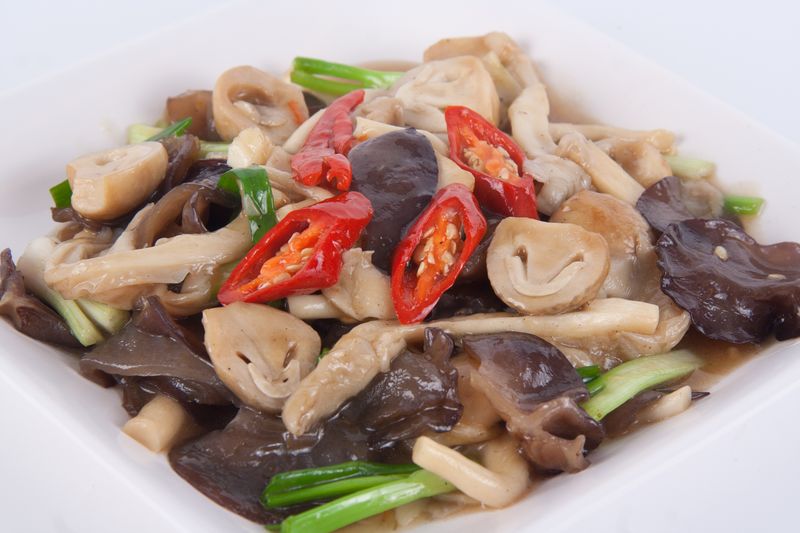
2. Mushrooms: Unleashing Immunity and Antioxidants
Mushrooms are nutritional powerhouses packed with anti-inflammatory agents and immune-boosting compounds.
- The Raw Limitation: Raw mushrooms possess dense, fibrous walls rich in chitin, making them notoriously difficult for humans to digest. Consequently, many of their potent antioxidants remain trapped.
- The Cooked Advantage: Cooking breaks down this tough structural matrix, significantly raising the bioavailability of their antioxidants. Additionally, heat exposure increases the concentration of Vitamin D and beta-glucans—specialized dietary fibers that foster a thriving gut microbiome and fortify the immune system.
- Expert Tip: According to nutritionist Victoria Whittington, RDN, methods such as sautéing, oven-roasting, or grilling yield the best textural and nutritional results. Tossed into pasta, folded into salads, or enjoyed as savory sides, cooked mushrooms offer profound systemic benefits.
3. Tomatoes: The Lycopene Supercharger
For lovers of marinara sauce, pizza toppings, and slow-cooked stews, science offers vindication: tomatoes are exponentially more nutritious when cooked.
- The Raw Limitation: While raw tomatoes provide a refreshing crunch and vitamin C, their most celebrated compound—lycopene—is tightly bound within the fruit’s cellular framework.
- The Cooked Advantage: Heat fractures the cell walls and chemically alters lycopene into a molecular structure that the body can assimilate with far greater ease. Lycopene is a potent antioxidant linked directly to cardiovascular health and the reduction of systemic inflammation.
- Expert Tip: Whittington notes that simmering, roasting, or reducing tomatoes into a rich paste maximizes lycopene delivery. Because lycopene is fat-soluble, a drizzle of olive oil during the cooking process creates a synergistic absorption effect. While cooking slightly lowers vitamin C levels, the trade-off for amplified lycopene is scientifically undeniable.
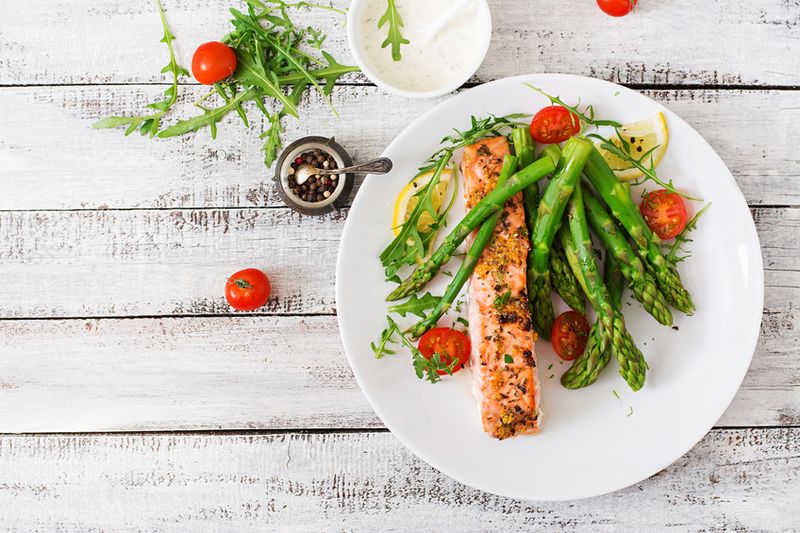
4. Asparagus: Maximizing Cellular Protections
Asparagus is a slender stalk loaded with complex vitamins and minerals, but its tough exterior often deters casual consumption.
- The Raw Limitation: Raw asparagus features a fibrous woody structure that is challenging for the digestive tract to break down efficiently.
- The Cooked Advantage: Exposing asparagus to heat enhances the bioavailability of key antioxidants, notably ferulic acid, alongside vitamins A, E, and K. Vitamin A and E protect ocular and immune function, while Vitamin K is indispensable for proper blood coagulation and skeletal density. Cooking also tenderizes the harsh fibers, easing digestion.
- Expert Tip: Manaker advises roasting, grilling, or steaming asparagus to preserve its structural integrity and nutrient profile. Post-cooking, it can be tossed into grain bowls, folded into pasta, or dressed simply with olive oil and fresh lemon juice.
5. Kale: Taming the Toughness for Sensitive Stomachs
Kale has enjoyed superstar status in the wellness world, yet many people struggle to digest it in its raw form.
- The Raw Limitation: Raw kale is dense with hard-to-break-down fibrous compounds and contains mineral-binding agents that can cause bloating and digestive distress in sensitive individuals.
- The Cooked Advantage: Gentle cooking helps break down these rigid fibers and releases bound minerals such as calcium and magnesium, rendering them far more accessible to the human body. This makes cooked kale an exceptional plant-based calcium source for those with sensitive digestive systems.
- Expert Tip: To strike a balance between mineral absorption and heat-sensitive nutrient retention (such as water-soluble vitamin C), Manaker recommends gentle cooking techniques like steaming or brief sautéing, avoiding prolonged boiling that leaches vital nutrients into cooking water.
6. Spinach: Conquering Oxalates for Mineral Absorption
Spinach is universally praised for its iron, magnesium, calcium, and folate content, but raw consumption comes with a biochemical catch.
- The Raw Limitation: Raw spinach contains high levels of oxalic acid (oxalates). These organic compounds bind tightly to essential minerals like iron and calcium, inhibiting the body from effectively absorbing them.
- The Cooked Advantage: Applying heat breaks down a significant portion of these oxalates. Once the chemical shackles of oxalic acid are dissolved, the iron and calcium locked inside spinach become profoundly more bioavailable.
- Expert Tip: Steaming is widely considered the superior method for cooking spinach, as it preserves heat-sensitive folate better than prolonged boiling (which causes folates to leach into the water). A quick sauté in olive oil or steaming until just wilted transforms spinach into an ideal, nutrient-dense side dish or omelet addition.
Official Responses and Expert Perspectives
The culinary shifts toward understanding food chemistry have garnered strong backing from dietetic associations worldwide. Public health nutritionists emphasize that food preparation should not be viewed merely as a mechanism for flavor enhancement, but as a crucial step in human digestion and nutrient acquisition.
"The old adage that ‘raw is always better’ is a nutritional misconception," states a consensus among clinical dietitians. "Plants evolved complex defense mechanisms—including structural walls and anti-nutrients—to survive in nature. Cooking acts as an external digestive partner, helping us unlock the profound pharmacy locked inside the plant kingdom."
Health agencies continue to remind the public that variety remains the ultimate cornerstone of wellness. While cooked vegetables excel in delivering fat-soluble vitamins, minerals, and antioxidants like lycopene and beta-carotene, raw vegetables retain higher levels of delicate, water-soluble nutrients like Vitamin C and specific enzymes.
Implications for Daily Diets and Public Health
Understanding the dual nature of raw and cooked vegetables carries practical implications for everyday cooking and long-term public health strategies:
- Optimized Meal Planning: Consumers can tailor their culinary methods to target specific health goals. Individuals seeking heart protection and anti-inflammatory benefits can prioritize cooked tomatoes and mushrooms, while those targeting bone density and mineral uptake can focus on lightly cooked spinach, kale, and asparagus.
- Enhanced Digestive Health: For populations suffering from irritable bowels, bloating, or sensitive digestion, incorporating cooked iterations of fibrous greens (like kale and mushrooms) eliminates the discomfort associated with raw cellulose intake.
- Culinary Synergy: Rather than choosing an exclusive camp of "raw-only" or "cooked-only," public health nutritionists advocate for a blended dietary paradigm. Enjoying a crisp, raw salad for lunch alongside a warm, roasted vegetable medley for dinner guarantees a comprehensive, multi-dimensional intake of vitamins, minerals, and protective plant compounds.
Ultimately, science reminds us that food is a dynamic, interactive chemistry. By respecting how heat transforms our meals, we can extract the absolute maximum vitality from our plates.