The Resurrection of a Titan: StarCraft Returns as an Open-World Shooter
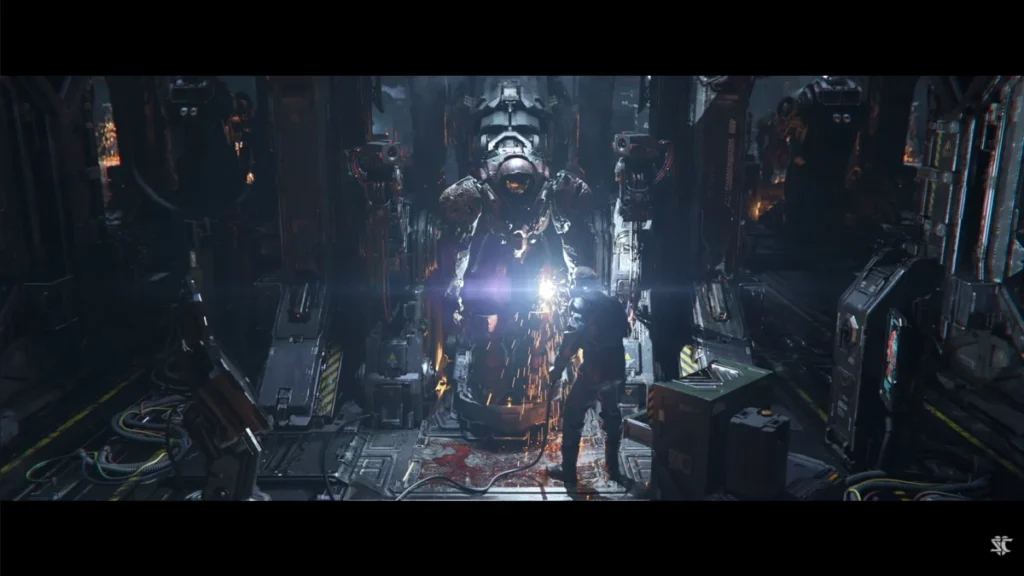
After nearly a decade of silence, the StarCraft universe has finally broken its slumber. During the electrifying keynote at BlizzCon 2026, Blizzard Entertainment officially confirmed that one of the most revered franchises in gaming history is returning—not as the tactical Real-Time Strategy (RTS) titan that defined an entire generation, but as an ambitious, large-scale open-world shooter.
This announcement marks a monumental shift for the studio, signaling a desire to modernize a legacy IP for a new era of players while attempting to navigate the precarious expectations of a deeply dedicated, decades-old fanbase.
The Core Facts: A New Frontier for the Koprulu Sector
The transition from a top-down, macro-management strategy game to a first-person (or third-person) shooter is arguably the most radical pivot in Blizzard’s history. According to initial disclosures at BlizzCon 2026, the project—currently untitled—is being built from the ground up to offer a living, breathing, and dangerous open-world experience within the StarCraft setting.
While the specifics of the gameplay loop remain under wraps, the industry consensus suggests that the game will focus on the boots-on-the-ground experience of the Koprulu Sector. Players will likely trade the "Commander’s Eye" view for the visceral intensity of the front lines, navigating the treacherous environments populated by the iconic Terran, Zerg, and Protoss factions.
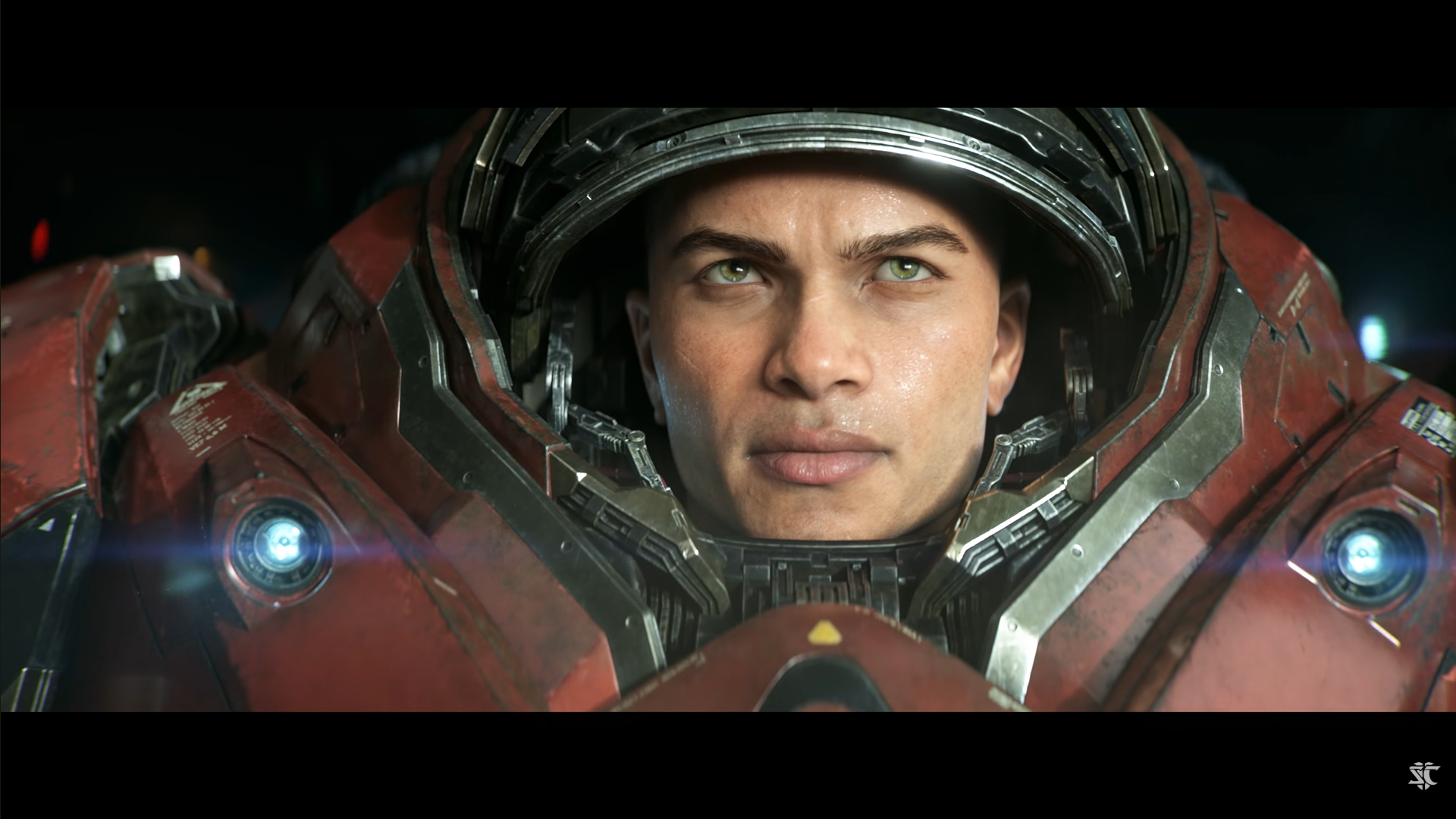
The studio has officially penciled in a 2030 release window. By announcing the title four years in advance, Blizzard is clearly attempting to manage community expectations and provide transparency regarding their development timeline, a move that reflects the sheer scale of the undertaking.
A Chronology of Silence and Speculation
To understand the weight of this announcement, one must look back at the historical trajectory of the StarCraft franchise.
- 1998–2010: The "Golden Age." StarCraft and its expansion, Brood War, set the standard for competitive RTS gaming. StarCraft II: Wings of Liberty (2010) continued this dominance, solidifying the series as the cornerstone of the global eSports movement.
- 2015–2017: The final chapters. The Legacy of the Void expansion and the subsequent Nova Covert Ops DLC marked the end of the main narrative arc. Following this, the StarCraft development team was largely dispersed or moved to other internal projects.
- 2020–2025: The "Dead Game" narrative. For years, rumors of a new StarCraft title surfaced frequently, only to be met with official denials or silence. The franchise became a symbol of Blizzard’s shifting priorities toward Overwatch, Diablo, and World of Warcraft.
- September 2026: The BlizzCon reveal. After months of mounting speculation following industry leaks, Blizzard finally confirmed the project. The reveal was accompanied by a high-fidelity cinematic teaser that, while short on gameplay, confirmed the shift in genre.
The Architect: Why Dan Hay?
Perhaps the most significant piece of information provided at BlizzCon was the appointment of Dan Hay to lead the development. A veteran of the industry, Hay is best known for his pivotal role in transforming the Far Cry series into the open-world powerhouse it is today.
His background is not coincidental. Far Cry has long been the gold standard for "emergent gameplay" in open-world shooters—systems that allow players to interact with the environment, use wildlife, and employ tactical chaos to dismantle enemy outposts. By hiring Hay, Blizzard is clearly looking to graft that same sense of player agency and exploration onto the StarCraft universe.

Official Perspectives: "Winning the Cosmic Lottery"
In an exclusive interview with GamesRadar+ during the convention, Dan Hay addressed the elephant in the room: the sheer weight of StarCraft’s legacy.
"We understand that we are walking into a space that is incredibly sacred to millions of people," Hay stated. "When you take on a project of this magnitude, you don’t just see a title; you see the history, the passion, and the identity of the community. We feel like we’ve won the cosmic lottery to be the ones to carry this torch forward."
Hay emphasized a philosophy of "respectful evolution." He noted that the team isn’t looking to erase what came before but rather to build upon the foundation of the existing lore. "We are looking at what made StarCraft feel like StarCraft—the tension, the asymmetry, the desperate struggle—and asking how that feels when you are standing in the mud, staring down a Zerg swarm in first-person."
Strategic Implications and Market Risks
The decision to move away from the RTS genre is a massive gamble. The RTS market, while smaller than the shooter market, is intensely loyal. By abandoning the genre that birthed the series, Blizzard risks alienating the core purists who have kept the game alive through community mods and competitive ladders for over 25 years.
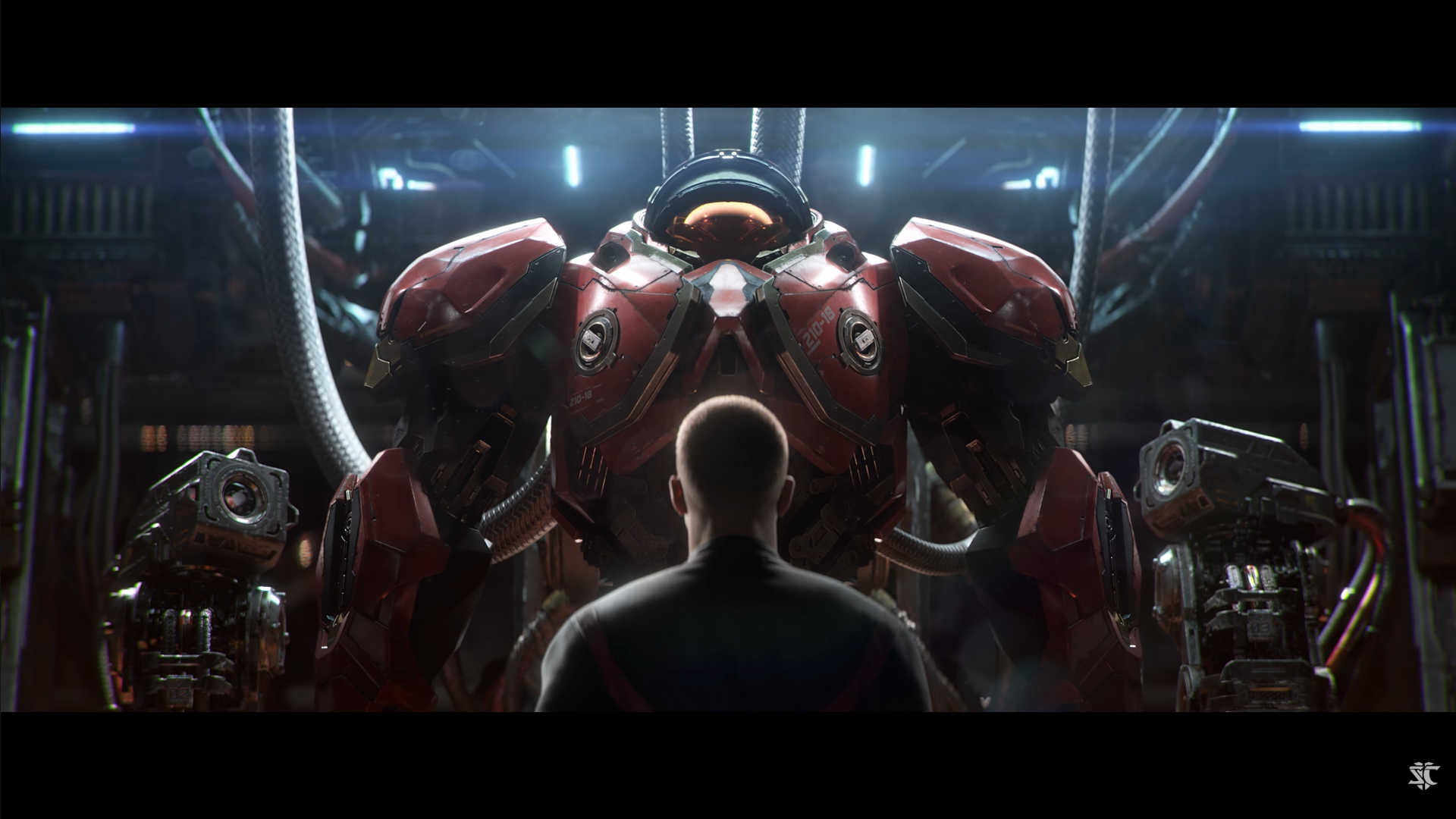
The "Live Service" Concern
One of the most prominent fears echoing through the community is the potential for the game to lean heavily into "Live Service" models. Given the modern industry trend—where massive open-world titles are often designed as platforms for years of microtransactions and seasonal updates—fans are wary. Will this be a deep, narrative-driven campaign, or a vehicle for an endless, grind-heavy multiplayer loop?
The Technical Challenge
Creating an open-world shooter that effectively captures the "feel" of three distinct, technologically disparate races (the industrialized Terrans, the biological Zerg, and the high-tech Protoss) is a monumental engineering feat. In an RTS, the scale is abstracted; in a shooter, the player must feel the weight and uniqueness of each faction’s weaponry and movement. If Blizzard fails to make the combat feel distinct and balanced, the game could easily collapse under the weight of its own ambition.
The Brand Expansion
Conversely, this shift could be the "rebirth" the franchise needs. The StarCraft universe is rich with lore that has been trapped in the RTS format for decades. An open-world format allows for environmental storytelling that a top-down view simply cannot provide. Imagine exploring the ruins of Aiur or the decaying industrial zones of Mar Sara with the level of detail seen in modern AAA titles. For a new generation of gamers who may find the complexity of RTS games daunting, a shooter could be the perfect entry point.
The Road to 2030: What Lies Ahead?
As we look toward 2030, the gaming industry finds itself in a state of flux. Blizzard has set a long-term goal, signaling to investors and fans alike that this is not a side project—it is a flagship initiative.
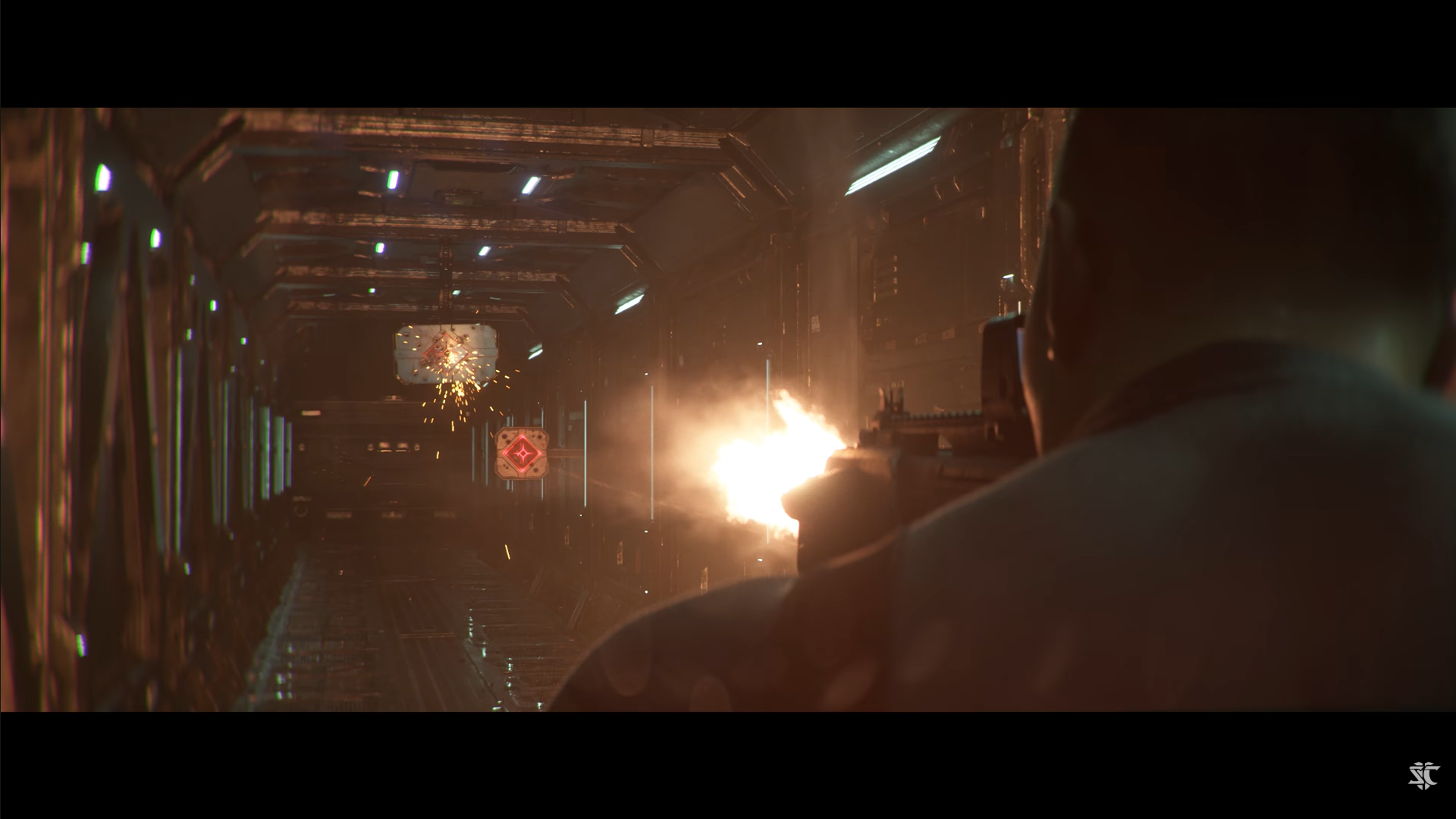
The next four years will be a test of communication. The community will demand to see more than just cinematic trailers. They will want to see how the "familiar" elements of the franchise translate into the "new" format. Will players be able to command squads? Will there be base-building elements? How will the Zerg—a swarm-based faction—function against a single player without feeling overwhelming or frustrating?
For now, the verdict is suspended. The announcement of the new StarCraft has reignited a dormant spark in the hearts of its fanbase. It is a bold, disruptive, and potentially transformative move. Whether it becomes a masterpiece that revitalizes the genre or a cautionary tale of "franchise drift" remains to be seen. However, one thing is certain: the eyes of the entire industry are now fixed firmly on the Koprulu Sector.
The silence has ended. Now, the real battle for StarCraft begins.