The Enigma of Pregnancy Dreams: Decoding Psychological, Spiritual, and Cultural Perspectives
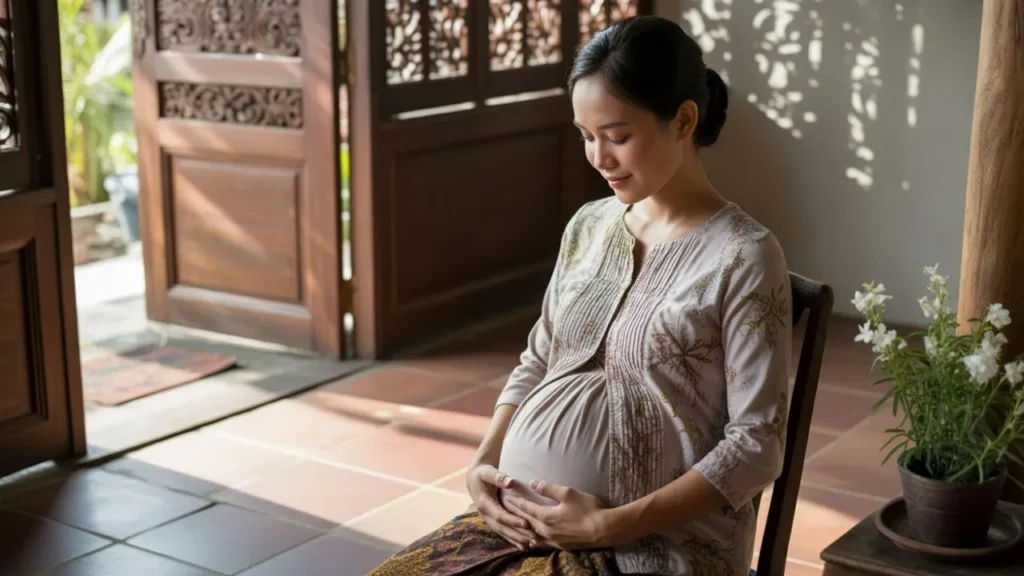
September 18, 2026 – Waking up from a dream where you are pregnant can be a surreal, sometimes disorienting experience. For many, the immediate impulse upon opening one’s eyes is to search for the meaning behind this vivid nocturnal vision. Whether the experience felt joyous, stressful, or profoundly confusing, the frequency of such dreams across all genders and demographics suggests that they touch upon universal aspects of the human subconscious.
While popular culture often treats these dreams as prophetic, experts across psychology, theology, and traditional folklore suggest that the reality is far more complex. Pregnancy dreams are rarely literal; rather, they serve as a symbolic mirror reflecting our inner growth, latent anxieties, and evolving life stages.
1. The Science of Dreaming: Why We Experience Pregnancy
To understand why we dream about being pregnant, one must first understand the nature of sleep. Dreams generally occur during the Rapid Eye Movement (REM) stage of sleep, a period characterized by heightened brain activity and vivid imagery. According to research cited by Healthline, dreams are primarily manifestations of our subconscious mind processing emotions, daily stressors, and deep-seated desires, rather than concrete premonitions of the future.
The Symbolic Nature of Growth
From a psychoanalytic perspective, pregnancy in a dream is a powerful metaphor. It is rarely about biological reproduction but rather "metaphorical reproduction." It often symbolizes the birth of a new idea, the start of a creative project, or the anticipation of a major life transition. When the subconscious projects a growing belly, it is often reflecting a state of "gestation"—where an individual feels that something significant is developing within their personal or professional life.
2. Psychological Interpretations: Growth and Anxiety
Psychologists emphasize that the interpretation of a dream is inherently personal. There is no "one-size-fits-all" dictionary for dream analysis. However, experts like Machiel Klerk, author of Dream Guidance, note that the primary theme is almost always symbolic of "birthing something new."
The Dual Nature of the Dream
Psychological interpretations often categorize these dreams into two distinct camps:
- The Desire for Growth: For individuals currently working on self-improvement or professional development, a pregnancy dream can signify the excitement and potential of a "new self."
- The Manifestation of Anxiety: Conversely, pregnancy can symbolize the weight of responsibility. If an individual is facing a massive change—such as a new job, a relocation, or a difficult decision—the anxiety surrounding that transition can manifest as the physical burden of pregnancy.
Dr. Alicia Roth, a clinical health psychologist at the Cleveland Clinic, underscores the importance of individual context: "The person experiencing the dream is the only one who can truly assign meaning to it. It is a reflection of the dreamer’s current emotional climate."
3. Spiritual Perspectives: Views from Islamic Traditions
In Islamic tradition, dreams are viewed through a nuanced lens. They are not always considered prophetic or authoritative in making life decisions. According to scholars, dreams are typically categorized into three types: messages from Allah, whispers from the devil, or mere reflections of one’s daily thoughts and anxieties.
Interpretations in Classical Texts
Historical texts, such as Jami’u Tafasiril Ahlam by Sheikh Abu Bakar Al-Ihsa’i, provide specific cultural interpretations for pregnancy dreams:
- For Women: It is often interpreted as a sign of prosperity or an increase in worldly wealth.
- For Men: It is sometimes associated with hidden burdens or feelings of sorrow regarding responsibilities.
Despite these traditional interpretations, Islamic scholars maintain that one’s destiny is in the hands of the Creator, not defined by the content of a dream. Therefore, positive dreams should be met with gratitude, while disturbing dreams should be dismissed, as they are often viewed as trivial "flowers of sleep."
4. Cultural Wisdom: The Primbon Jawa Perspective
In the Javanese tradition, Primbon serves as a collection of ancestral wisdom, astrology, and spiritual guidance. Unlike Western psychology, which focuses on the internal state, Primbon often looks at the timing and specific conditions of the dream as omens for the future.
Common Interpretations
- The Positive Omen: In many Javanese interpretations, dreaming of being pregnant is considered a harbinger of good fortune, success in business, or the arrival of long-awaited news.
- Contextual Nuance: The interpretation often changes depending on whether the dreamer is already married or single, or if the dream involves giving birth. These are viewed as signs of transformation, where the dreamer is entering a "new chapter" of life that requires patience and nurturing.
However, modern practitioners of these traditions emphasize that these should be used as tools for self-reflection rather than absolute predictors. Taking the positive essence of the message is encouraged to maintain mental peace.
5. Supporting Data: The Impact of Hormones and Life Stages
It is worth noting that for those who are actually pregnant, these dreams are significantly more vivid and frequent. This is a biological phenomenon rather than a spiritual one.
Hormonal Influence
As noted by researcher Patricia Garfield in Creative Dreaming, hormonal fluctuations during pregnancy lead to a "dream party." The surge in hormones affects sleep quality, often leading to more frequent awakenings during the night. Because the dreamer wakes up more often during the REM phase, they are much more likely to remember the complex and surreal dreams associated with their pregnancy.
Disruptions in Sleep Architecture
Dr. Sherry Ross, an OB-GYN, points out that the physical discomforts of pregnancy—such as the need for frequent urination or physical fatigue—disrupt normal sleep cycles. This fragmentation of sleep is a well-documented cause of heightened dream recall. If you find yourself dreaming of pregnancy, it is often a sign that your body and mind are intensely focused on the transition of parenthood.
6. Practical Implications: When to Consult a Professional
While dreaming is a natural human process, it is essential to distinguish between curiosity and concern.
The Role of Reality Testing
If an individual is consistently dreaming of pregnancy and is concerned about the possibility of being pregnant, the most effective course of action is not to consult a dream dictionary, but to utilize medical resources. A standard pregnancy test (tespek) or a visit to a healthcare provider provides the only accurate answer to biological questions.
When to Seek Help
If pregnancy dreams become a recurring source of distress, insomnia, or intense anxiety, it may be time to speak with a mental health professional. Recurring nightmares or anxiety-laden dreams can be a symptom of underlying stress that needs to be addressed in the waking world.
Conclusion: Turning Dreams into Self-Awareness
Whether viewed through the lens of modern psychology, religious tradition, or ancient folklore, the common thread is that pregnancy dreams are a call to self-reflection. They invite us to look at what we are "carrying"—what projects, emotions, or life changes are currently gestating in our lives.
Instead of fearing these dreams or searching for a literal prophecy, treat them as a mirror. Ask yourself: What is new in my life? What am I preparing for? Where do I feel the most pressure? By answering these questions, you can transform a simple "dream" into a valuable tool for personal growth and emotional clarity.
In the end, you are the architect of your own meaning. Whether the dream was a sign of abundance or a reflection of stress, the most important work happens when you are awake.