Tensions Boil Over in Sukoharjo: Non-Halal Noodle Shop Torsted Amid Ongoing Community Controversy
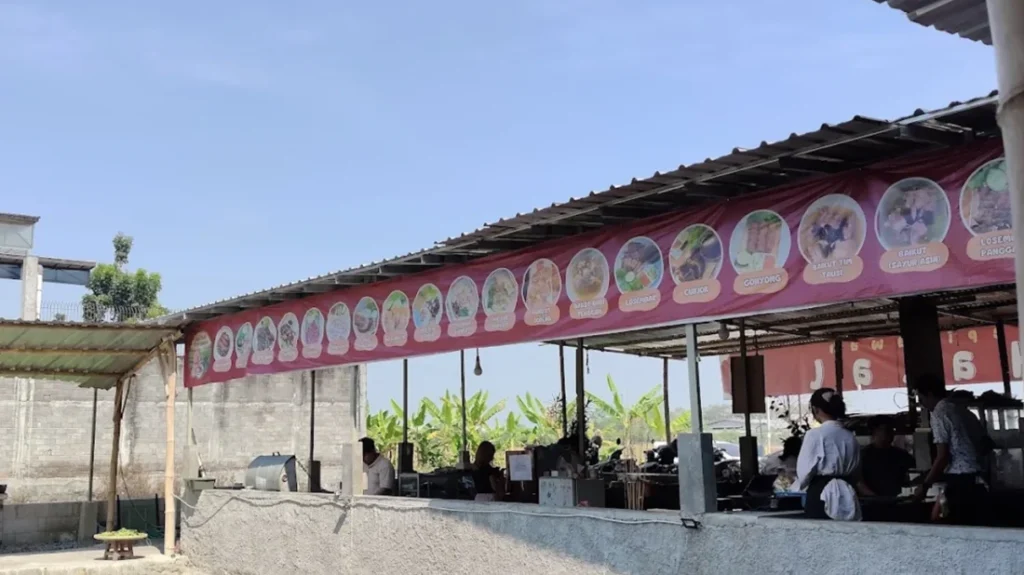
JAKARTA — Tensions surrounding culinary diversity and community sensitivities in Central Java have taken a dark and alarming turn. "Mie & Babi Tepi Sawah," a pork noodle restaurant located in Sukoharjo Regency, has been targeted in an arson attack by unidentified perpetrators (known locally as Orang Tak Dikenal or OTK).
The incident follows weeks of simmering local controversy and public debates sparked by the establishment’s explicit non-halal menu offerings operating within a predominantly Muslim community. While local authorities have launched a comprehensive investigation to apprehend the culprits behind the arson, the attack has reignited national conversations regarding religious tolerance, business rights, community consultation, and the boundaries of coexistence in Indonesia’s pluralistic society.
1. Main Facts of the Incident
The attack on Mie & Babi Tepi Sawah occurred under the cover of darkness, sending shockwaves through the local community and drawing the attention of regional and national law enforcement agencies.
According to preliminary reports from the Sukoharjo Resort Police (Polres Sukoharjo), the incident unfolded in the early hours of the morning. Unidentified individuals reportedly approached the premises—situated against the picturesque backdrop of Sukoharjo’s rice fields—and deliberately set fire to the building.
- The Target: Mie & Babi Tepi Sawah, a culinary establishment specializing in pork-based noodle dishes, which had recently opened its doors to the public.
- The Perpetrators: Officially classified as Orang Tak Dikenal (OTK), or unidentified persons, as investigations are ongoing to determine whether the attack was coordinated, spontaneous, or linked to specific local factions.
- The Damage: Significant structural damage to the dining area and kitchen facilities. Fortunately, because the attack occurred during off-hours, no fatalities or serious injuries have been reported.
- The Precursor: The restaurant had been the center of local friction for weeks. Residents and certain community groups had voiced strong objections to the presence of a non-halal establishment in their neighborhood, citing cultural and religious sensitivities.
Police forensic teams have deployed to the scene to gather evidence, including CCTV footage from nearby properties, combustible residue samples, and potential eyewitness accounts. Law enforcement has urged the public to remain calm and refrain from spreading speculative information that could further inflame tensions.
2. Chronology of Events: From Grand Opening to Arson
To understand how a local noodle shop became the epicenter of a violent confrontation, it is essential to trace the timeline of events leading up to the arson attack.
Phase One: Establishment and Marketing (Weeks Prior)
Mie & Babi Tepi Sawah opened with the concept of combining open-air dining—overlooking the scenic rice paddies of Sukoharjo—with a distinct culinary menu centered around pork dishes. In modern Indonesian culinary culture, themed eateries targeting specific demographics have grown increasingly common. However, the choice to prominently market non-halal products in a region with deep-seated religious traditions immediately set the establishment apart from standard local eateries, which are predominantly halal by default.
Phase Two: Escalation of Local Grievances
Shortly after opening, the restaurant attracted attention not just from food enthusiasts, but from local community members and religious figures. Concerns were raised regarding:
- The proximity of the establishment to residential areas and local places of worship.
- The perceived lack of prior dialogue or socialization between the business owners and neighborhood representatives (RT/RW).
- Concerns—expressed by conservative factions—that the normalization of open non-halal dining in conservative neighborhoods could provoke social friction.
Protests and informal complaints began to circulate on social media platforms, amplifying the issue beyond the immediate neighborhood and drawing digital commentators from across Central Java and broader Indonesia. Despite requests from some community elements for the establishment to reconsider its operations, the restaurant initially maintained its stance, asserting its legal right to operate a registered business.
Phase Three: The Attack
The situation escalated dramatically when the verbal and digital friction translated into physical violence. In the dead of night, the unidentified perpetrators executed the arson attack. The rapid spread of flames severely damaged the property, turning a local zoning and cultural dispute into a major criminal investigation.
3. Supporting Data: Culinary Business, Zoning, and Social Dynamics in Central Java
The controversy surrounding Mie & Babi Tepi Sawah cannot be viewed in a vacuum. It sits at the intersection of several complex socio-economic and legal dynamics in contemporary Indonesia.
Culinary Tourism and Market Segmentation
Central Java, particularly areas surrounding Solo (Surakarta) and Sukoharjo, boasts a rich and diverse culinary heritage. While traditional Javanese cuisine leans heavily toward sweet, halal profiles (such as gudeg and tengkleng), the region also hosts vibrant Chinese-Indonesian and Christian communities with rich culinary traditions involving pork.
Market analysts note that niche dining concepts—such as scenic, Instagram-able farm-to-table or specialized protein restaurants—rely heavily on unique selling propositions. However, when these concepts brush against deeply held community norms without adequate preparatory diplomacy, the risk of backlash increases exponentially.
Legal Frameworks Governing Businesses in Indonesia
Under Indonesian law, establishing a culinary business requires several legal steps:
- Business Identification Number (NIB): Obtained via the Online Single Submission (OSS) system.
- Local Permits (Izin Usaha): Compliance with regional spatial planning (Rencana Tata Ruang Wilayah or RTRW).
- Social Permission (Izin Lingkungan): While not always a strict legal prerequisite for every small business category, customary practice (izin tetangga) dictates that business owners consult local neighborhood chiefs (RT/RW) to ensure community harmony.
Legal experts have pointed out that while operating a non-halal restaurant is entirely legal in Indonesia—provided it is clearly marked as such and complies with health and zoning regulations—the social contract between business owners and local communities plays a vital role in maintaining peace.
4. Official Responses and Law Enforcement Action
The Sukoharjo incident has triggered swift reactions from local government officials, law enforcement agencies, and civil society organizations, all eager to restore order and address the root causes of the unrest.
Police Statement
The Chief of the Sukoharjo Resort Police issued a stern statement condemning the arson attack, emphasizing that vigilantism and destruction of property are criminal acts under the Indonesian Criminal Code (KUHP).
"We are treating this incident with the utmost seriousness. Arson is a severe felony that endangers lives and public safety. Regardless of any ongoing social disputes or community grievances regarding business types, taking the law into one’s own hands will not be tolerated. We are actively hunting the perpetrators."
Police have deployed increased patrols around commercial zones in Sukoharjo to prevent retaliatory actions or further unrest.
Local Government and Religious Dialogue Forums
The local government, in coordination with the local Interfaith Harmony Forum (FKUB—Forum Kerukunan Umat Beragama), has stepped in to mediate discussions between community leaders, local residents, and business representatives.
FKUB representatives stressed that Indonesia’s national motto, Bhinneka Tunggal Ika (Unity in Diversity), relies on mutual respect. Local officials urged business owners planning ventures with sensitive or non-halal elements to engage in thorough community outreach prior to launching, ensuring that local sensitivities are respected without compromising the constitutional rights of business operators.
5. Implications for Pluralism, Business, and Community Relations
The arson attack on Mie & Babi Tepi Sawah carries deep implications that extend far beyond the borders of Sukoharjo Regency. It forces a national reflection on how Indonesia manages diversity at the grassroots level.
The Challenge of Coexistence
Indonesia is home to hundreds of ethnic groups and various recognized religions, coexisting under a national framework that protects religious freedom and commercial enterprise. However, incidents like this highlight the fragility of local tolerance when rapid commercialization meets conservative community expectations.
Sociologists note that when local populations feel their cultural or religious identity is being bypassed by incoming commercial enterprises, grievances can easily be manipulated by extremist or intolerant elements if formal communication channels fail.
Economic and Investment Impact
For the culinary and hospitality sector, the incident serves as a cautionary tale. Investors and restaurateurs are reminded of the critical importance of social license—the ongoing acceptance of a company’s standard practices and operating procedures by its local stakeholders.
While legal compliance (such as possessing an NIB and permits) is mandatory, the lack of proactive community engagement can expose businesses to severe operational risks, vandalism, and reputational damage. Chambers of commerce and restaurant associations have called for clearer guidelines from regional governments on how to navigate multi-cultural zoning and community relations smoothly.
Conclusion
The burning of Mie & Babi Tepi Sawah is a tragic reminder that tolerance requires continuous effort, dialogue, and mutual respect from all stakeholders. As police continue their manhunt for the unidentified arsonists, the people of Sukoharjo—and Indonesia at large—are left to grapple with a pressing question: How can local communities better balance commercial freedom, culinary diversity, and communal harmony without resorting to violence?
The resolution of this case will set a vital precedent for how regional authorities handle the delicate intersection of business rights, cultural sensitivities, and the rule of law in modern Indonesia.