Strategic Expansion: General Motors Eyes Wuling Bingo for Global Chevrolet EV Portfolio
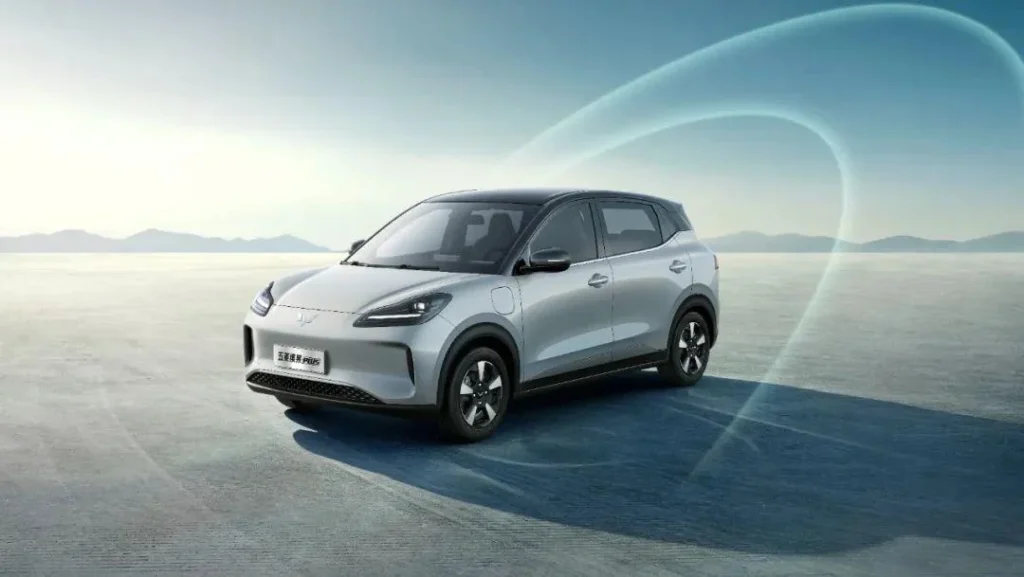
JAKARTA – General Motors (GM) is reportedly evaluating a strategic move to bolster its presence in the global electric vehicle (EV) market by rebadging the popular Wuling Bingo—specifically the "Bingo Pro" variant—under the Chevrolet brand. This initiative is aimed at addressing the burgeoning demand for affordable, entry-level electric mobility in emerging markets, including Mexico, Brazil, and potentially other high-growth regions across Latin America, Africa, and Asia.
The move underscores the deepening synergy between GM and its Chinese joint venture, SAIC-GM-Wuling (SGMW), signaling a shift in how legacy automakers are leveraging local manufacturing expertise to accelerate global electrification efforts.
Main Facts: A New Chapter for the Wuling Bingo
Industry reports from GM Authority and CNEV Post indicate that General Motors is in the advanced stages of considering the Wuling Bingo Pro as the platform for its next entry-level Chevrolet EV. The strategy involves licensing the vehicle through the SGMW joint venture, which is a partnership between GM, SAIC Motor, and Wuling Motors.
By rebranding the Bingo as a Chevrolet, the American automotive giant aims to provide a reliable, mass-market electric hatchback to consumers who are currently priced out of premium EV offerings. The vehicle, if finalized, would serve as the first dedicated electric hatchback under the Chevrolet badge in several international markets.
The Wuling Bingo Pro, which debuted in China, is highly regarded for its balance of efficiency and urban utility. It features a front-mounted single motor capable of producing 65 kW (87 horsepower). The vehicle is powered by lithium iron phosphate (LFP) battery technology, known for its cost-effectiveness and safety, and offers two distinct range options based on the China Light-Duty Vehicle Test Cycle (CLTC): 330 kilometers and 403 kilometers per charge.
Chronology: The Evolution of the GM-Wuling Partnership
The potential rebranding of the Bingo is not a sudden pivot but rather a continuation of a well-established strategy. To understand the gravity of this move, it is essential to look at the timeline of GM’s collaborative efforts in China and their subsequent global application.
1. The Genesis of the Bingo (March 2023)
The Wuling Bingo was officially launched in the Chinese domestic market in March 2023. Designed as a compact, affordable urban commuter, it quickly ascended the sales charts, proving that there was a massive, untapped demand for small-format electric vehicles that do not compromise on aesthetics or basic utility.
2. The Pattern of Rebadging
Long before the Bingo rumors surfaced, GM established a blueprint for utilizing SGMW platforms for global markets:
- The Baojun-Chevrolet Transition: GM previously introduced the Chevrolet Spark EUV, a model heavily derived from the Baojun Yep Plus, targeting consumers who desire a compact crossover aesthetic.
- The Captiva EV Integration: More recently, the company utilized the Wuling Starlight S platform to introduce the Chevrolet Captiva EV, demonstrating that the strategy is not limited to subcompacts but extends to the SUV segment as well.
3. Current Deliberations (2024–2025)
Over the past several months, GM executives have been assessing the viability of integrating the Bingo Pro into the Chevrolet lineup. The primary hurdle remains the adaptation of the vehicle to meet local safety and connectivity standards in markets outside of China, a process that is currently being scrutinized by the company’s engineering teams.
Supporting Data: Why Emerging Markets?
The decision to focus on markets like Mexico and Brazil is supported by robust demographic and economic data. As urban density increases in these regions, the necessity for smaller, more efficient, and emission-free transportation has become a priority for governments and consumers alike.
Demand for Compact Mobility
In many Latin American and Southeast Asian cities, the "micro-mobility" and "city-car" segments are not just niches; they are the backbone of the automotive market. Younger buyers, who are increasingly tech-savvy and environmentally conscious, are gravitating toward vehicles that are easy to park, inexpensive to maintain, and capable of navigating heavy traffic.
Performance Specifications of the Bingo Pro
The technical specifications of the Bingo Pro make it an ideal candidate for these markets:
- Motor: 65 kW (87 hp) – providing sufficient power for urban environments without unnecessary excess.
- Range: 330 km to 403 km (CLTC) – more than enough for daily commuting and mid-distance travel.
- Battery Technology: LFP (Lithium Iron Phosphate) – critical for lowering the price point, as LFP batteries are cheaper to produce than the nickel-cobalt chemistries found in high-end EVs.
The combination of these factors positions the Bingo as a "democratizer" of electric mobility, allowing Chevrolet to compete directly with low-cost EV imports from other Chinese manufacturers that are already gaining traction in South America.
Official Responses and Strategic Rationale
While General Motors has not issued a formal press release confirming the exact launch date or the final branding name of the vehicle, the company has consistently emphasized its "platform-sharing" strategy.
A spokesperson for GM, speaking on the broader context of their international operations, noted: "Our goal is to provide our customers in diverse markets with the right products at the right time. Leveraging our global R&D and manufacturing capabilities, including our joint ventures, allows us to scale our EV portfolio efficiently."
Industry analysts interpret this as a clear signal that the company is moving away from a "one-size-fits-all" product strategy. Instead, GM is adopting a "regionalized global" approach, where the underlying architecture is developed in high-efficiency hubs like China and then refined for specific market tastes in Brazil, Mexico, and beyond.
Implications: A Shift in the Global EV Landscape
The potential arrival of a Wuling-based Chevrolet hatchback has significant implications for both the automotive industry and the consumer.
1. Competitive Pressure on Domestic Manufacturers
By bringing a proven, low-cost platform like the Bingo to Latin America and potentially other regions, GM will immediately put pressure on domestic manufacturers who have been slow to transition to electrification. This move forces local competitors to either accelerate their own R&D or seek partnerships with international EV leaders.
2. Design and Brand Identity
If the plan proceeds, the "Chevrolet Bingo" will likely undergo significant cosmetic revisions. Analysts expect the vehicle to feature a redesigned front fascia—incorporating the signature Chevrolet "bowtie" grille—and a restructured interior that aligns with the brand’s global design language. This process, known as "top-hatting," is crucial to ensure that the vehicle feels like a Chevrolet rather than a rebadged import.
3. Sustainability and Corporate Goals
For GM, this is a strategic move to meet carbon neutrality targets. By increasing the volume of electric vehicles sold in emerging markets, the company can lower its global fleet emissions profile significantly. The Bingo, due to its high-volume potential, is a key component in this math.
4. Consumer Access
Ultimately, the most important implication is the increased accessibility of EVs. If the Bingo is sold as a Chevrolet, it will benefit from the existing service and dealership network that the brand has cultivated over decades. This addresses the "after-sales anxiety" that prevents many consumers from switching to electric vehicles, as they will have the peace of mind of buying from a trusted, established brand.
Conclusion: The Road Ahead
The potential rebranding of the Wuling Bingo Pro as a Chevrolet represents a pragmatic, data-driven approach to global expansion. By utilizing the proven, cost-effective engineering of SAIC-GM-Wuling, General Motors is positioned to capture a significant share of the entry-level EV market in developing nations.
As the industry moves toward 2030, the success of this initiative could determine the viability of other collaborative projects between legacy automakers and their Chinese partners. For the consumer in Mexico, Brazil, or Southeast Asia, the promise is clear: the transition to electric mobility is becoming more affordable, more practical, and, with the backing of a brand like Chevrolet, more accessible than ever before.
While we await further confirmation regarding the official model name and regional availability, the industry remains focused on this development as a benchmark for how the "Global EV Transition" will be executed in the years to come.