Reviving the Heritage: Jakarta Students Compete in Traditional ‘Hadang’ Championship to Preserve Cultural Identity
By Gilang Faturahman | Jakarta | September 21, 2026
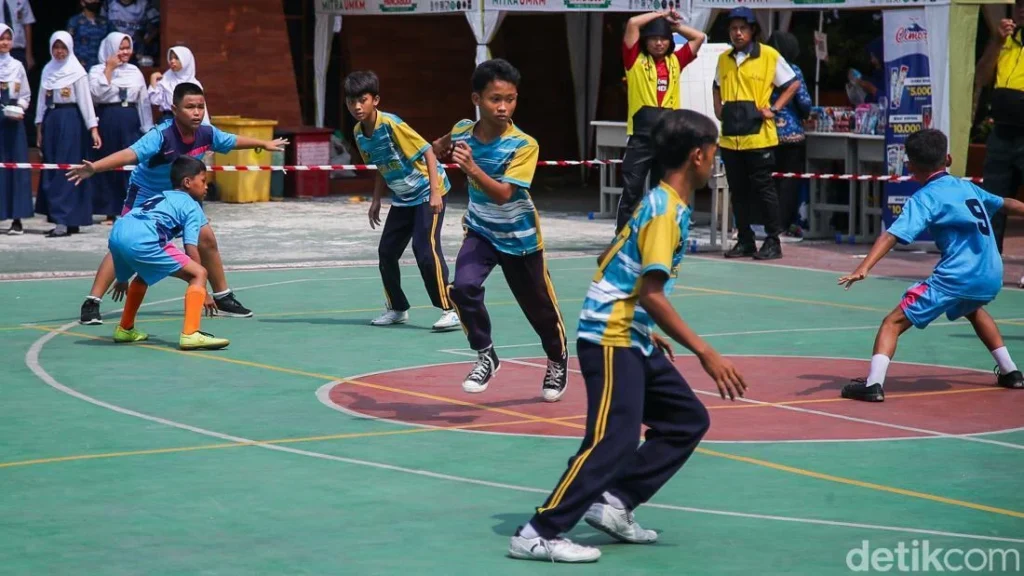
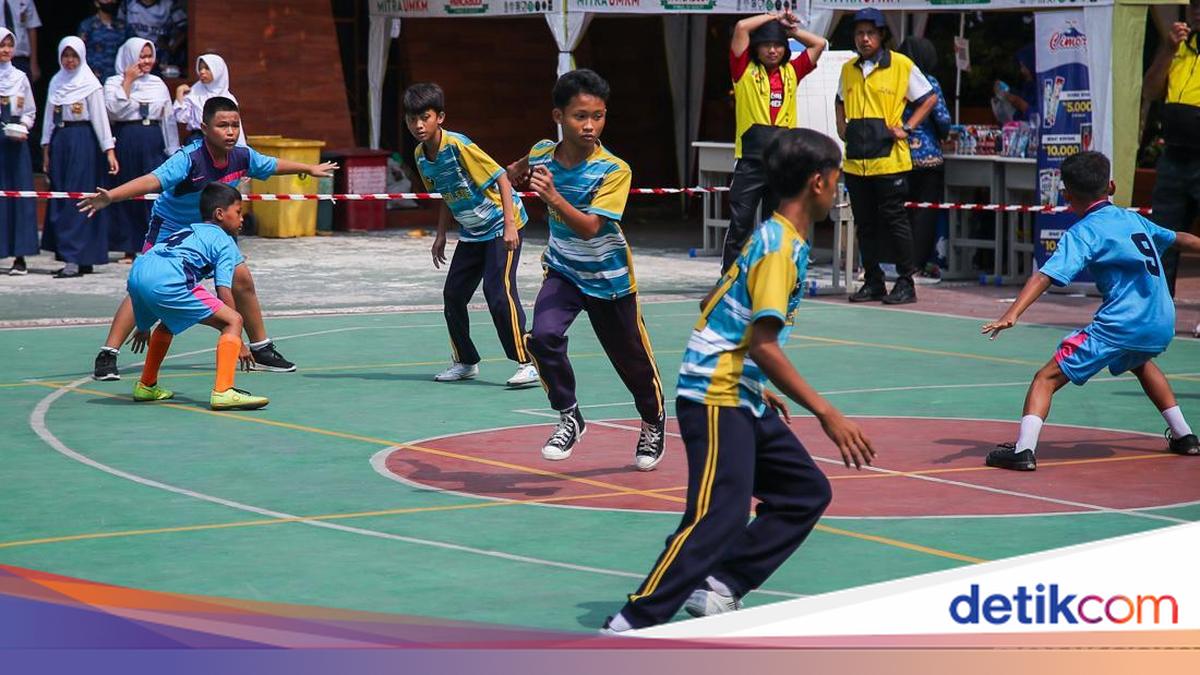
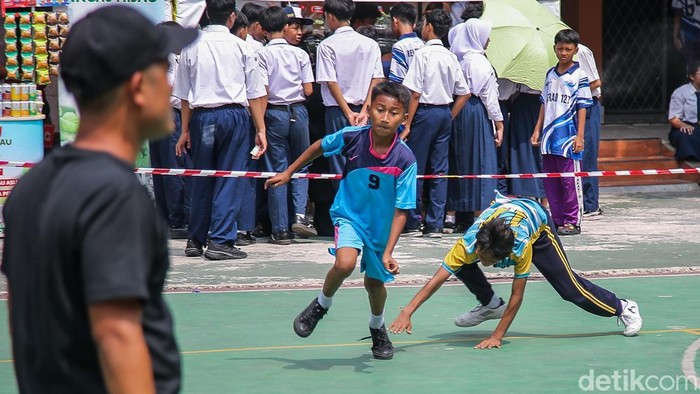
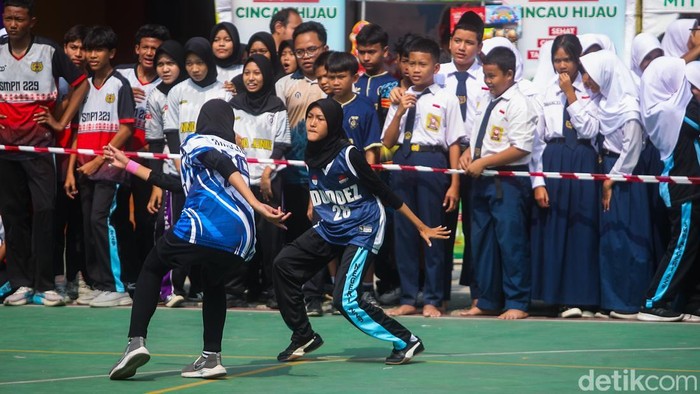
In an era dominated by digital distractions and sedentary gaming, the heart of West Jakarta pulsed with the rhythmic energy of a bygone era this Monday. A total of 364 students, representing 52 different schools, gathered at the SMPN 229 facility to participate in the Jakarta Barat Hadang Championship. The event, which transformed the school grounds into a vibrant arena of tactical movement and athletic prowess, served as a poignant reminder of the enduring value of Indonesia’s indigenous sports.
Organized by the Suku Dinas Pemuda dan Olahraga (Sudinpora) of West Jakarta in collaboration with the Persatuan Olahraga Tradisional Indonesia (Portina), the championship was more than a mere sporting event. It was a cultural intervention designed to bridge the generational gap and ensure that the legacy of Hadang—or Gobak Sodor—remains firmly rooted in the consciousness of the nation’s youth.
The Essence of Hadang: A Game of Strategy and Agility
To the uninitiated, Hadang may appear as a simple game of running and blocking. However, for those familiar with its nuances, it is a complex display of spatial awareness, team synchronization, and psychological warfare.
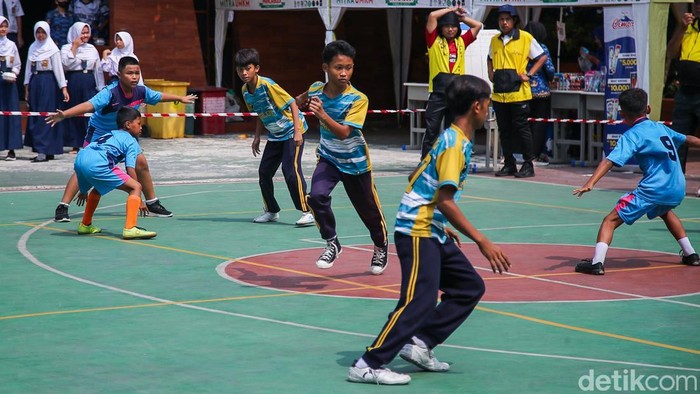
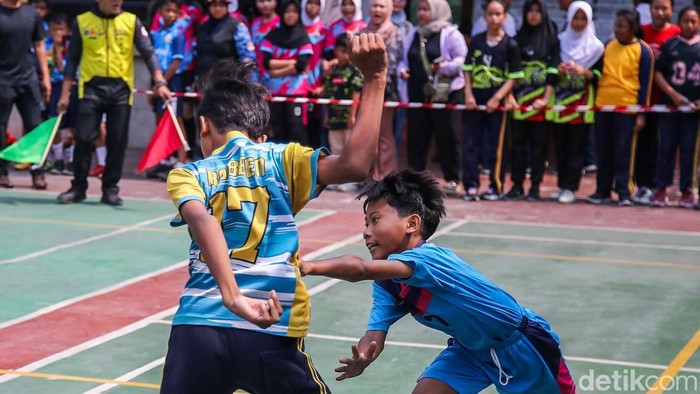
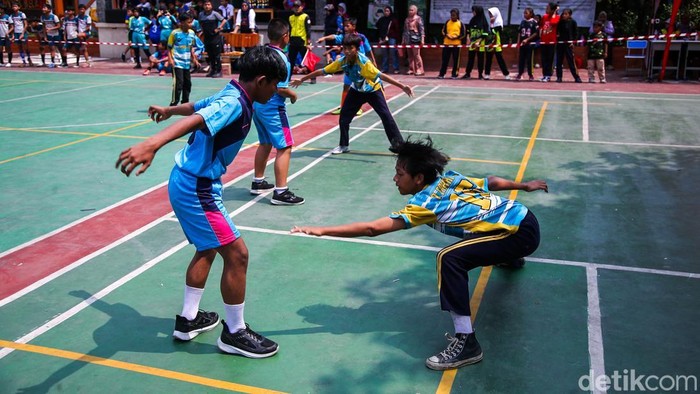
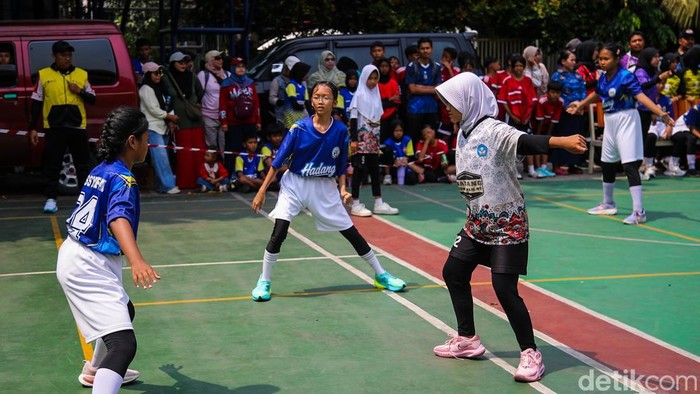
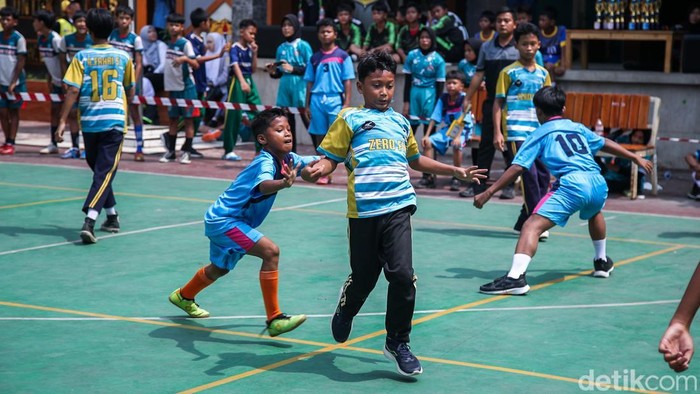
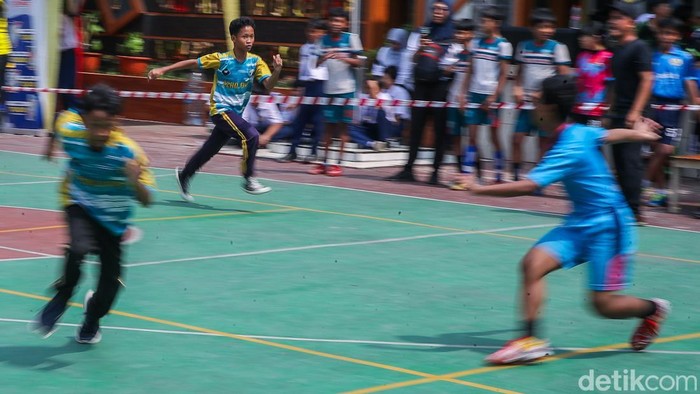
The game is played on a rectangular field divided by horizontal and vertical lines. Two teams face off: the "offense" and the "defense." The objective for the offensive team is to pass through all the defensive lines to the finish line and return to the start without being touched by any of the defenders. Conversely, the defensive team must block the paths, relying on swift lateral movements and quick reflexes to intercept their opponents.
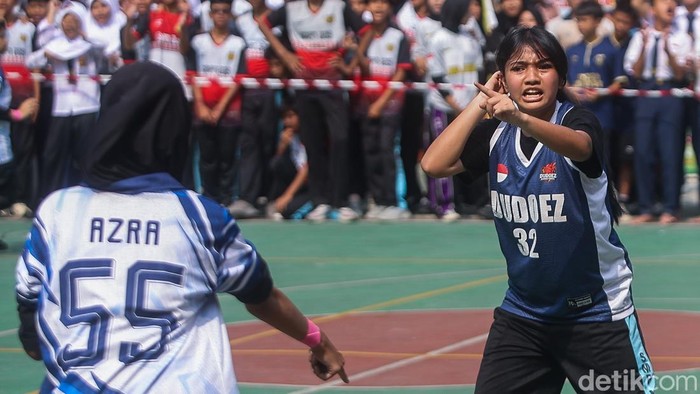
As the matches unfolded at SMPN 229, the air was filled with the shouts of teammates coordinating their next move. The students, ranging from elementary to middle school levels, showcased remarkable agility. They ducked, pivoted, and feinted, proving that despite the encroachment of modern technology, the physical and cognitive demands of traditional games remain as challenging and rewarding as ever.
Chronology of the Event: A Day of Competition and Camaraderie
The event commenced early Monday morning with an opening ceremony that highlighted the importance of sportsmanship and national identity.
- 08:00 WIB: Registration and team briefings began, with representatives from 52 schools gathering to receive final instructions from the tournament officials.
- 09:30 WIB: The initial rounds kicked off simultaneously across several designated courts. The atmosphere was electric, with students cheering for their classmates, creating an environment of community rarely seen in isolated digital gaming.
- 12:00 WIB: A brief midday intermission allowed for cultural exchange, where coaches and organizers discussed the history of Hadang with the participants, emphasizing that the game is a reflection of the Indonesian value of gotong royong (mutual cooperation).
- 14:00 WIB: The tournament reached its peak with the semi-finals. The level of play intensified as teams employed sophisticated defensive formations to neutralize their opponents.
- 16:30 WIB: The final matches concluded, followed by the award ceremony where the victors were celebrated, not just for their athletic performance, but for their commitment to preserving a vital piece of the nation’s cultural heritage.
Supporting Data and the Digital Context
The decline of traditional sports is a global phenomenon, often attributed to the rise of sedentary lifestyles. Recent data suggests that youth participation in traditional outdoor activities has plummeted by nearly 40% over the last decade in urban centers like Jakarta.
The initiative by the West Jakarta Sudinpora and Portina is a direct response to these trends. By formalizing the Hadang tournament, they are not only providing a platform for physical fitness but are also embedding these activities into the school curriculum. With 364 participants involved in this specific championship, the organizers aim to create a "multiplier effect," where students return to their respective neighborhoods and introduce the game to their friends and families, effectively breathing new life into the tradition.
The inclusion of 52 schools signifies a high level of institutional support. Schools that might otherwise focus solely on modern sports like football or basketball are now re-evaluating the benefits of Hadang, which requires no specialized equipment—only a field, chalk, and a group of willing participants.
Official Perspectives: The Vision for Cultural Sustainability
Representatives from the Jakarta Barat administration emphasized that the primary goal of the championship is educational.
"We are not just looking for the next generation of athletes," a representative from the Sudinpora noted during the event. "We are looking for the next generation of cultural custodians. When a child learns Hadang, they are not just learning how to run or block; they are learning about the history of their ancestors, the importance of teamwork, and the inherent value of our local traditions."
Portina, the organization overseeing the technical aspects of the tournament, echoed these sentiments. They highlighted that traditional sports are a pillar of national character. In a rapidly modernizing Jakarta, these games serve as a grounding force, helping students maintain a connection to their roots while developing the physical discipline required for long-term health.
Implications: Beyond the Playing Field
The success of the West Jakarta Hadang Championship has broader implications for educational policy in Indonesia. If such events continue to gain momentum, they could influence the national education strategy, potentially leading to a more structured integration of traditional sports into the Physical Education (PE) syllabus across the country.
1. Social Cohesion and Community Building
Hadang is inherently a team sport. In an age of increasing individualization, it forces participants to communicate, trust, and rely on their peers. The tournament demonstrated that when children are given the space to interact through play, barriers between different schools and social backgrounds begin to dissolve.
2. Cognitive Development
The strategic element of the game—anticipating the opponent’s movement and calculating the right moment to cross a line—acts as a form of "physical chess." This stimulates problem-solving skills and rapid decision-making in a high-pressure environment.
3. Cultural Preservation
As Indonesia continues to urbanize, there is a tangible risk that intangible cultural heritage, such as traditional games, will be lost. By creating a competitive structure, the organizers are giving these games the prestige they deserve. It transforms Hadang from an "old-fashioned" pastime into a "modern, competitive" pursuit, making it appealing to the contemporary student.
Looking Ahead: A Call for Expansion
The event concluded with a clear consensus: this cannot be a one-time occurrence. Both the participants and the educators involved expressed a desire for a recurring league, rather than an annual championship. A seasonal structure would allow for more consistent training and deeper mastery of the sport.
Furthermore, there is a growing conversation about digitizing the documentation of these games to ensure that the rules and variations are preserved for future generations. Some schools are already discussing the creation of "Traditional Sport Clubs," which would meet weekly to practice and organize inter-class tournaments.
As the sun set on the SMPN 229 field, the students headed home, exhausted but visibly energized. The laughter and the competitive spirit of the day left a lasting mark. In the heart of a bustling metropolis, the spirit of Hadang proved that culture is not a static artifact to be kept in a museum, but a living, breathing activity that belongs to the youth of today.
By investing in the strength and agility of these 364 students, Jakarta is investing in the preservation of its soul. As the city moves toward a future defined by rapid technological advancement, the echo of the Hadang matches remains a steady, rhythmic reminder of where it all began—and where it must continue to go.
The Jakarta Barat Hadang Championship has set a high bar, proving that with the right support, the traditions of the past can indeed become the highlights of the future.