Razer Clio X: Redefining Gaming Immersion Through Near-Field Audio Innovation
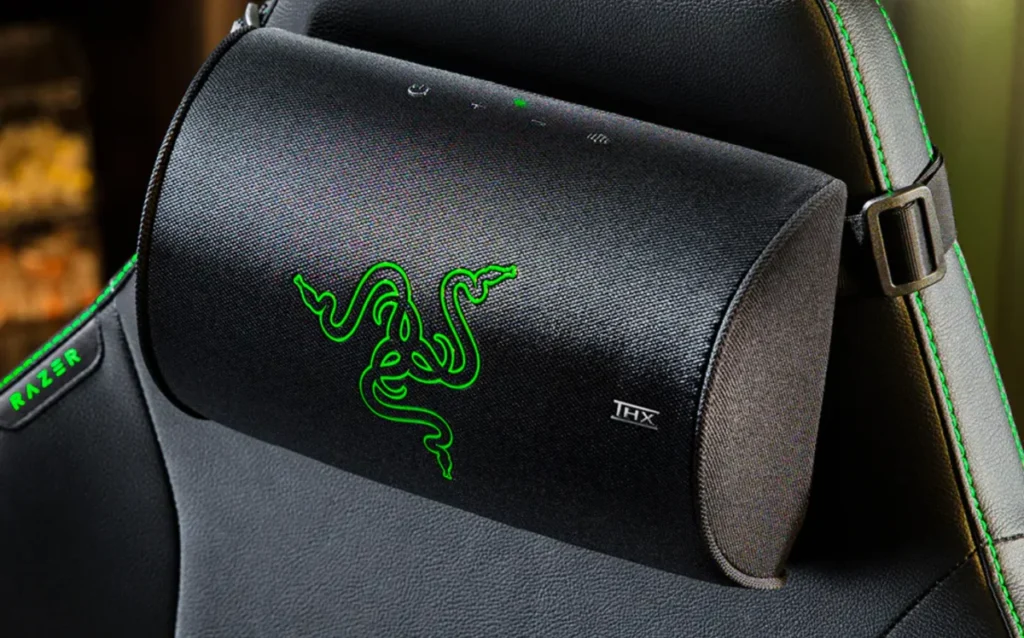
For decades, the gaming peripheral market has been dominated by the headset. Whether for competitive shooters or immersive RPGs, the standard for audio has been a pair of ear cups clamped to the gamer’s head. However, as the industry matures, the focus is shifting toward ergonomics and long-term comfort. Razer, a global leader in gaming lifestyle hardware, has unveiled a bold solution to the "headset fatigue" dilemma: the Razer Clio X, a revolutionary wireless speaker system integrated directly into a gaming chair’s headrest.
The Evolution of Audio: Why the Razer Clio X Matters
The gaming industry is no stranger to specialized audio setups. From multi-thousand-dollar home theater systems to lightweight earbuds, the goal has always been the same: perfect positional accuracy. Yet, the physical toll of wearing heavy, closed-back headsets for six to eight hours a day is a hurdle many gamers face.
Razer’s development of the Clio X represents a fundamental shift in how we perceive the "gaming environment." By utilizing the space behind the user’s head, Razer has effectively turned the furniture itself into an audio component. This isn’t just about moving the speakers; it’s about creating a personalized soundstage that allows for freedom of movement and physical comfort, effectively removing the barrier between the player and the game world.
Chronology: From Concept to Consumer Reality
The journey to the Clio X began years ago with the original "Project Clio," a concept device that pushed the boundaries of near-field audio. At the time, critics were skeptical about the feasibility of such a device—would it be too heavy? Would it interfere with the chair’s lumbar support? How would it handle wireless latency?
Over the past three years, Razer’s R&D department focused on miniaturizing the internal components. The transition from the original concept to the commercial-ready Clio X involved several iterative designs, focusing on:
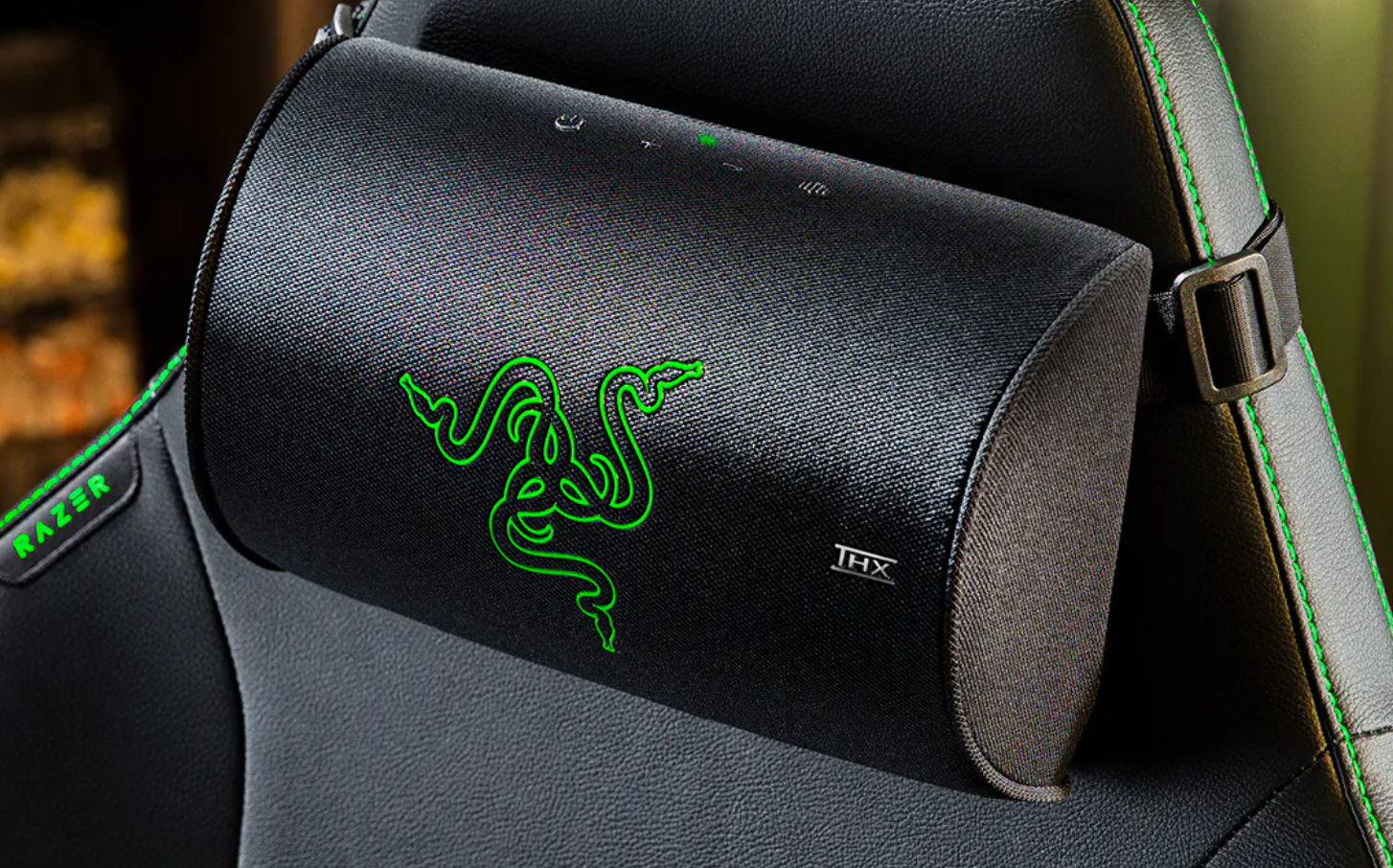
- Weight Distribution: Ensuring the device adds minimal bulk to existing chair models.
- Connectivity: Perfecting the integration of Razer’s HyperSpeed Wireless technology to ensure the ultra-low latency required for competitive gaming.
- Power Efficiency: Moving to a USB-C Power Delivery (PD) system that supports long-term playback without the need for constant tethering.
The product was officially finalized in late 2026, marking a pivot toward more affordable, lifestyle-integrated gaming hardware rather than just high-end standalone peripherals.
Technical Specifications: Under the Hood
The Razer Clio X is a masterclass in compact acoustic engineering. Despite its modest footprint, the device packs a surprising punch:
- Acoustic Hardware: The unit features dual 38mm near-field drivers and two 55mm passive radiators. This combination ensures a balanced frequency response, providing crisp highs for footsteps and dialogue, alongside a resonant mid-bass that adds depth to explosions and environmental soundscapes.
- THX Spatial Audio: By leveraging THX’s industry-leading spatial algorithms, the Clio X simulates a 360-degree environment. Because the speakers are positioned mere inches from the user’s ears, the positional accuracy of the "virtual" surround sound is remarkably precise compared to standard room-based speakers.
- Connectivity: The device utilizes Razer HyperSpeed Wireless 2.4 GHz technology, which is widely regarded as the gold standard for latency-free gaming, ensuring that the audio syncs perfectly with on-screen actions.
- Compatibility: Designed with versatility in mind, the Clio X utilizes an adjustable, universal strap system. This allows it to be mounted on almost any high-back gaming or office chair, democratizing the technology for users who don’t necessarily own a Razer-branded seat.
- Battery Life: The unit is powered by a high-capacity system compatible with USB-C PD 2.0, offering up to 40 hours of playtime on a single charge.
Official Stance and Market Positioning
Razer has positioned the Clio X at an accessible price point of $109.99 (approximately IDR 1.9 million). This pricing strategy is deliberate. By keeping the cost relatively low, Razer is targeting the demographic that already owns a standard gaming chair but is looking for a premium audio upgrade that doesn’t require a bulky desk-based speaker setup.
"The goal with Clio X is to remove the physical tether that binds a gamer to their chair," stated a Razer spokesperson during the product launch. "We aren’t just selling a speaker; we are providing an ergonomic alternative to the traditional headset, allowing gamers to remain immersed in their games for longer without the physical discomfort of ear-fatigue."
The Implications of Headset-Free Gaming
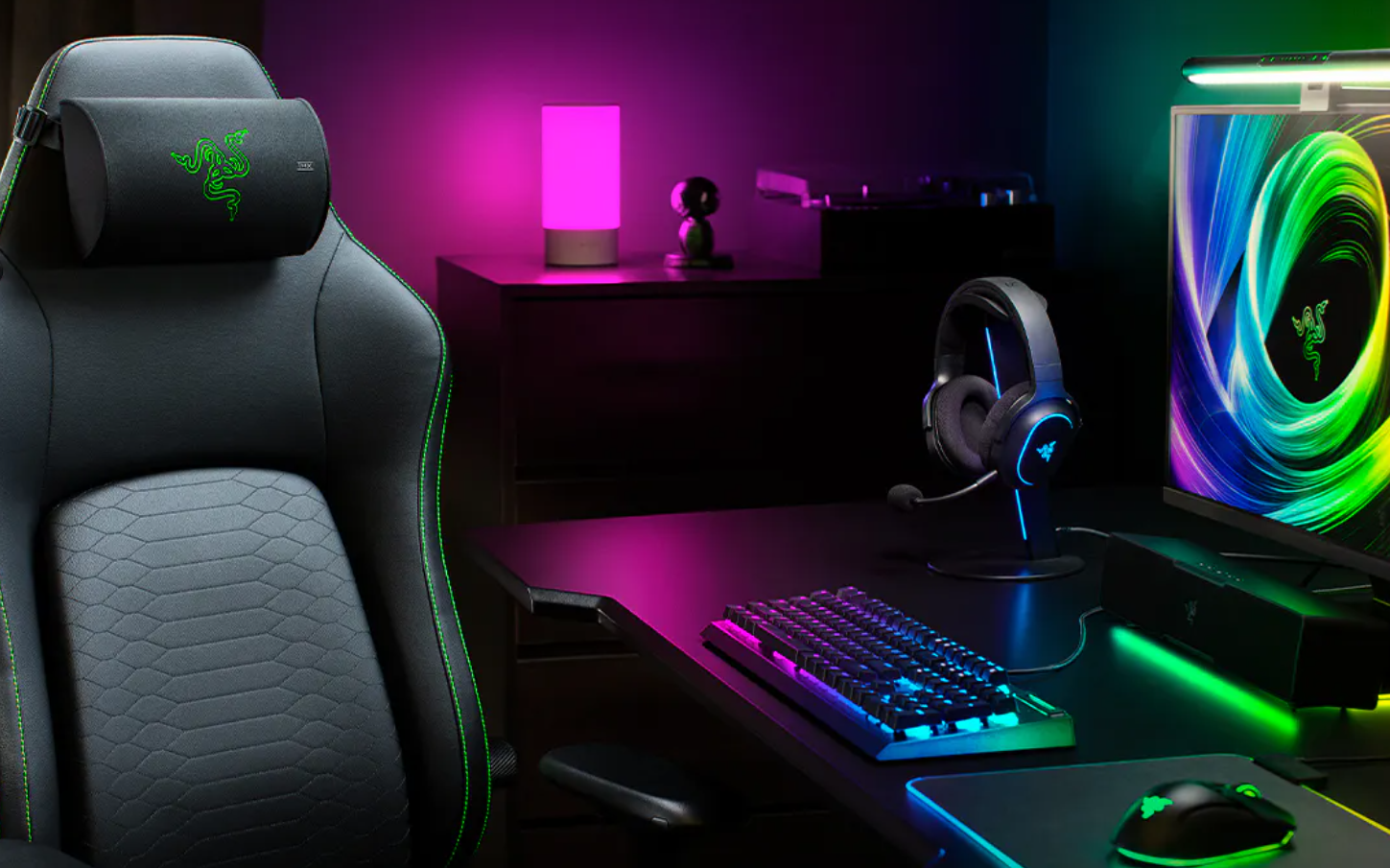
The introduction of the Clio X has significant implications for the future of gaming setups. As the industry moves toward "cleaner" desk aesthetics—minimalist setups with hidden cables—the Clio X fits perfectly into the modern "battlestation" philosophy.

1. Ergonomic Transformation
The most immediate benefit is the health of the gamer. Prolonged headset use can cause neck strain and ear irritation. The Clio X removes this entirely, allowing for a natural, open-air listening experience.
2. Multi-Channel Surround Integration
The Clio X is not restricted to being a standalone device. It can be integrated into existing sound systems. A user can set it up as a "rear-surround" speaker pair, creating a true, physical surround-sound bubble in their office or bedroom. This hybrid usage model makes it an incredibly versatile piece of hardware.
3. The Trade-offs: A Balanced Perspective
While the technology is impressive, it is not without its limitations. Because it is an open-air system, it does not provide the passive noise isolation of a closed-back headset. In noisy environments, a headset will still be the superior choice. Furthermore, the effectiveness of the spatial audio is partially dependent on the acoustics of the room and the positioning of the chair.
Comparative Analysis: Clio X vs. Traditional Audio
When comparing the Clio X to high-end headsets like the BlackShark or Kraken series, the distinction is clear. Headsets are designed for total isolation and communication (via a microphone). The Clio X, conversely, is designed for long-form consumption—binging a game, watching a movie, or streaming content.
The lack of a built-in microphone on the Clio X suggests that it is not intended to replace a dedicated competitive communication setup, but rather to complement a gaming lifestyle where comfort takes priority over total isolation.
Looking Ahead: The Future of Near-Field Audio
The launch of the Razer Clio X is likely the first step in a broader trend. We expect to see future iterations that perhaps integrate haptic feedback or even built-in beamforming microphones that can capture voice audio without the need for a boom arm.
The move toward "ambient" gaming audio is growing. Companies are realizing that gamers don’t want to be "trapped" in their headsets. By bringing the sound directly to the chair, Razer has bridged the gap between the immersive intimacy of headphones and the environmental awareness of speakers.
Conclusion: Is it Right for You?
The Razer Clio X is a sophisticated, well-engineered piece of hardware that solves a very specific problem: how to achieve high-fidelity, positional audio without the physical constraints of a headset. For the gamer who plays for hours on end, values ergonomic freedom, and maintains a clean desk aesthetic, the Clio X is a compelling, perhaps even necessary, addition to the setup.
While it won’t replace the noise-canceling capabilities of a tournament-grade headset, its ability to transform a standard chair into an immersive audio throne is a testament to Razer’s innovative spirit. As we look at the trajectory of gaming technology, it is clear that the future isn’t just about better drivers or lower latency; it’s about how we inhabit our gaming spaces. The Razer Clio X is a giant step toward a more comfortable, more immersive future for players everywhere.