
Protecting Your Heart: A Cardiologist’s Guide to the 7 Superfoods for Cardiovascular Longevity
Jakarta – Cardiovascular disease (CVD) remains the most formidable adversary to global public health. According to the World Health Organization (WHO), these conditions—which include coronary heart disease, cerebrovascular disease, and rheumatic heart disease—claim between 17.8 and 20.5 million lives annually. As the leading cause of mortality worldwide, heart disease is a crisis that transcends borders, socioeconomic status, and lifestyle.
However, the medical community emphasizes that the path to a healthier heart is often paved with the simplest of daily choices. By shifting our dietary focus toward nutrient-dense, heart-protective foods, individuals can transform their kitchen into a laboratory for preventative medicine. Cardiologists worldwide suggest that the battle against heart disease is won or lost in the grocery aisle.
The Global Crisis: Understanding the Burden of Heart Disease
The statistics surrounding heart disease are sobering. Data from the Ministry of Health underscores that the rise in cardiovascular issues is largely attributed to sedentary lifestyles, processed food consumption, and increasing levels of chronic stress. The pathophysiology of heart disease—often involving the buildup of plaque in the arteries (atherosclerosis)—is a slow, silent process that can go undetected for years.
Medical experts argue that "reactive medicine"—treating the heart only after an attack—is no longer sufficient. Instead, there is a paradigm shift toward "proactive nutritional intervention." This means viewing food not merely as fuel, but as a biological modulator capable of regulating blood pressure, cholesterol levels, and systemic inflammation.
The Cardiologist’s Prescription: 7 Nutritional Powerhouses
A recent report published in MSN highlights seven specific food groups recommended by leading cardiologists. These selections are backed by clinical data and are designed to function as natural safeguards for the cardiovascular system.
1. The Power of Omega-3 Rich Fatty Fish
For many, the first line of defense is the inclusion of cold-water fatty fish such as salmon, mackerel, and sardines. These species are dense in Omega-3 fatty acids, specifically Eicosapentaenoic acid (EPA) and Docosahexaenoic acid (DHA).
Cardiologists at the Clara Maass Medical Center emphasize that consuming these fish at least twice a week can significantly lower the risk of cardiovascular events. Omega-3s act as natural blood thinners, reducing the likelihood of clot formation. Furthermore, they are potent anti-inflammatory agents that help lower triglyceride levels and stabilize heart rhythms, thereby reducing the risk of dangerous arrhythmias.
2. Spinach: The Vascular Protector
Often overshadowed by more exotic "superfoods," spinach remains a titan of heart health. The secret lies in its complex nutritional matrix: a high concentration of potassium, magnesium, dietary fiber, and essential antioxidants.
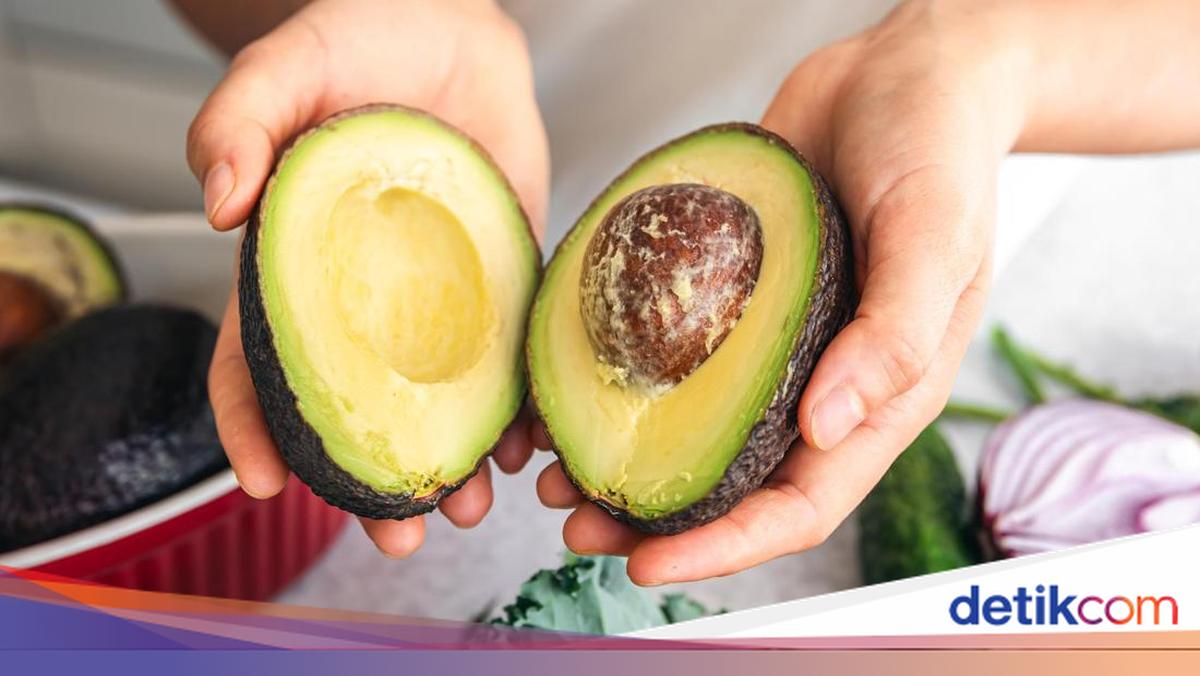
Potassium is a vital mineral that helps the body manage sodium levels, which is critical for maintaining healthy blood pressure. Magnesium, on the other hand, plays a key role in vasodilation—the widening of blood vessels—which allows for smoother blood flow. Incorporating fresh spinach into a daily diet, whether through sautéed dishes or salads, provides the endothelial lining of the arteries with the nutrients required to remain flexible and resilient.
3. Oatmeal and the Beta-Glucan Effect
Oatmeal is frequently dismissed as a mundane breakfast staple, but it is, in fact, a cardiovascular powerhouse. Its efficacy is primarily due to a specific type of soluble fiber known as beta-glucan.
When consumed, beta-glucan forms a gel-like substance in the digestive tract that traps cholesterol-rich bile acids and prevents them from being reabsorbed into the bloodstream. By acting as a "cholesterol sponge," regular oatmeal consumption effectively lowers Low-Density Lipoprotein (LDL)—the "bad" cholesterol. Beyond cholesterol, the fiber in oats promotes sustained satiety, which helps in weight management—a primary factor in reducing the mechanical strain on the heart.
4. The Plant-Protein Revolution: Legumes and Beans
For those looking to reduce their reliance on animal proteins, legumes and lentils offer a compelling alternative. Cardiologists have long championed these staples for their high fiber content and their ability to modulate blood lipid profiles.
Research suggests that a consistent intake of approximately three-quarters of a cup of legumes daily can lower LDL cholesterol levels by up to 19% and decrease the overall risk of heart disease by 11%. The mechanism is twofold: they provide high-quality, heart-healthy plant protein without the saturated fats found in red meat, and their soluble fiber acts as a stabilizer for blood sugar levels, preventing the glucose spikes that can damage arterial walls over time.
5. Extra Virgin Olive Oil: The Liquid Gold
The Mediterranean diet has long been considered the "gold standard" for heart health, and at its center lies extra virgin olive oil (EVOO). Unlike processed vegetable oils, EVOO is rich in monounsaturated fats and polyphenols—compounds that exhibit powerful anti-inflammatory and antioxidant properties.
Cardiologists recommend replacing saturated fats like butter or lard with EVOO. This simple substitution can have a profound impact on the heart’s lipid profile. The polyphenols in EVOO specifically help prevent the oxidation of LDL cholesterol, which is a key step in the formation of arterial plaques. Whether used as a salad dressing or a low-heat cooking oil, it is a foundational element of a heart-conscious kitchen.
6. Avocado: The Heart-Healthy Lipid Source
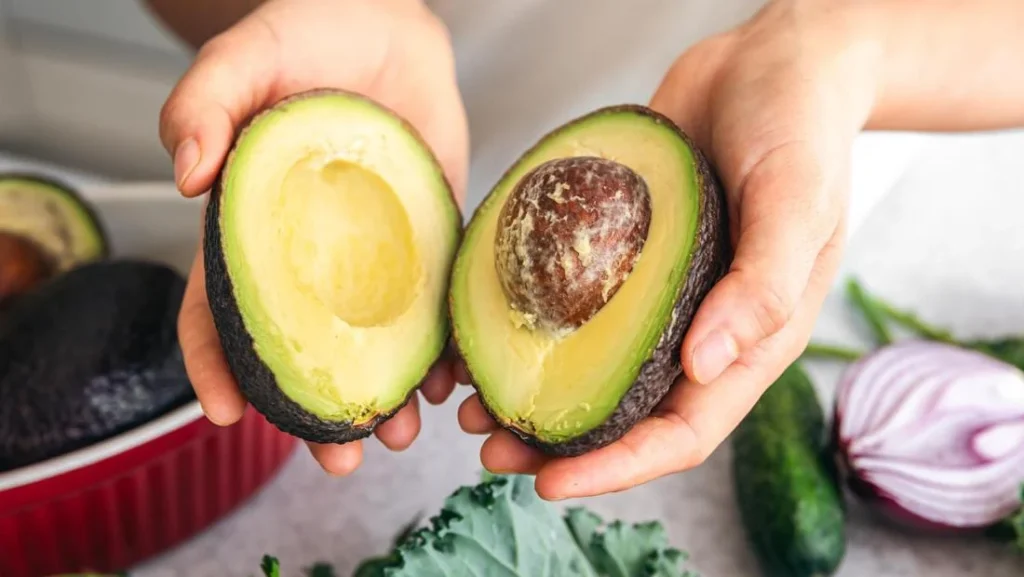
Avocados have undergone a rebranding in recent years, moving from a "high-fat" food to a "healthy fat" essential. Their lipid profile is dominated by monounsaturated fatty acids, which are chemically structured to support heart health rather than compromise it.
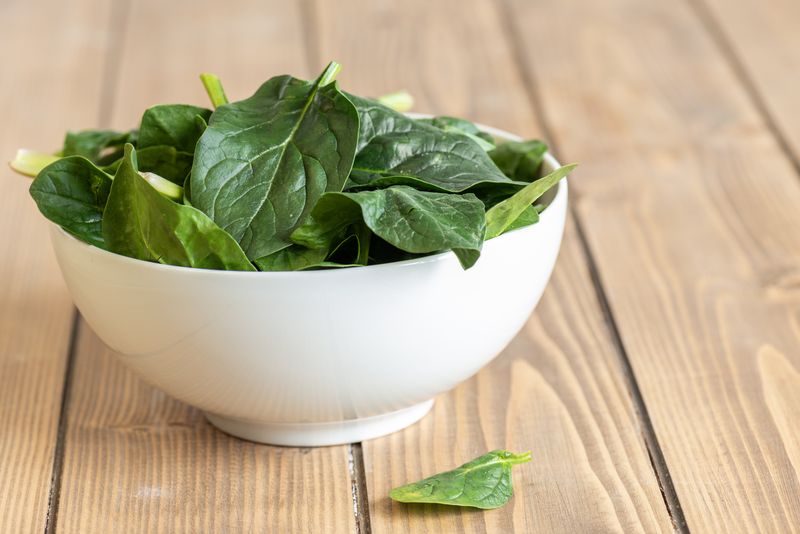
In addition to healthy fats, avocados are rich in potassium—often exceeding the levels found in bananas. This mineral is essential for neutralizing the effects of excess sodium in the diet. By combining fiber, potassium, and beneficial fats, the avocado acts as a complete package for maintaining healthy blood pressure and cholesterol levels, making it an ideal inclusion in any heart-protective diet.
7. Bawang Putih (Garlic): The Culinary Catalyst
While often appreciated for its flavor profile, garlic is an ancient medicinal tool with modern scientific validation. When crushed or minced, garlic releases allicin, a sulfur-containing compound that has been extensively studied for its potential to improve cardiovascular markers.
While garlic should never replace prescribed medication for individuals diagnosed with hypertension, it serves as a powerful adjunct to a heart-healthy diet. Regular consumption has been associated with modest reductions in blood pressure and improved cholesterol levels. Its ability to improve arterial stiffness and prevent plaque buildup makes it an essential "functional food" for those looking to optimize their heart health.
The Implications: Why Dietary Change is a Long-Term Investment
Adopting these dietary habits is not a temporary "fix" but a long-term investment. The cardiovascular system is remarkably resilient, yet it is also highly sensitive to the cumulative effects of nutritional choices.
The Role of Preventive Lifestyle Choices
The transition to a heart-healthy diet should be viewed as part of a broader holistic approach. Cardiologists urge patients to combine these nutritional strategies with:
- Consistent Physical Activity: At least 150 minutes of moderate aerobic exercise per week.
- Stress Management: Chronic stress increases cortisol levels, which can lead to hypertension and arterial inflammation.
- Smoking Cessation: Smoking remains one of the most significant risk factors for heart disease, effectively undoing the benefits of a healthy diet.
When to Seek Professional Guidance
While these seven foods are universally recommended, individuals with pre-existing conditions—such as chronic kidney disease, diabetes, or those on blood-thinning medications—should consult their physicians before making significant dietary changes. For instance, those on potassium-sparing diuretics must be cautious with high-potassium foods like spinach and avocados.
Conclusion: The Power of Choice
The burden of cardiovascular disease may be heavy, but it is not inevitable. By integrating heart-protective foods like fatty fish, fiber-rich grains, and monounsaturated fats into our daily routines, we empower ourselves to take control of our longevity.
As experts continue to emphasize, the heart is a reflection of the fuel we provide it. Small, consistent choices made in the grocery store today translate into significant health dividends in the years to come. In the fight against the world’s leading cause of death, the most potent weapon is often found on your plate.