Navigating the Protein Paradox: 5 High-Protein Foods That Also Deliver a Heavy Dose of Fat
JAKARTA — In the modern landscape of health and wellness, protein reigns supreme. From fitness enthusiasts chasing muscle hypertrophy to everyday dieters trying to stay satiated, protein has become the undisputed macronutrient of choice. However, focusing solely on protein intake while ignoring the accompanying nutritional profile can lead to unintended dietary pitfalls.
Recent nutritional insights highlight a common blind spot: many foods lauded for their high protein content are simultaneously loaded with high amounts of fats. While fat is an essential macronutrient required for hormone regulation, nutrient absorption, and cellular health, consuming these protein sources without mindfulness can easily derail caloric and lipid goals.
Understanding the balance between proteins and fats is essential for maintaining a truly balanced diet. Based on guidelines from health experts and insights published by Verywell Health, a closer look at five seemingly healthy, high-protein foods reveals that they carry a surprisingly heavy fat load—and how consumers can enjoy them without compromising their health objectives.
Main Facts: The Hidden Fat in Popular Protein Sources
The pursuit of lean muscle mass and sustained energy often leads consumers to specific dietary staples. Yet, dietitians emphasize that protein and fat frequently travel together, particularly in animal products and certain plant-based foods.
The core issue is not that these foods are inherently "bad," but rather that their caloric density is heavily driven by fat. When individuals incorporate these foods into their daily routines under the assumption that they are consuming "pure" protein, they often exceed their daily recommended intake of saturated and total fats.
According to nutritional data, foods like cheese, peanut butter, fatty cuts of meat, nuts, and even eggs pack a significant lipid punch that rivals or even exceeds their protein yields. Recognizing this composition allows individuals to adjust their portions, transforming these items from potential diet saboteurs into strategic components of a well-rounded meal plan.
Chronology: The Shift in Dietary Perceptions Over Time
The Low-Fat Era vs. The Protein Renaissance
To understand how we arrived at our current dietary obsessions, it helps to look at the historical evolution of nutritional advice.
- The Late 20th Century: For decades, the public was steered toward low-fat, high-carbohydrate diets, which inadvertently led to a rise in processed, sugar-laden "diet" foods.
- The 2010s: Nutritional science underwent a paradigm shift. Fats were rehabilitated—particularly healthy monounsaturated and polyunsaturated fats—while protein emerged as the ultimate weapon against obesity, metabolic sluggishness, and muscle loss.
- The Present Day: The fitness boom and the rise of high-protein diets (such as keto, carnivore, and high-protein Mediterranean variants) have pushed protein to the forefront of consumer consciousness.
However, this modern protein renaissance has created a new challenge. Consumers frequently latch onto protein-rich buzzwords on food packaging without scrutinizing the macro-nutrient breakdown. The realization that staple protein sources like peanut butter or cheese carry steep fat profiles has sparked renewed conversations among dietitians regarding portion distortion and mindful eating.
Supporting Data: 5 High-Protein, High-Fat Foods Under the Microscope
To help consumers navigate their grocery lists, health experts have broken down the exact nutritional breakdown of five popular foods that double as protein and fat sources.
+---------------------+-------------------+-------------------+
| Food Item (1 oz /   | Protein Content   | Fat Content       |
| standard serving)   |                   |                   |
+---------------------+-------------------+-------------------+
| Cheddar Cheese      | ~7 grams          | ~9 grams          |
| Peanut Butter (2tbsp)| ~8 grams         | ~16 grams         |
| Brazil Nuts         | ~4.05 grams       | ~19 grams         |
| Pecans              | ~2.6 grams        | ~20.4 grams       |
| Eggs                | Balanced          | Balanced          |
+---------------------+-------------------+-------------------+
1. Cheese: The Practical Protein with a Lipid Catch
Cheese is a refrigerator staple beloved for its convenience, versatility, and rich flavor profile. It is frequently marketed as an easy way to boost daily protein intake, especially for vegetarians.
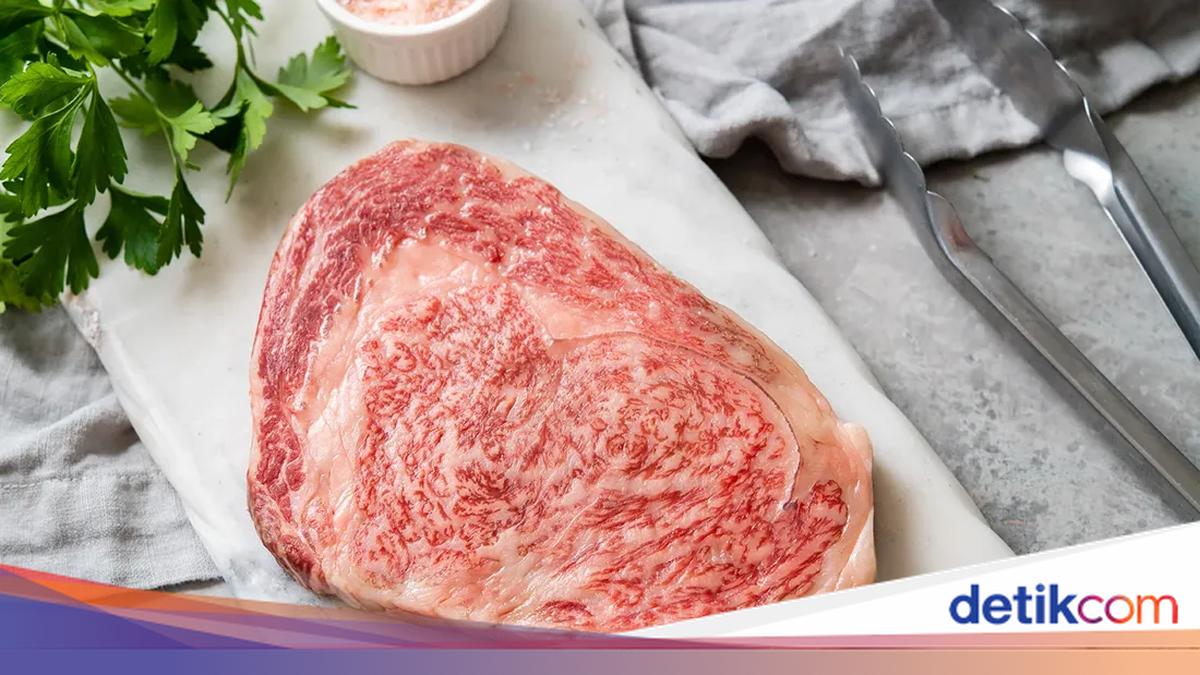
However, registered dietitian Lauren Manaker points out that cheese is also notably dense in fat. For instance, a single ounce (approximately 28 grams) of standard cheddar cheese yields roughly 7 grams of protein. Yet, that same serving packs about 9 grams of fat—surpassing the protein content in sheer weight.
Nutritional Implication: Because of this ratio, cheese functions best as a culinary accent rather than a primary protein source. Using it as a topping or flavor enhancer allows consumers to enjoy its taste and protein benefits without inadvertently consuming an excess of saturated fats.
2. Peanut Butter: The Plant-Based Favorite
Peanut butter is a pantry essential for athletes, children, and anyone looking for a comforting, energy-dense snack. While it does contribute meaningful amounts of plant-based protein, its fat content is significantly higher.
A standard two-tablespoon serving of peanut butter delivers about 8 grams of protein. In that same portion, however, the fat content skyrockets to approximately 16 grams—double the amount of protein.
Nutritional Implication: Peanut butter remains a heart-healthy food rich in unsaturated fats, fiber, and micronutrients. Nevertheless, due to its high caloric and lipid density, moderation is critical, particularly for individuals tracking daily caloric and fat limits.
3. Fatty Cuts of Meat: Marbling and Macronutrients
Meat is universally recognized as a premier source of complete protein. However, the specific cut of meat dictates its nutritional identity. Lean poultry and white fish differ vastly from heavily marbled red meats.
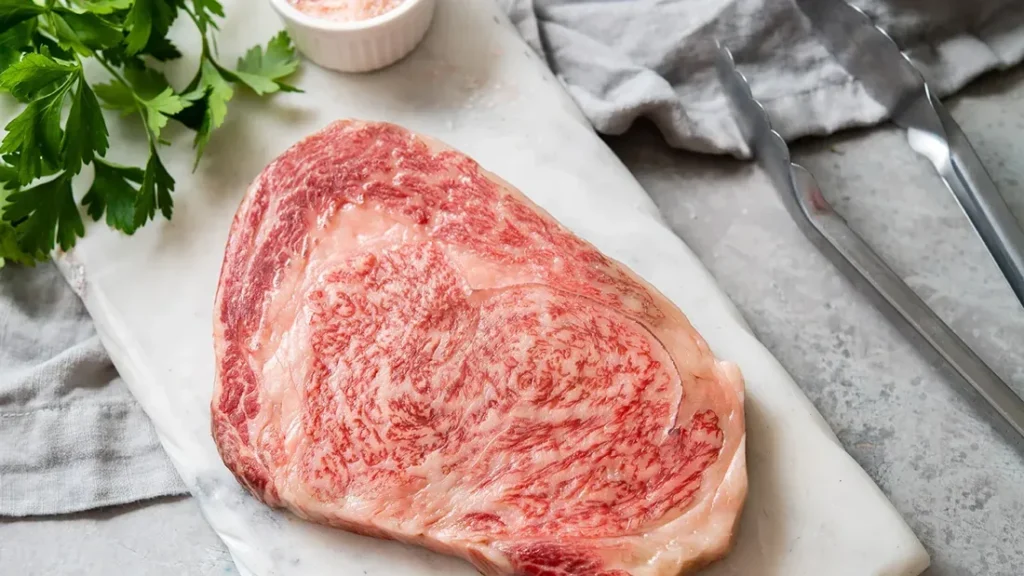
Cuts like ribeye steaks, pork belly, bacon, and heavily marbled beef contain high concentrations of intramuscular fat. According to nutrition experts like Manaker, items such as bacon derive nearly half of their total calories directly from fat.
Nutritional Implication: This does not mean meat lovers must banish steaks or bacon from their plates entirely. Instead, balance is achieved by rotating lean protein sources (like chicken breast, turkey, and white fish) with fatty meats, while rigorously managing portion sizes.
4. Nuts (Brazil Nuts and Pecans): The Plant-Based Paradox
Nuts are widely celebrated as wholesome, nutrient-dense snacks that offer heart-healthy fats, dietary fiber, vitamins, and minerals. They are also frequently turned to by plant-based eaters for protein.
A closer look at specific varieties reveals a heavy tilt toward lipids. A 28-gram serving of Brazil nuts provides roughly 4.05 grams of protein alongside a substantial 19 grams of fat. Similarly, 28 grams of pecans yield about 2.6 grams of protein paired with a staggering 20.4 grams of fat.
Nutritional Implication: While nuts offer incredible health benefits, they should be viewed primarily as healthy fat sources with a protein bonus, rather than primary protein anchors. Enjoying them in small, measured handfuls prevents unintended caloric overages.
5. Eggs: Nature’s Perfectly Balanced Package
Eggs have long been celebrated as the gold standard of biological protein value, containing all nine essential amino acids. However, the common perception that eggs are exclusively a "protein food" overlooks their unique macro-composition.
Clinical dietitian Dru Rosales notes that whole eggs actually feature a relatively balanced ratio of protein to fat. While the egg white is almost pure protein, the nutrient-dense yolk houses the entirety of the egg’s fat content, alongside vital vitamins like B12, D, and choline.
Nutritional Implication: Rather than shunning the yolk out of fear of dietary fat, dieters are increasingly encouraged to consume whole eggs within reason. The fat in the yolk assists in the absorption of fat-soluble vitamins, making eggs a complete, harmonious nutritional package when consumed mindfully.
Official Responses and Expert Recommendations
Dietetic and nutritional associations globally continue to refine their guidelines regarding macronutrient intake. While public health messaging historically targeted fat reduction, contemporary consensus focuses heavily on fat quality and overall energy balance.
The Expert Consensus
- Quality Over Quantity: Registered dietitians emphasize that the fats found in nuts, peanut butter, and whole eggs (monounsaturated and polyunsaturated fats) support cardiovascular and neurological health, unlike trans fats or excessive processed saturated fats.
- Mindful Portions: Experts urge consumers to read nutritional labels carefully. Treating high-protein, high-fat foods as supplementary ingredients rather than mainstays prevents hidden caloric creep.
- Personalized Nutrition: Nutritional advisors remind the public that dietary needs are inherently personal. An endurance athlete burning thousands of calories daily will handle higher fat-and-protein combinations far differently than a sedentary individual with weight-management goals.
Implications: How to Adjust Your Dietary Strategy
Recognizing that many high-protein foods also carry heavy fat loads has practical implications for daily meal planning, grocery shopping, and long-term health outcomes.
1. Avoid Protein Halos
The "health halo" effect occurs when consumers assume a food is universally good for them simply because it bears a "high protein" label. Falling into this trap can lead to consuming hundreds of uncounted calories in fats, stalling weight-loss or body-composition goals.
2. Diversify Protein Sources
To keep fat intake in check while hitting high protein targets, individuals should diversify their plates. Pairing high-fat, high-protein foods with genuinely lean sources—such as Greek yogurt, egg whites, skinless poultry, tofu, tempeh, and white fish—creates a balanced dietary ecosystem.
3. Practice Portion Control
Tools like food scales, measuring spoons, and mindful plating help keep high-fat protein sources in check. Measuring out two tablespoons of peanut butter rather than eating it straight from the jar ensures that dietary fats remain aligned with personal health targets.
Ultimately, cheese, peanut butter, fatty meats, nuts, and eggs have earned their places in healthy diets. By understanding their dual nature as protein and fat powerhouses, consumers can build more sustainable, informed, and nourishing eating habits for the long haul.