Navigating Indonesia’s New Licensing Landscape: A Comprehensive Guide to SIM C, C1, and C2 Regulations
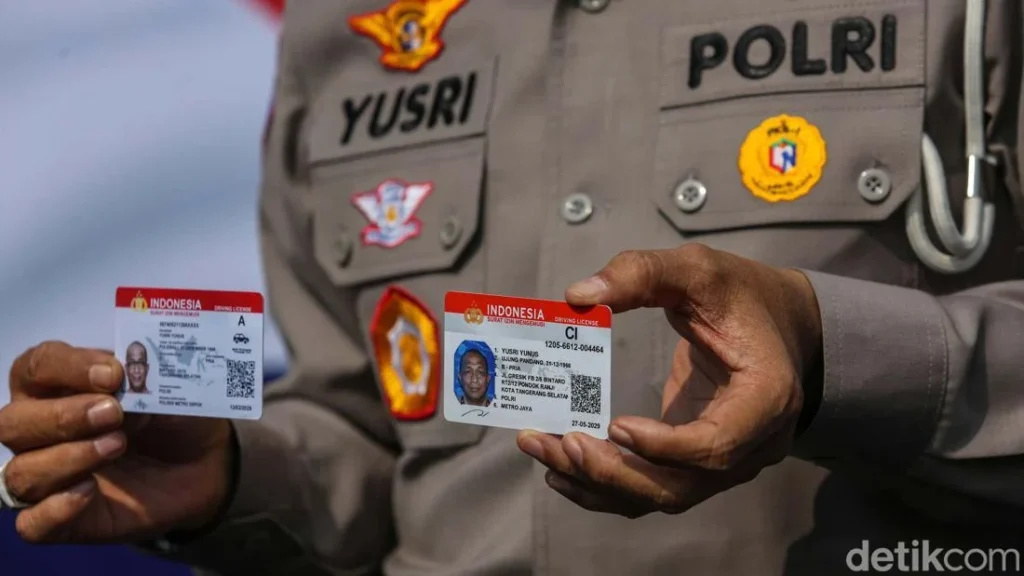
Jakarta – For decades, the Indonesian motorcycling landscape was governed by a singular, universal license: the SIM C. Regardless of whether a rider was navigating tight alleyways on a 110cc scooter or touring the archipelago on a 1,000cc superbike, the requirements remained identical. However, the regulatory framework has shifted significantly. Following the enactment of the Indonesian National Police Regulation (Perpol) Number 5 of 2021, the era of "one-size-fits-all" motorcycle licensing has officially come to an end.
Understanding these new requirements is no longer just a bureaucratic necessity; it is a legal obligation for every rider on the road. As enforcement tightens, riders must be acutely aware of their machine’s engine capacity to ensure they hold the appropriate classification of SIM (Surat Izin Mengemudi).
The Regulatory Framework: Decoding SIM C, C1, and C2
The Indonesian National Police has restructured the SIM C category into three distinct tiers. This stratification is designed to ensure that riders possess the specific skills and temperament required to handle the power-to-weight ratios of larger, more aggressive motorcycles.
1. The Standard SIM C: The Foundation
The basic SIM C remains the requirement for the vast majority of Indonesian road users. It covers motorcycles with an engine capacity of up to 250cc. This category encompasses the most popular commuter vehicles in the country, including the Honda BeAT, Honda Vario, Yamaha NMAX, and Yamaha Aerox. Even "maxi-scooters" like the Honda Forza (249cc) and Yamaha XMAX (249.88cc) fall just beneath the threshold, meaning their owners are legally compliant with a standard SIM C.
2. SIM C1: The Mid-Range Tier
The SIM C1 is the mandatory license for riders operating motorcycles with an engine capacity exceeding 250cc, up to and including 500cc. This category is increasingly relevant as the market for mid-size motorcycles—such as the Honda Rebel 500, Kawasaki Ninja ZX-25R, and various 300-400cc class adventure bikes—continues to grow in Indonesia.
3. SIM C2: The High-Performance Tier
The SIM C2 is the highest classification, reserved for motorcycles with an engine capacity exceeding 500cc. This category specifically targets "moge" (motor gede) or big bikes, such as the Harley-Davidson fleet, large-displacement sportbikes, and premium adventure tourers like the BMW R1250GS.
Chronology of Reform: From Universal to Categorized
The shift toward a tiered licensing system did not happen overnight. It is the culmination of a multi-year effort by the Indonesian traffic authorities (Korlantas Polri) to modernize road safety standards.
- 2021: The Legal Foundation. The issuance of Perpol No. 5 of 2021 established the legal framework for the three-tiered system. This regulation laid out the vision for specific skill sets tied to engine displacement.
- 2023-2024: Infrastructure and Readiness. For several years following the regulation’s passage, the focus was on preparing the necessary testing facilities, procuring specialized motorcycles for practical exams, and training police examiners to assess the handling of larger displacement bikes.
- Mid-2024: Mandatory Implementation. The authorities signaled a transition from the socialization phase to full enforcement. Riders were urged to upgrade their licenses as the grace period for the "standard" SIM C began to sunset for owners of high-displacement machines.
Supporting Data: Why Displacement Matters
The rationale behind this policy is rooted in vehicle dynamics. A 110cc automatic scooter produces roughly 8-9 horsepower, while a 1,000cc sportbike can easily exceed 200 horsepower. The braking distances, acceleration curves, and weight distribution of these machines are vastly different.
According to traffic safety experts, the "stepping stone" approach—requiring riders to master a 250cc machine before graduating to a 500cc, and then to an unlimited class—mirrors successful licensing systems used in the European Union and Japan. By forcing a graduated progression, the state aims to reduce accidents caused by riders who are technically capable of operating a motorcycle but lack the defensive riding instincts required for high-speed, high-torque environments.
Official Responses and Administrative Procedures
The Indonesian National Police have been clear in their communication: this is not merely a revenue-generating scheme, but a safety initiative. However, the transition has raised questions regarding the administrative burden on the public.
How to Upgrade Your License
The process to "level up" one’s SIM is intentionally rigorous:
- Waiting Period: A rider cannot simply jump from a standard SIM C to a SIM C2. One must hold a SIM C for at least 12 months to apply for a C1. Subsequently, one must hold a SIM C1 for at least 12 months before being eligible to test for a C2.
- Testing: The upgrade process is not a mere administrative formality. Applicants are required to pass both a new theoretical exam—which covers advanced traffic laws and big-bike handling physics—and a practical exam.
- Practical Skill Assessment: The practical test for C1 and C2 involves specialized maneuvers on bikes that match the class of the license being applied for. This ensures that the rider is comfortable with the weight, clutch control, and turning radius of larger motorcycles.
Implications for the Indonesian Motorcycle Market
The implementation of the C1 and C2 licenses will likely reshape the Indonesian motorcycle market in three key ways:
1. Shift in Consumer Purchasing Behavior
Prospective buyers may now factor in the "license cost" and the time investment required to legally ride a big bike. This could potentially slow down the impulse purchase of 500cc+ bikes among younger riders, encouraging a more measured approach to high-performance motorcycle ownership.
2. Growth in Riding Schools and Training Centers
With the government emphasizing the practical test, there is a burgeoning opportunity for private, certified motorcycle training schools. These institutions can play a vital role in helping riders develop the skills necessary to pass the police exams, effectively acting as a bridge between the showroom and the street.
3. Increased Enforcement and Road Safety
In the short term, motorists can expect to see an increase in "Operasi Patuh" (Compliance Operations) where police checkpoints specifically screen for license-engine displacement alignment. This will undoubtedly lead to a decrease in unlicensed big-bike usage, as the risk of heavy fines and vehicle impoundment becomes a deterrent.
Critical Analysis: Challenges Ahead
While the intent of the regulation is commendable, several challenges remain:
- Accessibility of Testing: For riders outside major metropolitan areas like Jakarta, Surabaya, or Medan, access to the specialized motorcycles required for the C1/C2 practical tests may be limited. The police must ensure that these testing units are distributed equitably across the archipelago.
- Cost and Transparency: As with any new bureaucratic requirement, concerns regarding the transparency of the testing process persist. The National Police must maintain high standards of integrity to ensure that the licensing process is merit-based rather than transactional.
- Public Awareness: While the media has been active in broadcasting these changes, a significant portion of the riding population—particularly in rural areas—may still be unaware of the distinction between the C1 and C2 classifications. Sustained, localized outreach programs are essential to ensure full compliance.
Conclusion: A Step Toward Professionalism
The transition to a tiered SIM system marks a maturation of Indonesia’s motorcycling culture. By aligning the license with the technical demands of the machine, the government is moving toward a more professional and safety-conscious road environment.
For the average rider, the message is simple: know your engine capacity, respect the learning curve, and invest in the necessary training. As the infrastructure for these tests continues to improve, the goal is not to make riding difficult, but to make it safer for everyone on the road. The era of the big bike in Indonesia is no longer just about the thrill of the ride; it is about the responsibility that comes with the power of the machine.
Whether you are a daily commuter on a 150cc scooter or a weekend warrior on a 1,000cc cruiser, the new regulations are a reminder that road safety is a shared responsibility—one that begins with the card in your wallet and ends with the decisions you make on the tarmac.
Data Source: Based on Perpol No. 5 of 2021 concerning the Issuance and Marking of Driving Licenses.