Mount Semeru Hiking Trails to Close Temporarily for Yadnya Karo Rituals: A Comprehensive Guide for Travelers
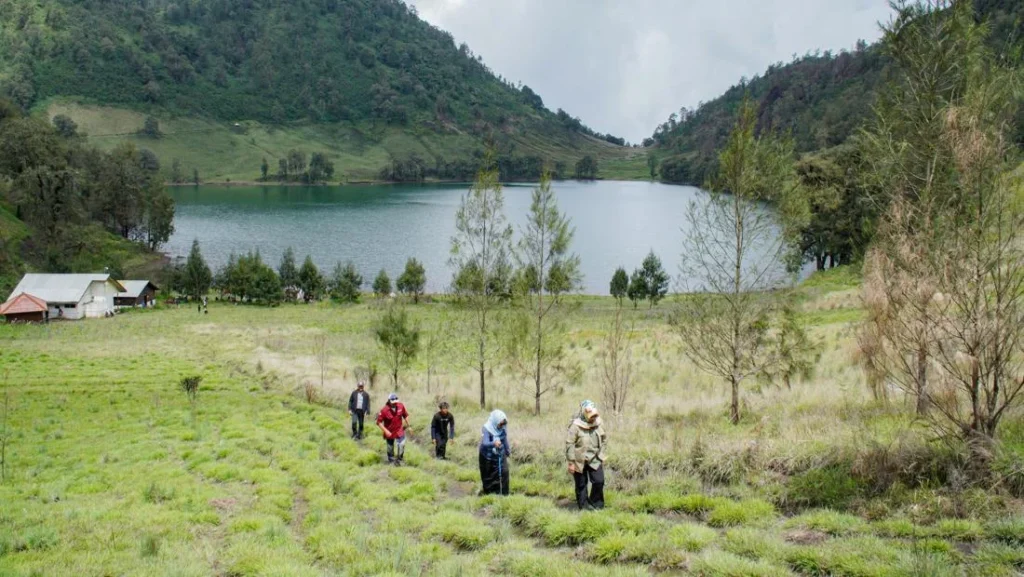
JAKARTA – Mountaineers and adventure enthusiasts planning to conquer the peak of Java, Mount Semeru, are advised to adjust their itineraries immediately. The Balai Besar Taman Nasional Bromo Tengger Semeru (BB TNBTS) has officially announced a temporary closure of all hiking activities on the mountain throughout the early part of August 2026. This measure is being implemented to honor and facilitate the sacred Yadnya Karo, a major religious and cultural festival observed by the indigenous Tengger community.
As the highest peak in Java, Mount Semeru is a bucket-list destination for thousands of local and international hikers annually. However, the sanctity of the surrounding landscape, particularly the village of Ranupani, takes precedence during the holy month of the Tengger calendar.
1. Main Facts: The Closure Timeline
The decision, which was finalized following extensive consultations with local authorities, entails a complete suspension of hiking permits for a duration of 12 days.
- Closure Period: Friday, August 7, 2026, to Tuesday, August 18, 2026.
- Reopening Date: Wednesday, August 19, 2026.
- Booking Platform: All future reservations remain managed via the official portal at bromotenggersemeru.id.
The BB TNBTS has set a strict "cutoff" point for current hikers. No new ascents will be permitted after Thursday, August 6. Furthermore, all mountaineers currently on the trails are mandated to descend and reach the Ranupani base camp no later than Friday, August 7, at 16:00 WIB (Western Indonesian Time).
2. Chronology: From Community Request to Official Policy
The policy was not an arbitrary decision by the park management but rather a collaborative effort between the government and the community. The trajectory of this decision can be traced back to late June 2026.
Late June 2026: The Government of Ranupani Village submitted a formal request to the BB TNBTS. The request emphasized the need for a "spiritual buffer zone" to allow the Tengger community to conduct their rituals without the interference of tourism-related noise or logistics.
Early July 2026: Following a review of the request, park authorities conducted a series of dialogues with the Lembaga Adat (Indigenous Council) of the Tengger tribe. The objective was to balance the economic impact of tourism with the preservation of ancestral traditions.
July 3, 2026: The Head of BB TNBTS, Rudijanta Tjahja Nugraha, formally signed the decree. The announcement was released to the public shortly thereafter, providing hikers a one-month grace period to adjust their travel plans and logistics.
3. The Significance of Yadnya Karo
To understand the necessity of this closure, one must understand the cultural weight of the Yadnya Karo festival. For the Tenggerese, Mount Semeru is not merely a mountain; it is the Mahameru, the abode of the gods and a source of spiritual energy.
Yadnya Karo is one of the most important ceremonies in the Tengger lunar calendar. It represents a celebration of the creation of the universe and an act of gratitude toward the Creator. The rituals involve elaborate offerings, communal prayers, and a series of sacred processions that begin in the villages and extend toward the mountain slopes.
By closing the trails, the authorities are ensuring that the village of Ranupani—the primary gateway to the mountain—remains a space of solemnity. The influx of hikers, while vital for the local economy, often creates traffic, waste management challenges, and noise levels that are incompatible with the silent, meditative nature of the Yadnya Karo ceremonies.
4. Official Responses and Management Perspectives
In a statement issued on July 3, 2026, the Head of BB TNBTS, Rudijanta Tjahja Nugraha, emphasized the importance of cultural preservation over tourism revenue.
"This temporary closure is a profound expression of our respect for the Tenggerese people and their traditions in Ranupani village," said Nugraha. "Our primary goal is to ensure that the sacred ceremonies, which are intrinsically linked to the landscape of Mount Semeru, can proceed with the required solemnity, safety, and order. We thank the hiking community for their understanding and cooperation in respecting these ancestral customs."
Furthermore, the Ranupani village administration and the local Indigenous Council have expressed their gratitude for the cooperation of the park management. They noted that the closure also serves a logistical purpose: preventing potential friction between the thousands of tourists and the local residents who are occupied with their religious duties.
5. Implications for Travelers and Mitigation Strategies
The announcement has undoubtedly caused logistical headaches for some, particularly those who have been planning their trek for months. However, the BB TNBTS has introduced several mitigation measures to minimize the negative impact on the public.
Accessibility During the Closure
It is important to note that the closure is strictly for the hiking trails leading to the peak of Semeru. Other areas within the Bromo-Tengger-Semeru National Park will remain open.
- Daily Tourism: Standard sightseeing activities in the wider national park area remain operational.
- Ranu Regulo: Camping and recreational activities at Ranu Regulo, a nearby lake, will continue to be open to the public. This allows visitors who have traveled long distances to still enjoy the natural beauty of the region without violating the sacred zones of the village.
Rescheduling and Compensation
For those whose plans are directly affected—including those who were previously caught in the aftermath of the 2025 Semeru eruptions and had already rescheduled their trips—the park authorities have pledged to prioritize their bookings.
- Priority Rescheduling: Hikers affected by the August closure will be given priority slots once the mountain reopens on August 19.
- Communication Protocol: The administration is utilizing a direct communication channel. Affected group leaders will receive notifications via WhatsApp, detailing the process for selecting new dates. The park urges all climbers to monitor their registered contact numbers closely.
6. Sustainable Tourism and Future Outlook
The decision to close the mountain for cultural reasons is a hallmark of the shift toward "Sustainable and Respectful Tourism" in Indonesia. As popular destinations worldwide struggle with over-tourism, the approach taken by the BB TNBTS offers a blueprint for how national parks can exist in harmony with indigenous populations.
Protecting the Ecosystem
Beyond the cultural aspect, the 12-day closure serves an unintended but positive environmental purpose. The trails of Mount Semeru suffer from heavy foot traffic, which leads to soil erosion and the accumulation of waste. A brief, total "rest" period allows the local ecosystem to recover, ensuring that the mountain remains a viable destination for future generations.
Community Commitment
The villagers of Ranupani have committed to ensuring the security and cleanliness of the area during the festival. By collaborating with the park rangers, the village ensures that the spirit of gotong royong (communal cooperation) remains the guiding principle during the closure period.
7. Essential Tips for Prospective Hikers
For those planning to visit after the reopening on August 19, 2026, keep the following in mind to ensure a smooth experience:
- Monitor the Official Website: Always check bromotenggersemeru.id for real-time updates. Weather conditions and volcanic activity can change rapidly, and the park management frequently issues last-minute notices.
- Respect Cultural Zones: If you are visiting the area during the festival but are not planning to hike the peak, please be mindful of local customs. When entering villages, dress modestly and avoid intrusive photography during prayer sessions.
- Preparation is Key: Semeru is a high-altitude climb. With the influx of hikers expected after August 19, ensure your physical conditioning and gear are in top shape before your arrival.
- Waste Management: Remember the "Leave No Trace" policy. The Tenggerese consider the mountain sacred; treating the environment with respect is the highest form of homage to both the land and its people.
Conclusion
The temporary closure of Mount Semeru is a reminder that travel is a privilege, not a right. By pausing their activities for the Yadnya Karo, the hiking community honors the deep, ancestral roots of the Tengger people, who have acted as the guardians of the mountain for centuries. While the suspension of activities may be inconvenient, it ensures that the cultural fabric of the region remains intact, allowing the mountain to remain a site of beauty and spiritual significance for years to come.
For further inquiries or to verify your status, please contact the official BB TNBTS information center. Be sure to finalize your plans for the late-August window, as slots are expected to fill up rapidly following the reopening.