Beyond the Myth: Unveiling the Secrets of Gorontalo’s Ancient Otanaha Fortress
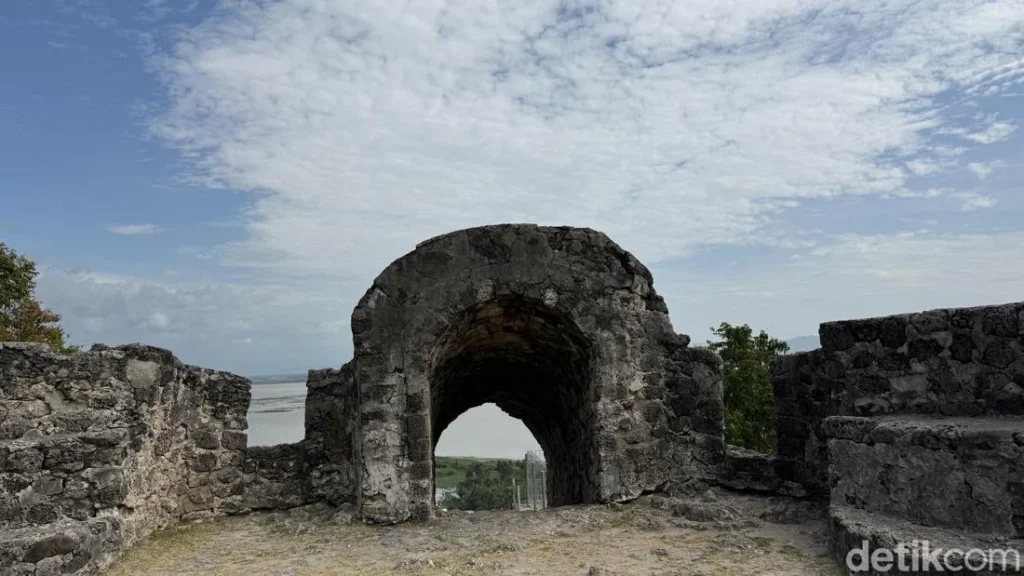
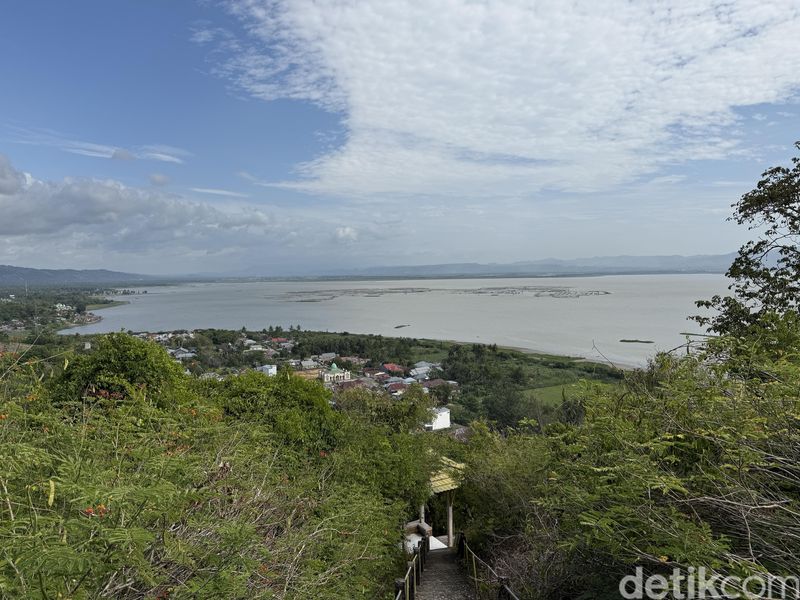
In the heart of Gorontalo, nestled upon the rugged hills overlooking the serene expanse of Lake Limboto, lies a silent sentinel of history: the Otanaha Fortress. Often romanticized in local lore as a feat of ancient engineering held together by the protein-rich mortar of maleo bird eggs, this site is more than just a collection of stone structures. It is a testament to a complex era of maritime trade, colonial ambition, and the enduring legacy of local legends.
While popular myths have long whispered that the mortar used in its construction was fortified with the whites of eggs, modern scientific inquiry suggests a more pragmatic, yet equally fascinating, reality. As Gorontalo continues to position itself as a premier destination for cultural tourism, the Otanaha complex stands as a poignant reminder of the necessity to balance the preservation of historical integrity with the allure of storytelling.
A Legacy Carved in Stone: The Origins of Otanaha
The history of the Otanaha Fortress dates back to the early 16th century, a period marked by the burgeoning influence of European maritime powers in the Indonesian archipelago. Constructed around 1522, the fort was born from a strategic alliance between the local monarch, Raja Ilato, and Portuguese sailors who sought a stronghold in the waters of Gorontalo.
According to Arief Setiawan, a dedicated guardian of the site from the Office of Cultural Preservation in Gorontalo, the fortress was not merely a symbol of authority but a critical tactical asset. "The construction in 1525 was initiated by Raja Ilato in collaboration with the Portuguese fleet commanders who were patrolling the waters," Arief explained. "These three fortresses—Otanaha, Otahiya, and Ulupahu—were built as a unified system for defense, security, and strategic surveillance against pirates and rival interests in the region."
The location was chosen with military precision. Perched on a hillside, the fort provided an unobstructed vantage point over the strategic trade routes and the vital waters of Lake Limboto, ensuring that any approaching vessels could be identified long before they reached the shore.
The Tragic Tapestry: Why Three Forts?
One of the most compelling aspects of the Otanaha complex is its nomenclature. The three structures, each shaped like a cylinder and oriented toward different wind directions, bear names deeply rooted in the tragedy of the royal family.
The story, as told by local historians, centers on Naha, the son of Raja Ilato. Naha was a legendary figure, known for his adventurous spirit and his eventual rediscovery of the fort. After marrying a woman named Ohihiya and fathering two sons, Pahu and Limono, Naha found himself embroiled in a bitter conflict against a rival named Hemuto to secure the territory.
In the ensuing battles, both Naha and his son Pahu were killed. The burden of vengeance fell upon the youngest, Limono, who eventually defeated Hemuto, securing the legacy of his family. To honor their sacrifice, the three fortresses were named after the fallen and their matriarch:
- Otanaha: Named in honor of Naha.
- Otahiya: Named after his wife, Ohihiya.
- Ulupahu: Named for his son, Pahu.
Today, these three structures stand as silent witnesses to that turbulent era, offering visitors not just a history lesson, but an emotional connection to the past.
Debunking the Egg-Mortar Myth
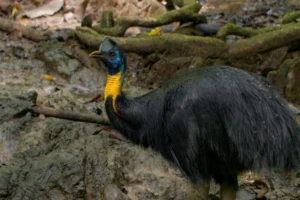
Perhaps the most persistent narrative surrounding the fortress is the claim that the mortar used to bind the stones consists of maleo bird egg whites. For decades, this "egg-white mortar" theory has been a staple of tourist brochures and local folklore, painting a picture of exotic, artisanal construction.
However, scientific examination has recently challenged this narrative. Arief Setiawan confirms that while the legend is culturally significant, it is not supported by geological or archaeological evidence.
"The historical narrative circulating on social media and among the public—that the fortress was built using mountain rocks, coral, and lime, mixed with the egg whites of the maleo bird—has been subject to our deeper investigations," Arief noted.
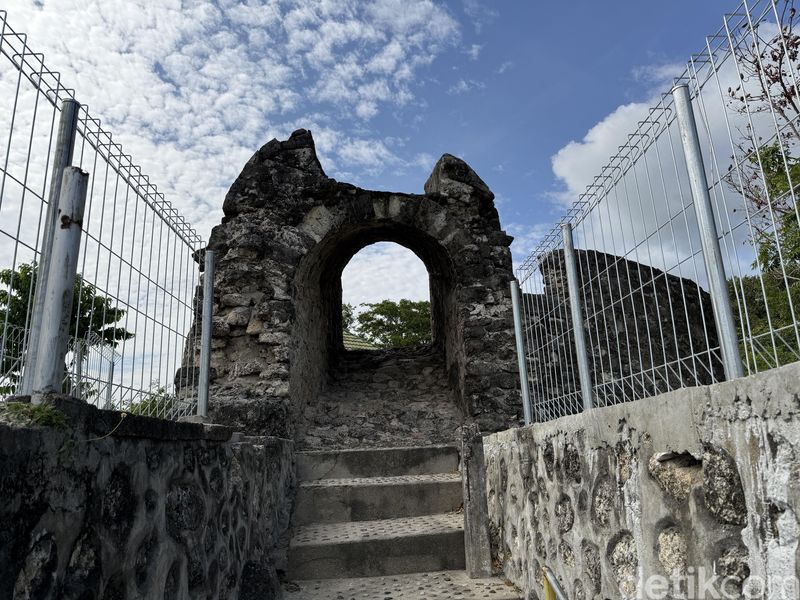
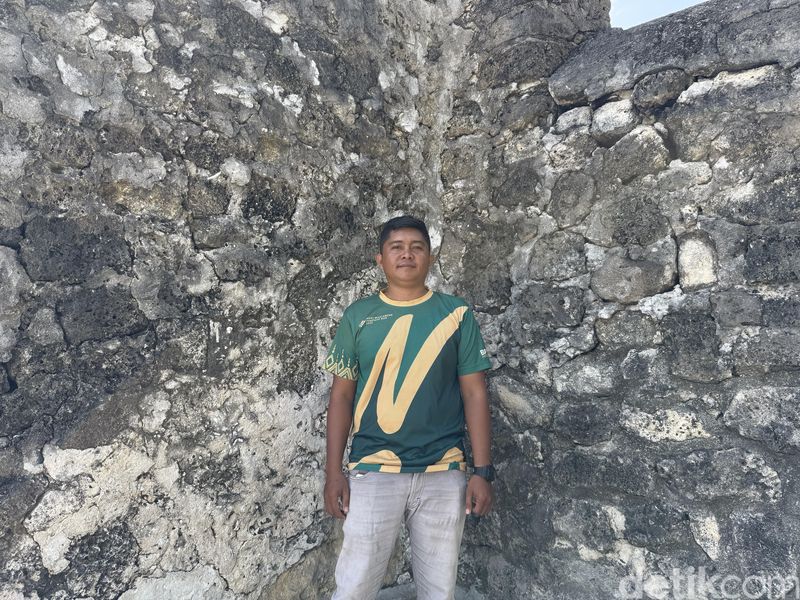
His analysis suggests that the fortress is primarily constructed from sedimentary rock, limestone coral, and volcanic andesite. The "mortar" used by the ancient builders was likely a mixture of crushed and refined limestone, which, when carbonated, acts as a powerful natural cement. The presence of crushed coral and shell fragments in the visible joints of the masonry confirms this theory.
"We have not found any evidence to confirm the presence of egg whites in the structural composition," Arief clarified. This revelation serves as an important step in the professionalization of the site’s heritage, shifting the narrative from whimsical myth to a genuine appreciation of ancient indigenous engineering.
Preservation and Modern Challenges
The Otanaha Fortress has undergone significant transitions in the modern era. Between 1978 and 1981, the site underwent two major restoration phases to preserve its structural integrity. Despite these efforts, the site remains at a crossroads regarding its official recognition.
Currently, the Office of Cultural Preservation is actively pursuing the status of "National Cultural Heritage" for the site. A previous application was denied, but local authorities are optimistic that with revised data and more rigorous documentation, the site will receive the national designation it deserves.
The challenge, however, is twofold: physical maintenance and visitor management. The fort stands at an elevation that offers stunning sunset views over Lake Limboto, making it a hotspot for tourism. Yet, this popularity brings risks. Authorities have strictly prohibited visitors from climbing onto the structures. Even though the walls are only three meters high, the potential for structural damage is significant.
"These buildings are cultural heritage sites that we must maintain for future generations," Arief emphasized. "We urge visitors to enjoy the history and the views without compromising the safety or the physical state of the monuments."
The Traveler’s Experience: Then and Now
For the modern traveler, the journey to Otanaha is a transition from the physical to the historical. In the past, the only way to reach the summit was via the "1,000 steps"—a challenging trek comprising 358 steps with four designated rest stops. While the stairs remain as a testament to the endurance required of the original guards, modern infrastructure has made the site significantly more accessible.
Today, visitors can drive to the vicinity, with ample parking provided for both motorcycles and cars. The site is open daily from 6:00 AM to 6:00 PM WITA, with a modest entry fee of Rp 10,000 for domestic tourists and Rp 25,000 for international visitors.
This accessibility has turned Otanaha into one of Gorontalo’s most vital cultural landmarks. Whether one is a history buff, a photographer seeking the perfect sunset, or a student of architecture interested in 16th-century fortification techniques, the site offers a multifaceted experience.
The Implications for Cultural Heritage
The ongoing discourse surrounding the Otanaha Fortress is a microcosm of a broader challenge in Indonesian heritage management: how to reconcile the romanticism of local myths with the demands of scientific accuracy.
The debunking of the "egg-mortar" myth does not diminish the value of the Otanaha Fortress; rather, it elevates it. By recognizing the true nature of the limestone-based construction, we pay homage to the sophistication of the builders who understood the properties of local geological materials long before the advent of modern cement.
As the fortress moves toward achieving national recognition, the focus remains on education. By providing transparent, evidence-based information, the caretakers at Otanaha are ensuring that the site remains a credible institution of history.
In the coming years, the goal is to integrate the fortress more deeply into the regional economy, not as a static relic, but as a dynamic educational hub. With the combination of breathtaking natural vistas, a poignant dynastic story, and a deeper understanding of ancient construction techniques, the Otanaha Fortress is poised to remain the jewel of Gorontalo’s historical tourism.
For those planning to visit, remember: the true magic of Otanaha is not in the ingredients of its mortar, but in the strength of the stones that have survived five centuries of change, war, and the relentless passage of time. When you stand at the top of those hills, looking out over the water, you aren’t just looking at a view; you are looking at a story that, despite the myths, is far more resilient than legend could ever capture.