
The Science of Preservation: Mastering Banana Storage to Prevent Premature Spoilage
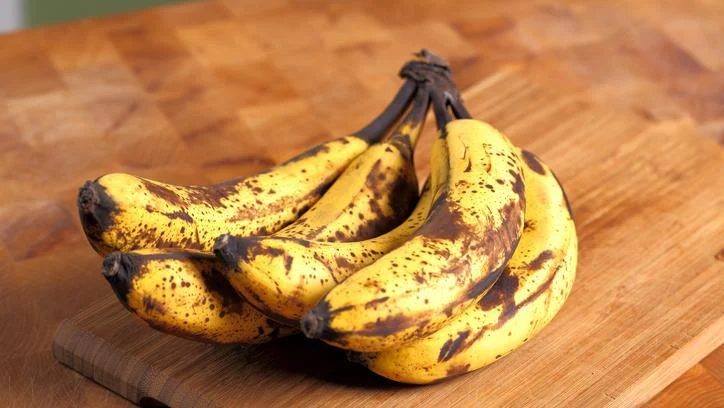
JAKARTA – Bananas are among the most popular tropical fruits globally, prized for their creamy texture, high potassium content, and natural sweetness. However, many households grapple with a common culinary frustration: the rapid transition of bananas from a vibrant yellow to a mushy, dark brown state within mere days of purchase. This phenomenon not only leads to significant food waste but also diminishes the nutritional enjoyment of the fruit.
According to recent insights from food hygiene experts, the key to extending the shelf life of bananas lies not in complex preservation methods, but in understanding the botanical biology of the fruit and optimizing the environment in which it is stored.
Main Facts: The Biology of Banana Ripening
At the core of the banana’s rapid ripening process is a natural plant hormone known as ethylene gas. Ethylene is a hydrocarbon that acts as a ripening agent in many fruits. In the case of bananas, they are "climacteric" fruits, meaning they continue to ripen even after they have been harvested.
The primary takeaway for consumers is that ethylene gas is highly contagious. When one banana in a bunch begins to ripen, it releases ethylene into the air, which then triggers the surrounding bananas to ripen at an accelerated rate. If the gas is trapped, the process becomes exponential. Therefore, the strategic management of air circulation and proximity to other produce is essential for any kitchen-conscious consumer.
Chronology of Decay: From Purchase to Spoilage
To understand how to manage bananas, one must observe their lifecycle from the point of purchase:
- The Procurement Phase: Many consumers inadvertently accelerate the ripening process at the grocery store. Buying bananas pre-packaged in plastic bags is a major error. Plastic traps ethylene gas and humidity, creating a "hot zone" that can turn a green banana brown in as little as 24 to 48 hours.
- The Immediate Post-Purchase Window: Upon bringing bananas home, the environment they are placed in dictates their longevity. If left in a warm, humid kitchen or a stagnant air environment, the enzymes responsible for cell wall breakdown begin to work rapidly.
- The Peak Ripeness Period: Once the banana reaches its desired level of sweetness—usually characterized by a bright yellow skin—it enters a state where cellular structure begins to soften.
- The Over-Ripening Stage: Beyond the optimal window, the skin darkens due to the oxidation of phenolic compounds. While the fruit remains edible, the texture becomes compromised for snacking, though it may still be useful for baking.
Supporting Data: Expert Recommendations and Best Practices
Experts from the field of food hygiene, such as those at High Speed Training, have provided empirical guidance on how to manipulate the environment to slow down the metabolic clock of the banana.
The Myth of the Fruit Bowl
While the classic fruit bowl is a staple of kitchen aesthetics, it is often the worst place to store bananas. Placing bananas in a bowl—especially one shared with other ripening fruits like apples or avocados—creates an "ethylene trap." These fruits share a feedback loop; the apples release ethylene, which hits the bananas, which release more ethylene, creating a domino effect of spoilage.
Temperature and Light Control
Temperature is the single most significant external variable. Bananas should be stored at room temperature, but in a specific location:
- Avoid Heat Sources: Never place bananas near ovens, toasters, or dishwashers. These appliances create localized warm zones that trick the fruit into accelerating its ripening metabolism.
- Avoid Direct Sunlight: UV rays and radiant heat can damage the skin and increase internal temperatures.
- Optimal Airflow: Bananas should be kept in an area with good air circulation to allow ethylene gas to dissipate rather than concentrate.
The "Stem Wrapping" Technique
Perhaps the most effective household hack is the targeted isolation of the stem. Since the majority of ethylene gas is released through the crown of the banana, wrapping the stem in plastic wrap or aluminum foil can act as a barrier. This significantly slows the release of the gas, which in turn preserves the firmness of the fruit for several additional days.
Official Perspectives: Managing the Environment
Industry experts emphasize that "food hygiene" is not just about cleanliness, but about the environmental conditions of the storage space.
"The goal is to inhibit the interaction between the fruit and the ripening agent," notes one food scientist. By separating the bananas from the bunch—literally pulling them apart—you reduce the total concentration of ethylene in a single cluster. When the bananas are separated, the gas emitted by one does not immediately concentrate around the stems of its neighbors.
Furthermore, the debate regarding refrigeration remains a topic of interest. While many believe the cold kills the flavor, experts suggest that refrigeration is actually an excellent tool for longevity—provided the timing is correct. Once a banana has reached the desired level of ripeness, placing it in the refrigerator can stall the ripening process for up to two weeks. While the skin may turn black due to the cold, the interior fruit remains firm and protected.
Implications: The Broader Impact on Food Waste
The implications of improper storage extend far beyond a single household’s breakfast. Food waste is a significant global issue, and fruit spoilage accounts for a massive percentage of domestic organic waste.
Economic and Environmental Costs
When consumers purchase fruit only to discard it prematurely, they are effectively throwing away their food budget. On a larger scale, the energy and resources—water, transport, and refrigeration—spent on producing, harvesting, and shipping those bananas are squandered.
Nutritional Considerations
It is vital to note that "brown" does not necessarily mean "bad." While the aesthetics of a brown-spotted banana may not be appealing for a lunchbox, the fruit inside is often at its highest sugar concentration. This is the ideal stage for culinary applications, such as banana bread, smoothies, or pancakes. Understanding that the banana is not "spoiled" but simply "highly matured" can change how households manage their inventory.
A Call for Kitchen Awareness
By adopting these simple, scientifically backed habits, households can drastically reduce their waste output:
- Shop Smart: Choose loose, individual bananas rather than pre-wrapped bundles.
- Separate and Conquer: Divide the bunch immediately upon arriving home.
- Seal the Stem: Utilize plastic wrap to stifle ethylene release.
- Strategic Chilling: Use the refrigerator as a "pause button" once the fruit reaches the peak of its ripeness.
In conclusion, the journey of a banana from the plantation to the kitchen counter is long and resource-intensive. By respecting the biological requirements of the fruit and utilizing the storage techniques outlined by experts, consumers can enjoy the full nutritional value of their purchase, reduce unnecessary waste, and contribute to a more sustainable kitchen environment. The solution is rarely in expensive gadgets or complex chemical additives, but in the intelligent application of basic physics and biology.