
Sculpting Your Core: A Comprehensive Guide to Effective Home-Based Abdominal Training
Jakarta – For many, the midsection remains one of the most stubborn areas to tone. While popular fitness culture often emphasizes high-intensity gym sessions, the reality of modern, fast-paced living means that many people struggle to find the time or resources for a full-scale gym membership. However, the pursuit of a tighter, more resilient core does not necessarily require heavy equipment or an expensive training facility.
Recent developments in fitness science suggest that consistency, rather than intensity, is the true catalyst for abdominal definition. By integrating specific, targeted movements into your daily routine—even from the comfort of your own mattress or a simple floor mat—you can significantly improve your core strength, posture, and metabolic rate.
The Science of Core Transformation
It is a common misconception that spot-reduction of fat is possible. Scientific consensus maintains that while you cannot choose exactly where your body burns fat, you can build the musculature beneath the fat layer. As you strengthen your transverse abdominis, rectus abdominis, and obliques, these muscles become more defined and firm.
Furthermore, engaging in regular core-strengthening exercises elevates your basal metabolic rate (BMR). When the body utilizes more energy to maintain and repair muscle tissue, it promotes systemic fat loss, which eventually reflects in a leaner waistline.
Chronology of an Effective Routine: A Systematic Approach
To see real results, one must approach home exercise with the same discipline as a professional athlete. The following movements are designed to be performed in sequence, targeting the core from multiple angles to ensure comprehensive development.
1. Bicycle Crunch: The Multi-Dimensional Challenger
The bicycle crunch is widely regarded by physical therapists as one of the most effective exercises for the rectus abdominis and the obliques.
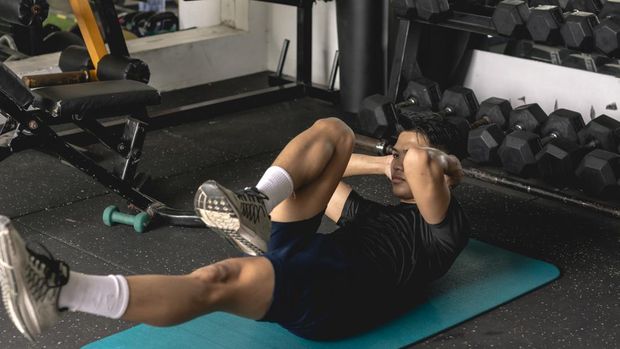
- The Execution: Lie flat on your back, hands behind your head. Lift your legs into a tabletop position. As you crunch up, rotate your torso to bring your right elbow toward your left knee while extending the right leg. Alternate in a fluid, cycling motion.
- Why it works: By incorporating a rotational element, you engage the obliques, which are crucial for that "sculpted" look.
2. Flutter Kicks: Targeting the Lower Abs
Often the "trouble zone" for many, the lower abdominal region is best engaged through leg-centric movements.
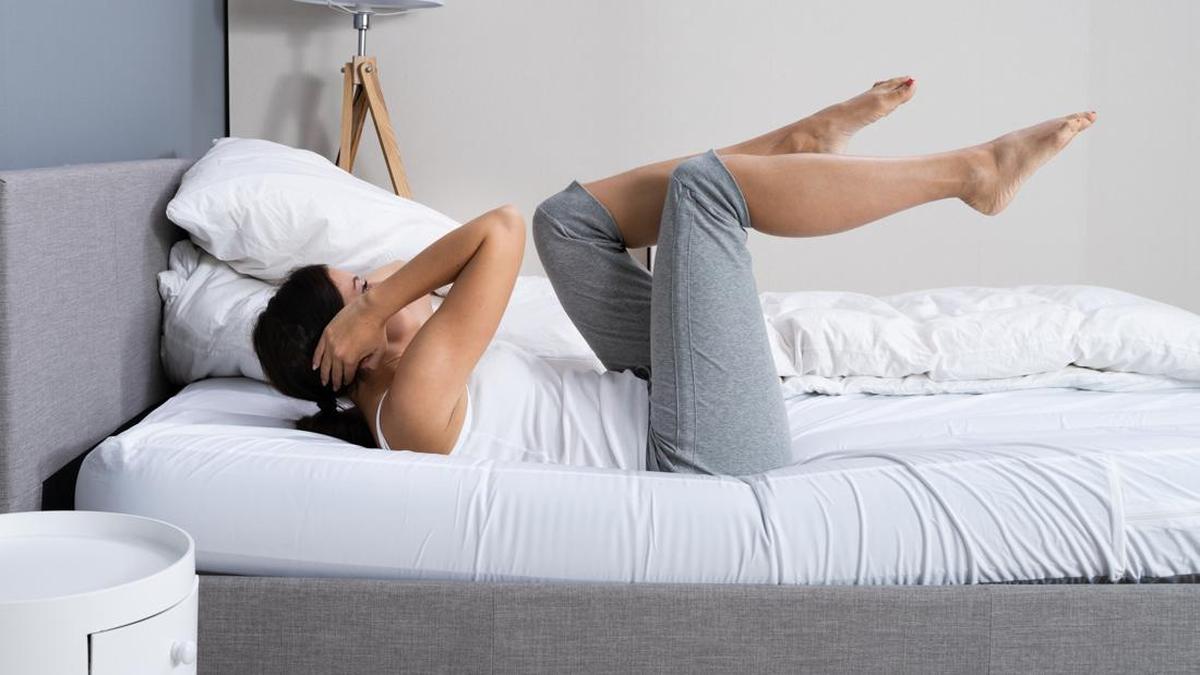
- The Execution: Lie on your back with your arms by your sides. Lift both legs slightly off the ground and alternate small, rapid vertical kicks. Keep your lower back pressed firmly against the mat to avoid strain.
- The Benefit: This movement challenges the hip flexors and the lower core simultaneously, forcing the muscles to stabilize the body against gravity.
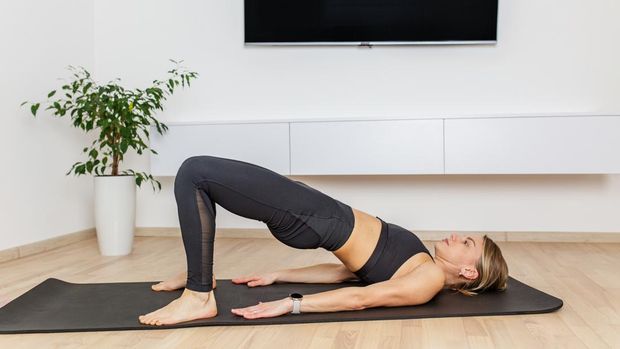
3. Glute Bridge: Beyond the Glutes
While primarily a posterior chain exercise, the glute bridge is essential for abdominal health.
- The Execution: Lie on your back, knees bent, feet flat on the floor. Lift your hips toward the ceiling, squeezing your glutes and engaging your core at the peak of the movement.
- The Implication: A strong core requires a strong base. By strengthening the glutes and lower back, you improve your overall posture, which naturally makes the abdomen appear flatter and more toned.
4. Leg Raises: The Foundation of Strength
This is a classic movement for isolating the lower rectus abdominis.
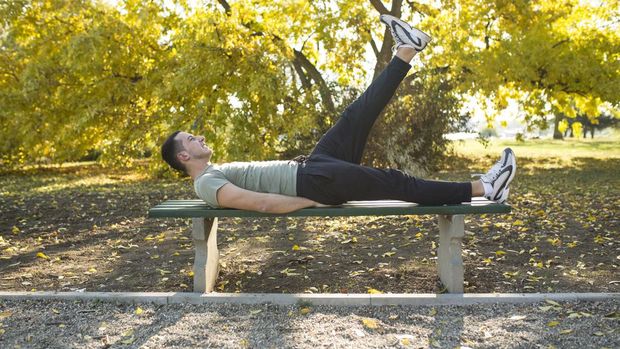
- The Execution: Lie flat with your legs fully extended. Slowly lift your legs to a 90-degree angle, keeping them straight, and then lower them slowly back down without letting them touch the floor.
- The Impact: The slow, controlled descent is where the muscle fibers are most engaged, making this a highly efficient movement for hypertrophy.
5. Toe Touch: Increasing Intensity
For those ready to advance their training, the toe touch provides a greater range of motion and core engagement.
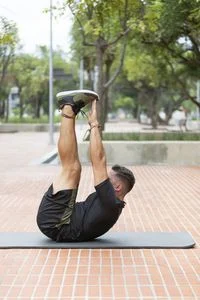
- The Execution: Lie on your back, extend your legs toward the ceiling. Reach your hands toward your toes by lifting your shoulder blades off the ground, engaging the upper and middle abdominals.
- Why it’s effective: It requires significant coordination and core stability, making it a high-utility movement for those who have mastered standard crunches.
6. Reverse Crunches: Protecting the Spine
The reverse crunch flips the traditional movement to focus on the lower core while being significantly kinder to the neck and cervical spine.
- The Execution: Lie on your back with your knees bent. Instead of lifting your chest, use your lower abs to pull your knees toward your chest, lifting your hips slightly off the floor.
- Long-term Benefits: By strengthening the lower back and core, you mitigate the risk of lumbar pain, a common ailment for those with sedentary desk jobs.
Supporting Data: Why Lifestyle Matters
While these exercises are powerful, they function best when supported by a holistic lifestyle. According to fitness experts, nutrition accounts for roughly 70-80% of abdominal visibility. A caloric deficit—achieved through a diet rich in protein, fiber, and whole foods—is necessary to reveal the muscle definition built by these exercises.
Furthermore, hydration and sleep play critical roles. Lack of sleep increases cortisol levels, a hormone linked to fat storage in the abdominal area. Therefore, a consistent sleep schedule of 7-9 hours is just as vital as your morning workout.
Expert Perspectives and Official Guidelines
Health organizations, such as the American Council on Exercise (ACE), emphasize that "core stability" is more important than "six-pack abs." A strong core acts as a stabilizer for the entire body, reducing the incidence of chronic back pain and improving athletic performance in other areas.
Physical therapists frequently note that the primary mistake individuals make is "speeding through" the repetitions. Effective abdominal training should be slow, controlled, and focused on the mind-muscle connection. If you are rushing through these movements, you are likely using momentum rather than muscle tension, which significantly reduces the efficacy of your workout.

Implications for Daily Life
The decision to incorporate these six movements into your daily life extends far beyond vanity. A strong core translates to:
- Improved Posture: Preventing the "slouch" that makes the stomach look more prominent than it actually is.
- Reduced Injury Risk: A stable trunk protects the spine during heavy lifting or sudden movements in daily life.
- Enhanced Confidence: The physical transformation that comes with a toned core often leads to a more active, health-conscious lifestyle overall.
Final Recommendation
To maximize the benefits of this routine, aim for 3-4 sets of 15-20 repetitions for each exercise. Consistency is the primary factor—try to perform this routine at least four times per week. Remember, your body is an adaptive machine; as the movements become easier, focus on increasing your time under tension rather than just adding more repetitions.
By dedicating just 15 to 20 minutes a day to this regimen, you are not just working toward a flatter stomach—you are investing in a stronger, healthier, and more resilient version of yourself. Start today, stay patient, and let your consistency be your greatest asset.