
Beyond the Apple: Unveiling the World’s Healthiest Fruit According to BBC Data
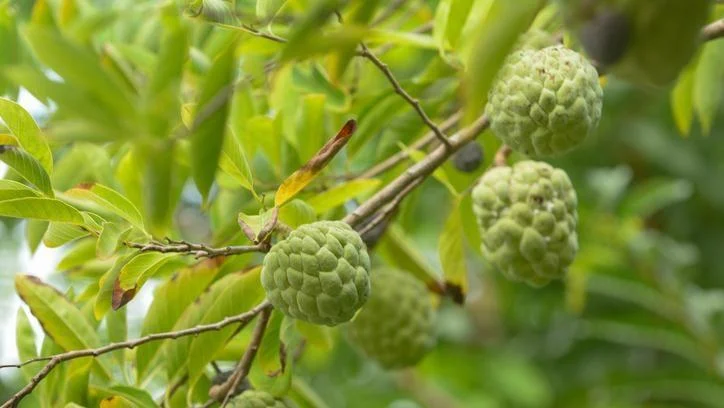
Jakarta – For generations, nutritional paradigms have been dominated by the apple—the quintessential "doctor-a-day" fruit—and the avocado, the darling of the modern wellness movement. However, a groundbreaking analytical survey by the BBC has upended these long-held assumptions. The findings point to a tropical powerhouse that, while perhaps less ubiquitous in Western supermarkets, holds a staggering nutritional profile, earning it a near-perfect score of 96/100.
The fruit in question is the cherimoya, or as it is more commonly known in many regions, the custard apple. While health enthusiasts often default to berries or citrus, the cherimoya has quietly claimed the top spot in nutritional density, challenging our understanding of what constitutes a "superfood."
The Nutritional Hierarchy: A New Benchmark for Health
For years, public health organizations have consistently advocated for a diet rich in fruits and vegetables. The consensus is clear: routine consumption of fresh produce provides the essential vitamins, minerals, and phytochemicals required to sustain human physiology. Yet, the debate over which specific fruit provides the most "bang for your buck" in terms of nutrient density has remained largely subjective—until now.
Data published by Mirror UK (citing the comprehensive BBC survey) has effectively recalibrated the food pyramid for many health-conscious consumers. By analyzing the concentration of essential nutrients relative to caloric intake, the cherimoya emerged as a nutritional titan. Scoring a 96 out of 100, it eclipsed traditional favorites by offering a complex synergy of natural sugars, vitamins A, C, B1, and B2, and a high concentration of potassium.
Sensory Profile: A Culinary Delight
Beyond its clinical health benefits, the cherimoya possesses a sensory experience that distinguishes it from the fibrous crunch of an apple or the buttery density of an avocado.
Robbie Sigona, a prominent produce expert, describes the fruit’s unique texture as "custard-like," noting that the flavor profile is a sophisticated, tropical marriage of banana and pineapple. This creamy consistency has made it a delicacy in various culinary traditions. When chilled, the flesh of the cherimoya transforms into a dessert-like experience, offering a decadent mouthfeel that belies its status as a nutrient-dense health food.
Supporting Data: Why Cherimoya Reigns Supreme
To understand why the cherimoya outperformed its peers, one must look at the granular nutritional data provided by health science platforms like Healthline. The fruit is a formidable source of dietary fiber, antioxidants, and a suite of vital minerals that work in concert to promote systemic health.
The Antioxidant Shield
The cherimoya is densely packed with antioxidants—compounds essential for neutralizing free radicals. Free radicals are unstable molecules generated by metabolic processes and environmental stressors; when left unchecked, they cause oxidative stress, a biological state linked to chronic conditions, including cardiovascular disease and various forms of malignancy. By introducing high levels of antioxidants into the diet, the cherimoya acts as a prophylactic against cellular degradation.
Cardiovascular and Ocular Support
Potassium, a critical mineral for maintaining healthy blood pressure, is found in abundance in the cherimoya. Regular intake helps manage fluid balance and supports heart rhythm stability. Furthermore, its rich vitamin profile—specifically vitamins A and C—supports ocular health, potentially slowing the age-related decline of vision and protecting the eyes from oxidative damage.
Anti-Inflammatory Properties
Chronic inflammation is the silent precursor to many modern diseases. The phytochemicals present in cherimoya have been studied for their ability to mitigate inflammatory responses, thereby supporting the body’s natural immune function.
Chronology of the Discovery
The rise of the cherimoya in the global health discourse did not happen overnight. The path to its current status as the "world’s healthiest fruit" involved several stages of nutritional evaluation:
- Initial Nutritional Mapping: Researchers began by isolating key vitamins and minerals in over 100 common fruits.
- The Scoring Algorithm: The BBC study utilized a weighted scoring system that accounted for both the presence of beneficial nutrients and the absence of inflammatory markers.
- Validation of Bioavailability: Subsequent studies focused on how efficiently the human body absorbs the nutrients within the cherimoya compared to other fruits.
- Public Awareness Shift: Following the publication of the data in July 2026, there has been a documented surge in interest from importers and health bloggers, shifting the cherimoya from a niche tropical fruit to a global "superfood" commodity.
Scientific Implications: The Anti-Cancer Potential
Perhaps the most compelling argument for the cherimoya’s inclusion in the daily diet lies in its potential anti-cancer properties. Healthline highlights the role of flavonoids—a class of plant secondary metabolites—found in the fruit.
In laboratory settings, these flavonoids have demonstrated an ability to inhibit the proliferation of cancer cells. While these findings are primarily derived from in-vitro (test tube) studies, they provide a compelling baseline for future clinical research. The implication is that the consumption of cherimoya does not merely provide vitamins; it may actively participate in cellular defense mechanisms that prevent the growth of anomalous cells.
Psychological Well-being and Gut Health
In an era where the gut-brain axis is increasingly recognized as a cornerstone of human health, the cherimoya offers a dual benefit.
- The Mood-Enhancer: The fruit is a significant source of Vitamin B6. This vitamin is a precursor to neurotransmitters like serotonin and dopamine, which are critical for regulating mood. Regular consumption may contribute to a more balanced emotional state, offering a natural "pick-me-up" that synthetic supplements often fail to replicate.
- Microbiome Maintenance: The high fiber content of the cherimoya is essential for digestive health. It acts as a prebiotic, fueling the beneficial bacteria within the gut microbiome. A healthy microbiome is linked to improved immunity, clearer skin, and even better mental health.
Official Responses and Industry Outlook
Nutritionists and dietitians have welcomed the BBC’s findings, though they urge a balanced perspective. "While the cherimoya is indeed a nutritional marvel, it is not a ‘magic bullet,’" says one health consultant. "It should be part of a diverse diet. The key takeaway from this data is not that we should stop eating apples, but that we should broaden our horizons to include nutrient-dense tropical fruits that offer different, perhaps superior, chemical profiles."
Agricultural sectors are already reacting. As demand for the cherimoya rises, farmers in tropical regions—such as parts of South America, Spain, and Southeast Asia—are increasing production capacity to meet the needs of a global market that is now fully aware of the fruit’s potential.
Conclusion: A Shift in the Nutritional Paradigm
The BBC’s survey serves as a vital reminder that the "healthiest" foods are often those that have been overlooked in favor of more convenient, commercially dominant crops. The cherimoya, with its custard-like texture and its 96/100 score, invites us to rethink our grocery lists.
By integrating this fruit into our diets, we are not merely consuming a snack; we are engaging in a proactive strategy for long-term health. Whether through its antioxidant capabilities, its mood-boosting vitamin profile, or its potential for cancer prevention, the cherimoya stands as a testament to the power of nature’s pharmacy.
As we move forward into a future where nutrition is increasingly personalized and data-driven, the cherimoya remains a clear frontrunner. The next time you find yourself in the produce aisle, look past the red apples and the green avocados. Reach for the cherimoya—the world’s healthiest fruit is waiting to be tasted.