Beyond the Pitch: Celebrating Portugal’s Culinary Heritage Following Their World Cup Triumph
JAKARTA – The global stage of the 2026 FIFA World Cup has been set ablaze by the electrifying performance of the Portuguese national team. In a high-stakes Round of 32 clash held at the iconic Toronto Stadium on Friday, July 3, 2026, Portugal secured a hard-fought 2-1 victory over Croatia. This win not only propelled the Seleção das Quinas into the prestigious Round of 16 but also ignited a renewed global curiosity about the nation that produced this footballing spectacle.
While the world turns its eyes to Portugal’s tactical prowess on the pitch, there is an equally compelling story to be found in the nation’s culinary landscape. Portuguese cuisine is a reflection of its history—a blend of maritime exploration, religious tradition, and a deep, soulful connection to the land and sea. To celebrate their recent victory, we explore five quintessential Portuguese delicacies that every traveler and football fan must experience.
The Path to Glory: A Chronological Look at the Match
The match between Portugal and Croatia was a testament to endurance and precision. The tension at Toronto Stadium was palpable from the opening whistle, as both sides vied for dominance in the midfield.
- First Half: Both teams showcased defensive solidity. Portugal’s tactical discipline was tested by Croatia’s veteran midfield, leading to a deadlock that held until the final minutes of the first half.
- The Breakthrough: Portugal managed to capitalize on a defensive lapse, finding the back of the net to take a 1-0 lead into the interval.
- The Equalizer: Early in the second half, Croatia surged forward with clinical efficiency, leveling the score and putting immense pressure on the Portuguese backline.
- The Decider: As the clock ticked toward the final whistle, Portugal’s persistence paid off. A tactical substitution injected fresh energy into the attack, culminating in a brilliant goal that secured the 2-1 victory.
- The Aftermath: With the final whistle, the Portuguese squad confirmed their place in the Round of 16, marking a significant milestone in their 2026 World Cup journey.
Supporting Data: The Pillars of Portuguese Gastronomy
Portuguese food is fundamentally defined by the use of local, high-quality ingredients. Unlike its neighbors, Portuguese cuisine leans heavily on the Atlantic Ocean for its protein and the fertile soil of the Iberian Peninsula for its produce.
According to culinary experts and cultural archives, the secret to Portugal’s flavor profile lies in simplicity. The reliance on olive oil, garlic, fresh herbs, and salt allows the core ingredient to speak for itself. This philosophy has persisted for centuries, surviving the rise of modern industrial food production and remaining a pillar of national identity.
The Culinary Quintet: 5 Dishes to Honor the Win
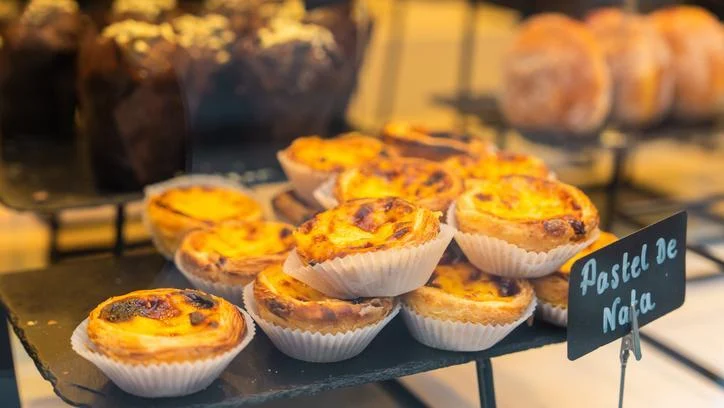
1. Pastel de Nata: The Custard Legacy
No discussion of Portuguese food is complete without the Pastel de Nata. Often described as the progenitor of all custard tarts, this dessert is a masterclass in texture and balance.
History and Craft: Dating back to the 18th century, these tarts were born in the Jerónimos Monastery in Lisbon. Catholic monks historically used vast quantities of egg whites to stiffen their religious vestments. Faced with an abundance of leftover egg yolks, they developed a recipe that combined the yolks with sugar and milk to create a rich custard. The result, wrapped in layers of impossibly crisp, flaky pastry and finished with a hint of lemon zest and a dusting of cinnamon or nutmeg, remains the gold standard of Portuguese baking.

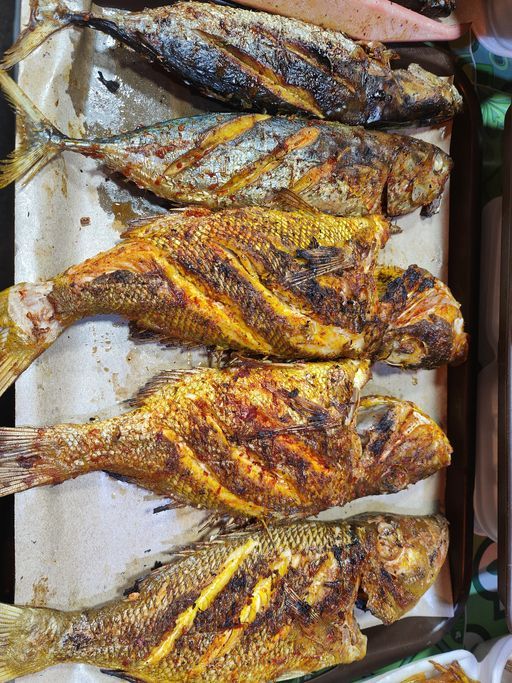
2. Peixe Grelhado: The Essence of the Atlantic
Peixe Grelhado is more than just grilled fish; it is a ritual. Utilizing the freshest catch of the day—ranging from red snapper and mackerel to sardines—the fish is coated in premium Portuguese olive oil and coarse sea salt before being seared over charcoal.
Cultural Significance: For coastal communities, this method of preparation has been a staple for generations. The charcoal smoke imparts a subtle earthiness that complements the delicate, flaky meat of the fish. It is traditionally served with simple boiled potatoes or a vibrant salad, proving that the most profound culinary experiences often require the fewest ingredients.
3. Alheira de Mirandela: A Symbol of Survival
The Alheira de Mirandela is a fascinating study in resilience. While it resembles a standard sausage, its origins are rooted in the trauma of the Portuguese Inquisition.
The Deception: When the Jewish population in Mirandela was forced to convert to Christianity or face persecution, they were often scrutinized for their dietary habits—specifically their refusal to eat pork. To blend in, they developed a sausage that looked exactly like the chorizo eaten by their neighbors. However, instead of pork, they used a mixture of poultry, game meat, and bread. This clever camouflage allowed them to observe their faith while protecting their safety, creating a legacy dish that is now a beloved national treasure.
4. Bacalhau: The Fuel of Explorers
If Portugal has a national ingredient, it is undoubtedly Bacalhau (salted, dried cod). During the 15th and 16th centuries—the "Age of Discovery"—Portuguese sailors needed a reliable source of protein that could withstand months at sea without refrigeration.
The Science of Salt: By salting and drying the cod caught in the frigid waters of the North Atlantic, the Portuguese created a product that could be stored indefinitely. Today, there are said to be over 365 ways to prepare Bacalhau, from Bacalhau à Brás (shredded with eggs and potatoes) to simple roasted fillets. It is a taste of history in every bite, salty and savory, demanding to be rehydrated and cooked with care.
5. Bifana: The Ultimate Street Food
When the match is over and the stadium lights dim, the Bifana remains the go-to comfort food for fans and locals alike. This sandwich features thin slices of pork marinated in a fragrant blend of garlic, white wine, and spices, then sautéed until succulent.
The Experience: Served inside a crusty, soft-centered Portuguese roll, the meat is often accompanied by a drizzle of yellow mustard or a spicy piri-piri sauce. It is unpretentious, messy, and incredibly satisfying—a perfect reflection of the Portuguese spirit: robust, communal, and deeply authentic.
Official Responses and Tactical Implications
Following the match, the Portuguese Football Federation (FPF) lauded the team’s resilience. "We played with the heart of a nation," the team manager noted in a post-match press conference. "We knew Croatia would be a difficult test, but our players maintained the focus required to deliver under pressure."
The implications of this win extend beyond the scoreboard. For the local hospitality industry, the victory serves as a massive promotional tool. Tourism boards are already anticipating a surge in interest, as fans from across the globe look to visit the home of the winners. The correlation between sports success and "culinary tourism" is well-documented; as Portugal advances, the demand for authentic experiences—including the tasting of Pastel de Nata and Bacalhau—is expected to climb significantly.
Conclusion: A Nation of Passion
Whether it is the tactical maneuvering on the grass of the Toronto Stadium or the careful layering of dough for a Pastel de Nata, Portugal operates with a deep-seated passion and an adherence to tradition. The 2-1 victory over Croatia is more than just a notch in the win column; it is a celebration of a culture that values its history as much as its future. As the tournament progresses, the world will be watching Portugal, both for the goals they score and the flavors they share with the world.
If you are looking to toast to the Seleção das Quinas, do so with a Bifana in one hand and a sense of history in your heart. After all, in Portugal, victory is always best served with a side of tradition.