
Legal Battle Erupts: Ruben Onsu and Aditya Gumay File Police Report Over Alleged Rp15 Billion Loss in ‘NIA’ Film Project
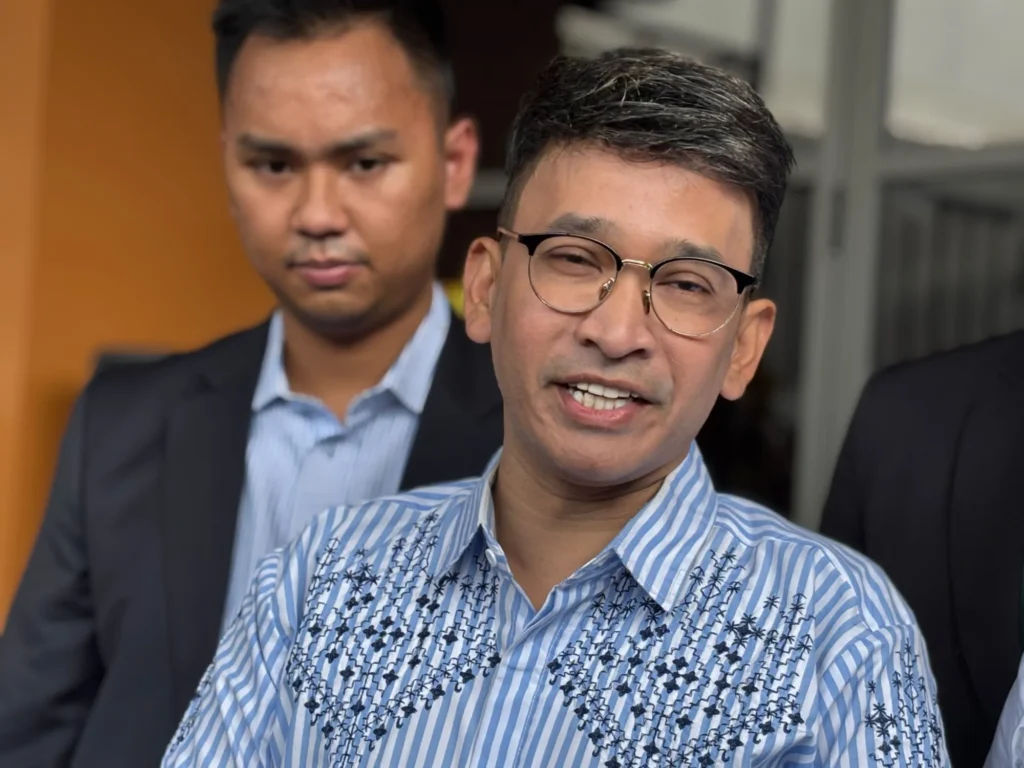
Jakarta, September 25, 2026 – The Indonesian entertainment industry is reeling from a high-profile legal dispute involving one of its most prominent figures, Ruben Onsu, and veteran filmmaker Aditya Gumay. The conflict centers on the feature film project NIA, which has become the subject of a formal police investigation at the Polda Metro Jaya. Allegations of embezzlement, fraud, and copyright violations have surfaced, with the plaintiffs claiming a staggering financial loss of Rp15 billion.
The dispute highlights the murky waters of intellectual property rights and contractual transparency in the digital age, particularly concerning streaming distribution deals. As the case moves through the legal system, the industry watches closely to see how the rights of co-producers are protected against the withholding of critical business documents.
The Core of the Dispute: A Fractured Partnership
At the heart of the controversy is PT Smaradana Pro, a production entity co-owned by Aditya Gumay and Ruben Onsu. Both parties have been actively involved in the development of the film NIA, with Ruben Onsu officially credited as an Executive Producer.
The trouble began when PT Smaradana Pro sought clarity regarding the distribution rights of the film, specifically a contract signed with the global OTT giant, Netflix. According to Aditya Gumay, his company holds a substantial stake in the project and is entitled to full transparency regarding all distribution agreements. However, he alleges that Niki, a representative from 786 Production, has systematically blocked access to these documents.
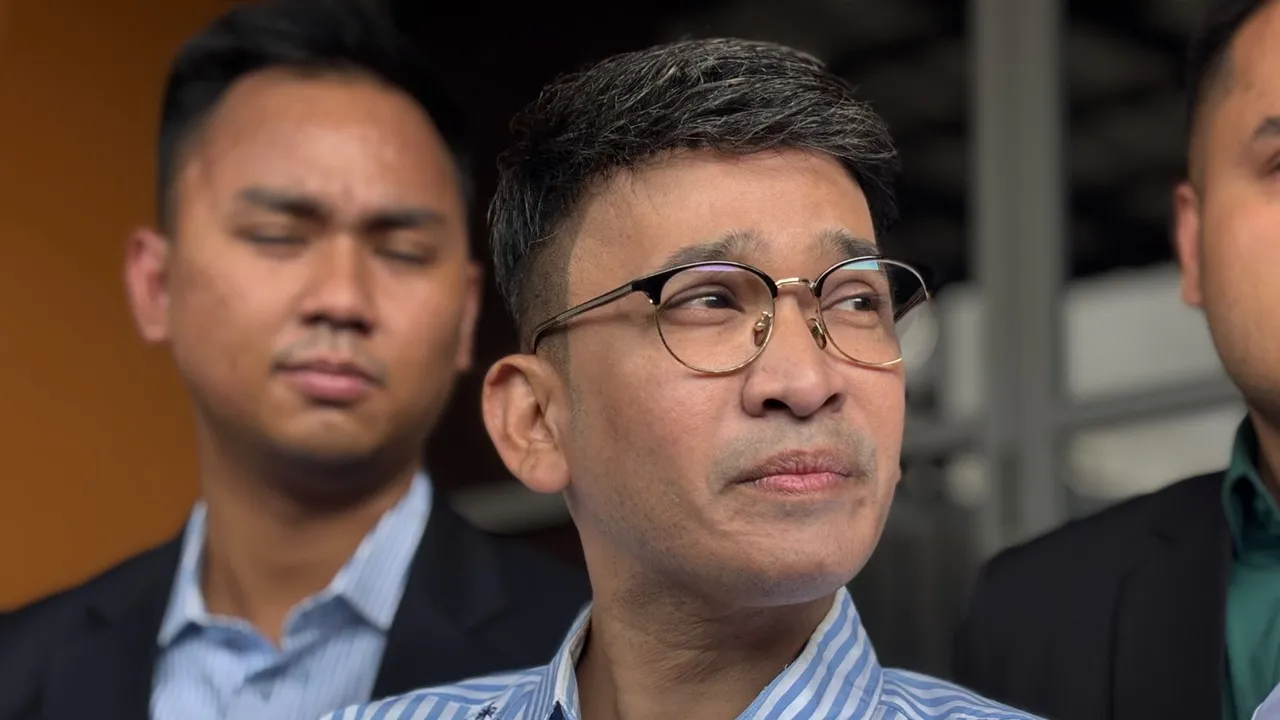
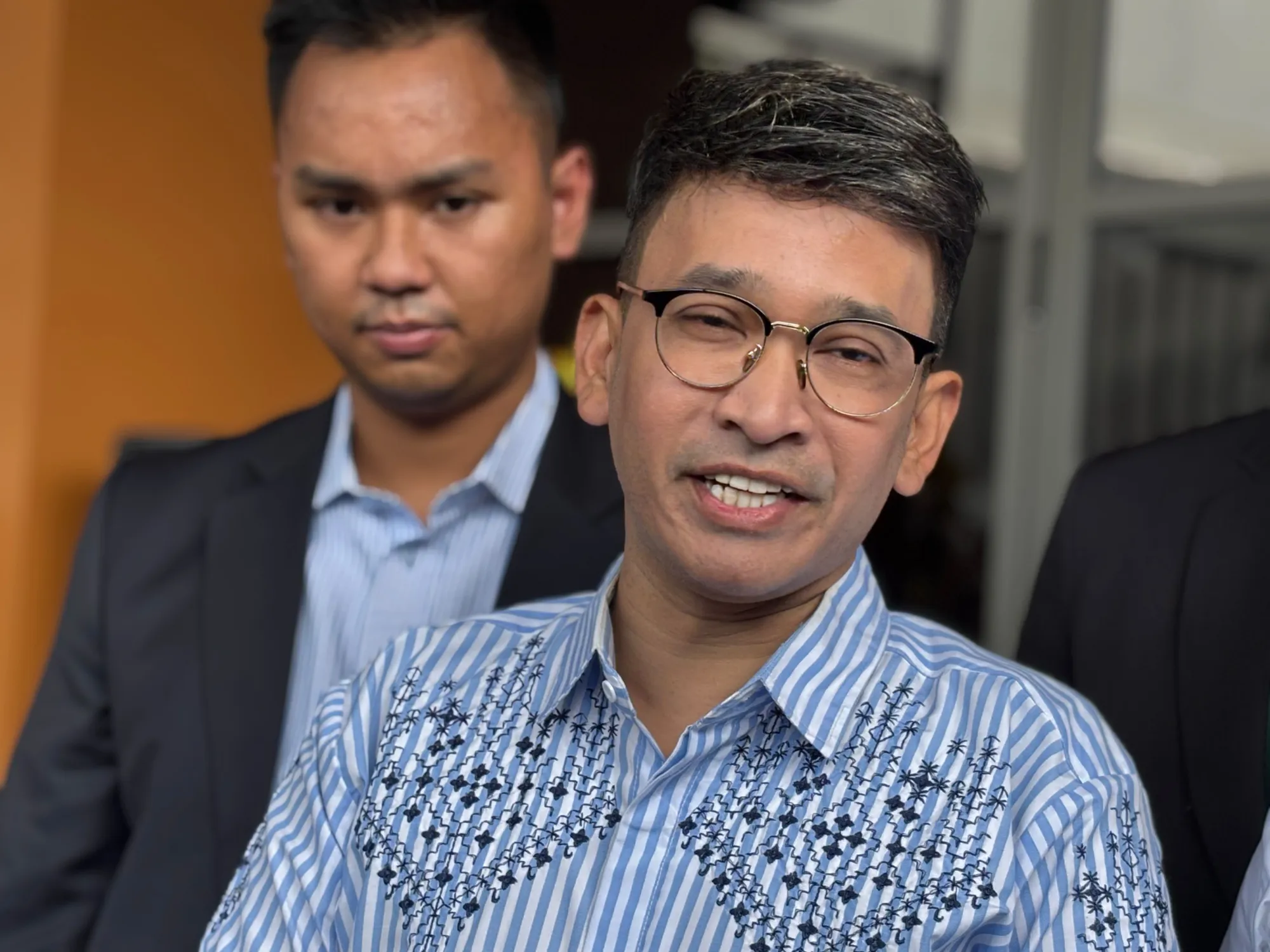
"Smaradana Pro is involved in this project, and Ruben Onsu’s name is clearly listed as an Executive Producer on the screen," Aditya Gumay stated during a press conference in Manggarai, South Jakarta, on Thursday (September 24, 2026). "We have a legitimate right to oversee the financial and distribution aspects of this production, yet we are being kept in the dark."
Chronology of Conflict: From Silent Contracts to Legal Action
The tension between the production partners did not escalate overnight. It was the result of a protracted period of frustration, beginning with a simple request for documentation and ending in a formal criminal complaint.
1. The Netflix Contract Bottleneck
The breakdown in communication centered on the film’s distribution deal with Netflix. As a co-producer, PT Smaradana Pro requested a copy of the sales contract to verify the terms of the deal. The document is not merely a formality; it is essential for the company to understand its own financial standing and to manage future business opportunities.
Aditya Gumay revealed that there are international buyers—specifically from the Asia-Pacific region and other global markets—who have expressed keen interest in the film NIA. To proceed with these potential deals, PT Smaradana Pro needs to verify the scope of the existing Netflix contract. Without the document, they are effectively paralyzed, unable to negotiate or leverage their assets.
2. The Refusal and the "Secret Kitchen" Defense
Despite repeated requests, Niki of 786 Production has allegedly refused to surrender the documents. The justification provided was that the contract with the OTT platform constitutes "trade secrets."
"He always claims that the contract he received from the OTT provider is his ‘secret kitchen,’" Aditya explained. "He refuses to disclose the figures, the terms, or the details. This is an untenable position for a partner who is supposed to have equal standing in the ownership of the project."
3. The Failure of Mediation and Somasi
Before resorting to police intervention, PT Smaradana Pro attempted to resolve the matter through professional channels. Legal counsel was engaged, and multiple somasi (formal legal warnings/notices) were issued to Niki. Each of these attempts to force transparency was met with silence or further resistance, leaving the plaintiffs with no choice but to escalate the matter to the authorities.
The Legal Filing: A Rp15 Billion Claim
On May 21, 2026, Aditya Gumay officially filed a report with the Polda Metro Jaya, registered under the reference number STTLP/3648/V/2026/SPKT/POLDA METRO JAYA. The report does not only name Niki as the primary defendant but also establishes a significant financial claim of Rp15 billion.
The allegations leveled against the defendant are extensive, covering several criminal statutes:
- Embezzlement: Allegations that funds derived from the project were withheld or mismanaged.
- Fraud: Accusations that the defendant deceived partners regarding the status and profits of the film.
- Violation of the Film Law and Copyright Law: Claims that the defendant has infringed upon the intellectual property rights of the co-producers by acting unilaterally in the exploitation of the film.
"The total loss we are claiming, which we are pursuing through the courts, is Rp15 billion," Aditya Gumay emphasized.
Implications for the Film Industry
This case serves as a cautionary tale for independent producers and investors in the Indonesian film industry. As streaming platforms become the primary distribution outlet for local content, the clarity of contracts has never been more vital.
Transparency in Co-Production
The case underscores the necessity of clearly defined "audit rights" in production contracts. When multiple entities share the copyright of a film, the withholding of distribution contracts by one party is a significant breach of trust and, as this case suggests, a potential criminal matter.
The Role of Executive Producers
Ruben Onsu’s involvement as an Executive Producer puts a spotlight on how high-profile figures are often used to attract funding, only to find themselves embroiled in legal battles when the "business" side of the production goes awry. The case tests whether the credit of "Executive Producer" carries with it the legal power to demand transparency, or if it remains merely a decorative title in the face of bad-faith partners.
Future of ‘NIA’
The legal status of the film NIA is now uncertain. With a police investigation underway, the ability of the film to be distributed or sold in other territories is likely hampered. If the police find sufficient evidence to support the claims of copyright violation, the film could potentially be pulled from streaming platforms or frozen in legal limbo until the dispute is resolved.
Official Responses and Next Steps
As of late September 2026, the police have confirmed that they are actively investigating the report. They have already conducted two rounds of questioning for both witnesses and the accused. The legal team representing Aditya Gumay and Ruben Onsu expressed confidence in the evidence gathered thus far.
"We are following the process as determined by the law," the legal team stated. "The evidence regarding the lack of transparency and the financial impact on our clients is substantial. We expect the authorities to handle this with the gravity it deserves, especially given the impact on the creative industry and the potential for copyright abuse."

The defendant, Niki, has yet to provide a detailed public rebuttal beyond the initial claims of "trade secrets." Industry analysts suggest that if the case proceeds to trial, it could set a major precedent for how streaming distribution rights are managed in Indonesia, likely forcing producers to adopt more rigid and transparent contractual frameworks in the future.
For Ruben Onsu, who is already navigating a complex period in his professional life, this legal battle represents yet another hurdle. Whether this will lead to a recovery of the Rp15 billion or a long, drawn-out legal stalemate remains to be seen. As the investigation continues, the film NIA stands as a reminder that behind the glamour of the silver screen, the business of filmmaking requires ironclad integrity.
Reported by: KapanLagi.com/Fikri Alfi Rosyadi
Edited for depth and context.