Hong Kong Cracks Down on Predatory Tourism: Travel Agencies and Tour Guide Penalized Over Forced-Shopping Scandals
JAKARTA — In a decisive move to safeguard consumer rights and protect its international reputation, Hong Kong’s tourism authorities have levied severe penalties against two travel agencies and a tour guide implicated in predatory forced-shopping scandals. The crackdown underscores the city’s zero-tolerance policy toward unscrupulous practices that prey on unsuspecting visitors, especially as the Asian financial hub experiences a robust post-pandemic tourism resurgence.
The Travel Industry Authority (TIA)—the statutory regulatory body overseeing travel agents, tour guides, and tour operators in Hong Kong—announced the immediate suspension of operating licenses for the entities involved. The sanctioned companies have been identified as Go Go Ming Travel Services Limited and Grandee Travel Company Limited, while the penalized individual is tour guide Sun Kwun-ying.
According to reports originating from leading regional publications including the South China Morning Post and The Standard, the incidents took place during structured tour group itineraries managed earlier in the year. The stringent administrative action highlights a growing global pushback against black-market tourism practices that trap travelers in high-pressure retail environments.
Chronology of the Investigations
The investigations that led to the suspension of Go Go Ming Travel Services and Grandee Travel Company began following complaints filed by disgruntled tourists who felt coerced, manipulated, and physically intimidated during their stay in Hong Kong.
According to TIA findings, the sequence of violations unfolded across two distinct operational windows:
- February 2026: The first major incident involved a tour group handled by Go Go Ming Travel Services Limited. During this itinerary, tourists reported being systematically steered away from standard cultural or sightseeing schedules and redirected toward designated retail partner outlets. Once inside, participants faced aggressive sales pitches and indirect coercion, with their freedom of movement subtly restricted until sales quotas—often arranged via illicit kickback agreements between operators and merchants—were ostensibly met.
- April 2026: A secondary investigation targeted Grandee Travel Company Limited, which oversaw a separate tour group. Much like the earlier incident, travelers found themselves subjected to high-pressure environments designed to extract maximum monetary value through unwanted purchases.
- The Tour Guide’s Role: In tandem with the corporate infractions, tour guide Sun Kwun-ying became the focal point of individual disciplinary proceedings. Investigations revealed that Sun did not merely facilitate these side stops but actively participated in aggressive psychological coercion. Witnesses and regulatory findings established that Sun hurled threatening remarks and verbal ultimatums at group members to force them into purchasing goods. The psychological pressure exerted by Sun crossed legal and ethical boundaries, creating an atmosphere of fear and distress for tourists who relied on the guide for safe navigation of the city.
Following a thorough review of itineraries, witness testimonies, and audio-visual evidence, the TIA concluded that both travel agencies had fundamentally failed in their legal and moral duty to protect consumers from predatory commercial practices.
Official Responses and Regulatory Stance
The response from Hong Kong’s regulatory and tourism sectors has been swift, unified, and uncompromising.
In official statements released following the disciplinary rulings, the Travel Industry Authority (TIA) made it unequivocally clear that exploitative tourism practices will not be swept under the rug. The regulatory body emphasized that Go Go Ming Travel Services Limited and Grandee Travel Company Limited failed to exercise reasonable care and diligence in shielding their clients from forced shopping—a direct violation of industry regulations. Furthermore, investigators uncovered secondary infractions, including unauthorized itinerary modifications and deceptive marketing structures that prioritized merchant commissions over customer satisfaction.
Regarding tour guide Sun Kwun-ying, the TIA reiterated that verbal abuse and intimidation are egregious breaches of professional conduct. "Sun’s actions went far beyond aggressive salesmanship; they constituted direct threats against visitors, behavior that fundamentally tarnishes the ethical standards expected of licensed tourism professionals in Hong Kong," a TIA spokesperson noted.
The government’s hardline stance is driven by a broader strategic imperative: protecting Hong Kong’s hard-earned brand equity. Tourism officials across the board have stressed that the city has worked tirelessly to build an inclusive, safe, and welcoming environment for international travelers. Allowing a rogue faction of operators to exploit tourists for short-term financial gain through forced-shopping scams poses an existential threat to the destination’s long-term viability.
Consequently, the TIA has signaled that inspections will intensify across all inbound tour groups, with heavier penalties—including permanent license revocations and criminal referrals—awaiting any agency found violating consumer protection laws.
Supporting Data: Hong Kong’s Tourism Boom and Economic Landscape
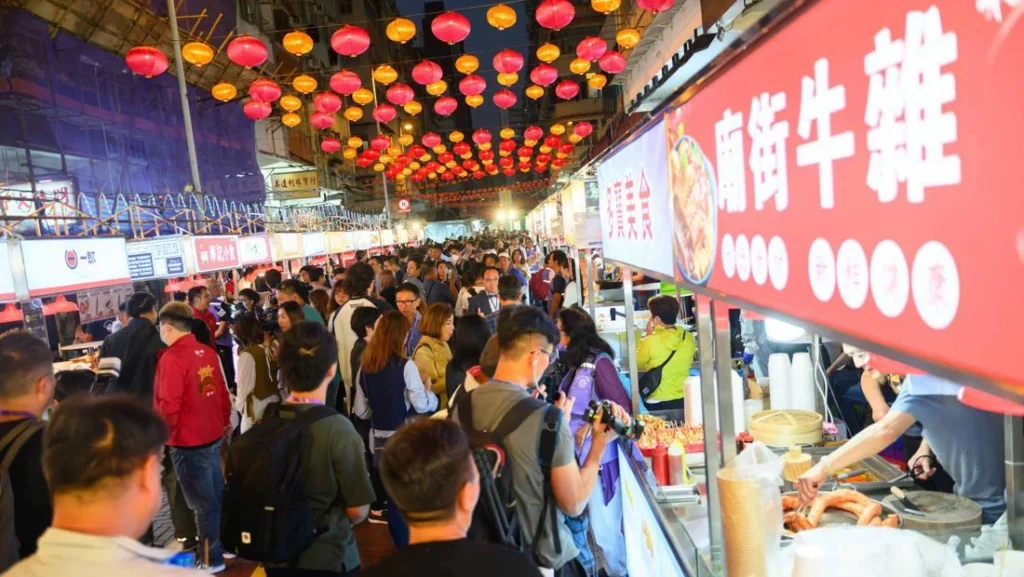
The timing of this regulatory crackdown is particularly significant given the current trajectory of Hong Kong’s tourism sector. Far from struggling to attract visitors, Hong Kong is currently enjoying a remarkable resurgence, cementing its status as one of the most sought-after travel destinations on the globe.
Recent global tourism indices position Hong Kong as the second most-visited city in the world, trailing only Bangkok. This massive influx of global travelers has provided a crucial economic boost to the city’s retail, hospitality, and service sectors, which suffered protracted downturns during previous years.
- Visitor Volume: Data compiled for the first seven months of the year reveals that Hong Kong welcomed an astonishing 31.22 million tourist arrivals.
- Year-on-Year Growth: This figure represents a robust 12% increase compared to the exact same period in the previous year, demonstrating sustained consumer confidence and expanding global interest in the territory’s unique blend of East-and-West culture, culinary excellence, and urban vibrancy.
However, this high volume of foot traffic creates a double-edged sword. While the sheer scale of arrivals generates billions of dollars in economic output, it also creates fertile ground for opportunistic bad actors. Unscrupulous agencies and rogue guides frequently attempt to capitalize on large, fast-moving tour groups—particularly those originating from regional markets on budget-conscious package tours—by funneling them into exploitative retail networks.
It is precisely because the stakes are so high—with tens of millions of travelers experiencing the city annually—that regulatory authorities are unwilling to let isolated predatory incidents damage the broader economic ecosystem.
Implications for the Tourism Industry and Future Outlook
The decisive actions taken against Go Go Ming Travel Services, Grandee Travel Company, and Sun Kwun-ying carry profound implications for the travel and tourism industry, both within Hong Kong and across the wider Asia-Pacific region.
1. A Paradigm Shift Toward Consumer Protection
For decades, the dark underbelly of regional tourism often involved "zero-fee" or "low-cost" tours, where travel agencies subsidized trip costs by partnering with merchants who paid exorbitant commissions on forced sales. The strict penalties handed down by the TIA signal the final demise of this business model in Hong Kong. Travel agencies operating in the territory are now on notice: the hidden costs of cheap tours—paid for through consumer harassment and forced retail spending—will no longer be tolerated.
2. Restoring Traveler Confidence
Trust is the ultimate currency in international travel. In an era where consumers rely heavily on digital reviews, social media recommendations, and institutional safety guarantees, a single viral video of tourist harassment can destroy a destination’s reputation overnight. By acting swiftly and transparently against these agencies, Hong Kong is signaling to the global market that it actively polices its own industry. This accountability reassures prospective visitors that their safety, autonomy, and consumer rights are legally protected.
3. Operational Overhauls for Local Agencies
In response to these suspensions, travel agencies operating in Hong Kong are rushing to audit their internal compliance protocols. Tour operators are tightening their oversight of partner merchants, retraining tour guides on ethical boundaries, and restructuring itinerary contracts to ensure complete transparency. Agencies that fail to adapt to this stricter regulatory environment risk losing their licenses, facing severe financial penalties, and suffering catastrophic reputational damage.
4. Broader Regional Repercussions
Hong Kong’s aggressive stance may also serve as a benchmark for neighboring jurisdictions struggling with similar issues. Predatory shopping tours have historically plagued various regional tourism hubs. By demonstrating that robust enforcement and regulatory oversight can effectively curb these abuses without stunting tourism growth, Hong Kong provides a blueprint for effective governance in the travel sector.
Conclusion
As Hong Kong continues to navigate its impressive tourism boom—hosting tens of millions of visitors and defending its crown as a premier global destination—the message from the Travel Industry Authority is unmistakable. Economic growth must never come at the expense of ethical standards, consumer safety, and human dignity. Through the suspension of Go Go Ming Travel Services, Grandee Travel Company, and Sun Kwun-ying, Hong Kong has drawn a hard line in the sand, ensuring that the city remains renowned for its world-class hospitality rather than predatory exploitation.