Echoes of the Iron Age: Celtic Fortress Unearthed Beneath Paris Hospital Grounds
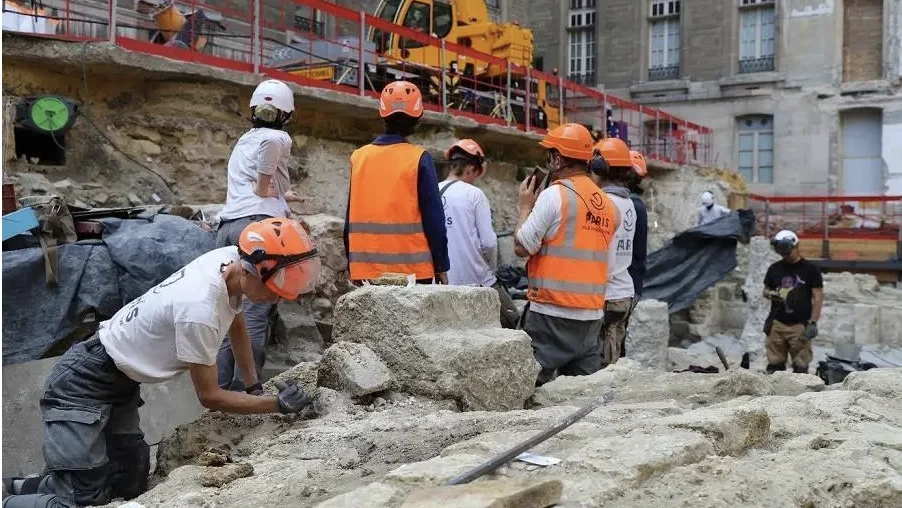
Paris, France – In a discovery that bridges the gap between ancient mythology and physical history, archaeologists have unearthed the remnants of a Celtic fortress in the heart of modern-day Paris. The discovery, located directly beneath the grounds of the historic Hôtel-Dieu hospital, provides the first tangible evidence of Lutetia—the pre-Roman settlement of the Parisii tribe, famously chronicled by Julius Caesar in his seminal work, Commentarii de Bello Gallico (Commentaries on the Gallic War).
The findings, announced by the French Ministry of Culture (DRAC Île-de-France) on September 23, 2026, have sent shockwaves through the historical and archaeological communities, effectively rewriting the early chapters of the French capital’s urban narrative.
The Historical Significance of Lutetia
For centuries, scholars have debated the exact scale and nature of the Gallic settlement that existed before the Roman urbanization of Paris. Julius Caesar’s accounts, written during the mid-1st century BCE, described a resilient group of tribes—the Parisii—who occupied an island in the Seine. Until this week, much of the evidence for pre-Roman Lutetia was fragmented or purely inferential.
The discovery at the Hôtel-Dieu is unique because it offers a structural profile of the fortifications that protected this early society. The site provides a rare, uninterrupted look at the architectural sophistication of the Celtic tribes, whose military engineering was often underestimated by their Roman conquerors.
Chronology of the Discovery: From Construction Site to History
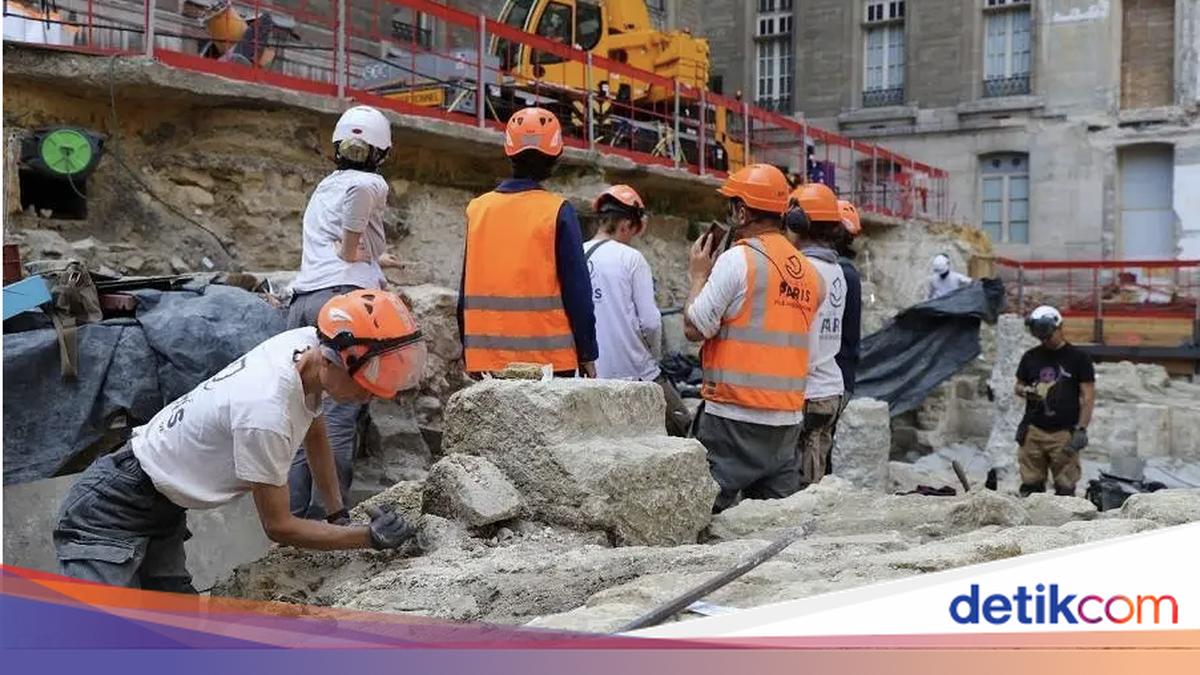
The revelation occurred during routine archaeological excavations necessitated by the ongoing renovation and modernization project at the Hôtel-Dieu hospital, located on the Île de la Cité.
- Initial Excavation (Early 2026): As construction crews began groundwork for new infrastructure, standard cultural heritage protocols required a preliminary survey.
- The First Anomaly (Mid-2026): Archaeologists identified anomalous soil layers and timber fragments that did not align with medieval or Roman Parisian history.
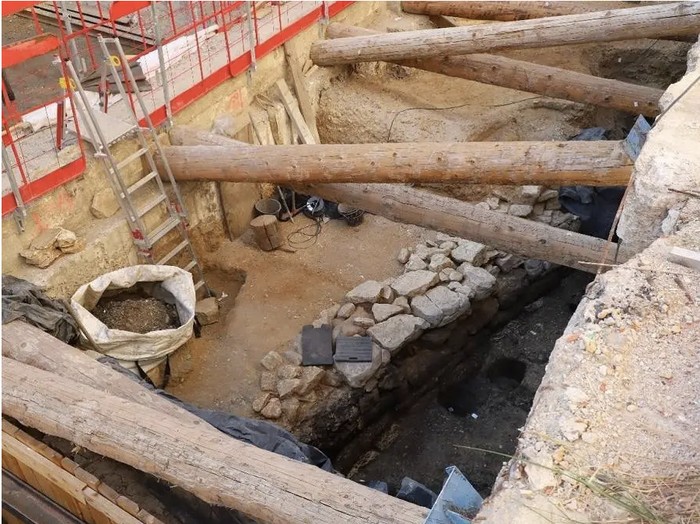
- The Breakthrough (September 2026): Excavation teams uncovered a 20-meter stretch of a defensive wall structure. Detailed analysis of the construction techniques and carbon-dated materials confirmed the site’s connection to the Iron Age.
- Official Announcement (September 23, 2026): The French Ministry of Culture officially confirmed the find, designating the site as a landmark discovery of national importance.
Structural Analysis: The "Gallic Wall" Technique
The physical evidence recovered from the site provides a masterclass in ancient engineering. The team, led by experts from the Regional Archaeology Service, uncovered a sophisticated defensive system.
The Defensive Architecture
The fortification, stretching 20 meters, features a distinct "Gallic Wall" (murus gallicus) design. Dorothée Chaoui-Derieux, curator of heritage and territorial manager for Paris at the Regional Archaeology Service, noted that the architecture, characterized by massive stone blocks and a complex interlocking beam system, is a hallmark of high-status Celtic military engineering.
Evidence of Conflict
The site tells a violent story. The excavations revealed significant evidence of a massive conflagration. The front of the structure is heavily charred, with preserved burnt grains and the skeletal remains of timber beams scattered across the site. This suggests that the fortress was not merely abandoned but likely besieged or destroyed during a period of intense conflict—potentially coinciding with the Roman campaigns described by Caesar.
The Foundation
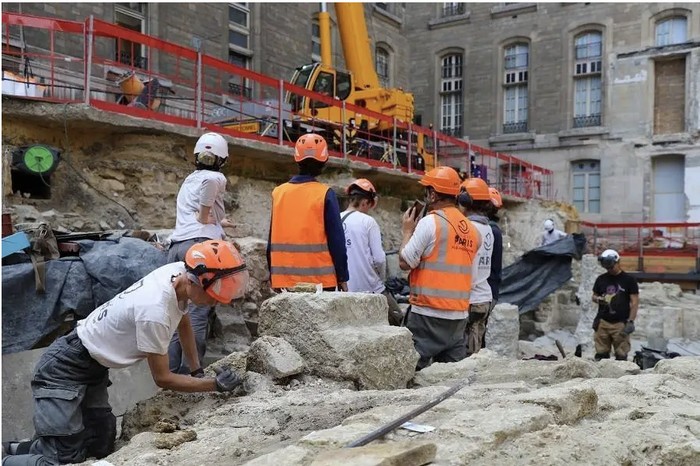
Supporting the structural integrity of the wall is a two-meter-thick platform composed of compressed sand and gravel. This specialized foundation was designed to absorb the shock of projectiles and provide a stable base for the timber-and-stone superstructure, further cementing the status of Lutetia as a fortified hub of the Parisii.
Official Responses and Preservation Efforts
The discovery has drawn immediate attention from high-level French officials. During a site visit this week, Catherine Pégard, representing the Ministry of Culture, and Paris Deputy Mayor Emmanuel Grégoire inspected the trenches, emphasizing the importance of balancing urban development with the preservation of France’s foundational heritage.
"This is not just a pile of stones," stated Chaoui-Derieux during a press briefing. "This is the physical signature of a culture that we have only ever read about through the perspective of their enemies. Seeing the charred remains of these beams allows us to feel the heat of the history that formed the bedrock of Paris."
The city government has pledged to integrate the archaeological site into the long-term vision for the Hôtel-Dieu. While the construction project continues, specific zones of the excavation will be preserved, and there are preliminary discussions regarding the creation of an on-site educational exhibit to allow the public to view the fortifications.
Archaeological and Historical Implications
The discovery of the Lutetia fortress challenges several long-held historical assumptions:
- The Strategic Importance of the Seine: The size and complexity of the wall suggest that Lutetia was a much more significant strategic center than previously thought. The Parisii were not just a loose collection of fishermen; they were a formidable political and military entity.
- Validation of Caesar’s Records: While historians often view Caesar’s Commentaries as political propaganda, this discovery validates the geographical and military claims he made regarding the defensive capabilities of the Gallic tribes.
- Urban Continuity: The presence of a major Celtic fortification beneath the Hôtel-Dieu suggests that the location was chosen for its strategic prominence long before the Romans arrived. This supports the theory that the "sacred center" of Paris has remained in the same location for over two millennia.
Future Outlook: A New Chapter for Paris
As the team from the Regional Archaeology Service continues to sift through the layers of the site, the global scientific community watches with bated breath. Further analysis of the burnt organic materials may yield insights into the daily diet, trade routes, and social stratification of the pre-Roman inhabitants.
The find at the Hôtel-Dieu serves as a potent reminder that beneath the bustling, modern boulevards of Paris lies a dense, layered history. As the city continues to evolve, the ghosts of the Parisii tribe, whose strength and resilience are now physically verified, serve as a foundational anchor for the French capital.
For the residents of Paris and history enthusiasts worldwide, the excavation of the Lutetia fortress is more than a news story—it is a reconnection with an ancestral past that has remained buried for nearly 2,100 years. As the ministry continues its work, the story of this Celtic bastion will undoubtedly continue to evolve, offering new clues into the dawn of one of the world’s most iconic cities.