Depok’s Green Leap: Transitioning Urban Public Transit to Electric Mobility
JAKARTA – The landscape of urban public transportation in Indonesia is poised for a significant shift. The Depok City Government, through its Department of Transportation (Dinas Perhubungan), has officially announced a strategic initiative to replace conventional internal combustion engine (ICE) public minivans—locally known as angkot—with modern electric vehicle (EV) fleets. This transition marks a pioneering move toward sustainable urban mobility, positioning Depok as a vanguard in Indonesia’s broader climate change mitigation efforts.
The Core Transformation: Moving Beyond the "D10A"
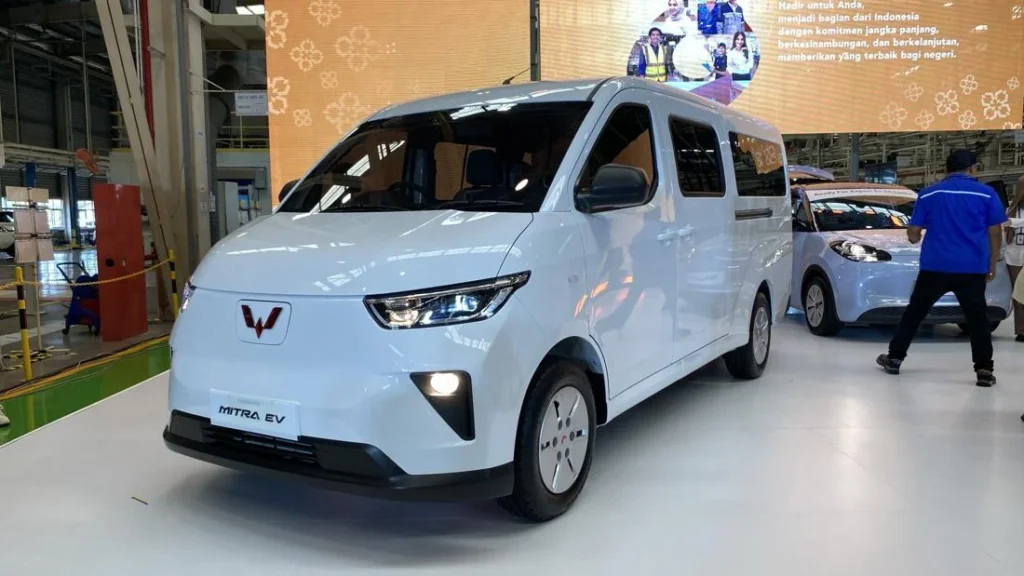
For decades, the angkot has been the backbone of local transit in Depok. However, the aging fleet, characterized by high emission levels and deteriorating passenger comfort, has long been a subject of concern for both citizens and city planners. The municipal government has now confirmed that the transition will utilize the Wuling Mitra EV, a versatile commercial electric vehicle currently undergoing customization at local coachbuilding facilities (karoseri).
Plt. Head of the Depok Department of Transportation, Aan Syurahman, emphasized that this move is more than just a technological upgrade. "We are currently conducting thorough testing and preparation with the Wuling Mitra EV, which offers a significantly larger capacity. Our goal is to provide a service that is not only environmentally sustainable but also substantially more comfortable for the public. This vehicle is intended to be the definitive successor to the legacy D10A fleet," Syurahman stated.
Chronology of the Initiative
The shift toward electric public transport in Depok did not occur in a vacuum. It is the result of a multi-year effort to modernize the city’s transit infrastructure.
- Early Planning Phase: The Department of Transportation initiated feasibility studies in 2022 to assess the viability of electric public transportation, focusing on cost-benefit analyses regarding charging infrastructure and maintenance.
- Selection Process: Following a rigorous evaluation of available commercial EVs in the Indonesian market, the Wuling Mitra EV was selected due to its competitive pricing, localized parts availability, and robust dimensions suitable for passenger transit.
- Karoseri Integration: Throughout the second quarter of 2024, the government began working closely with local coachbuilders to retrofit the Wuling Mitra EV interior. This involves configuring seating arrangements to maximize passenger capacity while ensuring accessibility.
- Policy Rollout: The city government is currently drafting the regulatory framework to integrate these electric fleets into existing route permits, ensuring that operators can transition from ICE vehicles to EVs without significant financial disruption.
Technical Specifications: Powering the Future of Commuting
The Wuling Mitra EV is a purpose-built commercial platform designed for efficiency. Unlike smaller passenger EVs, the Mitra EV provides the interior volume necessary for a public transit vehicle.
Performance and Drivetrain
The vehicle is powered by a 75 kW electric motor, capable of producing a maximum torque of 180 Nm. Power is transmitted to the rear wheels, providing the necessary torque for navigating Depok’s diverse topography, which includes hilly residential areas and congested main roads. The vehicle features three distinct driving modes—Eco, Normal, and Sport—allowing drivers to optimize energy consumption based on traffic density. With a top speed of 115 km/h, it is well-equipped for urban and peri-urban operation.
Battery Technology and Range
Safety and longevity are paramount in public transit. The Mitra EV utilizes Lithium Iron Phosphate (LFP) batteries, known for their thermal stability and long cycle life. Two variants are being integrated:
- Minibus Long Range: Equipped with a 41.9 kWh battery, offering a range of approximately 300 km on a single charge.
- Minibus Premium Range: Equipped with a 56.2 kWh battery, extending the range to 400 km.
For charging, the fleet supports CCS2 fast-charging technology. This allows the batteries to be replenished from 30% to 80% in approximately 30 minutes, minimizing downtime during shifts and ensuring the vehicles remain available for service throughout the day.
Inclusivity and Design: A Human-Centric Approach
A critical aspect of the Department of Transportation’s messaging is the commitment to "Inclusive Transit." Recognizing that public transport serves the most vulnerable members of society, the new electric angkot fleet includes specific design upgrades:
- Accessibility for All: The vehicles are equipped with dedicated features to accommodate passengers with disabilities, a rarity in the current angkot system.
- Prioritized Seating: Clear signage and ergonomic seating layouts have been implemented to assist the elderly, pregnant women, and passengers with small children.
- Modern Comfort: By replacing the often-cramped and poorly ventilated conventional minivans with a spacious, climate-controlled electric cabin, the city hopes to incentivize private vehicle users to switch to public transit, thereby reducing traffic congestion.
Economic Implications: Beyond the Sticker Price
While the initial unit price of the Wuling Mitra EV starts at Rp 348 million for the Minibus model, the Depok government argues that the total cost of ownership (TCO) is lower than conventional alternatives.
"The operational tariffs are projected to be significantly more affordable," the Department of Transportation noted in an official statement. While electricity costs are inherently lower than fossil fuel costs, the maintenance savings are expected to be the true game-changer. EVs have fewer moving parts than internal combustion engines—no oil changes, no transmission fluid replacements, and less wear on braking systems due to regenerative braking capabilities. These savings are expected to be passed down to the commuters, stabilizing ticket prices in an era of volatile fuel markets.
Challenges and Future Outlook
Despite the enthusiasm, the transition faces several hurdles. The most pressing is the establishment of a robust charging infrastructure network across Depok. To support a large-scale fleet, the city will need to partner with private energy providers to install high-speed charging hubs at key transit terminals.
Furthermore, there is the human element: training drivers to operate EVs. Transitioning from the manual transmission, engine-braking style of traditional angkot to the smooth, instant-torque delivery of an EV requires a paradigm shift in driving habits. The Department of Transportation has announced that comprehensive training programs will be mandatory for all drivers moving to the new fleet.
Conclusion: A Blueprint for Indonesia
The Depok initiative serves as a significant case study for other Indonesian cities. As urban areas struggle with the dual crises of air pollution and traffic congestion, the "Go Green" strategy implemented in Depok offers a scalable model. By prioritizing electrification in the public sector, the government is not only cleaning the air but also signaling to the private market that electric mobility is the inevitable future of Indonesian transit.
As the first fleet of Wuling Mitra EVs begins to roll out onto the streets of Depok, the eyes of the nation will be watching. If successful, this experiment could trigger a domino effect, leading to the rapid electrification of public transportation networks across the archipelago, fundamentally altering the way millions of Indonesians move every day.
The era of the "Green Angkot" is no longer a vision of the distant future; in Depok, it is becoming a tangible, electric reality.