
Bridging Ideology and Agriculture: Firman Soebagyo Reimagines MPR’s Four Pillars Through the Lens of Sustainable Farming
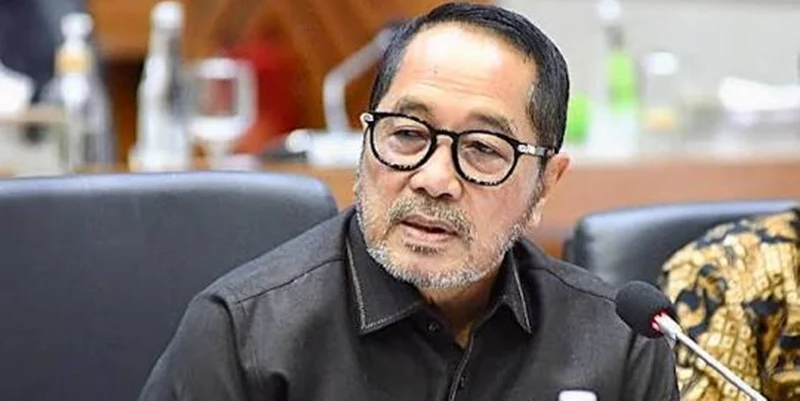
JAKARTA – In a departure from traditional, classroom-style political education, Golkar Party legislator Firman Soebagyo has introduced a groundbreaking approach to the dissemination of the Four Pillars of the People’s Consultative Assembly (MPR RI). By leveraging digital connectivity and grassroots agricultural innovation, Soebagyo is effectively tethering the abstract concepts of national identity to the pragmatic, soil-stained realities of Indonesian farmers.
The initiative, conducted via video conference, brought together activists and volunteers of "Biosaka"—an organic plant-based elicitor technology—across Central Java. The session was spearheaded by Anasar, the visionary pioneer and initiator of the Biosaka movement in the region, marking a significant convergence of civic duty and agricultural self-reliance.
The Shift in Political Communication: Beyond the Lectern
For decades, the socialization of the Four Pillars—Pancasila (the national ideology), the 1945 Constitution (UUD 1945), the Unitary State of the Republic of Indonesia (NKRI), and the motto of Unity in Diversity (Bhinneka Tunggal Ika)—has often been criticized for being overly academic and detached from the daily struggles of the common citizen.
Firman Soebagyo, a veteran lawmaker, argues that the sustainability of these national tenets relies on their ability to manifest as tangible solutions for the populace. During the session held on Monday, July 20, 2026, Soebagyo underscored that ideological strength is best cultivated when the state addresses the immediate needs of its agricultural backbone.
"The Four Pillars cannot be adequately socialized through lectures alone," Soebagyo stated in his official address. "We must take these values into the rice fields, into the farmer groups, and into the very heart of the rural economy. Biosaka is a prime example of this transition. It represents the ingenuity of our nation’s children, offering a way to boost production while drastically cutting operational costs for our farmers."
Chronology of the Initiative: Integrating Technology and Patriotism
The program’s structure was meticulously designed to bridge high-level policy with localized practical application. The event unfolded as follows:
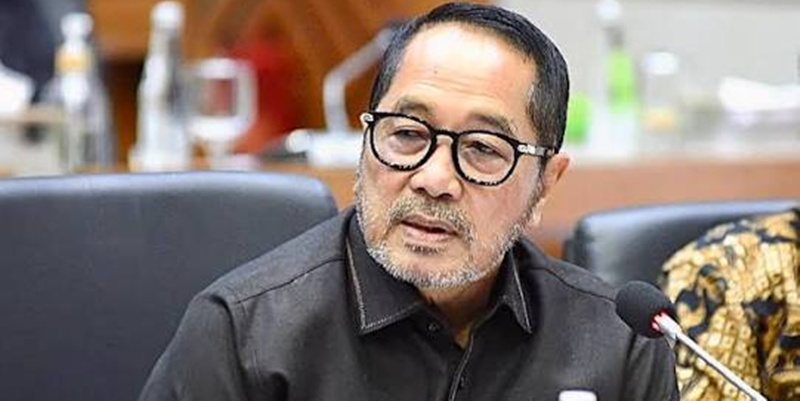
- The Digital Convergence: Utilizing video conferencing technology, Soebagyo connected with regional leaders in Central Java to bridge the geographical gap, ensuring that the legislative message reached the front lines of agricultural production.
- Technological Demonstration: Led by Anasar, the session transitioned from ideological discourse to technical training. Farmers were provided with hands-on guidance on the preparation and application of Biosaka—a natural growth promoter derived from local vegetation.
- Policy Alignment: Soebagyo meticulously mapped the technical benefits of Biosaka to the five principles of Pancasila, specifically focusing on the fifth pillar: Social Justice for All Indonesians.
- Strategic Call to Action: The session concluded with a mandate for the expansion of the program, with Soebagyo committing to sustained support and resource allocation for future workshops across his constituency.
Supporting Data: Why Biosaka Matters to the National Narrative
The inclusion of Biosaka in the legislative agenda is not merely a populist gesture; it is rooted in the urgent need to address the rising costs of agricultural inputs. For years, Indonesian farmers have been heavily reliant on synthetic fertilizers, the prices of which are susceptible to global supply chain volatility.
The Mechanics of Biosaka
Biosaka is not a fertilizer in the conventional sense; it is an "elicitor"—a substance that triggers a plant’s natural immune system and metabolic efficiency. Advocates argue that its benefits are three-fold:
- Economic Viability: By reducing the necessity for expensive chemical fertilizers, farmers can significantly lower their production costs, thereby increasing their net profit margins.
- Environmental Stewardship: The technology promotes sustainable soil health, aligning with global trends toward regenerative agriculture.
- Increased Yield: Preliminary data from field tests in Central Java suggest that the use of Biosaka, when applied correctly, results in more resilient crops and higher harvest volumes, directly contributing to national food security.
By framing this technology as a tool for national resilience, Soebagyo successfully elevates the role of the farmer from a mere producer to a guardian of the nation’s sovereignty.
Official Responses and Ideological Implications
In his address, Soebagyo articulated a profound interpretation of the fifth pillar of Pancasila. He challenged the notion that social justice is purely a matter of welfare distribution, arguing instead that it is a matter of systemic empowerment.
"True social justice is achieved when a farmer can prosper, see their production rise, and break free from the shackles of dependence on expensive, imported fertilizers," Soebagyo asserted. "When we empower the farmer, we are not just helping an individual; we are implementing the spirit of Pancasila directly in the field."
The Concept of "Agricultural Sovereignty as National Defense"
Soebagyo’s rhetoric aligns with the broader Indonesian concept of Bela Negara (Defense of the State). Traditionally, this is associated with military service, but in the context of the 21st century, Soebagyo redefines it as a form of economic and nutritional independence.

"A great farmer is one who loves their country by cultivating the land and feeding the nation," he noted. This sentiment elevates the status of the Indonesian agricultural worker, placing them at the forefront of the national agenda. By framing food security as a cornerstone of state defense, Soebagyo seeks to instill a sense of pride and professional dignity among the farming community.
Future Outlook: A Collaborative Model for Regional Development
The success of this pilot initiative has paved the way for a more robust collaboration between the legislature and agricultural innovators. Soebagyo has pledged to formalize this synergy, aiming to reach more villages across his electoral district in Central Java.
The Path Forward
- Scaling the Training: Plans are underway to establish decentralized training hubs where senior farmers and volunteers can act as local instructors for Biosaka.
- Policy Advocacy: Soebagyo intends to leverage his position in the MPR to encourage broader government support for organic and sustainable agricultural technologies, moving away from a policy framework that has long favored industrial chemical inputs.
- Institutional Integration: By fostering a partnership between the legislative branch, agricultural researchers like Anasar, and community volunteers, the program creates a tripartite model that ensures accountability and long-term sustainability.
"A nation is only as strong as its farmers," Soebagyo concluded. "And a farmer is only as strong as the policies and technologies that truly stand in their corner. By aligning our national values with the practical tools of modern, sustainable farming, we are building a foundation that will endure for generations."
Conclusion: A New Paradigm for Civic Engagement
Firman Soebagyo’s unconventional approach to the Four Pillars of the MPR serves as a case study for modern political communication. By discarding the ivory-tower approach in favor of practical, field-based engagement, he has managed to bridge the gap between the complex ideological framework of the Indonesian state and the immediate, material needs of its citizens.
As the program continues to expand, it remains a critical example of how political leadership can serve as a catalyst for innovation. If the "Biosaka model" continues to yield positive results in the rice paddies of Central Java, it may well serve as a template for legislative engagement across the archipelago—proving that the most effective way to uphold the principles of a nation is to ensure that every citizen, especially the farmer, has the tools to thrive within it.
About the Author: This report summarizes the recent legislative outreach efforts conducted by the Golkar Party in Central Java, emphasizing the integration of national ideology with sustainable agricultural practices.