Beyond the Stigma: Why These 5 Processed Foods Are Surprisingly Powerful Allies Against Colon Cancer
JAKARTA — In the modern nutritional landscape, "processed food" has become an almost universal dietary villain. Mentioned in the same breath as chronic illness, obesity, and systemic inflammation, processed foods are routinely blacklisted by wellness gurus and health-conscious consumers alike. However, nutritional science is rarely black-and-white.
While ultra-processed foods (UPFs) loaded with artificial preservatives, chemical additives, refined sugars, and sodium heavily warrant their poor reputation, a vital distinction is often lost in translation: not all processed foods are created equal.
Recent insights from leading dietitians and oncological nutritionists highlight a surprising paradigm shift. Far from being universally harmful, certain readily available, modestly processed foods can actively safeguard gut health and significantly lower the risk of colorectal cancer—one of the most prevalent and lethal malignancies worldwide.
Main Facts: Untangling Processed Foods from Ultra-Processed Dangers
To understand how processed foods can prevent rather than promote disease, experts urge consumers to look closely at the manufacturing spectrum.
- The Definition of Processing: Standard processed foods are items that have been altered from their original state through foundational culinary or industrial methods—such as cleaning, heating, pasteurizing, chilling, drying, canning, or basic milling. The goal is to extend shelf life safely or enhance digestibility while retaining core structural nutrients.
- The UPF Contrast: Ultra-processed foods (UPFs), conversely, undergo extensive industrial fractionation. They are engineered formulations containing heavy chemical additives, synthetic colorings, intense artificial flavorings, texturizers, and high concentrations of industrial seed oils and refined sugars.
- The Colorectal Cancer Connection: Colorectal cancer is heavily influenced by dietary patterns. Diets deficient in dietary fiber, heavy in processed red meats, and devoid of protective micronutrients create an inhospitable gut environment. Conversely, incorporating specific functional, modestly processed foods supplies the gut microbiome with essential prebiotics, calcium, and short-chain fatty acids that fortify the intestinal mucosal lining and suppress tumorigenesis.
According to data compiled from health authorities and referenced by nutritional platforms like EatingWell, introducing specific categories of processed items into your weekly meal rotation can serve as a potent dietary shield for your colon.
Chronology: The Evolution of Dietary Guidelines on Gut Health
The understanding of how food processing impacts gastrointestinal malignancies has evolved significantly over the past few decades.
1. The Early Warning Eras (Late 20th Century)
Medical science initially treated all factory-packaged and altered foods with sweeping skepticism. As epidemiological studies in the 1980s and 1990s linked high consumption of preserved, smoked, and heavily salted meats to soaring rates of gastric and colorectal cancers, public health messaging leaned toward a blanket avoidance of anything "processed."
2. The Rise of the NOVA Classification (2009)
A turning point in nutritional epidemiology arrived when researchers—most notably through the University of São Paulo’s NOVA food classification system—begam categorizing foods by the extent and purpose of industrial processing rather than simply looking at them as "natural" versus "artificial." This framework finally separated harmful industrial formulations (UPFs) from traditional culinary processes (like canning beans, freezing vegetables, or fermenting dairy).
3. Modern Oncological Nutrition (Present Day)
Today, clinical dietetics emphasizes functional components—such as dietary fiber, calcium matrices, and plant-based protein isolates found within processed items. Dietitians no longer advocate for an impossible, entirely raw or unprocessed diet. Instead, they champion strategic, health-promoting processed choices that make nutrient-dense eating accessible, affordable, and sustainable for the general public.
Supporting Data: 5 Processed Foods Clinically Recommended to Prevent Colon Cancer
Health experts, including registered dietitian nutritionists (RDNs) Nichole Andrews and Stacy Davis, emphasize that incorporating these five specific processed foods into your weekly diet can drastically improve long-term bowel health.

+------------------------------------------------------------------------+
|                 WEEKLY GUT-HEALTHY PROCESSED FOODS                     |
+--------------------------+---------------------------------------------+
| 1. Plain Yogurt          | Supplies calcium & probiotics for colon     |
|                          | lining protection.                          |
+--------------------------+---------------------------------------------+
| 2. Frozen Fruits/Veggies | Peak-ripened, nutrient-locked alternatives  |
|                          | without added sugars/sodium.                |
+--------------------------+---------------------------------------------+
| 3. 100% Whole Wheat Bread| Delivers essential insoluble fiber and      |
|                          | prebiotic fuel.                             |
+--------------------------+---------------------------------------------+
| 4. Canned Beans          | Speeds transit time, clearing toxins from   |
|                          | the colon.                                  |
+--------------------------+---------------------------------------------+
| 5. Tofu                  | Offers high-quality plant-based protein     |
|                          | linked to reduced tumor risks.              |
+--------------------------+---------------------------------------------+
1. Plain Yogurt
Yogurt is a staple fermented dairy product created by introducing live bacterial cultures into milk. Registered dietitian nutritionist Nichole Andrews strongly advocates for yogurt, noting robust clinical evidence linking dairy foods and calcium intake directly to a reduced risk of colorectal cancer.
- The Mechanism: Epidemiological data consistently demonstrates an inverse relationship between high calcium intake and colon cancer risk. Calcium binds to secondary bile acids and ionized fatty acids in the gut lumen, neutralizing their potential to irritate and damage the epithelial lining of the colon.
- Best Practices: Consumers must look closely at nutrition labels. Nutritionists advise purchasing plain, unflavored yogurt to avoid hidden added sugars that fuel systemic inflammation. For added flavor and textural variety, natural toppings like fresh berries, seeds, or a light sprinkle of high-fiber granola are ideal.
2. Frozen Fruits and Vegetables
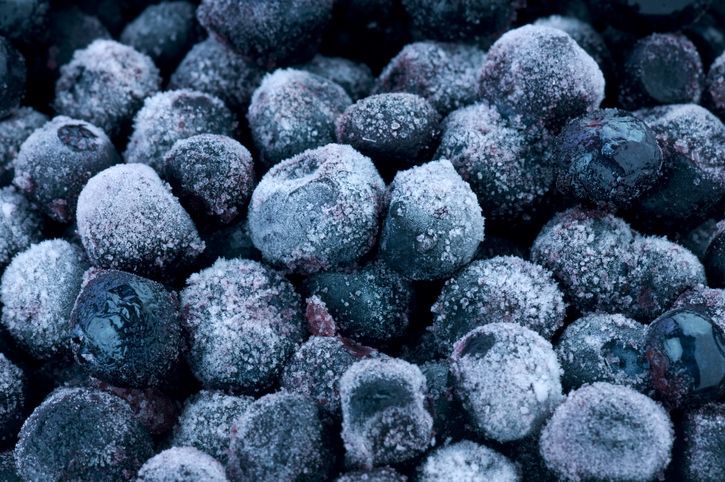
Fresh produce is widely praised, but frozen fruits and vegetables are often overlooked powerhouses. Contrary to the misconception that frozen foods are nutritionally inferior, they are frequently superior in micronutrient density compared to their "fresh" supermarket counterparts.
- The Mechanism: Produce designated for freezing is harvested at peak ripeness—when vitamin and mineral concentrations are at their absolute highest. Within hours of harvest, the produce is flash-frozen at cryogenic temperatures. This locks in heat-sensitive vitamins (like Vitamin C and folate) and halts enzymatic degradation.
- Best Practices: Stacy Davis, RD, LDN, emphasizes that frozen produce offers a massive kitchen shortcut—pre-washed, sliced, and destemmed—making healthy cooking frictionless. However, shoppers must meticulously check ingredient lists to ensure they are buying options completely free of added sodium, chemical preservatives, heavy syrups, or saturated fat-laden sauces.
3. Whole Wheat Bread
Bread has endured a difficult reputation in the era of low-carb and gluten-free fads, often criticized as an empty-calorie processed grain. However, clinical nutritionists draw a bright line between refined white flour products and authentic whole-grain alternatives.
- The Mechanism: Whole wheat bread retains the bran and germ layers of the grain, providing a concentrated matrix of insoluble dietary fiber. According to nutritional researchers, high fiber intake supports regular bowel motility and acts as substrate fuel for beneficial gut microbes. Fermentation of this fiber by gut bacteria yields short-chain fatty acids (SCFAs), notably butyrate, which acts as the primary energy source for colonocytes (colon cells) and exhibits potent anti-inflammatory and anti-neoplastic properties.
- Best Practices: To reap these rewards, shoppers must verify that the packaging explicitly states "100% whole wheat" or "100% whole grain flour" as the primary ingredient. Toasting a slice and pairing it with healthy monounsaturated fats like mashed avocado or natural almond butter creates an ideal gut-protective meal.
4. Canned Beans
Canned legumes—including black beans, chickpeas, kidney beans, and lentils—are classic examples of processed foods that belong in every pantry. The canning process utilizes pressure cooking to sterilize and soften the legumes, making them instantly ready for human consumption.
- The Mechanism: Beans are fiber and resistant starch titans. The high concentration of viscous dietary fiber absorbs water, bulks up stool, and dramatically accelerates transit time through the colon. By shortening the duration that the intestinal lining is exposed to potential carcinogens and metabolic waste products, beans lower the risk of cellular mutation. Furthermore, prebiotic fibers feed beneficial microbial strains that reinforce the gut barrier.
- Best Practices: Canned beans are exceptionally safe and convenient, but they can carry high sodium loads from the canning brine. The solution is simple: thoroughly rinse and drain the beans in a colander under cold water before tossing them into soups, salads, grain bowls, or pasta dishes.
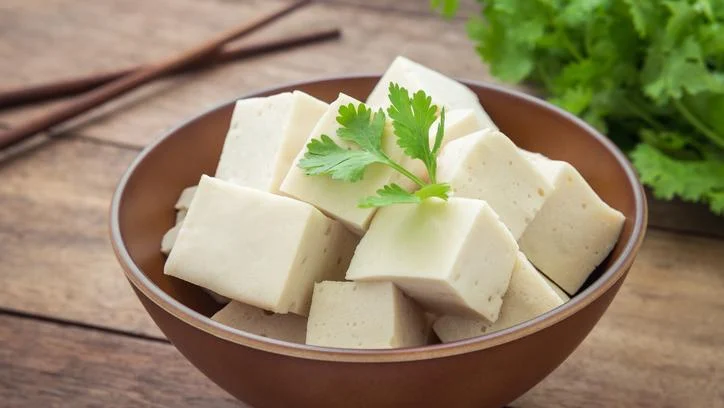
5. Tofu
Originating from the coagulation of soy milk, tofu is a staple plant-based protein that undergoes a traditional food-processing method. Though categorized as processed, tofu features a soft, moisture-rich matrix that delivers profound health benefits.
- The Mechanism: Tofu is packed with plant-based compounds known as isoflavones and provides a stellar alternative to red and processed meats—the latter of which are classified as Group 1 carcinogens by the World Health Organization. Swapping out heme iron-heavy animal proteins for soy-based legumes is clinically associated with a lower incidence of colorectal malignancies and improved metabolic markers.
- Best Practices: Tofu is an exceptionally versatile canvas. Because of its neutral flavor profile and soft texture, it readily absorbs marinades, spices, and sauces, making it an easy substitute in scrambles, stir-fries, soups, and smoothies.
Official Responses and Expert Consensus
Public health organizations and global nutritional bodies have increasingly refined their messaging regarding food processing. The American Institute for Cancer Research (AICR) and the World Cancer Research Fund (WCRF) emphasize that while limiting ultra-processed items high in trans fats, added sugars, and nitrates is a cornerstone of cancer prevention, demonizing all forms of food processing is scientifically inaccurate and counterproductive.
Dietitians stress that processing techniques like pasteurization, freezing, canning, and fermentation make nutritious foods safe, accessible, and shelf-stable year-round. For lower-income communities or food-insecure populations, canned beans and frozen vegetables are not just healthy choices—they are essential, life-saving nutritional equalizers that bridge the gap to optimal gut health.
Implications: Shifting the Narrative on Smart Nutrition
The realization that specific processed foods can prevent colorectal cancer marks a fundamental shift in how consumers should approach grocery shopping.
- Nuance Over Dogma: Consumers must graduate from blanket dietary fears. Instead of asking simply “Is this food processed?”, the critical question should be: “What has been added to this food, and what essential nutrients have been retained or enhanced?”
- Accessibility and Prevention: Colorectal cancer remains a leading cause of cancer-related mortality globally, yet its incidence is heavily dictated by modifiable lifestyle factors. By embracing affordable, shelf-stable, and modestly processed items like canned beans, frozen berries, plain yogurt, whole wheat bread, and tofu, individuals can proactively fortify their gastrointestinal tracts without breaking the bank.
- Future Public Health Strategies: Health educators face the task of clearing up consumer confusion, ensuring that public health campaigns teach everyday citizens how to read food labels, spot ultra-processed traps, and embrace functional, health-promoting processed staples as shields against chronic disease.