
Beyond the Shell: A Comprehensive Nutritional Breakdown of Your Favorite Egg Dishes

Jakarta – For millions of people worldwide, the humble egg is the cornerstone of the morning ritual. Whether it is a quick hard-boiled snack, a perfectly runny soft-boiled accompaniment to ramen, or a hearty, savory omelet, eggs are celebrated for their versatility, affordability, and exceptional protein content. However, for those meticulously tracking their caloric intake, the method of preparation changes the nutritional profile of an egg significantly.
Understanding the caloric density and macronutrient breakdown of various egg preparations is essential for anyone looking to optimize their diet, whether for weight loss, muscle gain, or general health maintenance.
The Nutritional Powerhouse: Why Eggs Matter
Eggs are often referred to as nature’s multivitamin. They provide high-quality protein that acts as an "instant energy" source, keeping the body satiated for longer periods compared to refined carbohydrates. Beyond just satiety, eggs are packed with essential vitamins and minerals that support metabolic function, bone density, and cognitive health.
However, the "health" of an egg is highly dependent on how it is prepared. While the egg itself is a low-calorie, nutrient-dense food, the addition of oils, butter, or other ingredients during cooking can drastically alter its caloric footprint.
Detailed Caloric Breakdown by Preparation Method
1. The Hard-Boiled Egg: The Gold Standard for Dieting
For many fitness enthusiasts, the hard-boiled egg is the pinnacle of dietary convenience. According to data from Healthline, a single large hard-boiled egg (50 grams) contains approximately 77 calories.
Nutritional Profile (per 50g whole egg):

- Calories: 77 kcal
- Protein: 6.3 grams
- Total Fat: 5.3 grams
- Saturated Fat: 1.6 grams
- Cholesterol: 212 mg
- Carbohydrates: 0.6 grams
Beyond the macros, hard-boiled eggs are a goldmine of micronutrients. They provide 86 mg of phosphorus (9% of the Reference Daily Intake), 15.4 mcg of selenium (22% of RDI), and are rich in B-vitamins, including Riboflavin (15% RDI) and B12 (9% RDI). According to WebMD, the inclusion of hard-boiled eggs in a diet aids in weight management, strengthens bone structure, and provides choline—a vital nutrient for cellular growth and brain function. Furthermore, they contain antioxidants like lutein and zeaxanthin, which are essential for long-term eye health.
2. The Soft-Boiled Egg: A Leaner Alternative
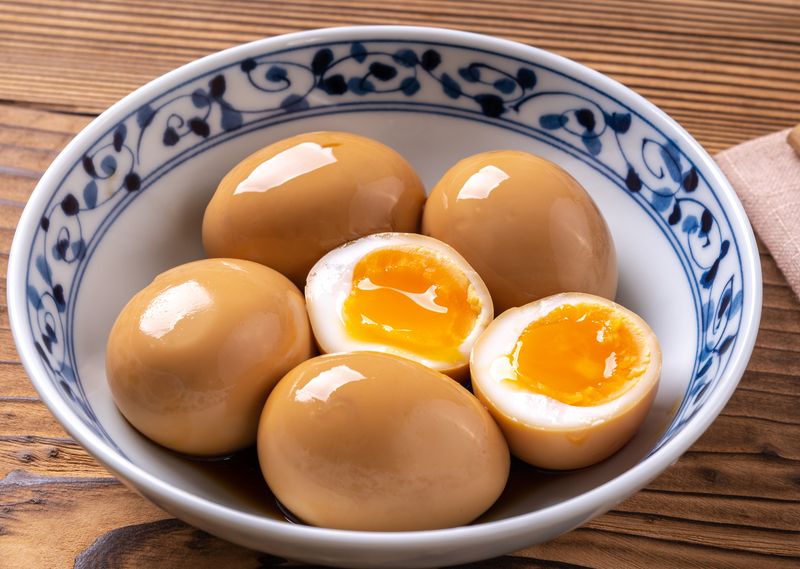
Soft-boiled eggs, often served in breakfast bowls or atop Asian-inspired noodle dishes, offer a slightly lower caloric count. Data from MyFitnessPal suggests that a standard soft-boiled egg contains roughly 68 calories.
- Calories: 68 kcal
- Protein: 5.5 grams
- Fat: 4.7 grams
- Carbohydrates: 0 grams
The slight difference in calories compared to hard-boiled eggs is often attributed to minor variations in water content and the specific duration of the cooking process, which can influence how the fat and proteins are distributed within the yolk.
3. The Omelet (Telur Dadar): The Indulgent Choice
The omelet—or telur dadar—is a staple in many cultures. However, because it typically involves frying and often includes added fats like oil or butter, its caloric value increases substantially. Nutritionix reports that a two-egg omelet contains approximately 221 calories.
Nutritional Profile (per 122g serving):
- Calories: 221 kcal
- Protein: 14 grams
- Total Fat: 16-18 grams (varies by cooking fat used)
- Sodium: 365 mg
- Cholesterol: 427 mg (142% of daily value)
The higher calorie and sodium content in omelets compared to boiled eggs makes them a "treat" rather than a daily staple for those on a strictly restricted caloric diet. The cholesterol content, in particular, should be monitored by those with specific cardiovascular concerns.

The Variables: Size and Anatomy
It is a common misconception that all eggs are created equal. In reality, the size of the egg and which part of the egg you consume significantly changes the nutritional impact.
Understanding Egg Sizing
Caloric intake must be adjusted based on the physical size of the egg. The industry standard "large" egg (50g) is the baseline, but the spectrum ranges widely:
- Small (38g): 54 calories
- Medium (44g): 63 calories
- Large (50g): 77 calories
- Extra Large (56g): 80 calories
- Jumbo (63g): 90 calories
The Yolk vs. The White
If you are aiming for extreme caloric restriction, understanding the division of nutrients between the yolk and the white is vital.
- The White: A single egg white contains only about 18 calories (per 34g). It is almost pure protein.
- The Yolk: The yolk, while nutrient-dense, contains approximately 56 calories (per 17g).
By opting for egg-white omelets, individuals can significantly reduce their caloric intake while maintaining a high protein intake, though they sacrifice the healthy fats and fat-soluble vitamins (A, D, E, and K) stored in the yolk.
Chronology of Nutritional Awareness
The shift in how we perceive eggs has been dramatic over the last few decades.
- The 1980s-1990s: Eggs were widely demonized due to their cholesterol content. Public health guidelines encouraged limiting egg consumption to avoid spikes in blood cholesterol levels.
- The 2000s: Clinical research began to distinguish between dietary cholesterol and blood cholesterol. It was discovered that for the vast majority of the population, dietary cholesterol from eggs has a minimal impact on serum cholesterol levels.
- The Present Day: The focus has shifted from "fear of the yolk" to "mindfulness of preparation." Nutritionists now emphasize that the method of cooking (i.e., frying in vegetable oil versus boiling in water) is the primary factor in whether an egg dish promotes or hinders health goals.
Expert Perspectives and Implications
Health organizations and dietitians consistently argue that the "egg-as-a-villain" narrative is outdated. However, the caloric surplus created by excessive frying remains a concern for global obesity rates.
"The egg is not the problem," says one nutritional expert. "The problem is the side dishes and the oils used to cook them. A boiled egg is a low-glycemic, high-satiety food. An omelet drenched in butter and paired with processed meats, however, becomes a completely different nutritional profile."
Implications for the Modern Consumer
For the modern consumer, the implications are clear:
- Preparation is Key: If weight loss is the primary goal, boiling or poaching are the preferred methods. These methods add zero calories to the egg.
- Monitor Cooking Fats: If you prefer omelets, use non-stick pans and minimal oil (like olive or avocado oil) to keep the calorie count under control.
- Read Labels: When purchasing eggs, be aware of the weight/size category, as "Jumbo" eggs can add nearly 20% more calories than "Medium" eggs without you realizing it.
- Balance: Use eggs as a base. By pairing an egg with fiber-rich vegetables (spinach, tomatoes, mushrooms), you can create a meal that is voluminous, low-calorie, and highly nutritious.
Conclusion
Eggs remain one of the most efficient ways to nourish the human body. By understanding the caloric differences between boiling and frying, and recognizing the impact of egg size, consumers can make informed decisions that align with their personal health journeys. Whether you are looking to build muscle or simply maintain a healthy weight, the egg remains a versatile tool—provided you choose the method that fits your specific needs.