Beyond the Screen: Ochi Rosdiana Shares Harrowing Supernatural Encounters During ‘Lingsir Wengi’ Production
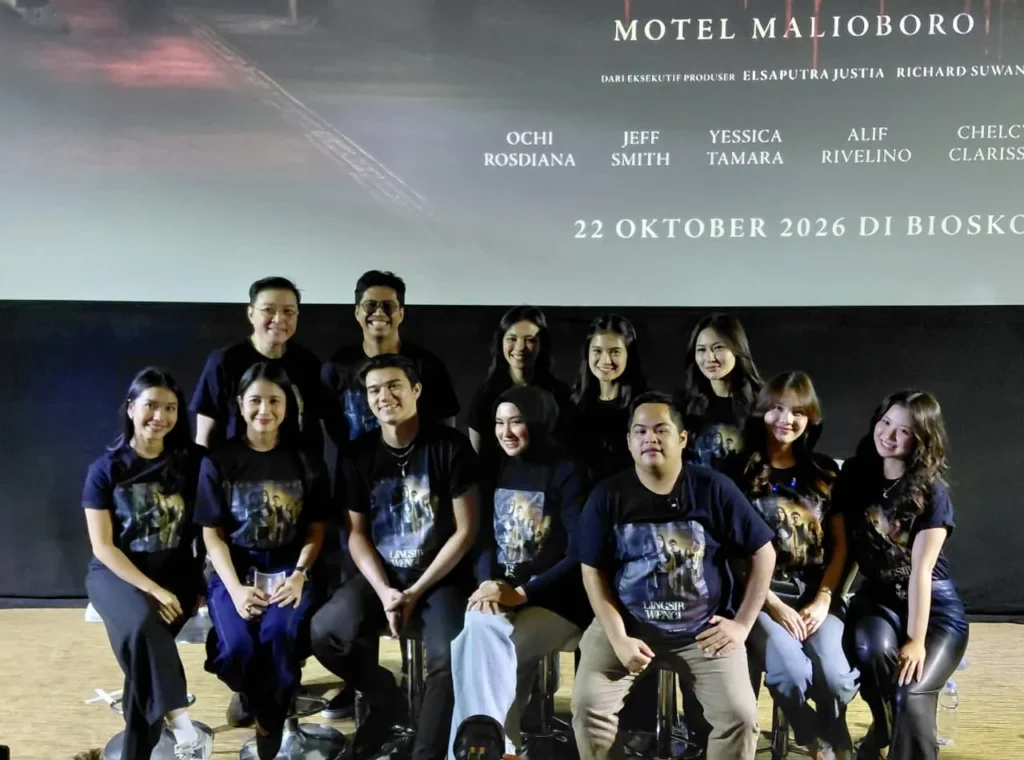
JAKARTA, INDONESIA – The thin veil between cinematic fiction and reality appears to have worn dangerously thin during the production of the upcoming Indonesian horror feature, Lingsir Wengi: Motel Malioboro. Actress Ochi Rosdiana, the film’s lead, has recently opened up about a series of disturbing, unexplained incidents that plagued the cast and crew, culminating in a harrowing instance of alleged possession that occurred on set.
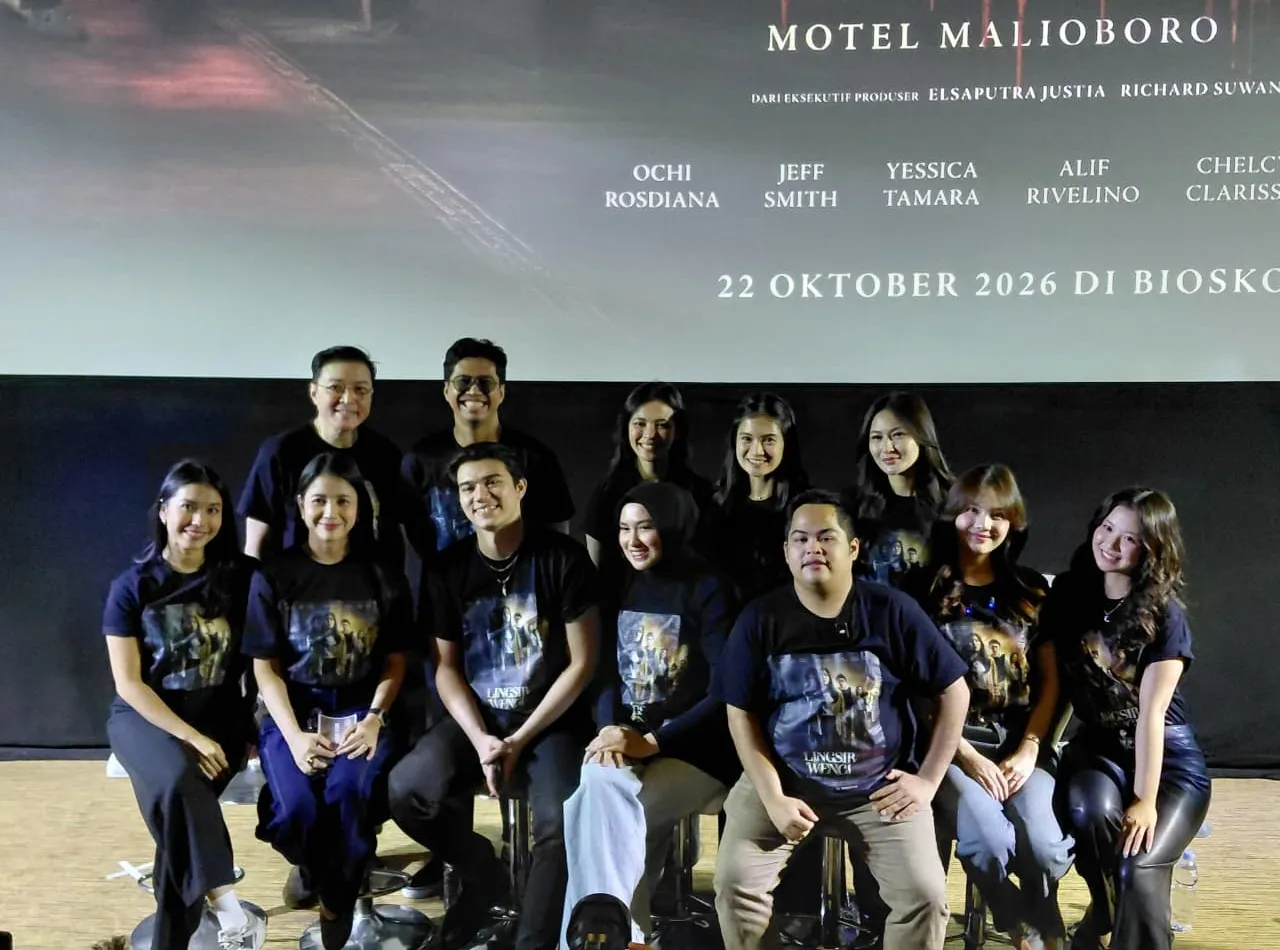
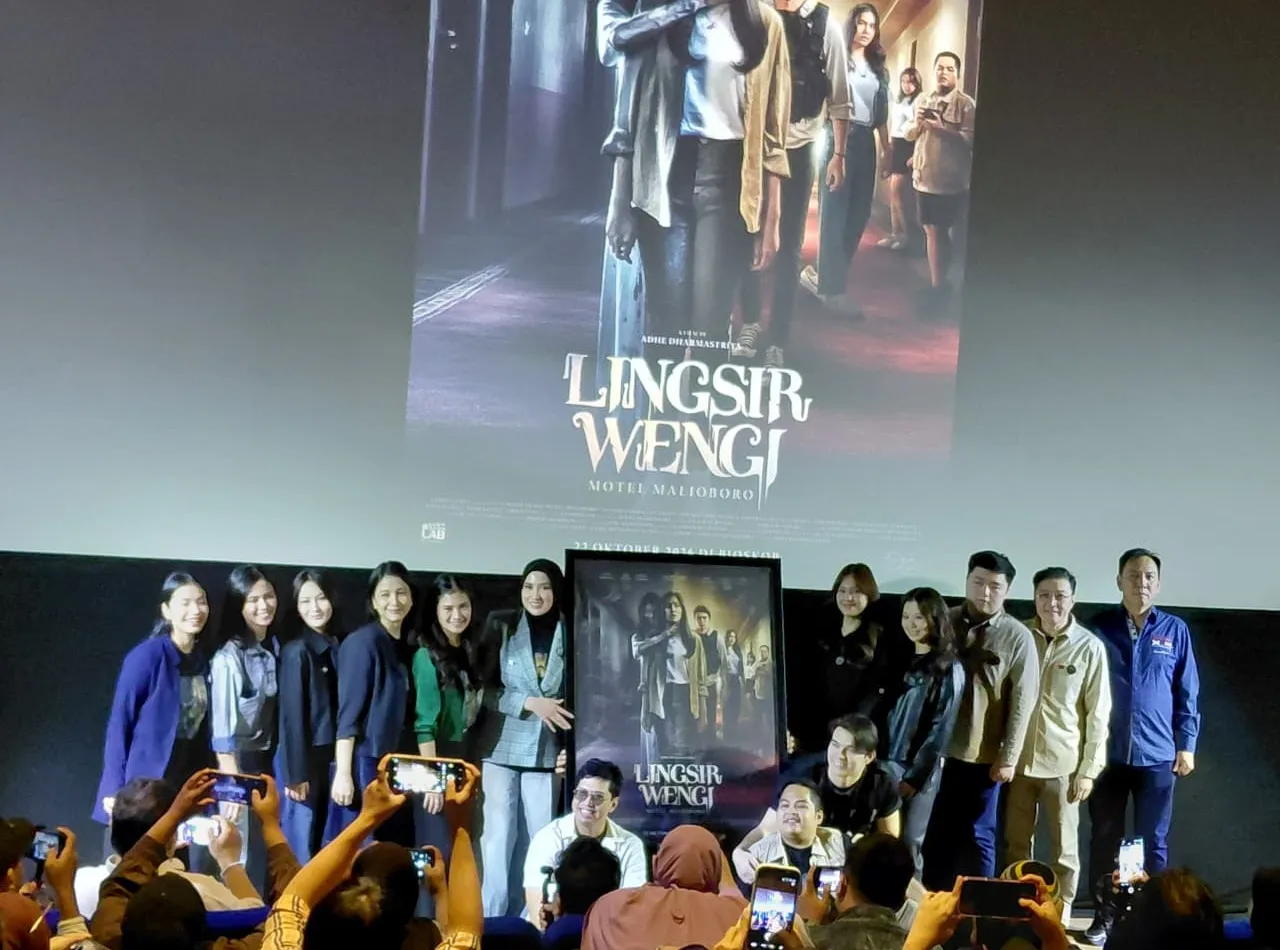
These revelations, shared during a press conference at XXI Plaza Senayan on September 11, 2026, have cast a shadow of unease over the production, which is slated for theatrical release on October 22, 2026. While horror films often lean into "haunted set" marketing tropes, Rosdiana’s testimony highlights a visceral, physical experience that has left the production team shaken.
The Genesis of Unease: A Foul Scent in the Dark
The psychological toll of the production began with sensory disturbances. According to Rosdiana, the atmosphere at the primary filming location—a set constructed to mimic the ominous aesthetic of the Motel Malioboro—was frequently heavy and oppressive.
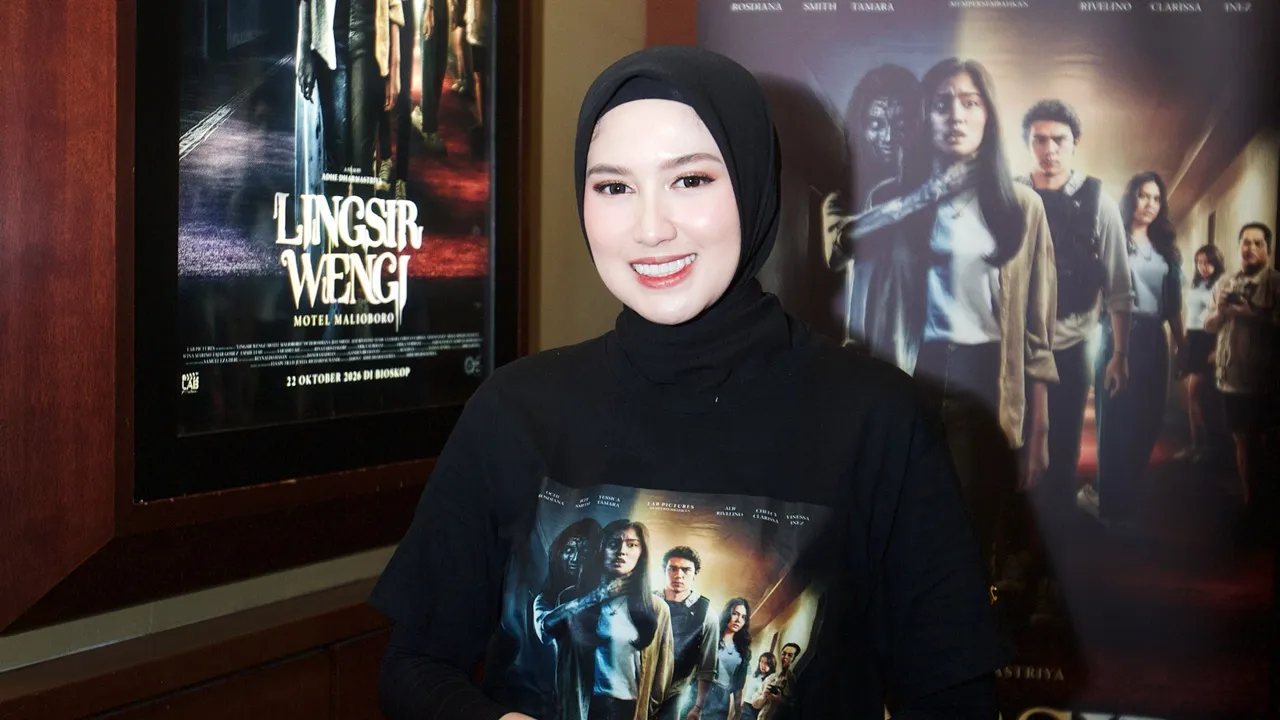
The first major red flag occurred when Rosdiana, while in a designated basecamp area, was struck by an overwhelming, metallic stench of fresh blood. "I was using a hairdryer to style my hair when the smell suddenly hit me," Rosdiana recounted to the press. "It was potent, unmistakable, and deeply unsettling. It was so intense that I couldn’t stay in that room. I felt physically repulsed, so I moved to a different area entirely."
This was not an isolated experience. Shortly after vacating the room, Rosdiana received a message from her co-star, Alif Rivelino, who had entered the same area. Rivelino, oblivious to Rosdiana’s experience, messaged her to express his own shock at the pervasive smell of blood in that exact spot. The convergence of these two independent reports suggests an atmospheric phenomenon that went beyond mere coincidence.
Chronology of the Night: From Dusk to 2:00 AM
The events of the production took a turn from atmospheric discomfort to active terror as the night progressed. The chronology of the incident, as described by Rosdiana, highlights the transition from a standard night of filming to an emergency situation.
The Maghrib Warning
As the sun set and the "Maghrib" hour—often associated in local folklore with the thinning of spiritual boundaries—approached, the basecamp atmosphere grew increasingly volatile. Rosdiana noted that the smell of blood persisted, hanging in the air like a physical shroud, despite the crew’s attempts to air out the rooms.
The Trigger
The shift in the assistant’s behavior began following a casual interaction. After the crew finished a meal, a member of the production team allegedly claimed to have spotted a pocong (a shroud-bound spirit in Indonesian mythology) near the location. The assistant, already on edge due to the day’s events, grew visibly pale and began to tremble.
The Incident at 2:00 AM
The climax of the ordeal occurred at approximately 2:00 AM. Rosdiana recalls that her assistant, who had been struggling with the environment all day, suddenly began to exhibit signs of physical distress that went far beyond mere exhaustion or illness.
"I was shocked, honestly," Rosdiana said. "It wasn’t a standard faint. She began to change in ways that were terrifying to witness. I was the only one with her at that moment, and I tried to hold her, but her body felt impossibly heavy. I have heard about how heavy a person can become when they are ‘occupied,’ but feeling it firsthand was a nightmare."
The Physical Toll: Firsthand Evidence of the Unexplained
Perhaps the most startling aspect of Rosdiana’s account is the physical evidence she carries from the encounter. In her attempt to restrain her assistant during the episode, Rosdiana sustained physical injuries.
"I was trying to keep her from hurting herself or falling, but it was like holding onto a weight far beyond a human’s capacity," she explained. "When the situation finally de-escalated, I looked at my hands and realized I had deep, fresh scratch marks. I don’t remember doing it to myself, and she certainly hadn’t been acting in a way that would cause that intentionally."
For Rosdiana, who has participated in various projects throughout her career, this was her first time witnessing a suspected possession at such close quarters. The duration and intensity of the event left a profound psychological impact, forcing the actress to grapple with the reality of the unseen.
Contextualizing the Production: ‘Lingsir Wengi: Motel Malioboro’
Despite the turmoil behind the scenes, the production team remains committed to delivering a high-quality horror experience. Lingsir Wengi: Motel Malioboro, directed by Adhe Dharmastriya, is billed as a complex narrative that weaves together themes of adventure, broken friendship, systemic betrayal, and the complexities of human love.
The film features a strong ensemble cast, including Jeff Smith, Ochi Rosdiana, Alif Rivelino, and Yessica Tamara. The producers argue that the intensity of the filming environment, while frightening, has ultimately contributed to the raw performances captured on screen.
Official Production Stance
While the studio has not issued a formal statement regarding the supernatural claims, members of the crew have acknowledged that the location chosen for the film carries a "heavy" reputation. In professional film production, particularly in the horror genre, the "energy" of a set is often discussed in hushed tones, with many directors opting to perform traditional blessings or selamatan ceremonies before cameras roll to appease the local environment.
Implications for the Horror Genre in Indonesia
The intersection of celebrity culture and the supernatural has long been a staple of the Indonesian entertainment industry. Stories like Rosdiana’s serve several functions:
- Marketing and Anticipation: Horror films in Indonesia often benefit from "viral" stories regarding behind-the-scenes hauntings. It builds an aura of authenticity that appeals to the core demographic of horror fans who seek films that are "truly" haunted.
- Cultural Sensitivity: These incidents reinforce the deeply ingrained cultural belief in the metaphysical. In Indonesia, the belief that certain locations hold memory or spiritual residues is not a fringe idea, but a societal norm.
- The Ethics of Reporting: Journalists face the challenge of balancing the promotional needs of the film industry with the responsibility of reporting on the mental and physical well-being of the performers. Rosdiana’s candidness, however, provides a rare look at the human cost of immersive horror production.
Conclusion: A Film Rooted in Reality?
As the release date of October 22, 2026, approaches, the question remains: will the audience be able to distinguish between the intentional scares crafted by director Adhe Dharmastriya and the genuine terror experienced by the cast during production?
Ochi Rosdiana’s experience serves as a stark reminder that for the actors involved, the screen is not always a barrier. Sometimes, the horror follows them home. Whether one attributes these events to mass hysteria, the psychological strain of long, graveyard-shift filming hours, or something more inexplicable, the story of the Motel Malioboro set has already secured its place in the annals of Indonesian cinematic folklore.
For now, the cast continues their promotional tour, hoping that the audience finds the film as chilling as the production process was for them. One thing is certain: when viewers see the fear in Ochi Rosdiana’s eyes on screen, they will know it might not be acting at all.