JAKARTA — For culinary enthusiasts across the globe, the appeal of spicy food goes far beyond simple nutrition; it is an immersive sensory experience. The endorphin rush triggered by the fiery compounds of chili peppers transforms a standard meal into an unforgettable adventure.
Recently, the global culinary landscape turned its spotlight toward Southeast Asia, specifically Indonesia, as prestigious international lifestyle and travel publications—including a recent feature by Cathay Pacific—released an updated compilation of the world’s seven spiciest foods. To the delight of local foodies and the wider archipelago, Indonesia’s ubiquitous comfort food, Ayam Penyet, proudly secured its place among the most blistering dishes on the planet.
Measured scientifically through the Scoville Heat Unit (SHU) scale, which quantifies the concentration of capsaicin (the active component of chili peppers that produces heat), these seven dishes represent the absolute pinnacle of culinary heat. From the street-side stalls of Java to the fiery curry houses of Birmingham, this comprehensive report examines the main facts, the chronological evolution of global spicy foods, empirical supporting data, official and expert responses, and the cultural implications of our shared obsession with heat.
1. Main Facts: The Science of Heat and the Rise of Ayam Penyet
At the heart of every spicy dish lies capsaicin, a chemical irritant that binds with pain receptors in the mouth, tricking the brain into perceiving actual thermal heat. While some cultures rely on warming spices like black pepper or ginger, others—particularly those situated near the equatorial belt—have historically cultivated varieties of the Capsicum genus that register hundreds of thousands, or even millions, of SHU.
While dishes like India’s Goan Vindaloo and the UK’s notorious Phaal Curry utilize ghost peppers and Carolina Reapers that push past the million-SHU mark, Indonesia’s entry—Ayam Penyet—relies on a delicate balance of fermentation, spice-marinades, and freshly crushed bird’s eye chilies (cabe rawit).
What Makes Ayam Penyet Unique?
Originating from the culinary heartland of Java, Ayam Penyet translates literally to "smashed fried chicken." The process is meticulous:
The Marinade: Chicken pieces are thoroughly coated in a rich paste of garlic, shallots, galangal, turmeric, coriander, and salt.
The Braising (Ungkep): The chicken is simmered (diungkep) in the spice mixture until tender, allowing the flavors to penetrate deep into the bone.
The Fry: It is then deep-fried to achieve a golden, crispy exterior while retaining the succulent juices inside.
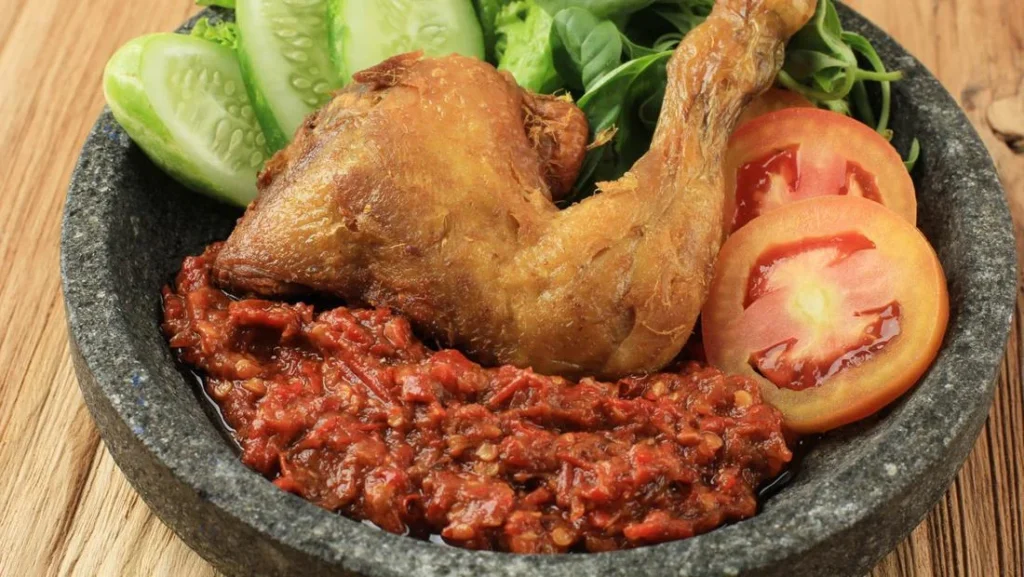
The Smash (Penyet): Just before serving, the chicken is physically smashed using a wooden pestle (ulekan) against a stone mortar (cobek), which helps fracture the fibers and primes it to absorb the accompanying chili paste.
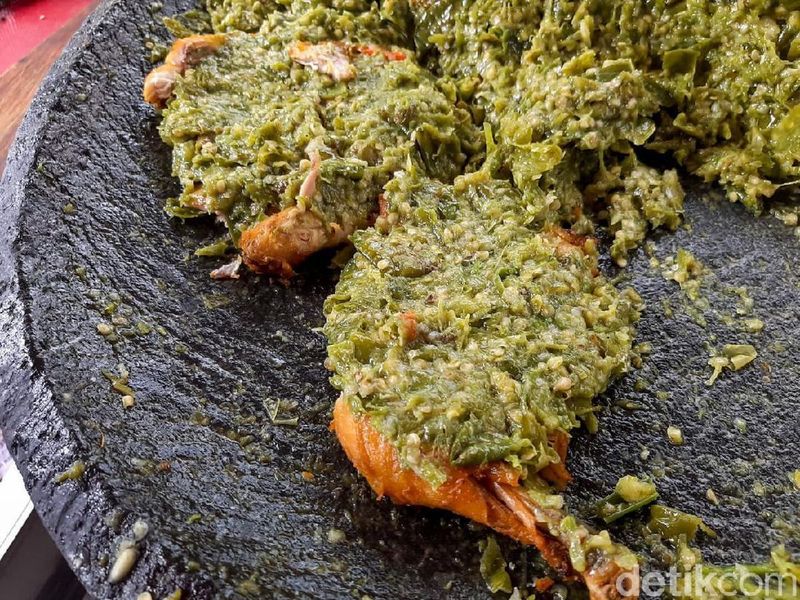
The Sambal: The dish is defined by its fiery sambal terasi or sambal rawit—a raw, freshly ground paste of red chilies, bird’s-eye chilies, shrimp paste, and lime juice.
According to global food metrics, the raw bird’s-eye and red chili combination used in authentic Indonesian sambals can easily scale up to 100,000 SHU, landing Ayam Penyet comfortably among the world’s most intense, yet deeply flavorful, fiery dishes.
2. Chronological Evolution: From Indigenous Remedy to Global Phenomenon
The history of capsaicin consumption spans centuries, evolving from ancient preservation techniques to global gastronomic badges of honor.
Pre-Columbian Era: Indigenous populations in Central and South America were the first to cultivate chili peppers, using them for both medicinal properties and food preservation.
The Columbian Exchange (16th Century): Spanish and Portuguese traders introduced chili peppers to Asia, Africa, and Europe. Within decades, local farmers across the Indonesian archipelago, Thailand, and India integrated these fiery pods into their native spice profiles, giving birth to regional identities anchored in heat.
The Mid-20th Century (Institutionalization of Heat): In the UK, the post-colonial wave of South Asian immigration introduced fiery adaptations like British-Bangladeshi Phaal curry, challenging local tolerances. Concurrently, humble street foods like Ayam Penyet evolved in Indonesian kampungs as an accessible, high-energy meal for laborers.
The 21st Century (Digital Media & Global Rankings): With the rise of food tourism, digital documentation, and culinary journalism, regional dishes were systematically cataloged. The inclusion of Ayam Penyet in major international roundups marks a modern turning point, transitioning local Indonesian comfort food into an internationally recognized icon of spice.
3. Supporting Data: The Global Top 7 Spiciest Foods
To understand where Ayam Penyet stands, we must examine the full spectrum of the world’s seven spiciest dishes, ranked by their composition and estimated Scoville Heat Units:
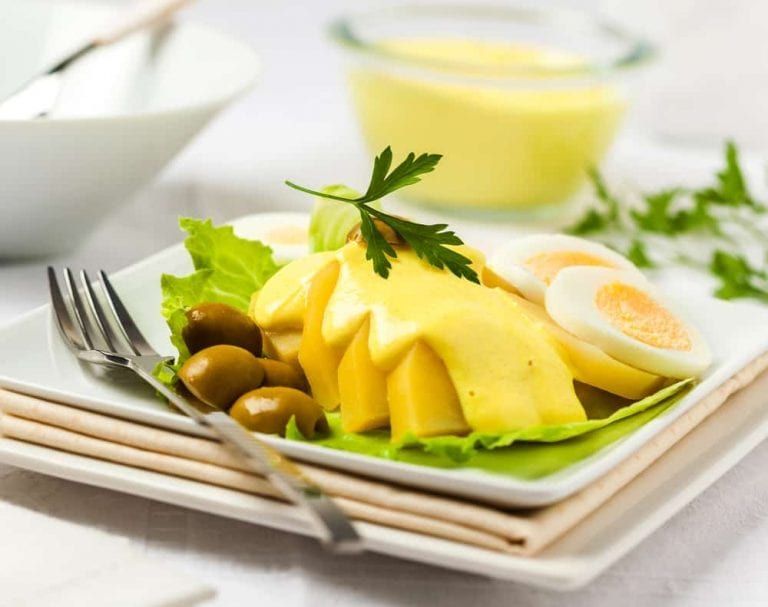
1. Papa a la Huancaina (Peru)
The Heat Source:Aji Amarillo (Yellow Chili)
Scoville Scale: 30,000 – 50,000 SHU
Profile: Often disguised as a harmless, creamy appetizer of boiled potatoes smothered in a rich cheese sauce, this Peruvian classic derives its surprising kick from native aji amarillo peppers, registering roughly ten times the heat of a standard jalapeño.
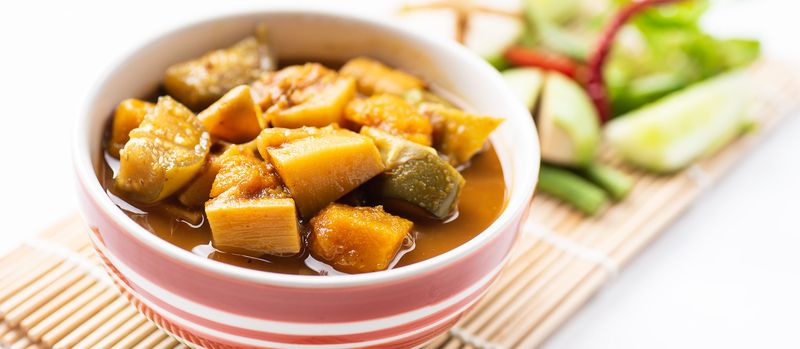
2. Kaeng Tai Pla (Thailand)
The Heat Source: Fresh and dried bird’s-eye chilies combined with fermented fish entrails.
Scoville Scale: Exceeding 100,000 SHU
Profile: Hailing from southern Thailand, this pungent fish curry blends turmeric, galangal, kaffir lime, and an overwhelming amount of raw chilies, creating an intense umami bomb that challenges even seasoned spice lovers.
3. Ayam Penyet (Indonesia)
The Heat Source: Bird’s eye chili (cabe rawit) and red chili paste.
Scoville Scale: Up to 100,000 SHU
Profile: Crispy, smashed fried chicken paired with a freshly pounded raw sambal. Its brilliance lies in the harmony between the rich, aromatic fried chicken and the sharp, bright burn of the chili.
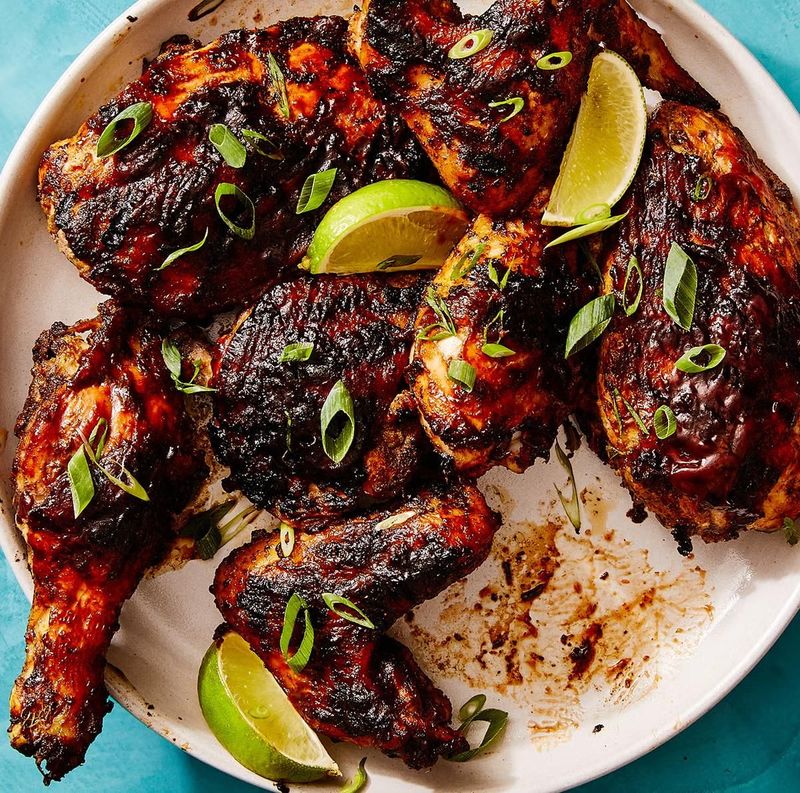
4. Jerk Chicken (Jamaika)
The Heat Source: Scotch Bonnet and Habanero peppers.
Scoville Scale: 150,000 – 325,000 SHU
Profile: A complex preparation where chicken is dry-rubbed or marinated in a heavy blend of allspice, thyme, and fiery habanero peppers, then slow-smoked over pimento wood for a sweet, smoky, and aggressively hot profile.
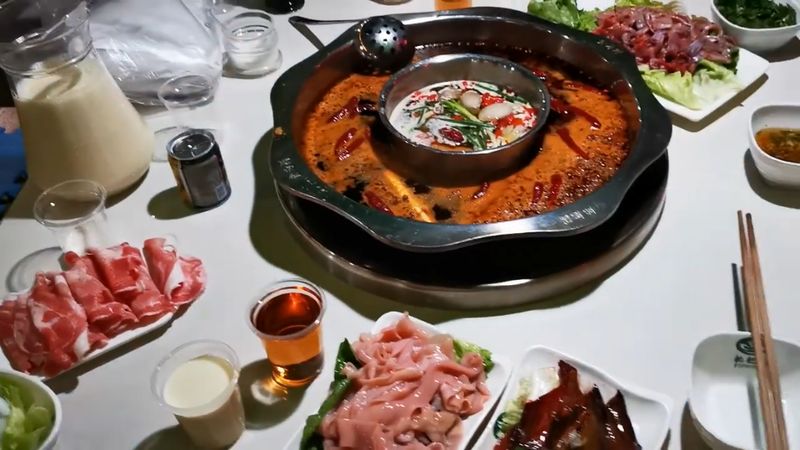
5. Mala Hot Pot (China)
The Heat Source: Dried red chili peppers and Sichuan peppercorns (Huajiao).
Profile: Originating from Sichuan cuisine, the mala profile pairs intense capsaicin heat with a distinct numbing sensation (ma) caused by Sichuan peppercorns. The rich beef-fat broth coats the palate, delivering an aroma that can clear the sinuses instantly.
6. Goan Vindaloo (India)
The Heat Source: Bhut Jolokia (Ghost Pepper) and dried red Kashmiri chilies.
Scoville Scale: Up to 1,500,000 SHU
Profile: Adapted from Portuguese colonial cooking (carne de vinho e alhos), this Goan pork dish incorporates vinegar, garlic, and the terrifyingly potent ghost pepper, resulting in a slow-building, searing heat.
7. Phaal Curry (United Kingdom)
The Heat Source: A cocktail of Habanero, Scotch Bonnet, Ghost Pepper, and Carolina Reaper.
Scoville Scale: 1,000,000 – 2,000,000+ SHU
Profile: Conceived by Bangladeshi restaurateurs in Birmingham, England, Phaal is widely considered the ultimate test of culinary endurance. Its thick tomato-based gravy is packed with the world’s most violent peppers, frequently causing diners to experience physical distress.
4. Official Responses and Culinary Expert Insights
The global recognition of Indonesian cuisine in international spice roundups has sparked enthusiasm among culinary institutions, government tourism boards, and renowned chefs alike.
The Indonesian Ministry of Tourism and Creative Economy has long campaigned to promote local gastronomy through the Pesona Indonesia and Indonesia Spice Up the World initiatives. Culinary diplomats have repeatedly highlighted that dishes like Ayam Penyet represent soft power through gastronomy.
"When international platforms recognize Ayam Penyet, they aren’t just acknowledging the heat of the chili; they are acknowledging the sophisticated chemistry of our traditional preparation methods," noted a senior culinary preservationist in Jakarta. "The brilliance of Indonesian sambal is that the heat does not overpower the flavor; rather, the garlic, shallot, and fermented shrimp paste (terasi) create a rich, savory bedrock that balances the raw aggression of the bird’s-eye chili."
International food historians echo this sentiment, pointing out that while dishes like the British Phaal curry use extreme peppers purely for shock value, traditional Southeast Asian dishes like Ayam Penyet and Kaeng Tai Pla integrate heat purposefully to stimulate digestion and complement tropical climates.
5. Cultural and Economic Implications
The inclusion of regional dishes in global top-spicy lists carries profound implications for local economies, tourism, and cultural pride:
Economic Boost for Local Vendors
From street-side warung operators to major franchise chains across Jakarta, Surabaya, and beyond, the spotlight on Ayam Penyet drives domestic and international foot traffic. Food tourism is one of the fastest-growing sectors in Southeast Asia, with travelers actively seeking out authentic local culinary experiences.
Cultural Identity and Soft Power
Food is often a nation’s most accessible ambassador. As global palates become increasingly adventurous—fueled by social media platforms like TikTok and YouTube dedicated to food challenges—indigenous comfort foods gain mainstream validation. Ayam Penyet transitions from a humble daily meal to an internationally celebrated gastronomic artifact.
Health and Nutritional Considerations
While medical studies confirm that moderate consumption of capsaicin can boost metabolism, release endorphins, and aid cardiovascular health, nutritionists remind consumers to approach extreme spice lists with caution. The searing 1-to-2-million SHU levels found in dishes like Phaal or Vindaloo can cause severe gastrointestinal distress, whereas the balanced 100,000 SHU profile of Ayam Penyet offers an optimal sweet spot for flavor-to-heat ratio.
Conclusion
The evolution of global spice appreciation demonstrates that human beings share an innate desire to push their sensory boundaries. While British curry houses and Peruvian kitchens offer extreme, scientific tests of endurance, Indonesia’s Ayam Penyet proves that heat can be deeply harmonious.
By combining meticulously spiced, crispy smashed chicken with a freshly ground raw bird’s-eye chili sambal, Indonesia has secured a permanent, well-deserved place in the pantheon of global culinary greatness. For food lovers worldwide, the message is clear: if you wish to test your mettle against the world’s finest heat, make sure a plate of Ayam Penyet is at the very top of your culinary bucket list.