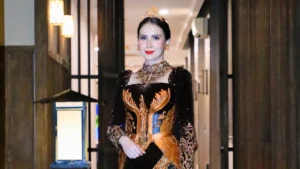
Beyond the Bars: Trisha Eungelica’s Musical Project Highlights the Lingering Legacy of the Sambo Case

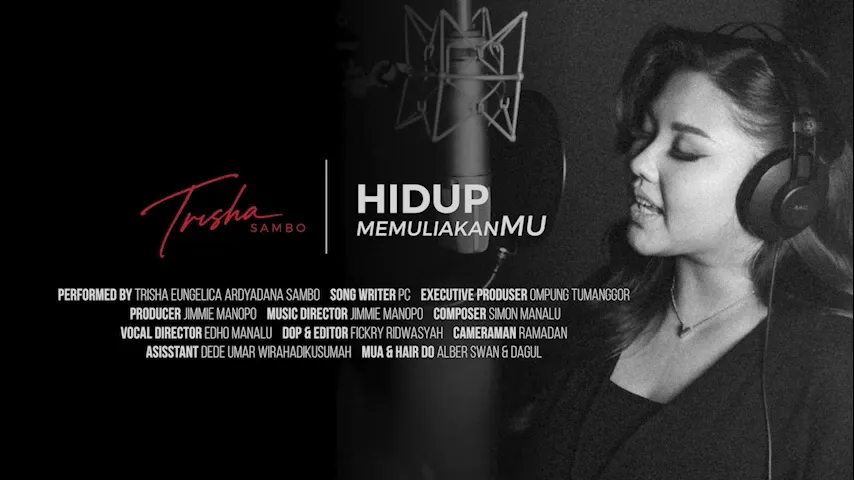
Jakarta – The intersection of high-profile legal controversy and personal artistic expression has once again captured the public imagination in Indonesia. Trisha Eungelica, the eldest daughter of former high-ranking police official Ferdy Sambo and his wife, Putri Candrawathi, has announced the upcoming release of a new musical project titled Hidup MemuliakanMu (Living to Glorify You). The track, scheduled for release on September 14, 2026, is not merely a debut for the young influencer; it is a creative endeavor deeply rooted in the confinement of the penitentiary system, as the song was reportedly penned by her mother, Putri Candrawathi, from behind bars.
The Genesis of the Project
The revelation first surfaced on September 8, 2026, when Trisha utilized her Instagram broadcast channel to tease her followers with "big news." At the time, she remained coy about the specifics, describing it as a project she had only recently begun to process herself. "Another big news, but I can only spill a little. Essentially, my mother has written a song. Stay tuned for the progress," she wrote.
As the days progressed, the project appeared to evolve from a personal hobby into a more professional undertaking. Trisha, who has cultivated a significant following on social media, shared updates on the production process, expressing both surprise and pride at the scale the song had reached. By the time the official title, Hidup MemuliakanMu, was unveiled, the narrative surrounding the track had shifted from a daughter’s tribute to a complex socio-cultural conversation about redemption, faith, and the enduring visibility of a family whose name remains synonymous with one of Indonesia’s most sensational criminal cases.
Chronology: From Courtroom to Recording Studio
The timeline of this project is inseparable from the legal history of the Sambo family. Following the high-profile trials that resulted in lengthy prison sentences for both Ferdy Sambo and Putri Candrawathi, the family has largely remained out of the direct public eye, save for the occasional digital breadcrumbs left by their children.

- The Period of Incarceration: According to Trisha, the lyrics and melody for Hidup MemuliakanMu were conceptualized during her mother’s time in detention. This detail has served as the emotional hook for the song, positioning it as a reflective, perhaps penitent, piece of music written under the duress of judicial confinement.
- Early September 2026: Trisha began teasing the project on her social media platforms, gauging audience reaction while building anticipation.
- September 8, 2026: Official confirmation that the song was authored by Putri Candrawathi.
- September 14, 2026: The official release date, marking a significant milestone for Trisha as she navigates her identity as both an individual artist and the child of a polarizing public figure.
Thematic Analysis: A Message of Faith?
The title Hidup MemuliakanMu—which translates to "Living to Glorify You"—carries a distinctly religious undertone. In the context of the Indonesian music industry, where faith-based or "religiously-inspired" pop music often finds a receptive audience, the choice of theme is significant. It suggests a narrative of resilience, seeking divine solace, and finding purpose amidst the "storm" of legal and social turmoil.
For supporters of the family, the song represents a humanizing element—a way to see the individuals behind the headlines. For critics, the religious framing is perceived as an attempt to sanitize or redirect the narrative of the crimes committed by the parents. This dichotomy has turned the song into a lightning rod for debate, proving that even a creative release by a family member cannot be decoupled from the gravity of their past actions.
Public Response: A Polarized Digital Landscape
The announcement of the single has sparked a fierce discourse in the comments sections of Trisha’s social media profiles. The reactions can be broadly categorized into three distinct camps:
1. The Empathetic Support Group
A significant portion of the audience has chosen to focus on the message of faith rather than the controversy of the creators. Many comments reflect a desire for reconciliation and spiritual support. "In every storm, it is God’s task to stop it, and our task to remain steadfast," one user noted. Others have offered prayers for the family, emphasizing the "Tuhan Yesus memberkati" (May Lord Jesus bless) sentiment, viewing the project as a testament to the family’s attempt to find peace through their faith.
2. The Skeptical Critics
Conversely, a vocal contingent of the public views the project through a lens of moral indignation. The criticisms are sharp and often focus on the perceived lack of awareness regarding the gravity of the legal case. One commenter succinctly captured this sentiment: "Minimal malu anjir bukan malah aji mumpung" (At the very least, have some shame, rather than taking advantage of the moment). This perspective suggests that for many, the sins of the parents are not to be mitigated by the artistic expression of the children.
3. The Provocateurs
A third group of netizens uses the platform to directly confront the unresolved questions surrounding the Sambo case. Questions such as, "Do you think your mother and father were truly wrong?" or inquiries regarding other parties involved in the case frequently appear. These interactions highlight the impossibility of Trisha separating her public persona from her family’s legacy.
The Implications of "Celebrity" in the Wake of Scandal
The case of Trisha Eungelica and her musical debut raises profound questions about the nature of fame and public scrutiny in the digital age.
The Burden of Heritage:
Trisha occupies a unique space in the Indonesian digital landscape. She is a young woman attempting to establish a career on her own terms, yet she is perpetually anchored to the actions of her parents. This project is a litmus test for whether an individual can carve out an identity separate from their family’s criminal notoriety.

The Commercialization of Personal Narrative:
The decision to release a song written in prison is, inherently, a strategic one. Whether intended as a heartfelt expression or a means to stay relevant in the public eye, the move ensures that the "Sambo" brand remains in the news cycle. By weaving the story of the song’s origin into the marketing of the track, the family ensures that the public’s curiosity—however morbid—is piqued.
The Intersection of Law and Art:
Rarely does a musical release demand a sociological analysis, but Hidup MemuliakanMu is an exception. It forces a collision between the judicial reality (the incarceration of a former police official and his wife for a high-profile murder) and the subjective reality (the daughter’s perception of her parents’ struggle).
Conclusion: The Final Note
As September 14, 2026, arrives, the release of Hidup MemuliakanMu will likely generate significant streaming numbers, driven in part by the intense curiosity of the public. However, the success of the song will not be measured merely by its chart performance or melody. It will be measured by its ability to either shift the public perception of the family or, conversely, deepen the divide between those who offer sympathy and those who demand accountability.
For Trisha Eungelica, the release is a bridge between her past and a future she is trying to build for herself. Whether that bridge holds or collapses under the weight of her family’s history remains to be seen. What is certain is that in the digital age, personal projects by children of high-profile figures are never just about the art—they are about the ongoing negotiation of a family’s legacy in the court of public opinion.