Beyond Ginger: The Ultimate 5-Food Arsenal to Supercharge Your Immune System and Ward Off Seasonal Illness
JAKARTA — In an era marked by shifting weather patterns, rising pollution, and persistent public health concerns, maintaining a robust immune system has never been more critical. While traditional remedies frequently spotlight ginger as the ultimate panacea for a flagging constitution, nutritional science reveals a diverse world of everyday superfoods capable of providing equally formidable protection.
When the body’s defenses are compromised, individuals find themselves falling prey to a revolving door of viral infections, bacterial onslaughts, and persistent fatigue. Understanding how to fortify the body from the inside out is the first line of defense in modern preventative health. According to recent health insights, incorporating a specific suite of five powerful foods into your daily diet can radically transform your body’s ability to fend off pathogens, reduce systemic inflammation, and maintain optimal vitality.
The Main Facts: Understanding Your Body’s Biological Shield
To appreciate the value of immune-boosting foods, one must first understand the intricate ecosystem of the human immune system. Acting as the body’s primary defense perimeter, the immune system is a complex network of cells, tissues, and organs that work in unison to protect the host against harmful foreign invaders, including viruses, bacteria, fungi, and disease-causing germs.
When this system operates at peak performance, it rapidly identifies, intercepts, and neutralizes dangerous pathogens before they can establish a foothold and cause severe illness. Furthermore, a strong immune response is responsible for routine internal maintenance—detecting and destroying damaged or mutated cells before they can proliferate.
While lifestyle factors such as adequate sleep, stress management, and regular exercise form the foundation of immune health, nutrition provides the literal building blocks and biochemical triggers necessary for immune cells to function. Jahe (ginger) has long held a revered status in Asian and Western households alike for its warming properties and anti-inflammatory compounds. However, relying on a single ingredient limits the broad-spectrum defense required to navigate modern health challenges. Nutritional experts emphasize that diversification is key. By expanding our dietary horizons beyond ginger, we can leverage synergistic compounds found in garlic, bell peppers, turmeric, fermented foods, and mushrooms to create an impenetrable biological shield.
Chronology and Evolution of Nutritional Immunity
The reliance on functional foods—foods that offer health benefits beyond basic nutrition—is not a modern trend. Throughout human history, ancient civilizations intuitively utilized local flora and fauna to combat plagues, seasonal flus, and mysterious ailments long before the advent of microbiology or synthetic pharmaceuticals.
- Ancient Roots (Pre-20th Century): Historical texts from ancient Egypt, China, and Greece document the widespread medicinal use of garlic and turmeric. Garlic was famously rationed to laborers building the Egyptian pyramids to sustain their strength and prevent infectious outbreaks. Similarly, traditional Ayurvedic and Traditional Chinese Medicine (TCM) systems utilized turmeric and medicinal mushrooms for millennia to balance internal humors and promote longevity.
- The Scientific Era (Mid-to-Late 20th Century): With the discovery of penicillin and the rise of modern pharmacology, whole-food medicine was temporarily overshadowed by synthetic antibiotics and antiviral drugs. However, as antibiotic resistance emerged as a global crisis in the late 20th century, researchers turned their attention back to the biochemical properties of everyday foods. Scientists began isolating active compounds like allicin in garlic and curcumin in turmeric, mapping out their precise molecular interactions with human cellular receptors.
- Contemporary Nutritional Science (21st Century): Today, institutions and health publications—drawing from extensive peer-reviewed studies—regularly update guidelines on how dietary interventions directly influence immunological outcomes. The recognition of the gut microbiome as the epicenter of human immunity has shifted dietary recommendations toward fermented foods, cementing a holistic approach where food is quite literally viewed as medicine.
Supporting Data: The Top 5 Immune-Boosting Foods Analyzed
Recent nutritional research highlights five distinct food categories that scientifically outperform or complement traditional remedies like ginger in bolstering the immune response.
+-----------------------------------------------------------------+
|               THE ULTIMATE IMMUNE-BOOSTING ARSENAL              |
+-------------------+---------------------------------------------+
| 1. Bawang Putih   | Contains alicin; disrupts viral replication.|
| 2. Paprika        | High Vitamin C & beta-carotene content.     |
| 3. Kunyit         | Rich in curcumin; enhances T & B cell duty. |
| 4. Makanan Ferment| Probiotics nourish gut microbiome/barriers. |
| 5. Jamur          | Beta-glucans activate natural killer cells. |
+-------------------+---------------------------------------------+
1. Garlic (Bawang Putih): The Natural Antiviral Compound
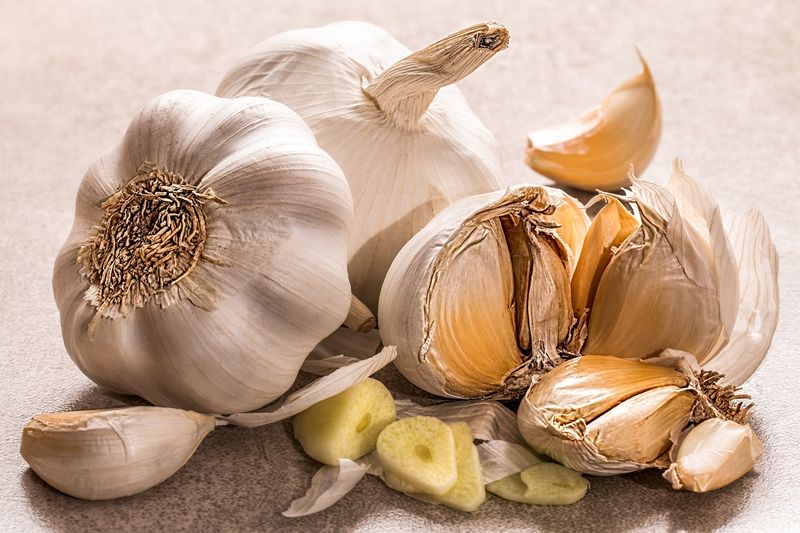
For centuries, garlic has been celebrated not merely as a culinary aromatic, but as a potent herbal defense. Extensive scientific inquiry confirms that garlic possesses remarkable capabilities in helping the human body combat viral strains, most notably influenza A and B, rhinovirus (the primary culprit behind the common cold), and viral pneumonia.
The secret behind garlic’s medicinal prowess lies in a natural sulfur-containing compound called allicin. When a raw clove of garlic is crushed, chopped, or chewed, alliin and the enzyme alliinase combine to form alicin. This dynamic compound physically disrupts the structural mechanics and replication cycle of various viruses, effectively neutralizing their ability to spread within the host body. Furthermore, regular consumption of garlic dampens systemic inflammation, shields cellular membranes from oxidative damage, and correlates with a significantly more robust immune response during active viral infections.
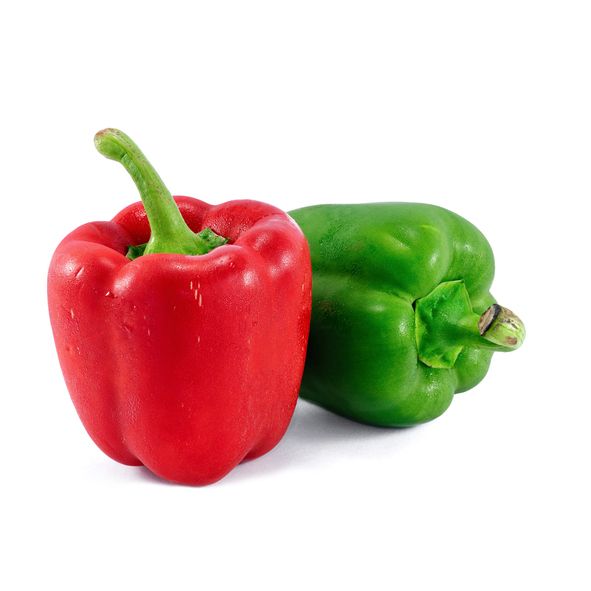
2. Bell Peppers (Paprika): The Vitamin C Powerhouse
While citrus fruits like lemons and oranges traditionally steal the spotlight for Vitamin C content, colorful bell peppers quietly outperform them. Yellow, orange, and red bell peppers contain exceptionally high concentrations of Vitamin C per serving—surpassing even oranges.
Vitamin C is an essential micronutrient that stimulates the production and functional efficiency of white blood cells, the body’s primary frontline soldiers against microbial invasion. Beyond Vitamin C, these vibrant vegetables are rich storehouses of beta-carotene. Once ingested, the human body metabolizes beta-carotene into Vitamin A. This vital nutrient maintains the structural integrity of epithelial tissues—including the skin, as well as the delicate mucous membranes lining the nose and throat. By keeping these physical barriers strong, bell peppers prevent environmental germs from ever entering the bloodstream.
3. Turmeric (Kunyit): The Golden Anti-Inflammatory Agent
Often referred to as the biological "cousin" of ginger, turmeric owes its striking golden-yellow hue to a powerful polyphenol known as curcumin. Curcumin is widely studied for its ability to downregulate inflammatory pathways in the body, mitigating the collateral tissue damage often caused by aggressive immune responses.
More importantly, curcumin acts as a molecular wrench in the machinery of viral proliferation. It actively interferes with the mechanisms viruses use to multiply, while simultaneously optimizing the operational efficiency of specialized immune cells, specifically B cells and T cells. These cells are responsible for generating targeted antibodies and maintaining long-term immunological memory against recurring pathogens.
4. Fermented Foods (Makanan Fermentasi): The Gut Health Vanguard
Modern immunology has revealed a staggering biological truth: approximately 70% to 80% of the human body’s immune cells reside within the gastrointestinal tract. Consequently, the health of the gut microbiome directly dictates systemic vulnerability to disease.
Fermented foods introduce colonies of beneficial bacteria, commonly known as probiotics, into the digestive tract. These friendly microbes reinforce the intestinal lining—preventing "leaky gut" syndrome where toxins escape into the bloodstream—and communicate directly with resident immune cells to ensure an appropriately calibrated defense. Incorporating traditional fermented staples into the daily diet, such as yogurt, kefir, kimchi, and miso, creates an internal environment where pathogenic invaders simply cannot gain a foothold.
5. Mushrooms (Jamur): The Cellular Activators
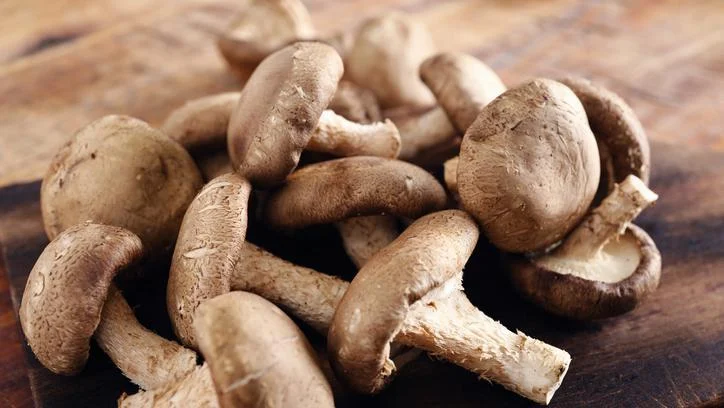
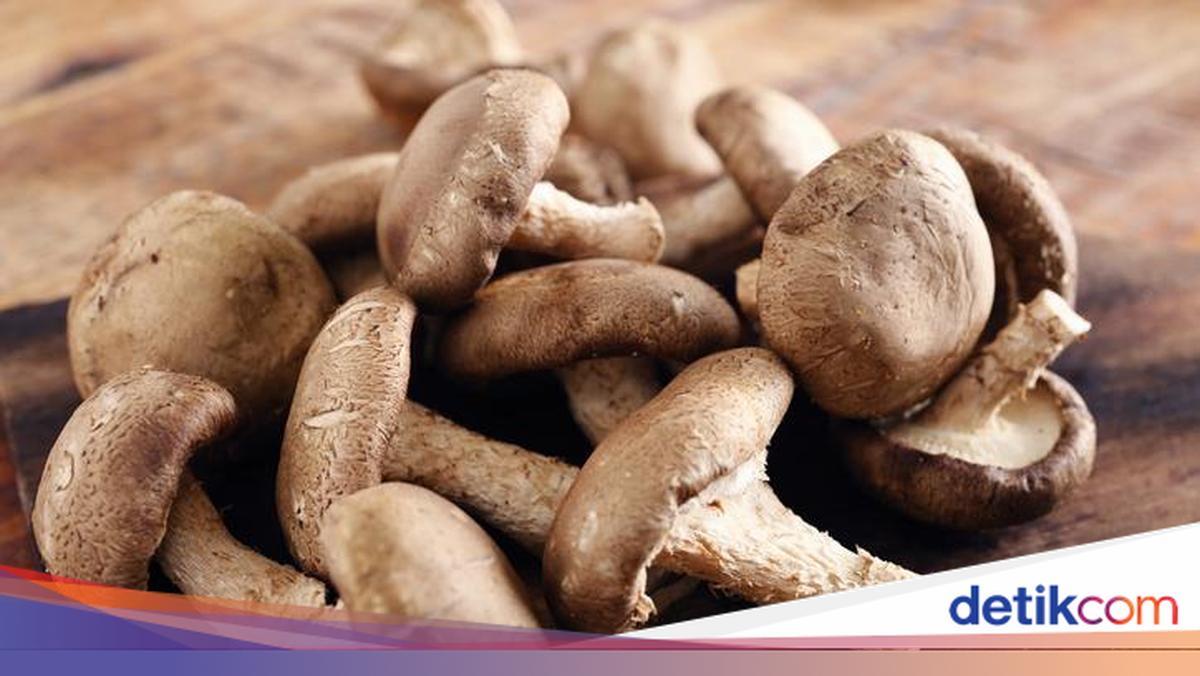
Often categorized separately in culinary terms, functional mushrooms are nutritional powerhouses when it comes to immune modulation. Specific varieties, particularly shiitake mushrooms, exhibit extraordinary antiviral properties by physically blocking viruses from binding to host cell surfaces and halting their subsequent reproduction.
The primary driver behind this protective mechanism is beta-glucan, a unique type of complex carbohydrate found in mushroom cell walls. Beta-glucans act as biological switchboard operators, directly activating specific immune cells known as Natural Killer (NK) cells and T cells. This rapid activation ensures the body mounts a swift and overwhelming counter-offensive during an infection. Additionally, mushrooms provide substantial amounts of selenium and vitamin B6—two micronutrients indispensable for antibody synthesis and sustained white blood cell functionality. Without adequate Vitamin B6, the human body’s capacity to manufacture antibodies plummets, leaving it severely exposed to seasonal illnesses.
Official Responses and Expert Medical Perspectives
The medical community increasingly endorses a food-first philosophy when managing preventive healthcare. Nutritional epidemiologists and clinical dietitians emphasize that while supplements have their place, whole foods offer a complex matrix of micronutrients, fiber, and antioxidants that isolated pills simply cannot replicate.
Dr. Sarah Jenkins, a leading immunologist and clinical researcher, notes:
"We often look for a silver bullet when we feel a cold coming on. However, the immune system is not a muscle that can be pumped up overnight with a single superfood; it is a delicate, systemic network that requires consistent, diverse nutritional input. Incorporating sulfur-rich compounds from garlic, bioavailable beta-glucans from mushrooms, and probiotics from fermented foods provides the wide-spectrum toolkit our white blood cells need to adapt to evolving pathogens."
Public health authorities also underscore the cost-effectiveness and accessibility of these dietary adjustments. In regions prone to seasonal respiratory outbreaks, integrating affordable kitchen staples like garlic, turmeric, and local bell peppers serves as an equitable, scalable strategy to reduce the burden on primary healthcare infrastructure. Rather than relying solely on reactive pharmacological interventions, public health campaigns are increasingly pivoting toward nutritional literacy as a core pillar of national wellness.
Implications: Building a Resilient Future
The modern shift toward functional nutrition carries profound implications for individual health, healthcare economics, and society at large. By proactively stocking kitchens with immune-boosting powerhouses beyond ginger—such as garlic, colorful bell peppers, turmeric, fermented goods, and mushrooms—individuals take active control of their physiological destiny.
1. Reduced Healthcare Burden:
Widespread adoption of nutrient-dense diets directly correlates with a reduction in the incidence and severity of common seasonal illnesses. Fewer doctor visits, lower rates of absenteeism in schools and workplaces, and decreased reliance on antibiotics contribute to a more resilient society.
2. Combatting Antibiotic Resistance:
As bacterial strains continue to mutate and exhibit resistance to conventional antibiotics, strengthening endogenous human immunity via functional foods becomes an invaluable clinical buffer. Natural antimicrobial agents like allicin in garlic do not trigger the same resistance pathways in bacteria as synthetic drugs, offering a sustainable defense mechanism.
3. Holistic Lifestyle Integration:
Ultimately, these five foods remind us that health is cumulative. The kitchen is our first pharmacy, and every meal presents an opportunity to reinforce our biological boundaries. By diversifying our nutritional intake, we ensure that when the next wave of seasonal sickness arrives, our bodies are not just surviving—they are fully prepared to thrive.