The Japanese Longevity Secret: Unlocking the Power of 7 Traditional Herbs and Superfoods
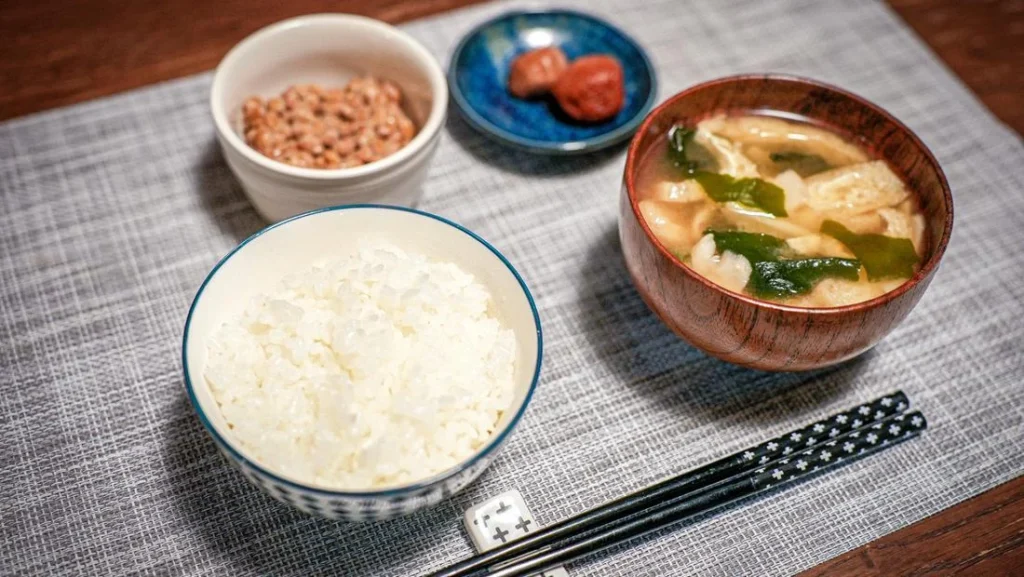
JAKARTA – Japan has long captivated the world with its remarkable demographic profile. According to data released by the World Health Organization (WHO) in 2019, Japan holds the distinction of having the highest life expectancy globally, with an average of 84.3 years. This phenomenon is not merely a stroke of genetic fortune; it is the result of a meticulously crafted lifestyle, deeply rooted in the philosophy of Hara Hachi Bu (eating until 80% full) and the consistent consumption of nutrient-dense, longevity-promoting botanicals.
In a world increasingly reliant on processed convenience foods, the Japanese approach to nutrition—often referred to as washoku—remains a beacon of health. By integrating potent herbs, fermented ingredients, and functional superfoods into their daily diet, the Japanese population has successfully mitigated many of the chronic illnesses associated with aging.
The Science of Longevity: Why Japan Leads the World
The longevity of the Japanese people is a subject of extensive academic study. Researchers point toward the "Blue Zone" effect—specifically in Okinawa—where centenarians thrive on a plant-forward diet. However, it is not just the quantity of food that matters, but the specific biological compounds found in traditional Japanese staples.
The synergy between these foods and the human body is profound. By prioritizing anti-inflammatory ingredients and high-antioxidant botanicals, the Japanese diet works to combat oxidative stress, the primary driver of cellular aging. The seven ingredients outlined below are not just culinary staples; they are considered essential components of a wellness-oriented life.
1. Ginseng: The Root of Vitality
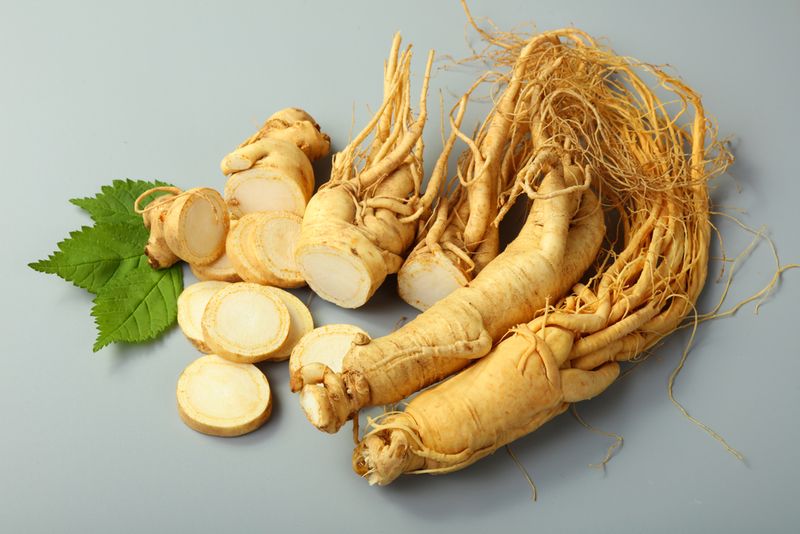
Known in Japan as ninjin, ginseng is perhaps the most iconic herb in East Asian medicine. Its reputation as a "cure-all" is backed by centuries of traditional use and modern pharmacological analysis.
- Pharmacological Impact: Ginseng is packed with ginsenosides, the primary active compounds responsible for its medicinal effects. These compounds facilitate the regulation of the immune system, acting as an adaptogen that helps the body cope with physical and mental stress.
- Cognitive and Vitality Benefits: Regular consumption is associated with improved cognitive function and sustained energy levels, preventing the "brain fog" often associated with aging.
- Anti-Aging Properties: The saponins present in ginseng are potent antioxidants. By reducing the accumulation of free radicals, they help preserve cellular integrity, effectively slowing down the biological clock at a systemic level.
2. Chrysanthemum Tea: The Elixir of Heart Health
While matcha and green tea (ocha) often dominate global perceptions of Japanese beverages, chrysanthemum tea holds a unique place in the country’s health repertoire.
- Circulatory Support: This caffeine-free infusion is renowned for its ability to promote healthy blood circulation. By relaxing the blood vessels, it assists in maintaining optimal blood pressure levels and supports overall cardiovascular health.
- Dermatological Benefits: Beyond the heart, the tea is rich in anti-inflammatory antioxidants that are essential for skin rejuvenation. It is often touted as a "beauty tea" in Japan, helping to maintain a youthful, glowing complexion by combating environmental skin damage.
3. Kombu: The Ocean’s Nutrient Powerhouse
Kombu is a species of kelp that serves as the backbone of Japanese cuisine, most notably as the base for dashi stock.
- Metabolic Regulation: Kombu is a dense source of iodine, a mineral crucial for thyroid function. A healthy thyroid is the engine of the human metabolism; by keeping it functioning optimally, the body can regulate energy levels and weight more efficiently.
- Anticancer Potential: Perhaps the most significant compound in kombu is fucoidan. Modern research has highlighted fucoidan’s role in inhibiting inflammation and potentially hindering the growth of malignant cells. For the Japanese, this seaweed is not just a flavor enhancer; it is a fundamental insurance policy for long-term health.
4. Umeboshi: The Fermented Alkaline Wonder
Umeboshi, or pickled Japanese plum, is a testament to the power of fermentation. These fruits, preserved in salt and often shiso leaves, possess an intense sour and salty profile that challenges the palate but rewards the body.
- pH Balancing: In the context of the body, umeboshi is believed to help neutralize the internal environment. Its high concentration of organic acids helps in the detoxification process, flushing out metabolic waste.
- Digestive Resilience: As a probiotic-rich food, it supports a healthy gut microbiome. A robust digestive system is essential for nutrient absorption, which is critical for maintaining vigor in one’s later years.
5. Yuzu: The Japanese Citrus Superfruit
Yuzu, a small, aromatic citrus fruit, is a staple of the Japanese winter and a secret weapon for health.
- Vitamin C Density: Yuzu boasts a higher vitamin C content than most common citrus fruits. This makes it an unparalleled immune booster and a critical player in collagen production, which keeps the skin firm and youthful.
- Vitality and Circulation: Beyond its culinary applications, yuzu is used in traditional Japanese bathing rituals (yuzuyu) to improve circulation. Internally, it is believed to help the body "cleanse" itself of stagnant energy, keeping the blood flowing freely and the vital organs functioning optimally.
6. Reishi Mushroom: The "Mushroom of Immortality"
In the hierarchy of medicinal fungi, the Reishi mushroom (Ganoderma lucidum) stands alone. Its moniker, "the mushroom of immortality," is a direct reflection of the reverence it holds in Japanese tradition.
- Liver Health and Detox: Reishi is highly valued for its hepatoprotective properties. It supports the liver—the body’s primary filtration system—in neutralizing toxins.
- Stress Management: As a potent adaptogen, Reishi helps the body regulate cortisol levels. In a high-pressure society like Japan, this mushroom is an essential tool for maintaining mental equilibrium and preventing the physical manifestations of chronic stress.
7. Shiso: The Antioxidant Garnish
Shiso is more than just a decorative leaf on a piece of sashimi; it is a nutritional powerhouse disguised as a garnish.
- Oxidative Defense: Available in green (aojiso) and red (akajiso) varieties, shiso is rich in polyphenols and antioxidants. These compounds work to combat oxidative stress—a process that damages DNA and accelerates the aging process.
- Inflammatory Control: With its natural anti-inflammatory properties, shiso helps soothe the digestive tract and reduces systemic inflammation. It is this "lightness" of body and gut health that contributes to the high energy levels often observed in the Japanese elderly.
Supporting Data and Official Perspectives
The efficacy of these ingredients is not merely anecdotal. According to the Japan Ministry of Health, Labour and Welfare, the dietary habits of the Japanese population—emphasizing the consumption of vegetables, soy products, and seaweeds—are directly linked to the country’s low rates of obesity and heart disease.
Public health campaigns in Japan have long encouraged the integration of these traditional ingredients into daily meals. By promoting a diet that is naturally low in saturated fats and high in phytonutrients, the Japanese government has created a sustainable framework for public health that spans generations.
Implications for Global Health
The Japanese model offers a roadmap for the rest of the world. As global populations age, the shift from reactive medicine (treating disease) to proactive nutrition (preventing disease) becomes increasingly urgent.
- Preventative Healthcare: Incorporating these seven ingredients into a global diet could potentially lower the incidence of metabolic syndrome, cardiovascular disease, and cognitive decline.
- Sustainability: These ingredients are largely plant-based and, in many cases, highly sustainable. As the world looks for ways to lower its carbon footprint, the Japanese preference for seaweeds, mushrooms, and seasonal botanicals serves as a model for eco-conscious eating.
- Holistic Wellness: The most important takeaway from the Japanese experience is that health is a sum of daily, small-scale choices. It is not about a singular "miracle pill," but rather the accumulation of bioactive compounds consumed consistently over decades.
Conclusion
The secret to Japanese longevity is not hidden in a laboratory; it is found in the kitchen. By honoring the wisdom of their ancestors and embracing the nutrient-dense gifts of nature—ginseng, chrysanthemum, kombu, umeboshi, yuzu, reishi, and shiso—the people of Japan have mastered the art of living well. As we navigate the complexities of modern health, looking back at these traditional staples may be the key to ensuring not just a longer life, but a life defined by vitality, clarity, and enduring health.