The Resurrection of a Classic: Why Palit is Re-releasing the GeForce RTX 3060 12GB
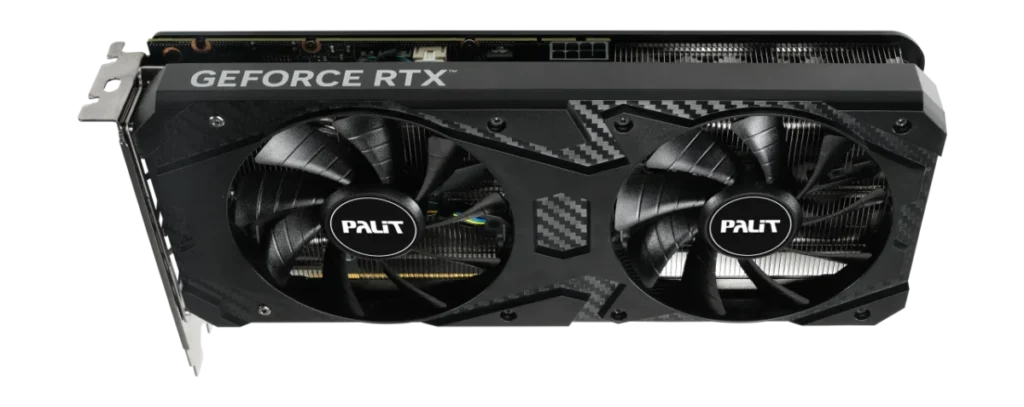
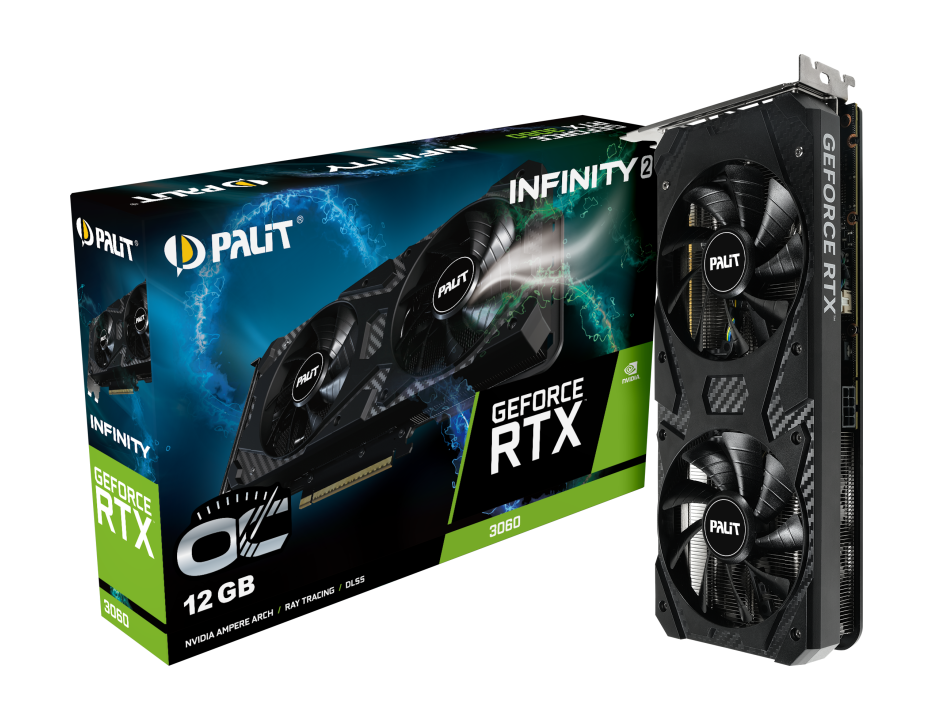
In a market landscape defined by rapid innovation and the relentless pursuit of "next-gen" performance, a counter-intuitive trend has emerged. Consumers, typically accustomed to a cycle of obsolescence where older hardware is phased out in favor of newer, more expensive models, are witnessing a reversal. Palit, a prominent NVIDIA add-in board (AIB) partner, has officially reintroduced the GeForce RTX 3060 Infinity 2 OC 12GB to the retail market.
This move is not merely a nostalgic exercise; it is a tactical response to a volatile supply chain and a sobering reflection of the current accessibility crisis facing the gaming hardware sector.
The Core Facts: A Blast from the Past
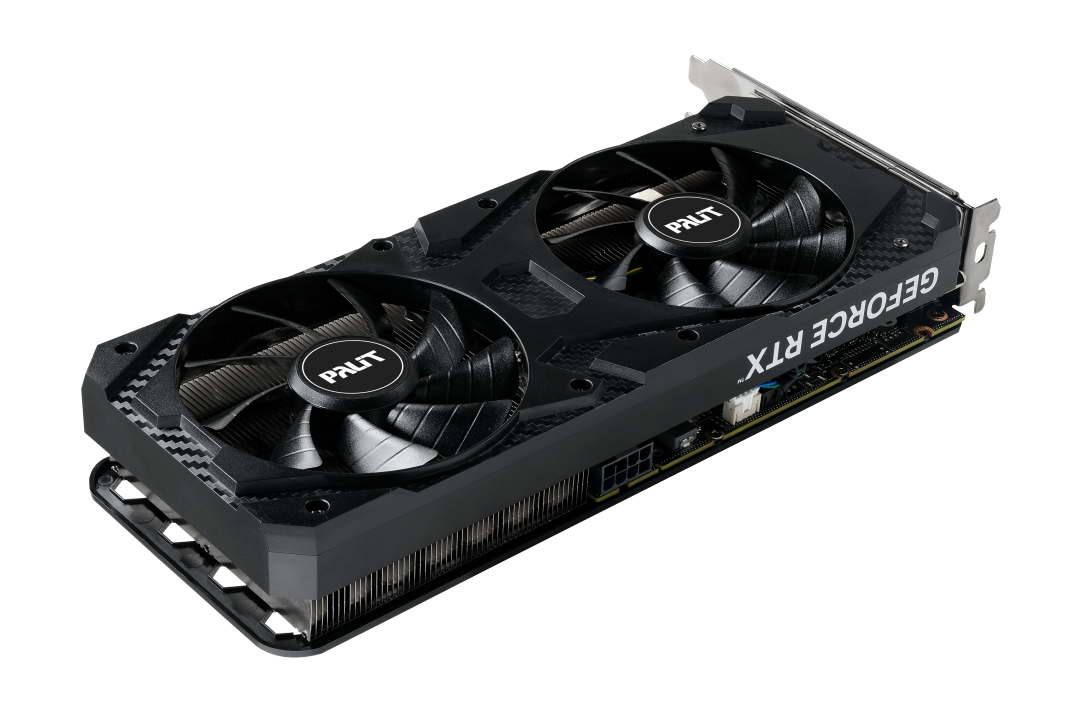
The GeForce RTX 3060 12GB, originally launched in 2021 based on NVIDIA’s Ampere architecture, has been given a new lease on life. Marketed by Palit as "The Return of a Classic," the updated version features a refreshed dual-fan cooling solution, maintaining the core specifications that made the card a legend in the entry-to-mid-range segment: 3,584 CUDA cores, a base clock speed optimized for efficiency, and the hallmark 12GB of GDDR6 VRAM.
While the GPU core remains identical to its predecessor, the "Infinity 2" branding signals a modern manufacturing update. Palit’s decision to commit to this re-release highlights a critical shift in how manufacturers are viewing the longevity of older silicon.
Chronology of a Market Shift
To understand why a four-year-old GPU is being returned to production lines, one must look at the recent timeline of the semiconductor industry:
- 2021: The original RTX 3060 12GB launches amidst a global chip shortage. It becomes an immediate fan favorite due to its price-to-performance ratio and generous VRAM buffer.
- 2022–2023: As the AI gold rush begins, manufacturers prioritize high-end silicon for enterprise and data center applications, squeezing the supply for consumer-grade components.
- 2024: Prices for next-generation cards (such as the RTX 40-series and impending 50-series) rise significantly. Simultaneously, GDDR7 memory—intended for the newest GPUs—becomes both expensive and constrained in supply due to overwhelming demand from AI accelerators.
- 2025–2026: AIB partners like Palit face a "price-gap" crisis. New mid-range cards are priced beyond the reach of the average consumer, creating a vacuum in the $300–$400 segment.
- July 2026: Palit officially announces the RTX 3060 Infinity 2 OC, acknowledging that the most "cost-effective" way to serve the budget gamer is to revive a proven, mature technology.
Supporting Data: The Steam Hardware Survey Legacy
The resilience of the RTX 3060 is not anecdotal; it is backed by empirical data. According to the Steam Hardware Survey, the RTX 3060 consistently ranks as one of the most widely used GPUs on the platform.
Why the 12GB VRAM Matters
In an era where modern AAA titles are increasingly demanding, 8GB of VRAM is becoming a bottleneck for texture quality at 1080p and 1440p settings. The RTX 3060’s 12GB capacity acts as a "future-proofing" buffer that many newer, lower-tier cards—often released with restrictive 8GB or even 6GB configurations—simply cannot match.
The RTX 3060 provides a "sweet spot" of stability. It offers enough horsepower to run current titles at high settings while its memory overhead ensures that the card does not become obsolete the moment a new, memory-intensive game launches.
Official Responses and Industry Sentiment
While NVIDIA has not issued a formal press release for every AIB partner, the move to re-authorize the production of RTX 3060 chips suggests a strategic pivot. By offloading the burden of entry-level gaming onto mature architecture, NVIDIA and its partners can allocate more of their high-margin, next-gen silicon (and the precious GDDR7 memory) toward the more profitable AI and enthusiast segments.
Industry analysts suggest that this is a pragmatic solution to a "supply-demand mismatch." When asked about the move, market observers noted: "When the cost of producing a modern 60-class card approaches the price point of a mid-range card from three years ago, the only logical business decision is to provide consumers with the product they can actually afford, rather than forcing them to stretch their budgets for marginal gains."

The Implications: A Paradox of Progress
The re-emergence of the RTX 3060 serves as a stark commentary on the current state of PC gaming.
1. The Cost-Performance Gap
We are currently witnessing a phenomenon where technological progress is outpacing consumer purchasing power. While the RTX 5060 (and its peers) offers superior ray tracing, DLSS 4 support, and higher energy efficiency, the price-per-frame ratio has stagnated or worsened. The "classic" 3060, having already depreciated in R&D costs, can be manufactured and sold at a price point that makes sense for the average gamer.
2. The AI Hardware Tax
The massive demand for AI infrastructure has created a "hardware tax" on the gaming community. Because GDDR7 memory is being consumed by the AI sector, the cost of manufacturing new, high-performance gaming cards has soared. By sticking to GDDR6—a mature, readily available, and cheaper technology—manufacturers are bypassing the supply bottleneck of the newest memory standards.
3. Sustainability and Waste
On a positive note, this trend could be viewed as a move toward greater hardware longevity. Instead of pushing for a "buy-new-every-two-years" cycle, the industry is effectively validating that older hardware is still capable. It challenges the "planned obsolescence" narrative, proving that if the software ecosystem remains accessible, hardware does not need to be replaced as frequently as marketing teams suggest.
Conclusion: Is the "Classic" Still Worth Your Money?
The RTX 3060 12GB is, by modern standards, a legacy product. It lacks the advanced frame-generation capabilities of the 40 and 50-series and does not offer the same efficiency metrics. However, in the current market, it represents a "safe harbor" for gamers.
For the user building a 1080p gaming rig, the RTX 3060 12GB provides a reliable, high-memory solution that avoids the "early adopter tax" associated with newer architectures. It is a reminder that in technology, the "best" product is not always the one with the newest number on the box; often, it is the one that offers the most stability, value, and reliability.
As we move deeper into 2026, the success of the Palit GeForce RTX 3060 Infinity 2 OC will serve as a bellwether. If it sells well, we may see more manufacturers looking into their "archives" to fill the gaps left by the hyper-inflation of new-gen hardware.
The question remains: As a consumer, would you rather pay a premium for the latest, unproven architecture, or would you prefer to invest in a "resurrected" classic that has already proven its worth? The answer to that question will likely define the gaming hardware market for the foreseeable future.