
The Toll of Sovereignty: How the Hormuz Conflict Transformed into a Global Commercial Proxy War
By Yugolastarob Komeini, Senior Researcher in Defense and International Relations
Four and a half months after the initial flare-ups that rocked the Middle East, the geopolitical landscape of the Persian Gulf has undergone a profound and dangerous metamorphosis. The original conflict, which began in late February as an effort to dismantle Iran’s nuclear and proxy capabilities, has shifted into an entirely different theater. The focus is no longer on centrifuges or missile silos; it is now centered on the control of the world’s most vital maritime chokepoint: the Strait of Hormuz.
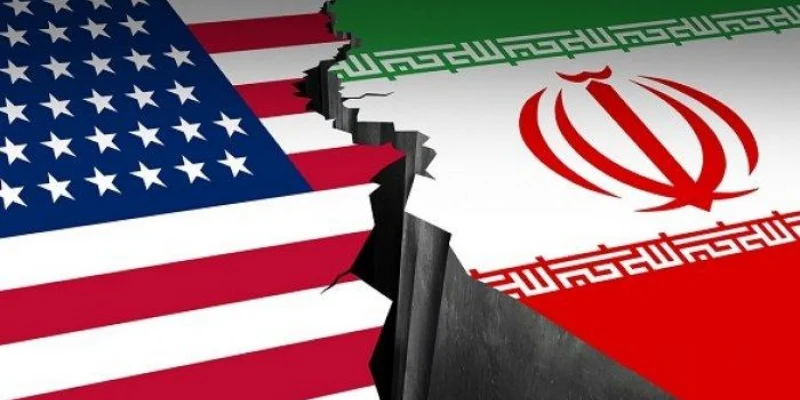
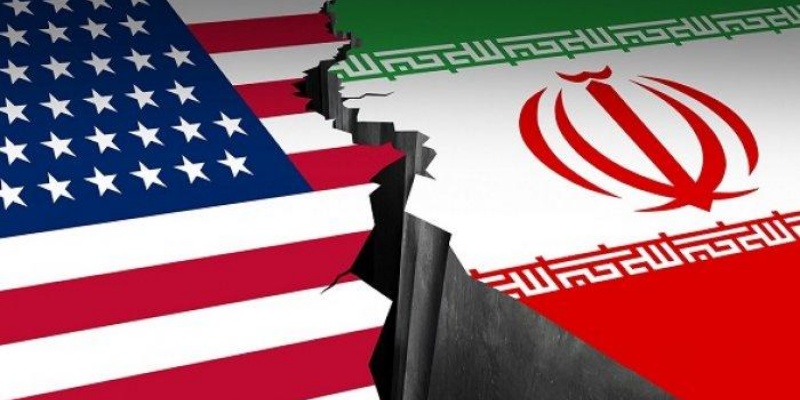
The conflict has devolved into a bitter, high-stakes dispute over commercial property rights and transit taxation. As the United States and Iran lock horns, the core question is no longer about military deterrence, but rather: who holds the keys to the toll booth of the global energy supply?
The Shift in Strategic Objectives
The current escalation is not merely a continuation of the February campaign; it is a new war with a fundamentally different objective. In its initial phase, the war was a coordinated effort involving the United States and Israel to systematically degrade Iran’s regional network of proxies and its domestic military infrastructure.
However, as Iran’s conventional capabilities—including its air defense systems and 90 percent of its missile launch capacity—suffered severe degradation, the Islamic Republic shifted its strategy. Realizing that its traditional asymmetric warfare was being neutralized, Tehran turned the Strait of Hormuz from a military weapon into a proprietary asset. By demanding sovereignty over the waterway and attempting to impose transit fees, Iran has attempted to create a new economic reality that forces the international community to recognize its authority over the Gulf’s waters.
Chronology of the Hormuz Escalation (March – July)
The escalation path reveals a deliberate, if desperate, attempt by Tehran to rewrite the rules of maritime engagement.
- March 27: The Islamic Revolutionary Guard Corps (IRGC) declares the Strait of Hormuz closed to all vessels traveling to or from ports in the United States, Israel, and their allies.
- April 6–8: Iran formalizes a 10-point plan, demanding a $2 million transit fee per vessel, to be split with Oman, purportedly to fund regional reconstruction.
- June 17: The "Islamabad Memorandum" is signed, establishing a "free-transit" regime for the Strait, explicitly rejecting Iran’s toll demands. This agreement would collapse within three weeks.
- July 2: Iran’s joint military command warns that all tankers must utilize routes approved by Tehran.
- July 6: The U.S.-led Multinational Maritime Security Construct (JMIC) reaffirms that the route around Oman remains open and protected.
- July 6–7: Three tankers—including a Qatari LNG carrier and a Saudi oil tanker—are struck near the Oman-UAE border. Iran denies official responsibility but justifies the attacks as consequences for "ignoring warnings."
- July 13: Iran claims to have disabled two additional tankers. The UAE reports a fatal strike on its vessels within its territorial waters. President Trump orders the reinstatement of a full naval blockade.
- July 16: A massive retaliatory campaign begins. U.S. forces strike targets in Qeshm, Bandar Abbas, Chabahar, and across northern Iran. Iran responds by targeting U.S. assets in Kuwait, Bahrain, and Jordan.
The New Reality: From Hegemony to Transactional Warfare
The most striking development in this cycle of violence is the shift in the nature of the U.S. response. Unlike the initial operations in February, which were framed as a multi-national effort to curb regional destabilization, the July operations are distinctly U.S.-led, orchestrated by CENTCOM.
Furthermore, the victims have changed. The vessels struck are largely owned by U.S. allies in the Gulf, including Qatar, Saudi Arabia, and the UAE—the very nations that were previously acting as mediators in the conflict. This irony is not lost on observers; the war is now consuming the interests of those most desperate to see it end.
The "Toll Booth" Diplomacy
The conflict has devolved into a transparent, transactional struggle. Iran seeks to codify its "sovereignty" through service fees, while the United States has pivoted from a rigid military posture to a demand for "investment deals" with Gulf States.
Following the collapse of the Islamabad Memorandum, the U.S. administration’s stance has hardened into a blatant grab for economic control. President Trump’s initial proposal to levy a 20 percent tax on all cargo transiting the Strait, later adjusted to a demand for "Investment and Trade Agreements" with the Gulf States, suggests that the U.S. aims to position itself as the sole guarantor of maritime security—for a price.
Supporting Data: Economic Impact and Military Capability
The economic shock of this conflict was felt instantly on global markets. Following the news of the July blockade, Brent crude prices surged by 9.59 percent, reaching $83.30 per barrel—the largest daily increase in over six years. This volatility underscores the fragility of the global energy market when the Strait of Hormuz is treated as a contested property rather than an international commons.
Militarily, the degradation of Iranian forces has paradoxically made the conflict harder to resolve. Because Iran’s conventional military and proxy networks are failing, the regime is more reliant than ever on the "Hormuz leverage" as its last remaining strategic card. By targeting critical infrastructure such as the airport in Iranshahr, communication towers in Bandar Abbas, and bridges in Bandar-e Khamir, the U.S. is attempting to systematically strip Iran of its ability to project force into the waterway.
Official Responses and Tactical Justifications
The U.S. Department of Defense, through CENTCOM, maintains that its actions are strictly defensive and geared toward the enforcement of international maritime law. Each U.S. strike is framed as a response to Iran’s failure to comply with the previously established Memorandums of Understanding (MoU).
Conversely, Iranian state media continues to characterize the strikes as an defense of their "right to regulate" their maritime approaches. By framing the Strait as a domestic waterway, Tehran attempts to provide a legalistic veneer to what is essentially an act of economic coercion.
Strategic Implications for the Future
The current trajectory of the conflict suggests three major implications for the Middle East and the world:
- The End of Neutral Mediation: With Gulf States now directly targeted by Iranian assets, the window for traditional diplomacy has effectively closed. These nations are no longer neutral observers; they are active, albeit unwilling, participants in a struggle between two superpowers over their own economic lifelines.
- The Transactionalization of Security: The U.S. movement toward charging for maritime security marks a departure from post-WWII norms of "freedom of navigation." If the U.S. succeeds in institutionalizing this "protection tax," it sets a dangerous precedent where global commons are subject to the commercial interests of the regional hegemon.
- The Asymmetric Trap: Iran’s reliance on the Strait as a weapon has turned the waterway into the primary point of failure for U.S. strategy. Because both sides have pinned their strategic objectives on controlling the "toll booth," there is no room for a facesaving compromise.
As the conflict spreads to Northern Iran and U.S. bases in the Gulf, the world is witnessing the birth of a new, purely transactional era of warfare. The battle for the Strait of Hormuz is no longer about ideology, religion, or nuclear proliferation; it is a cold, calculated dispute over the cost of doing business in the 21st century. Whether this results in a new security architecture or a prolonged period of energy-driven chaos remains the defining question of our time.