
The Dawn of a New Era: BMW Unveils the ‘Neue Klasse’ Revolution and Its Global Ambitions
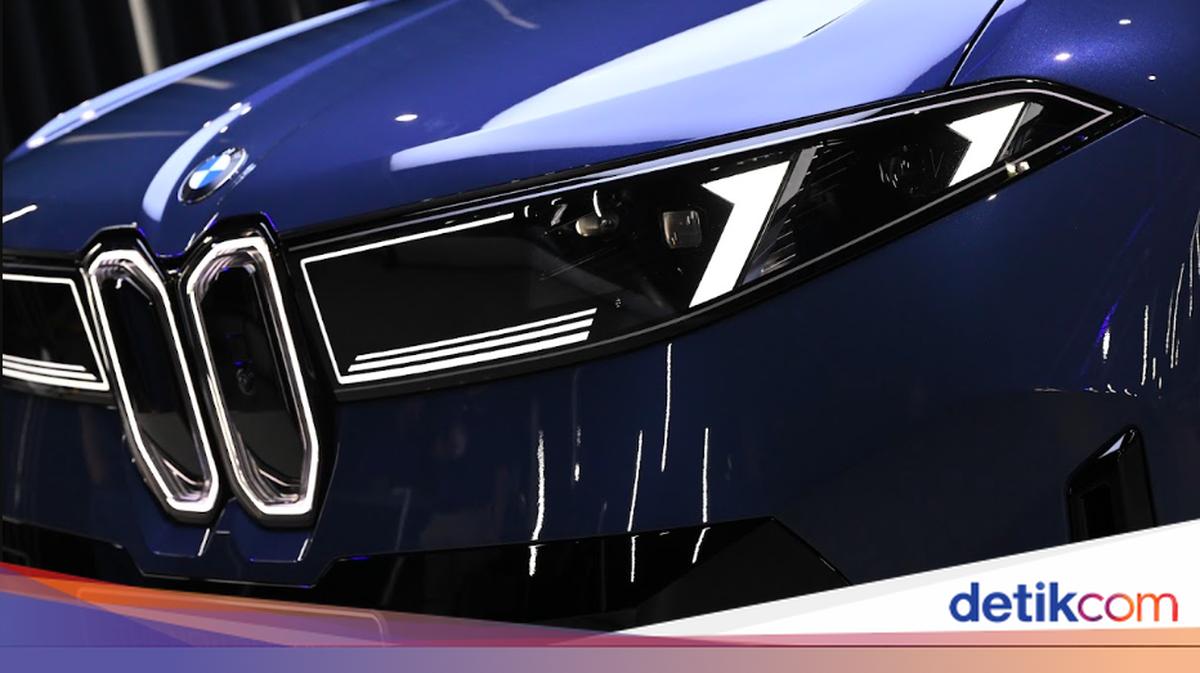
Jakarta – The automotive world stands at a pivotal crossroads, and BMW is positioning itself not just to participate in the transition toward electrification and digitalization, but to lead it. With the official introduction of the BMW New iX3, the Bavarian manufacturer has signaled the birth of the "Neue Klasse"—a revolutionary platform that represents a clean break from the past and a bold leap into the future.
While the New iX3 serves as the herald of this new era in both global and Indonesian markets, it is merely the tip of the iceberg. BMW Group has confirmed an ambitious roadmap: the rollout of 40 additional models under the Neue Klasse umbrella, promising to redefine the standards of premium mobility.
The Genesis of Neue Klasse: A Paradigm Shift
The term "Neue Klasse" (New Class) holds deep historical significance for BMW, famously referring to the mid-size sedans that saved the company from financial ruin in the 1960s. Today, the name carries a heavier weight, symbolizing the total transformation of the BMW brand into a high-tech, software-defined vehicle manufacturer.
The Neue Klasse is not just a platform; it is a holistic philosophy encompassing a new aesthetic language, modular architecture, and a radical approach to vehicle intelligence. At its core lies a commitment to sustainability, performance, and the seamless integration of human-machine interaction.
Chronology: From Concept to Global Rollout
The trajectory toward this new era began years ago, as BMW anticipated the shifts in consumer behavior and technological capabilities.
- The Visionary Phase: BMW first teased the concept of the Neue Klasse, emphasizing a "digital first" approach. Unlike traditional vehicle development, the new generation is built around a centralized electronic architecture.
- The Global Premiere: The BMW iX3 was selected as the torchbearer. By choosing an SUV—the most popular segment globally—BMW signaled that the Neue Klasse is meant for the masses, not just for niche luxury buyers.
- Expansion Strategy: Following the iX3, BMW’s strategy involves the rapid migration of its existing portfolio. Current models, including the LCI (Life Cycle Impulse) refreshes of the i3, the flagship 7 Series, and the robust X5, are being retrofitted to integrate the Neue Klasse DNA.
- The Future Timeline: With 40 models confirmed, the next decade will witness a systematic replacement and evolution of every vehicle in the BMW lineup, ensuring that whether a customer chooses a sedan, an SUV, an electric vehicle (EV), or a combustion engine, they are accessing the latest technology.
Supporting Data: Intelligence Behind the Wheels
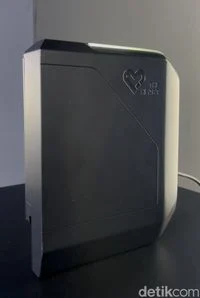
The "New BMW" is defined by what happens under the sheet metal. The shift centers on a "Superbrain"—a high-performance computer that replaces the fragmented electronic control units found in traditional vehicles.
The "Superbrain" Architecture
Traditional cars rely on dozens of small computers to manage individual systems. The Neue Klasse consolidates this into a unified, high-performance computing environment. This allows for:
- Over-the-Air (OTA) Updates: The vehicle can be continuously improved, with new features and performance enhancements pushed to the car like a smartphone update.
- Processing Power: The architecture supports real-time data processing, enabling advanced autonomous driving capabilities and proactive safety features that were previously impossible.
Heart of Joy Technology
A cornerstone of the Neue Klasse is the "Heart of Joy" technology. This proprietary software manages the vehicle’s drive systems and chassis dynamics. It is designed to ensure that despite the increasing digitalization of the cabin, the "Ultimate Driving Machine" remains a tactile, engaging experience. By harmonizing power delivery with chassis response, the system provides a level of precision that is arguably unmatched in the current EV market.
Official Responses: The Strategy for Indonesia and Beyond
During a recent briefing in Bangkok, Thailand, Jodie O’Tania, Director of Communications for BMW Group Indonesia, addressed the excitement surrounding the brand’s evolution. When questioned about the absence of an immediate electric sedan variant in the current Indonesian launch window, O’Tania remained composed, hinting at the vast, impending pipeline.
"We are bringing this new era to every single model," O’Tania stated. "Following the New BMW iX3, BMW will introduce 40 Neue Klasse models. We are looking at everything from the new LCI models to the i3, the 7 Series, and the new X5. Everything is being adapted to the Neue Klasse architecture."
When asked about the diverse needs of the Indonesian consumer, O’Tania emphasized BMW’s commitment to flexibility. "BMW has always been about meeting the specific needs of our customers. We provide options—sedans, SUVs, electric, and combustion. We have it all. The transition to Neue Klasse doesn’t mean narrowing our scope; it means elevating the technology across every single segment we operate in."
This confirms that the strategy is not to force a single powertrain on the market, but to ensure that regardless of the engine type, the vehicle’s electronic architecture represents the pinnacle of the Neue Klasse standard.
Implications: A New Benchmark for Premium Competitors
The automotive industry is currently embroiled in a "software war." With the introduction of the Neue Klasse, BMW is effectively putting its competitors on notice.
1. The Symbiotic Drive
The "Symbiotic Drive" is the next evolution of human-vehicle interaction. Through advanced sensor fusion and the Heart of Joy software, the car learns from the driver’s habits. The goal is a vehicle that feels like an extension of the driver’s will—predicting lane changes, adjusting suspension stiffness before a curve, and managing battery efficiency based on the driving style.
2. A Threat to the Status Quo
For premium competitors, BMW’s pivot is a "momok" (a phantom or daunting threat). If BMW successfully scales this technology across 40 models, it creates a massive barrier to entry for rivals. The efficiency of the Neue Klasse manufacturing process, combined with the superior software integration, gives BMW a structural advantage in both cost and capability.
3. Sustainability and Circularity
The Neue Klasse is not only about intelligence; it is about responsible manufacturing. BMW has integrated circular economy principles into the development of these vehicles, focusing on secondary raw materials and carbon-neutral production processes. This aligns with the global shift toward ESG (Environmental, Social, and Governance) compliance, making the new BMW lineup attractive to a generation of buyers who prioritize ethics alongside performance.
Conclusion: The Road Ahead
The transition to the Neue Klasse represents the most significant transformation in BMW’s history since the brand’s post-war resurgence. By moving away from hardware-defined vehicles to software-driven machines, BMW is not merely launching a new model—it is redefining what a premium car can be.
For the Indonesian market, this means access to a future where vehicles are more intelligent, more personal, and more dynamic. As the 40-model rollout progresses, the "Neue Klasse" will cease to be a buzzword and will become the standard by which all other premium vehicles are measured.
The "Heart of Joy" is beating, the "Superbrain" is active, and BMW is ready to drive into the next century of mobility. As Jodie O’Tania aptly summarized, the objective remains clear: to provide the perfect machine for every driver, enhanced by the most advanced technology the world has ever seen. The future of driving isn’t just coming; it has arrived in the form of the Neue Klasse.