Soaring Demand: Lion Group Expands Connectivity as Malaysia Solidifies Position as Top Destination for Jakarta and Medan Travelers
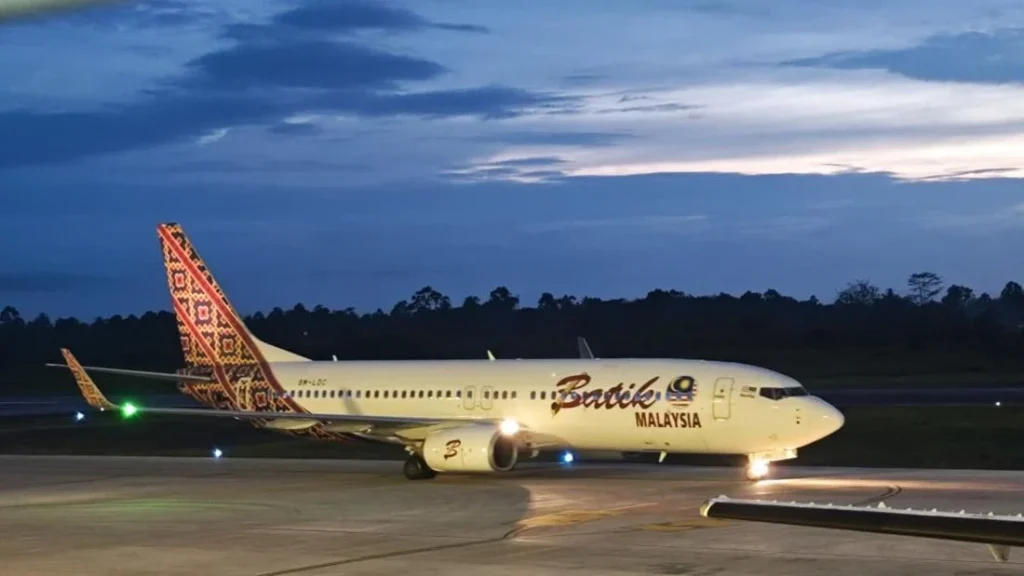
JAKARTA — Travel trends across Indonesia are shifting dynamically, with neighboring Malaysia cementing its status as the premier international getaway for Indonesian tourists. While Jakarta has long served as a primary international aviation gateway, travelers from Medan and surrounding regions in North Sumatra are increasingly turning their gaze toward the diverse attractions of the Malay Peninsula. Driven by this surging demand, major carriers under the Lion Group umbrella—specifically Batik Air and Lion Air—have significantly ramped up their flight frequencies and network connectivity, linking key Indonesian hubs directly to Kuala Lumpur and Penang.
This strategic expansion is designed not only to accommodate leisure travelers but also to cater to a burgeoning demographic of medical tourists, business executives, corporate travelers, and families seeking seamless cross-border mobility. With high-frequency schedules, competitive pricing, and streamlined transit options, Lion Group is positioning itself as a vital bridge in regional connectivity between Indonesia and Malaysia.
1. Main Facts: Comprehensive Connectivity Between Indonesia and Malaysia
The aviation landscape connecting Jakarta and Medan to Malaysia features high-capacity schedules tailored to modern travel demands. Batik Air and Lion Air have structured their timetables to offer maximum flexibility, ensuring that passengers can optimize their itineraries whether they are traveling for a weekend getaway or an extended business trip.
Batik Air’s Greater Jakarta Hub Operations
Jakarta acts as a critical anchor point for Indonesian aviation. Recognizing this, Batik Air has reinforced its presence at Soekarno-Hatta International Airport, offering robust, high-frequency connections to Malaysia:
- Jakarta (CGK) to Kuala Lumpur (KUL): Up to 5 flights daily, providing unmatched schedule flexibility for business and leisure travelers.
- Jakarta (CGK) to Penang (PEN): Up to 4 flights daily, catering directly to the steady influx of medical tourists and heritage enthusiasts.
Furthermore, Jakarta serves as an essential domestic transit hub. Passengers hailing from eastern, central, or southern parts of Indonesia can effortlessly fly into Jakarta and seamlessly connect to international flights bound for Malaysia, streamlining the travel experience for thousands of regional passengers every week.
Medan’s Strategic Proximity to the Malay Peninsula
For residents of Medan and the broader North Sumatra province, Malaysia represents a culturally familiar, geographically close, and highly accessible international destination. Capitalizing on this proximity, both Lion Air and Batik Air operate dedicated routes connecting Kualanamu International Airport (KNO) to major Malaysian economic and tourism centers.
The primary travel motivations for North Sumatran residents mirror those of travelers nationwide: culinary tourism, world-class shopping, family visitations, corporate engagements, and—significantly—cross-border healthcare.
2. Chronology of Network Expansion and Strategic Growth
The intensifying air traffic between Indonesia and Malaysia did not happen overnight; it is the result of a calculated, progressive response to post-pandemic recovery and shifting consumer behaviors.
- Phase 1: Post-Pandemic Revival (2022–2023): As international borders reopened, airlines faced an immediate surge in pent-up demand. Initial focus was placed on restoring trunk routes between Jakarta, Medan, and Kuala Lumpur. During this period, flight frequencies were gradually increased to pre-pandemic levels as bilateral tourism agreements and eased visa regulations stimulated travel.
- Phase 2: Diversification into Secondary Hubs (2024–2025): Recognizing that travelers were seeking experiences beyond standard capital-to-capital itineraries, carriers began increasing frequencies to regional gems like Penang. Direct flights from Medan to Penang gained immense traction, transforming what used to be niche travel into high-volume commuter corridors.
- Phase 3: Comprehensive Network Optimization (2026): By early 2026, Lion Group optimized its scheduling to include multiple daily departures, refined transit windows, and expanded multi-destination ticketing options. This current phase allows passengers to utilize Kuala Lumpur not just as a final destination, but as a gateway to explore secondary and tertiary Malaysian markets seamlessly.
3. Supporting Data & Detailed Flight Schedules
To support the growing influx of passengers, Lion Group has published comprehensive flight schedules for its key North Sumatran routes. These timetables are structured to give travelers maximum operational flexibility.
Lion Air: Medan (KNO) to Penang (PEN)
Penang remains a favored destination for North Sumatrans due to its rich heritage, culinary prestige, and advanced medical infrastructure. Lion Air operates multiple daily flights on this route:
-
Medan (KNO) – Penang (PEN) Departures:
- JT 134: Departs at 08:10 Local Time (LT)
- JT 138: Departs at 10:25 Local Time (LT)
- JT 132: Departs at 13:50 Local Time (LT)
-
Penang (PEN) – Medan (KNO) Return Departures:
- JT 135: Departs at 11:00 Local Time (LT)
- JT 139: Departs at 13:15 Local Time (LT)
- JT 133: Departs at 16:40 Local Time (LT)
Batik Air: Medan (KNO) to Kuala Lumpur (KUL)
For travelers utilizing Medan as their departure point for Malaysia’s bustling capital, Batik Air provides reliable morning and evening options, balancing corporate scheduling with leisure itineraries:
-
Medan (KNO) – Kuala Lumpur (KUL) Departures:
- ID 7264: Departs at 06:00 Local Time (LT)
- ID 7262: Departs at 18:00 Local Time (LT)
-
Kuala Lumpur (KUL) – Medan (KNO) Return Departures:
- ID 7263: Departs at 09:10 Local Time (LT)
- ID 7265: Departs at 21:20 Local Time (LT)
Beyond direct city-to-city travel, Kuala Lumpur functions as an expansive regional transit point. Passengers originating from Medan are no longer restricted to terminating their journeys in the capital. Through coordinated flight scheduling and multi-leg ticketing, travelers can easily transition to domestic or regional Malaysian destinations such as Langkawi, Johor Bahru, Kuching, Kota Bharu, and Kota Kinabalu within a single unified itinerary.
4. Official Responses and Corporate Insights
Management within the Lion Group emphasizes that these route expansions are driven by qualitative shifts in consumer demand rather than arbitrary capacity increases.
Speaking on the strategic importance of the Malaysian market, Danang Mandala Prihantoro, Corporate Communications Strategic of Batik Air, elaborated on the unique value propositions offered by different Malaysian destinations in an official statement released on Tuesday, September 29, 2026.
"Kuala Lumpur has an irreplaceable role. It is not merely a destination for leisure, but a vibrant hub where visitors can immerse themselves in world-class dining, rich cultural heritage, premier shopping experiences, and diverse tourism attractions," Danang Mandala Prihantoro stated.
Highlighting the distinct appeal of Penang, Danang pointed out that the island serves a completely different set of traveler priorities, most notably in the healthcare sector:
"Meanwhile, Penang offers a distinct and more diverse experience. Beyond enjoying historical sightseeing, cultural landmarks, and culinary adventures, passengers frequently choose Penang as a premier destination for medical tourism, healthcare treatments, business trips, family reunions, and short weekend getaways."
Addressing the specific dynamics of the North Sumatran market, Danang emphasized the deep-rooted cultural and economic ties linking Medan to Malaysia:
"For the people of Medan and surrounding areas, Malaysia remains one of the closest and most relevant international travel destinations. The geographical proximity to Medan also makes Penang an ideal alternative for brief trips and visits that require tight schedule flexibility."
He further underscored the limitless possibilities unlocked by regional connectivity:
"Travel from Medan does not have to stop in Kuala Lumpur. By arranging connecting flights, passengers can explore various regions of Malaysia within a single travel itinerary—ranging from Langkawi, Johor Bahru, and Kuching, to Kota Bharu and Kota Kinabalu."
5. Broader Economic and Tourism Implications
The expansion of high-frequency flight paths between Indonesia and Malaysia carries profound economic implications, extending far beyond the balance sheets of the airlines involved. It acts as a powerful catalyst for regional economic integration, bi-national tourism promotion, and cross-border commercial partnerships.
Boosting the Tourism and Hospitality Sectors in North Sumatra
The robust connectivity established by Lion Air and Batik Air serves as a vital economic lifeline for North Sumatra’s domestic tourism ecosystem.
- Empowering Travel Agents and Tour Operators: Local travel agencies now possess the logistical framework to curate complex, multi-destination tour packages that appeal to regional travelers looking to venture deeper into Southeast Asia.
- Hospitality and Ground Transport Growth: Hotels, resorts, car rental agencies, and local transport providers in Medan and surrounding regions stand to benefit directly from sustained passenger volume. Increased international exposure encourages local micro, small, and medium enterprises (MSMEs) to elevate their service standards to meet regional expectations.
Facilitating Specialized Travel: Medical Tourism and Corporate Mobility
One of the most profound socio-economic impacts of this aviation expansion is the facilitation of cross-border medical tourism. Thousands of Indonesians regularly travel to Penang and Kuala Lumpur for specialized medical checks, surgical procedures, and long-term treatments. The high daily frequency of flights ensures that patients and their accompanying family members can travel with minimal stress, knowing that flight options are readily available should urgent scheduling adjustments be required.
Similarly, corporate travelers benefit from the morning and evening departures, allowing executives to conduct business meetings across the Malacca Strait and return home within a 24-to-48-hour window without incurring excessive lodging costs.
Conclusion
As Batik Air and Lion Air continue to optimize their schedules and expand their regional footprints, the bond between Indonesia and Malaysia grows increasingly robust. By bridging Jakarta, Medan, Kuala Lumpur, and Penang with frequent, reliable, and flexible flight options, Lion Group has successfully democratized cross-border travel. For Indonesian tourists, business professionals, and patients alike, Malaysia is no longer just a foreign country across the sea, but an accessible, welcoming extension of their regional neighborhood.