Beyond Physical Health: Groundbreaking Study Links Cutting Out Ultra-Processed Foods to Improvements in Depression Symptoms

JAKARTA — For decades, the public health narrative surrounding ultra-processed foods (UPFs) has focused primarily on physical ailments. From the rising tides of obesity and type 2 diabetes to cardiovascular diseases and metabolic syndromes, our modern diet of convenience has long been pegged as the physical villain of the twenty-first century. However, a growing body of scientific inquiry is shifting the lens inward, exploring how the chemical-laden, hyper-palatable snacks we consume daily alter not just our waistlines, but our minds.
In a compelling new study that bridges nutritional science and psychiatry, researchers have uncovered a fascinating and hopeful connection: drastically reducing the consumption of ultra-processed foods may lead to significant improvements in symptoms of depression. While the research is still in its infancy, the findings offer a fresh perspective on the complex gut-brain axis, suggesting that the path to mental well-being might just begin on our dinner plates.
Main Facts: The Intersection of Diet and Mental Health
At its core, the pilot study—led by researchers at the University of California, San Francisco (UCSF) and published in the prestigious JAMA Psychiatry on September 23, 2026—sought to investigate whether dietary intervention could alleviate mental health burdens in vulnerable populations. Funded by the National Institutes of Health (NIH), the research team specifically targeted individuals who consumed high amounts of ultra-processed foods and evaluated their mental health metrics before and after transitioning to whole, minimally processed foods.
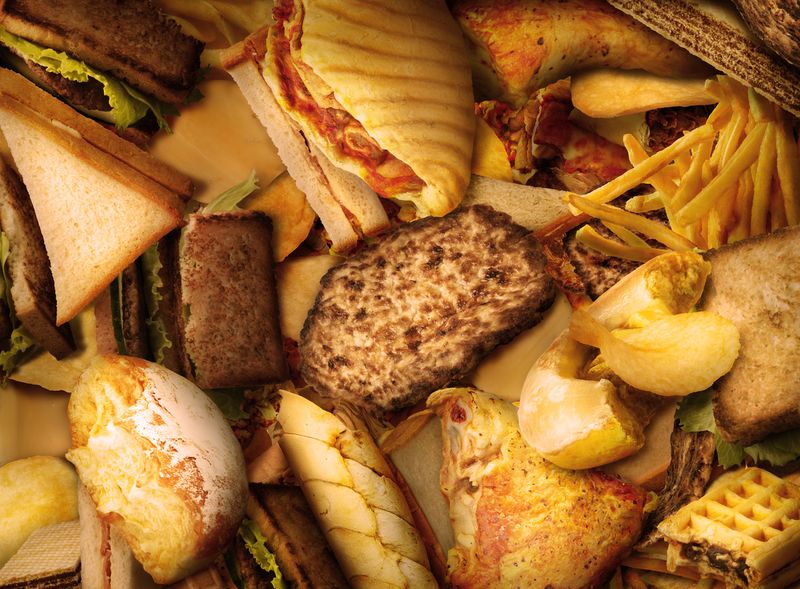
Ultra-processed foods encompass a wide array of modern dietary staples: packaged sausages, chips, chicken nuggets, commercial bottled beverages, and sodas. These items are engineered for mass appeal, characterized by their low cost, extended shelf life, and hyper-convenient ready-to-eat nature. Yet, beneath their appetizing textures and intense flavors often lie a cocktail of industrial additives, artificial colorings, chemical flavor enhancers, emulsifiers, and heavy preservatives.
The UCSF study revealed that when participants radically cut down their intake of these industrial formulations—slashing UPF consumption by more than 85%—they experienced marked, measurable improvements in depressive symptoms. Furthermore, secondary observations noted a downward trend in anxiety levels, though the shift was less pronounced than the relief reported for depression.
While the scientific community remains cautious about branding diet as a standalone cure for clinical depression, these initial insights provide a compelling foundation for future psychiatric nutrition research.
Chronology: How the UCSF Pilot Study Unfolded
Understanding the significance of these findings requires looking closely at how the study was designed and executed.
The Participant Cohort
The pilot trial was intentionally intimate, enrolling 20 participants with an average age of 44 years. Notably, 70% of the cohort comprised women. To qualify for the study, every participant had to meet specific baseline health criteria: they all possessed a high Body Mass Index (BMI) and suffered from at least one metabolic disorder, such as hypertension, type 2 diabetes, or elevated levels of low-density lipoprotein (LDL) cholesterol—often referred to as "bad" cholesterol. Additionally, 14 out of the 20 participants exhibited co-occurring symptoms of anxiety, presenting a complex picture of metabolic and psychological distress.
The Crossover Design
To ensure rigorous observation, the researchers implemented a randomized crossover design spanning a total of eight weeks. The participants were divided into two groups:
- The Intervention Phase: One group immediately began actively reducing their ultra-processed food intake, guided closely by research dietitians and provided with healthier, whole-food alternatives.
- The Control Phase: The second group maintained their standard, habitual diets high in UPFs for the first four weeks.
At the halfway mark (four weeks), the two groups swapped protocols. Those who had been eating whole foods returned to their regular diets, while the control group transitioned to the low-UPF dietary intervention. This methodology allowed researchers to observe changes within the same individuals across different dietary states, minimizing the interference of external lifestyle variables.

The Turning Point
By the end of their respective intervention periods, participants had successfully slashed their ultra-processed food intake by an impressive average of over 85%. Clinical evaluations conducted at these intervals revealed the core takeaway of the research: as UPF consumption plummeted, scores on standardized depression assessments dropped significantly.
Supporting Data: The Mechanics of Modern Food and the Brain
To contextualize the results of the UCSF study, it is necessary to examine the biological mechanisms that link industrial food processing to neurological distress.
The Dopamine Trap
Why is breaking up with ultra-processed foods notoriously difficult? According to Dr. Nyasha Chagwedera, MD, PhD, one of the lead authors of the study, these foods are chemically engineered to hijack human neurochemistry.
"Reducing the amount of ultra-processed foods in the diet can be a profound challenge because these foods are exceptionally palatable, cheap, and convenient," Dr. Chagwedera explains.
From a neurobiological standpoint, UPFs trigger a powerful release of dopamine—the neurotransmitter responsible for feelings of reward, pleasure, and reinforcement. The precise combination of high fat, refined sugar, salt, and sensory enhancers creates a feedback loop in the brain, echoing the neurological pathways activated by addictive substances. This continuous dopamine stimulation not only drives cravings and overeating but can dysregulate the brain’s natural reward systems over time.
The Gut-Brain Axis and Chronic Inflammation
Beyond immediate neurological rewards, Dr. Chagwedera points to a deeper, more systemic physiological mechanism: the gut-brain axis. The human gastrointestinal tract is home to trillions of microorganisms that play a vital role in regulating everything from immunity to mood-stabilizing neurotransmitters like serotonin.
Consumption of heavy industrial additives, artificial emulsifiers, and refined sugars found in ultra-processed foods has been linked in various studies to dysbiosis—an imbalance in the gut microbiome—and increased intestinal permeability, colloquially known as "leaky gut."
"This damage to the gut lining can create low-grade, chronic inflammation throughout the entire body," Dr. Chagwedera elaborates. "This systemic inflammation can either directly contribute to the onset of depression or render an individual significantly more vulnerable to experiencing depressive episodes."
By removing the inflammatory triggers found in UPFs and replacing them with fiber-rich, nutrient-dense whole foods, participants may have effectively calmed their systemic inflammation, allowing the gut-brain axis to function with reduced neurological interference.
Official Responses and Expert Perspectives
The publication of the study in JAMA Psychiatry has sparked widespread discussion within the medical and nutritional communities. While the findings have been hailed as innovative, the study’s leaders are careful to maintain scientific objectivity.
Dr. Chagwedera and her colleagues are quick to acknowledge the limitations of their work. With a sample size of only 20 participants, the trial is classified strictly as a pilot study. It was not designed—nor is it statistically powered—to prove definitive causation or to establish dietary modification as an independent therapeutic cure for clinical depression.
Senior author Dr. Andrew Krystal addressed this nuance, emphasizing that while the study’s direct therapeutic claims must remain modest, its structural success is a monumental milestone. Dr. Krystal noted that the trial successfully demonstrated that conducting rigorous, controlled dietary interventions in psychiatric research is not only possible, but yields data robust enough to justify larger-scale investigations.
Buoyed by these promising initial metrics, the research team is already looking ahead. Plans are officially underway to recruit participants for a much larger, multi-site Phase 2 clinical trial, slated to launch in 2028. This upcoming iteration aims to involve a broader, more diverse demographic and a significantly larger sample size, which will help researchers definitively determine whether dietary shifts can be standardized as a formal adjunct therapy for mood disorders.
Implications: What This Means for Public Health and the Future of Psychiatry
The implications of the UCSF study extend far beyond academic journals, touching upon public health policy, clinical psychiatry, and everyday lifestyle choices.
A Paradigm Shift in Mental Health Treatment
Traditionally, psychiatry has relied heavily on pharmacotherapy (antidepressants, anxiolytics) and psychotherapy (cognitive behavioral therapy) to treat mood disorders. While these tools remain the gold standard of care, the integration of "nutritional psychiatry" is gaining momentum. If subsequent phases of research validate the link between UPF reduction and the alleviation of depressive symptoms, clinicians may soon have a powerful, non-pharmacological tool to add to their treatment arsenals. Advising patients to modify their diets could become a standard, cost-effective adjunct therapy alongside traditional interventions.
Public Health and the Industrial Food Supply
On a macro level, these findings challenge governments and public health agencies to re-evaluate how they regulate and market ultra-processed foods. Just as public health campaigns successfully targeted tobacco use and high sodium content in processed meats, the burgeoning link between UPFs and mental health crises may warrant stricter nutritional labeling, consumer education, and restrictions on the marketing of hyper-processed convenience foods—particularly to vulnerable populations facing socioeconomic barriers to fresh food access.
Practical Takeaways for Consumers
For the average consumer navigating supermarket aisles filled with convenient, cheap, and appealing options, the study serves as both a caution and an encouragement. While completely eliminating ultra-processed foods in a fast-paced modern society can feel overwhelming, even incremental steps toward reducing UPF intake—such as swapping packaged snacks for whole fruits, cooking more meals from scratch, and choosing minimally processed ingredients—can yield profound benefits for both the body and the mind.
As science continues to peel back the layers of how modern diets impact our neurobiology, one message is becoming increasingly clear: true wellness requires us to nourish not just our physical bodies, but our minds as well. The upcoming 2028 clinical trials will undoubtedly provide deeper clarity, but the foundational advice remains timeless—what we put on our plates matters, and the kitchen may just be the first line of defense in protecting our mental health.