The Toxic Whisper: ‘HASUT’ Delivers a Chilling Masterclass in Psychological Horror
By: Editorial Desk | September 25, 2026
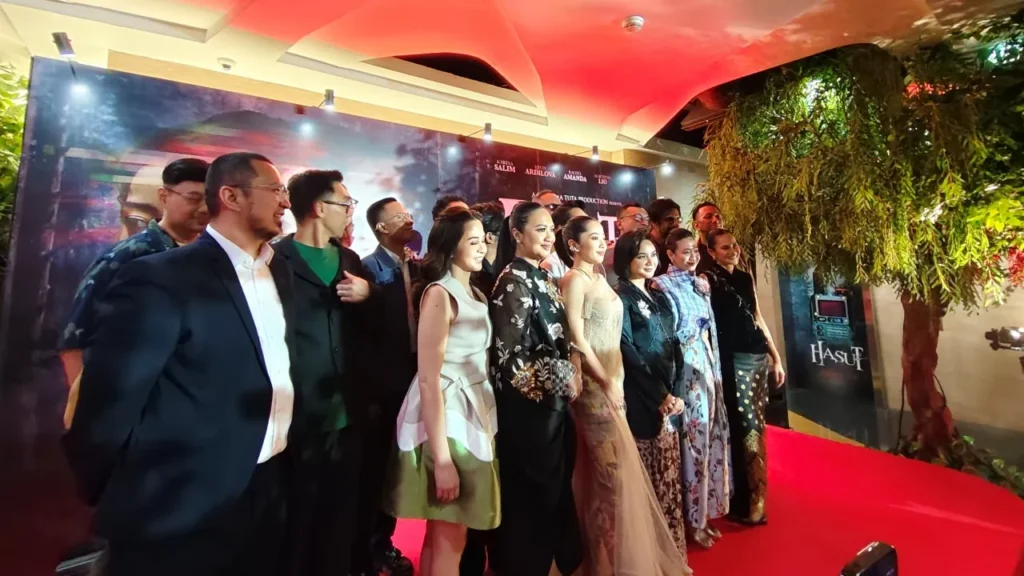
The air inside Plaza Indonesia XXI in Central Jakarta was thick with a palpable, unsettling tension on the evening of Wednesday, September 23. It was not merely the anticipation of a new film premiere; it was the psychological weight of HASUT, a cinematic exploration of how quickly a single whisper of slander can dismantle the foundations of trust. As the lights dimmed and the screen flickered to life, the audience was plunged into a narrative that dissects the most dangerous weapon in human history: the human tongue.
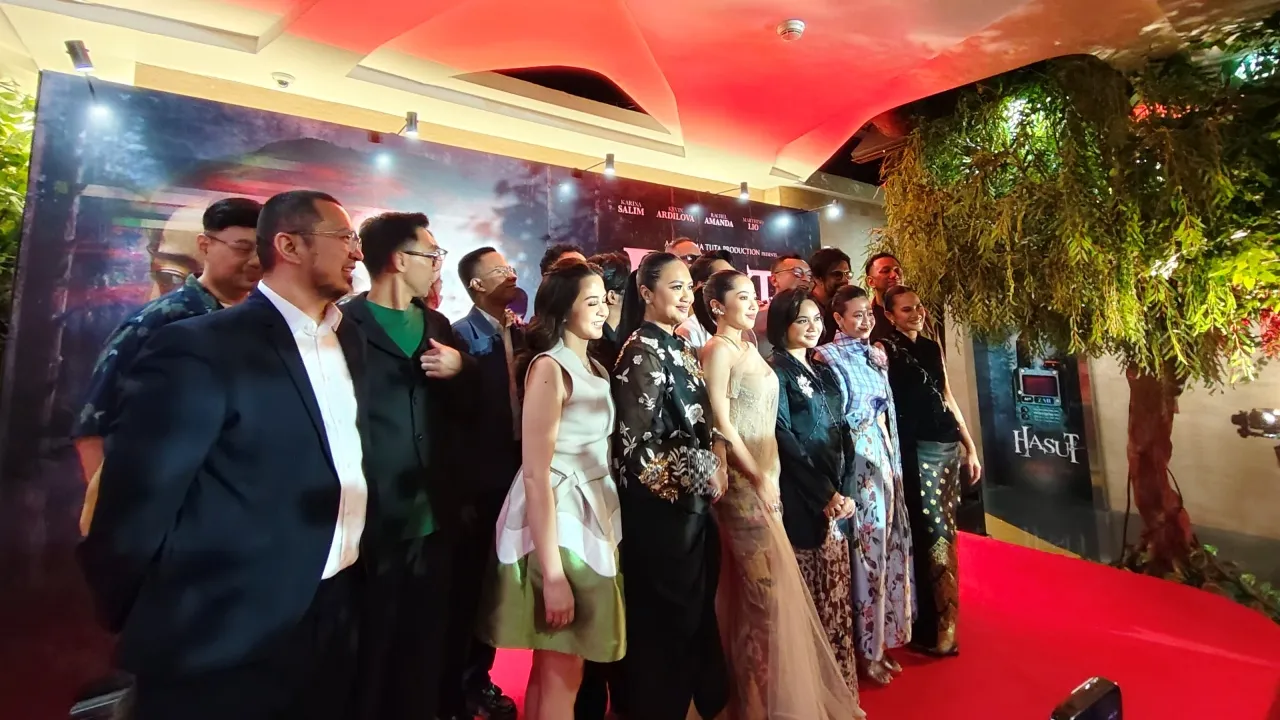
The Gala Premiere of HASUT served as a high-profile convergence of industry professionals, media critics, and film enthusiasts. The event, marked by an elegant red-carpet entrance, underscored the industry’s high expectations for this drama-mystery feature. With its focus on the anatomy of manipulation and the catastrophic fallout of paranoia, HASUT has positioned itself as one of the most anticipated releases of the year.
1. The Anatomy of the Gala Premiere: A Night of Suspense
The atmosphere leading up to the screening was a curated blend of glamour and foreboding. Cast members, producers, and directors walked the red carpet, engaging with the press and setting the stage for what would be a profound cinematic experience.
The production team, aware of the film’s intense subject matter, ensured that the event reflected the dark, claustrophobic themes found within the movie. Following the screening, the silence of the theater was broken by thunderous applause—a testament to the audience’s visceral reaction to the film’s shocking twists. The subsequent Q&A session and panel discussion allowed for an immediate dissection of the film’s themes, with cast members shedding light on the grueling process of portraying characters whose minds are systematically unraveled by deceit.
2. Narrative Depth: When Healing Turns into Horror
At its core, HASUT is not a traditional horror film defined by predictable jump scares. Instead, it operates as a sophisticated psychological thriller that probes the dark corners of the human psyche. The story follows a group of individuals seeking solace in the beauty of nature, intending to embark on a journey of healing. However, the film subverts the "nature-as-sanctuary" trope, suggesting that some places—and some secrets—are not meant to be disturbed.
The narrative arc is meticulously crafted, building tension through a series of "small fires"—insignificant lies and whispers—that eventually coalesce into an uncontrollable blaze. As the characters find themselves isolated in the wilderness, the film masterfully plays with the concept of the "unreliable narrator." Every character has a hidden wound, and every attempt to address those wounds through isolation only serves to make them more vulnerable to the toxicity of their own mutual suspicions.
3. Critical Reception: Why Audiences are Divided (and Delighted)
The post-screening buzz has been overwhelmingly positive, particularly from critics who appreciate a departure from formulaic genre tropes. The film’s unconventional approach to mystery has sparked intense debate among early viewers, particularly regarding its structural complexity.
Insights from Movieverse Critics:
The "Movieverse" panel offered a fascinating breakdown of the film’s impact:
- Airlangga Muhammad (Rating 10/10): "As someone who isn’t typically a fan of the horror genre, I found HASUT to be a masterclass in tension. It eschews cheap jumpscares for a deep, lingering sense of dread. What truly stood out was the cinematography—the film captures the breathtaking beauty of Indonesia’s natural landscape in a way that contrasts sharply with the horror unfolding on screen. And, of course, the performance of Rachel Amanda is nothing short of magnetic."
- Jane Frisca (Rating 1000/10): "The film hits home by reminding us of the old wisdom: the forest is a home, and we are merely guests. If you don’t show respect to the environment, you pay the price. HASUT is the first horror film I’ve seen that treats the audience’s brain as a toy, manipulating our perceptions until the very end. It is a brilliant piece of writing."
4. The Craftsmanship: Behind the Lens
The success of HASUT lies in its production values. The creative team behind the project emphasized that the film’s "claustrophobic" atmosphere was intentional. By limiting the scope of the setting, the director forces the audience to focus entirely on the micro-aggressions and emotional shifts of the cast.
The cinematography deserves special mention. By juxtaposing the vast, sprawling beauty of the Indonesian wilderness against the tight, suffocating frames of the characters’ interpersonal conflicts, the visual language of the film reinforces the message: you can run to the most beautiful places on Earth, but you cannot outrun the rot of your own thoughts.
5. Societal Implications: The Real-World Weight of Slander
While HASUT is a work of fiction, its premise is deeply rooted in contemporary societal issues. In an era where information—and misinformation—travels at the speed of a click, the film serves as a cautionary tale.
The "hasutan" (incitement/slander) depicted in the film acts as a metaphor for the digital age, where rumors are weaponized to destroy reputations and relationships. The film challenges the audience to consider: How much of our own reality is shaped by the whispers of others? When we choose to believe a lie over a friend, what are we actually sacrificing?
By framing these questions within the structure of a high-stakes psychological thriller, the filmmakers ensure that the audience doesn’t just watch the film; they reflect upon it long after the credits roll.
6. Official Statements and Future Outlook
During the press conference, the production team expressed their desire for HASUT to serve as a catalyst for a new wave of psychological storytelling in the Indonesian film industry.
"We didn’t want to make just another horror movie," the director noted during the post-screening panel. "We wanted to make a film that forces the audience to look in the mirror. The horror isn’t in the shadows; it’s in the way we talk to each other and the way we allow others to dictate our perceptions."
With the film set for a wide release, the industry is watching closely to see if HASUT can maintain its momentum. Given the critical acclaim and the strength of the performances, it is highly likely to become a benchmark for future Indonesian psychological dramas.
7. A Must-Watch for Cinema Enthusiasts
As the industry prepares for the wide release on Thursday, October 8, the consensus is clear: HASUT is a rare gem that balances aesthetic beauty with a sharp, piercing narrative. It is a film that rewards patient viewers, those who appreciate the slow build of dread and the satisfaction of a well-executed plot twist.
Whether you are a devotee of the mystery genre or simply a fan of high-quality, thought-provoking cinema, HASUT demands to be seen on the big screen. Its ability to turn a simple, whispered word into a source of absolute terror is a testament to the power of film as a medium for psychological exploration.
Don’t miss the chance to experience the paranoia, the beauty, and the devastating truth of HASUT when it hits theaters nationwide this October. It is, without a doubt, one of the most chilling experiences you will have in a cinema this year.
Mark your calendars for October 8, 2026.