Choking on Crisis: Palangka Raya Suffers Spike in Oxygen Demand Amid Severe Forest and Land Fires
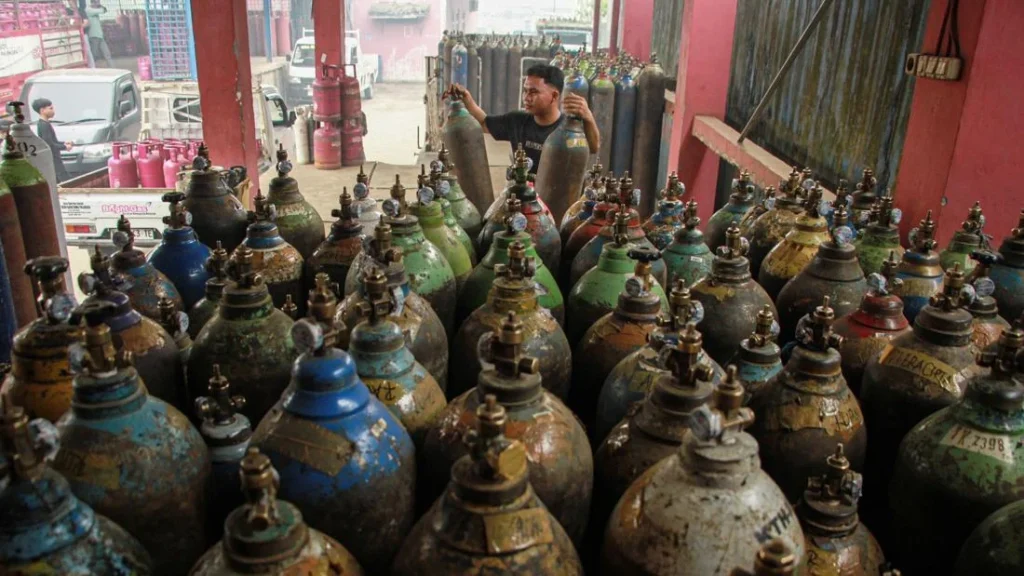
PALANGKA RAYA, CENTRAL KALIMANTAN — The air hanging over Palangka Raya, the capital of Central Kalimantan, has transformed into a heavy, hazardous shroud. Weeks of relentless forest and land fires—locally known as Karhutla—have sent thick, acrid smoke billowing across the region, plunging the city into an environmental and public health emergency. As visibility plummets and the Air Quality Index (AQI) reaches dangerous milestones, local healthcare facilities and medical suppliers are reporting an unprecedented surge in respiratory distress among residents. Most notably, the demand for medical oxygen cylinders has skyrocketed by up to three hundred percent, signaling a deepening crisis for the vulnerable population caught in the crosshairs of the annual haze.
Main Facts: The Anatomy of an Environmental Emergency
The ongoing crisis in Central Kalimantan is characterized by several critical developments:
- The Epicenter: Palangka Raya and its surrounding districts bear the brunt of the heavy smoke, driven by shifting wind patterns that trap particulate matter over residential zones.
- The Trigger: Widespread forest and land fires, exacerbated by prolonged dry conditions, have consumed vast tracts of peatland, which are notoriously difficult to extinguish and release dense, toxic smoke.
- The Health Impact: Hospitals, clinics, and independent pharmacies report a dramatic influx of patients presenting with acute respiratory infections (ISPA), asthma attacks, chronic obstructive pulmonary disease (COPD), and severe cardiovascular strain caused by prolonged inhalation of fine particulate matter ($PM_2.5$).
- The Surge in Demand: Medical supply vendors in Palangka Raya confirm that the demand for oxygen tanks—both for home care and emergency clinical use—has tripled compared to non-fire periods, straining local supply chains.
- Vulnerable Populations: Children, the elderly, and individuals with pre-existing respiratory or cardiovascular conditions are suffering the most, with many advised to seek shelter indoors or evacuate temporarily.
Chronology: How the Haze Consumed Central Kalimantan
The escalation of the current crisis did not happen overnight; it is the culmination of months of deteriorating weather conditions and unchecked hotspots.
Phase 1: The Dry Season Prelude (May – June)
As the region transitioned from the wet season to the dry season, meteorological agencies in Central Kalimantan issued early warnings regarding the heightened potential for El Niño-induced drought. Peatlands, which retain moisture during the rainy months, began to dry out rapidly. Despite early calls for vigilance, illegal land-clearing practices using traditional slash-and-burn methods persisted in remote pockets of the province.
Phase 2: The First Hotspots and Localized Smoke (July)
By mid-July, satellite monitoring systems registered a sharp uptick in hotspots across Central Kalimantan, particularly in regencies bordering Palangka Raya such as Pulang Pisau and Kapuas. Initially, winds carried the smoke away from urban centers, but shifting weather patterns soon directed the plume toward Palangka Raya. Residents began waking up to a faint smell of burning peat and hazy morning horizons.
Phase 3: The Crisis Deepens (August – Early September)
August marked a severe turning point. The number of hotspots multiplied exponentially as peatland fires burned underground, defying initial suppression efforts by local fire brigades. By early September, the haze transformed from a morning inconvenience into a 24-hour hazard. Visibility on major thoroughfares dropped significantly, prompting the local government to issue health advisories and distribute masks.
Phase 4: The Healthcare Strain and Oxygen Surge (Mid-September – Present)
By mid-September, the cumulative effect of weeks of toxic air pollution manifested as a public health crisis. Clinics and emergency rooms flooded with patients struggling to breathe. It was during this period that medical suppliers noted the three-fold increase in oxygen cylinder rentals and purchases. Families rushed to secure backup oxygen supplies for elderly relatives and children suffering from severe asthma and bronchitis, marking the current apex of the disaster.
Supporting Data: Numbers Behind the Haze
To understand the severity of the situation in Palangka Raya, one must examine the environmental and medical data driving the panic:
- AQI and Particulate Levels: Air quality monitoring units in Palangka Raya have repeatedly recorded $PM_2.5$ concentrations well exceeding the safe thresholds established by the World Health Organization (WHO). Readings in several districts have entered the "Very Unhealthy" to "Hazardous" categories, where even healthy individuals are advised to avoid all outdoor exertion.
- Oxygen Demand Metrics: According to interviews with regional medical equipment distributors, daily requests for oxygen tank refills and rentals surged from an average baseline of 10–15 cylinders per day to upwards of 40–50 cylinders per day. Portable home-use concentrators have also completely sold out across major pharmacies in the city.
- Hospital Admissions: Local health offices report a 40% to 60% increase in outpatient visits related to acute respiratory tract infections compared to the same period last year. Pediatric wards have seen a disproportionate rise in infant admissions due to bronchitis triggered by the smoke.
- Hotspot Density: Remote sensing data from the Meteorology, Climatology, and Geophysical Agency (BMKG) and the Ministry of Environment and Forestry identified hundreds of active hotspots across Central Kalimantan, with a significant percentage concentrated on highly flammable peat soils.
Official Responses and Mitigation Efforts
In response to mounting public pressure and the visible deterioration of public health, local and national authorities have mobilized emergency response mechanisms, though critics argue that interventions remain reactive rather than preventative.
Disaster Response and Water Bombing
The Disaster Management Agency (BPBD) of Central Kalimantan, in coordination with the National Disaster Management Agency (BNPB), has deployed joint task forces comprising military, police, and forestry personnel. Water-bombing helicopters have been dispatched to remote and inaccessible peatland fires. Ground teams are working around the clock, utilizing long hoses and deep-well drilling to douse subterranean fires that continue to reignite beneath the surface.
Health Interventions
The Provincial Health Office has established multiple emergency health posts across Palangka Raya, providing free health check-ups, distributing thousands of medical-grade masks, and administering nebulizer treatments to citizens suffering from sudden breathing difficulties. Public awareness campaigns have been launched via local radio, television, and social media, urging residents to stay indoors, seal their homes, and use air purifiers where available.
Educational Adjustments
To protect school-aged children—one of the most vulnerable demographic groups—local education authorities enacted flexible learning policies. Schools have periodically shifted from in-person classes to online learning whenever air quality index readings cross hazardous thresholds, mitigating children’s exposure during the morning commute and recess hours.
Implications: Long-term Risks for Palangka Raya
While immediate firefighting efforts and emergency medical care are vital, the ongoing crisis in Palangka Raya carries profound long-term implications for the region’s economy, ecology, and public health.
1. Public Health Fallout
The long-term inhalation of peat smoke—which contains carbon monoxide, formaldehyde, acrolein, and fine particulate matter—poses chronic health risks. Medical professionals warn that repeated exposure during seasonal fires can lead to permanent lung capacity reduction, chronic bronchitis, cardiovascular diseases, and developmental delays in children. The psychological toll of living under a perpetual blanket of smoke, coupled with the anxiety of securing medical oxygen, also contributes to widespread stress and mental fatigue among residents.
2. Economic Disruptions
The haze crisis disrupts daily economic life. Small businesses, outdoor vendors, and transportation workers face severe income losses as public activity grinds to a halt. Furthermore, flight cancellations and delays at local airports due to low visibility isolate Palangka Raya from neighboring economic hubs, stalling commerce and tourism.
3. Environmental Degradation and Climate Feedback Loops
The destruction of Central Kalimantan’s peatlands is not only a local tragedy but a global concern. Peatlands are massive carbon sinks; when they burn, they release centuries of stored carbon dioxide back into the atmosphere, accelerating global climate change. The recurrent nature of Karhutla underscores the urgent need for a paradigm shift in land management, moving away from drainage and agricultural burning toward strict peatland restoration and conservation.
Conclusion
As Palangka Raya continues to battle the choking haze and the tripling demand for medical oxygen, the city serves as a stark reminder of the fragile balance between human activity and environmental stewardship. Until comprehensive, long-term preventative measures are successfully implemented to protect the vulnerable peatlands of Central Kalimantan, residents will remain vulnerable to the devastating annual cycle of fire and smoke.