The Return of the Giant Mugs: The 191st Oktoberfest Kicks Off in Munich with High Spirits and Global Appeal
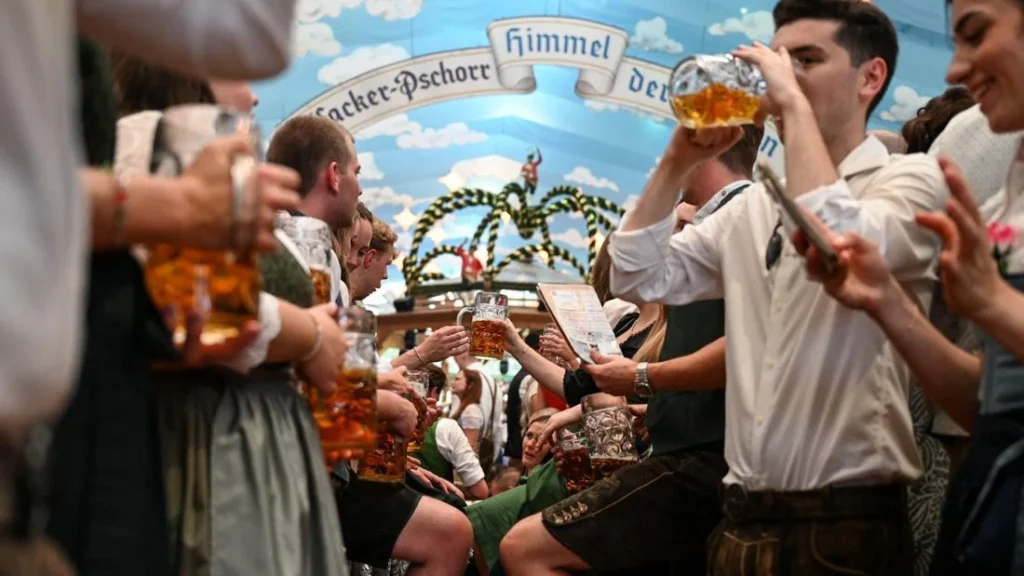
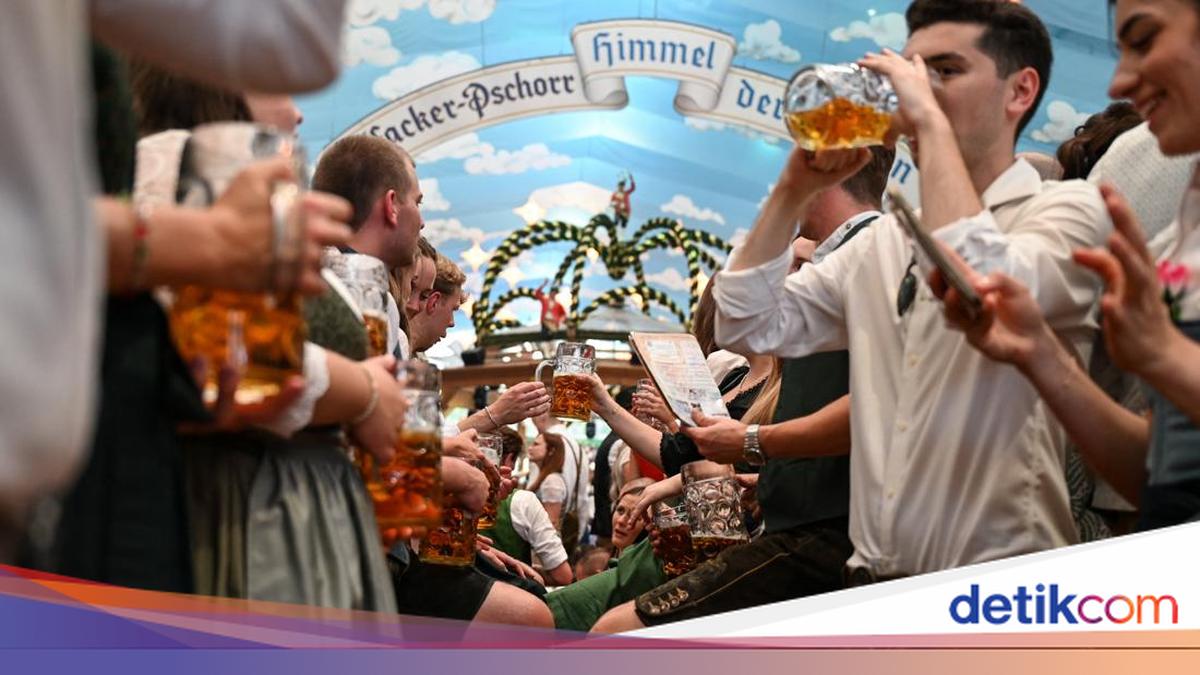
MUNICH, GERMANY — The air in Munich is thick with the scent of roasted almonds, grilled meats, and the unmistakable, yeasty aroma of fresh Bavarian beer. On Saturday, September 19, 2026, the gates of the Theresienwiese fairgrounds swung open to welcome the masses, marking the official commencement of the 191st Oktoberfest. As the world’s largest and most famous folk festival, this year’s edition promises a vibrant blend of time-honored traditions, adrenaline-pumping modern attractions, and a display of cultural pageantry that continues to captivate millions across the globe.
Despite shifting economic climates and contemporary global challenges, the magnetic pull of the festival remains as potent as ever. Organizers and local authorities anticipate that over the course of its 16-day run—culminating on October 4, 2026—approximately 6 million visitors from Germany and every corner of the globe will pass through the historic gates.
Main Facts: At a Glance
The 191st iteration of Oktoberfest is a massive logistical and cultural undertaking, anchored by several core elements that define its enduring legacy:
- Location: The historic Theresienwiese festival grounds in Munich, Bavaria, Germany.
- Duration: 16 days, running from Saturday, September 19, 2026, through Saturday, October 4, 2026.
- Expected Attendance: An estimated 6 million domestic and international visitors.
- Key Highlights: Massive beer tents operated by Munich’s historic breweries, traditional Bavarian brass music, over 100 amusement rides (including roller coasters and historical attractions), and regional culinary staples such as pretzels, sosis (Bratwurst), and roasted duck.
- Historical Significance: Marking its 191st year, the festival traces its roots back to October 1810, evolving from a royal wedding celebration into a global cultural phenomenon.
Chronology of the Opening Weekend
The journey toward the 191st Oktoberfest began months in advance with the meticulous construction of temporary wooden mega-tents, which require architectural precision to safely house tens of thousands of revelers. However, the official heartbeat of the festival began on Saturday, September 19, 2026, with a timeline rich in ritual.
The Dawn of the Festival (Saturday Morning)
Long before the sun fully cleared the Munich skyline, thousands of eager visitors and locals clad in traditional Bavarian attire—Lederhosen for men and Dirndls for women—queued outside the entrances of the Theresienwiese. The atmosphere was charged with palpable anticipation as festival-goers vied for the best unreserved seating inside the legendary beer tents, where securing a bench can often feel like winning a lottery.
The Ceremonial Tap
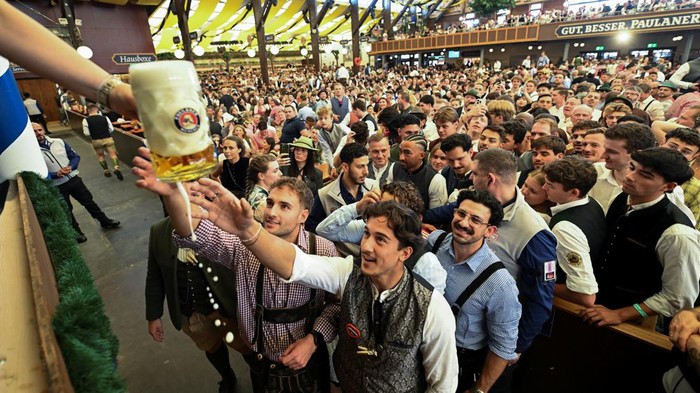
At precisely 12:00 PM, the traditional opening ceremony took place in the Schottenhamel tent. Munich’s Lord Mayor stepped up to the wooden barrel for the historic O’zapft is! ("It is tapped!") ritual. With a precise swing of the mallet, the mayor drove the tap into the first keg. After just a few blows, the beer flowed freely, accompanied by a 12-gun salute outside the tent. This historic moment signaled to the entire city—and the world—that the 191st Oktoberfest was officially open, allowing the pouring of beer to commence across all other tents simultaneously.

The Weekend Revelry
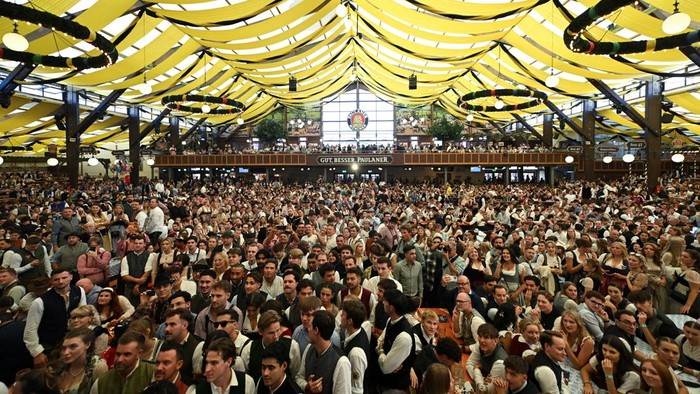
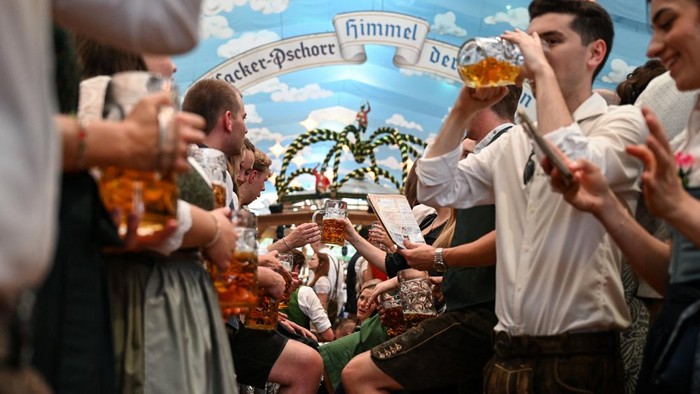
Throughout Saturday afternoon and Sunday, the fairgrounds transformed into a sea of clinking glass steins (Maßkrug), echoing laughter, and vibrant musical medleys. Tents reached maximum capacity within hours of opening, prompting safety officials to temporarily close certain areas to manage crowd flow. Outside the tents, families and thrill-seekers explored the sprawling midway, where classic games and cutting-edge carnival rides lit up the Munich evening sky.
Supporting Data and Attractions: More Than Just Beer
While the colloquial name for the festival in many languages translates simply to "beer festival," Oktoberfest is, at its core, a multifaceted cultural celebration (Volksfest). The 2026 edition highlights an expansive variety of entertainment tailored to demographics of all ages.
The Tents and Culinary Heritage
The massive beer tents—each capable of seating thousands of people simultaneously—are erected by Munich’s traditional breweries (including Augustiner, Hofbräu, Löwenbräu, Paulaner, Hacker-Pschorr, and Spaten). Inside, servers expertly navigate the bustling aisles carrying up to ten heavy one-liter glass mugs of beer at once.

The beverage offerings are heavily complemented by hearty Bavarian gastronomy. Millions of giant, soft pretzels (Brezn), giant portions of roasted chicken (Hendl), pork knuckles (Schweinshaxe), and traditional sausages are consumed over the 16-day period.
Thrill Rides and Family Entertainment
Beyond the culinary indulgence, the northern and central sections of the Theresienwiese host over 100 high-octane amusement rides and fairground stalls. Iconic attractions make their return in 2026, including towering Ferris wheels offering panoramic views of the Munich skyline, dizzying roller coasters, and nostalgic funhouses like the traditional haunted houses and slide towers that have entertained generations.
A Step Back in Time: Oide Wiesn
For those seeking a more authentic, historical ambiance, the southern section of the festival grounds houses the Oide Wiesn (Old Oktoberfest). First introduced for the bicentennial anniversary, this dedicated area has become a beloved permanent fixture.
The Oide Wiesn features historical amusement rides dating back to the early 20th century, traditional puppet theatres, horse-racing tracks reminiscent of the festival’s 19th-century origins, and acoustic music tents where brass bands play historical folk tunes without modern amplification. Here, dancers perform traditional Bavarian folk dances (Schuhplattler), preserving heritage crafts and customs for younger generations.
Official Responses and Security Measures
Hosting an event that draws millions of people requires meticulous planning, stringent safety protocols, and close coordination between municipal authorities, private security, and emergency services.
City Leadership and Tourism Board
Munich city officials have expressed immense pride in the seamless launch of the 191st Oktoberfest. In a press briefing following the opening ceremony, local tourism representatives emphasized the festival’s role not only as an economic engine for Bavaria, but also as a powerful symbol of international unity and cultural exchange.
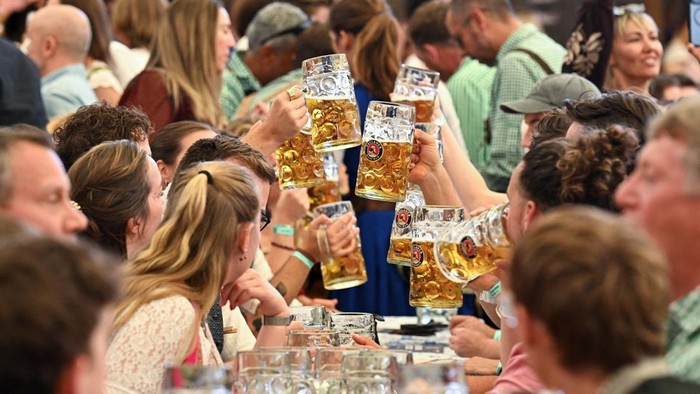
"Oktoberfest is where the world comes to Munich to share in our heritage, our food, and our hospitality," a city spokesperson noted. "Despite global uncertainties, the overwhelming turnout on opening weekend proves that humanity’s desire for communal celebration, joy, and shared human connection remains unbroken."
Security and Health Infrastructure
To ensure a safe environment for the anticipated 6 million guests, Munich police, fire departments, and medical personnel have deployed comprehensive security measures. These include:
- Access Control: Perimeter security checks to prevent prohibited items from entering the festival grounds.
- Surveillance and Crowd Management: Real-time digital monitoring systems to track crowd density across the Theresienwiese, allowing authorities to redirect foot traffic and prevent bottlenecks.
- On-Site Medical Care: A fully equipped makeshift field hospital operated by the Bavarian Red Cross is stationed directly on the grounds, staffed by emergency doctors, nurses, and paramedics ready to handle everything from minor dehydration to emergency interventions.
- Digital Assistance: Official mobile apps provide real-time updates on tent capacities, helping visitors find seating and navigate the sprawling fairgrounds efficiently.
Economic and Cultural Implications
The impact of Oktoberfest extends far beyond the borders of the Theresienwiese, sending ripples through Bavaria’s economy and shaping global perceptions of German culture.
Economic Catalyst for Hospitality and Tourism
Economists estimate that Oktoberfest injects hundreds of millions of euros into Munich’s local economy each year. Hotels, guesthouses, restaurants, taxi services, and retail shops experience a massive seasonal boom. Traditional tailors specializing in Lederhosen and Dirndls report high demand months in advance, as wearing traditional regional attire (Tracht) has transformed from a niche custom into an essential component of the visitor experience.
Global Cultural Footprint
While local Munich residents (Münchner) remain fiercely protective of the festival’s authentic roots, Oktoberfest has inspired countless imitation festivals across the globe—from the United States and Brazil to Japan and Australia. However, the original event in Munich remains the gold standard, drawing international travelers who wish to experience the authentic cultural blueprint.
Furthermore, the festival serves as a vital platform for cultural diplomacy. Foreign diplomats, international journalists, and tourists from diverse ethnic and cultural backgrounds mingle under the massive wooden arches of the beer tents, united by a shared appreciation for Bavarian music, food, and festive camaraderie.
Looking Ahead: The Road to October 4
As the 191st Oktoberfest enters its first full week, the initial wave of excitement is expected to settle into a steady rhythm of daily celebrations, family days, and evening gatherings. With favorable autumn weather forecasted for the upcoming days, organizers remain confident that the event will meet—or even exceed—its projected attendance goals.
For locals and international travelers alike, the next two weeks represent a rare window of unadulterated festivity—a time when the stresses of the modern world are momentarily paused, replaced by the rhythmic clinking of glass mugs, the strains of brass band music, and the timeless spirit of Bavarian hospitality. The festival grounds at Theresienwiese will continue to hum with life until the final notes fade and the tents close their doors on October 4, leaving memories that will sustain global enthusiasts until the 192nd edition dawns.