Architects of Harmony: World Leaders and Presidents Awarded the Nobel Peace Prize
Global Overview — In an era frequently defined by geopolitical tension, armed conflict, and ideological polarization, the pursuit of global peace remains one of humanity’s most critical endeavors. To honor those who dedicate their lives and political capital to resolving disputes, fostering cooperation, and safeguarding human rights, the Norwegian Nobel Committee has, for well over a century, bestowed the prestigious Nobel Peace Prize. Among its laureates are various world leaders and heads of state who utilized their immense executive power not to wage war, but to construct the architecture of lasting peace.
Observed annually on September 21, International Day of Peace serves as a poignant reminder of the fragility of global harmony and the collective responsibility to uphold it. Examining the historical ledger of Nobel Peace Prize laureates who held executive office reveals a fascinating intersection of political pragmatism, moral courage, and diplomacy.
1. Woodrow Wilson: The Architect of International Institutionalism
Main Facts
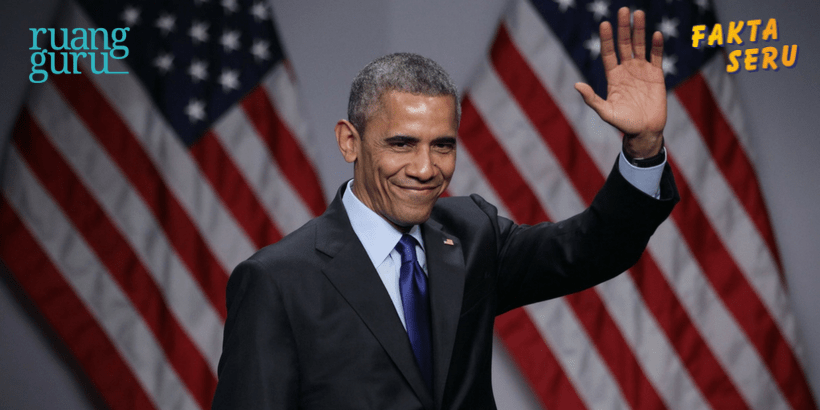
Thomas Woodrow Wilson, the 28th President of the United States, was awarded the Nobel Peace Prize in 1919. His recognition stemmed primarily from his visionary, albeit ultimately fragile, effort to institutionalize global diplomacy through the creation of the League of Nations in the aftermath of World War I.
Chronology and Historical Context
As the devastation of the First World War drew to a close, Wilson outlined his ambitious "Fourteen Points" in January 1918, a blueprint for world peace that emphasized open diplomacy, freedom of the seas, free trade, and national self-determination. The crown jewel of this vision was an international association of nations designed to guarantee political independence and territorial integrity to great and small states alike. The Treaty of Versailles formally established the League of Nations in 1919, realizing Wilson’s dream of a multilateral forum intended to prevent future global conflagrations.
Implications and Legacy
Although the League of Nations successfully managed minor international disputes during its early years, its structural weaknesses—most notably the failure of the United States Senate to ratify US membership and the absence of an independent military enforcement mechanism—ultimately doomed it to failure with the outbreak of World War II. Despite these shortcomings, Wilson’s foundational framework permanently altered international relations, paving the way for the establishment of the United Nations in 1945 and cementing the concept of collective security.
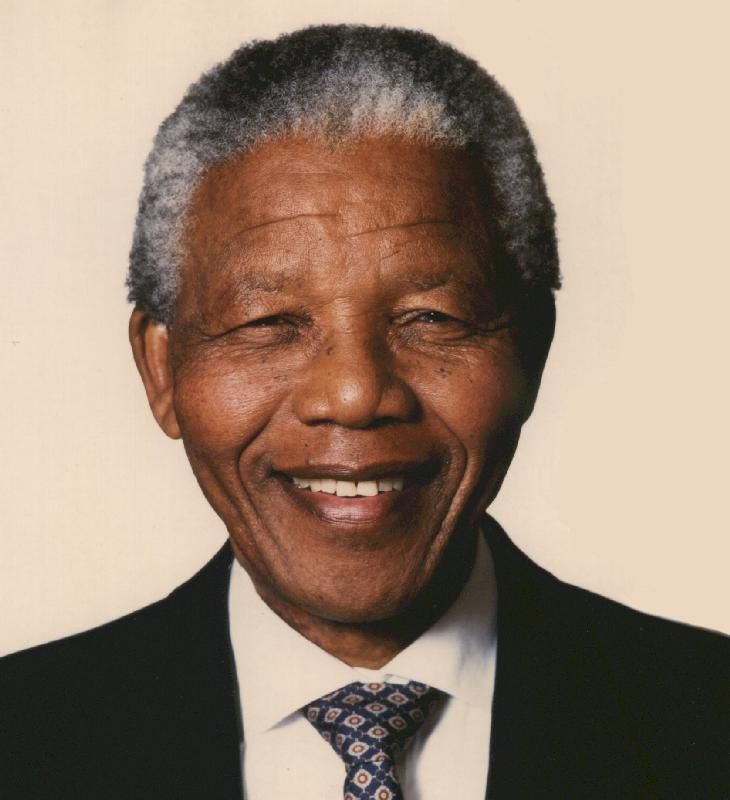
2. Nelson Mandela: Dismantling Apartheid Through Reconciliation
Main Facts
Long before he assumed the presidency of South Africa, Nelson Mandela was a global symbol of resistance against institutionalized racial oppression. Together with former South African President F.W. de Klerk, Mandela was awarded the Nobel Peace Prize in 1993 for their joint efforts to peacefully dismantle the brutal apartheid regime and lay the groundwork for a democratic, non-racial South Africa.
Chronology and Historical Context
For decades, South Africa’s apartheid regime systematically segregated its population by race, legally depriving the Black majority of basic education, employment opportunities, political representation, and human dignity. Mandela spent 27 years imprisoned for his opposition to this system, primarily on Robben Island. Released in 1990 amid mounting international pressure and domestic unrest, Mandela chose a path of negotiations rather than retribution. His diplomatic acumen facilitated the transition from minority rule to a multi-party democracy, culminating in his election as the country’s first Black president in 1994.
Implications and Legacy
Mandela’s leadership averted a catastrophic racial civil war in South Africa. By championing the Truth and Reconciliation Commission, he prioritized national healing over revenge, demonstrating to the international community that deep-seated historical grievances can be addressed through restorative justice and democratic inclusion.
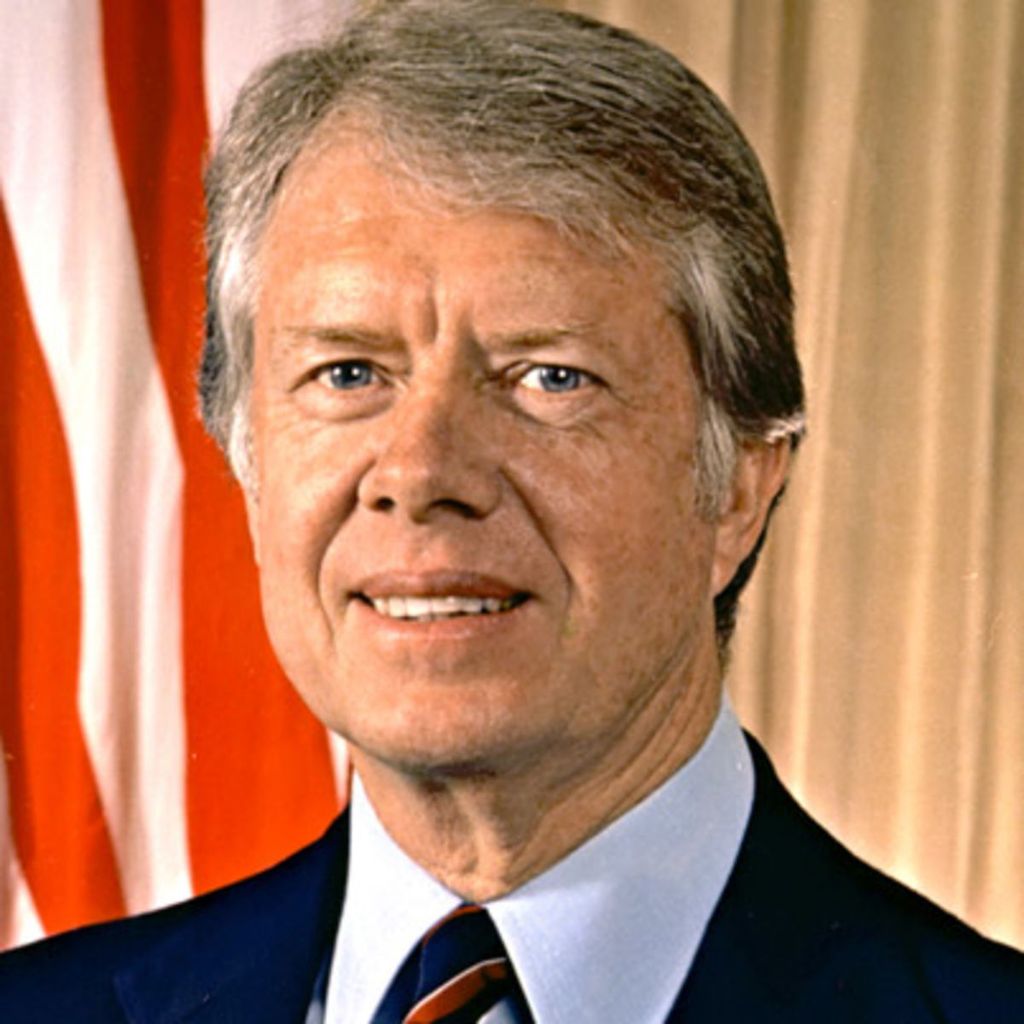
3. Jimmy Carter: The Diplomat of Human Rights
Main Facts
The 39th President of the United States, Jimmy Carter, received the Nobel Peace Prize in 2002. Unlike many leaders who earned the prize during their active terms in office, Carter was honored for his decades of untiring post-presidential efforts to find peaceful solutions to international conflicts, advance democracy, and monitor human rights violations globally through The Carter Center.
Chronology and Historical Context
During his presidency (1977–1981), Carter achieved a monumental diplomatic breakthrough in 1978 by mediating the Camp David Accords between Israeli Prime Minister Menachem Begin and Egyptian President Anwar Sadat. This historic agreement forged a lasting peace treaty between two nations that had been in a state of war since 1948. Furthermore, Carter successfully navigated complex diplomatic waters to normalize diplomatic and economic relations between the United States and the People’s Republic of China.
Official Responses and Implications
Upon awarding the prize, the Norwegian Nobel Committee explicitly commended Carter for his decades of unyielding commitment to humanitarian causes. The implications of Carter’s post-presidential diplomacy proved that former heads of state can wield profound moral authority, operating independently of state constraints to resolve regional conflicts and eradicate neglected tropical diseases.
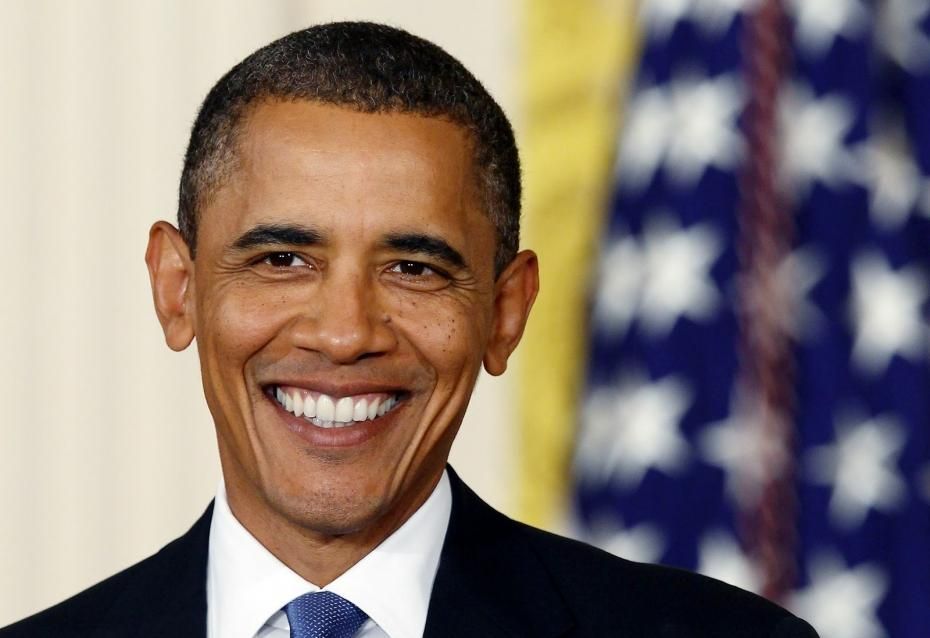
4. Barack Obama: A Vision for a Nuclear-Free World
Main Facts
Barack Obama, the 44th President of the United States, was awarded the Nobel Peace Prize in 2009, mere months into his first term in office. The Norwegian Nobel Committee cited his extraordinary efforts to strengthen international diplomacy and cooperation between peoples, specifically highlighting his vision for and commitment to a world free of nuclear weapons.

Chronology and Historical Context
Upon taking office in January 2009, Obama inherited two protracted foreign wars in Iraq and Afghanistan, alongside deeply strained relations with the international community. In April of that year, during a landmark speech in Prague, he articulated a clear American commitment to seek the peace and security of a world without nuclear weapons. He subsequently chaired a historic session of the United Nations Security Council, where he successfully championed Resolution 1887, calling for a reduction in global nuclear arsenals and enhanced non-proliferation measures.
Official Responses and Implications
The announcement of Obama’s award generated intense global debate and polarized reactions. Critics argued the award was premature given that he had achieved few concrete disarmament milestones at that early stage of his presidency. Conversely, supporters maintained that the prize was intended to endorse his multilateralist philosophy and encourage constructive engagement on the global stage, signaling a dramatic shift away from unilateral foreign intervention.
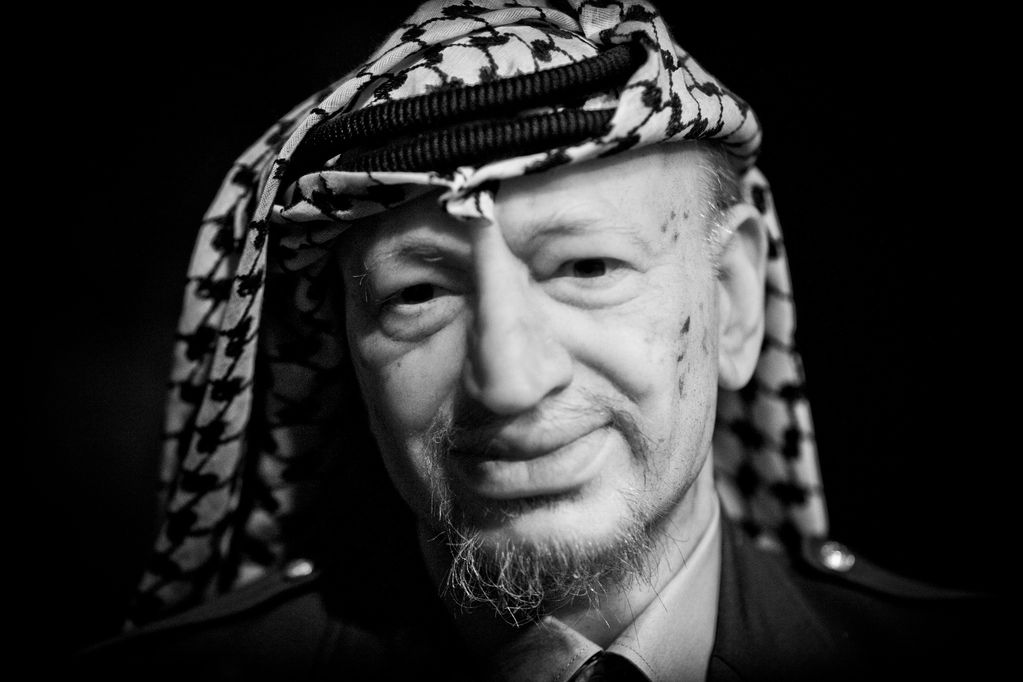
5. Yasser Arafat: A Fractured Path Toward Middle East Peace
Main Facts
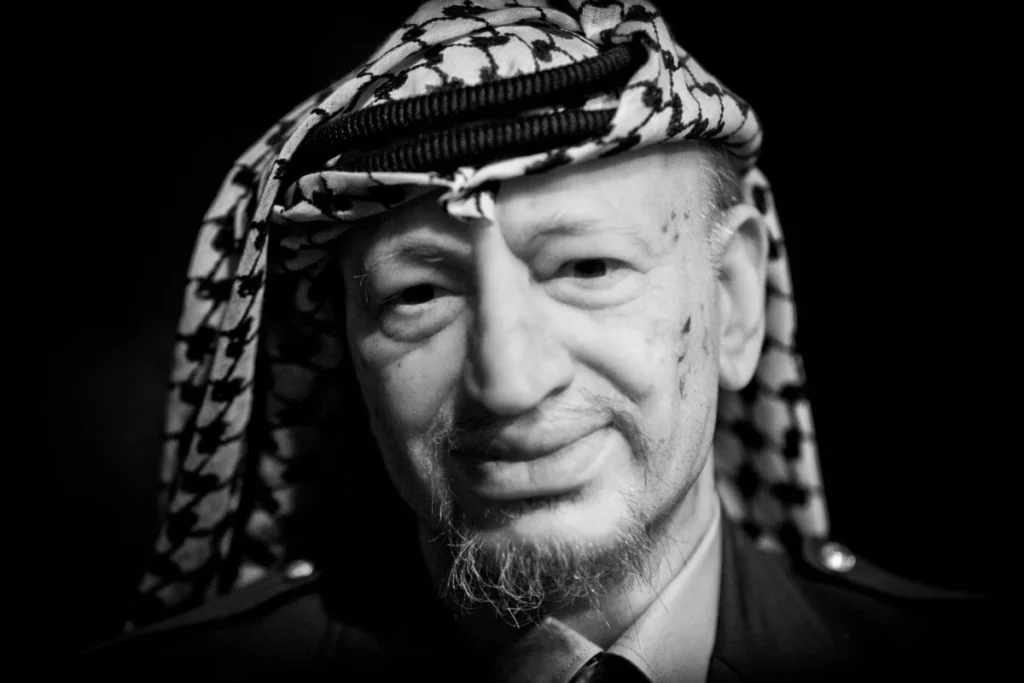
As the longtime Chairman of the Palestine Liberation Organization (PLO) and later the President of the Palestinian National Authority, Yasser Arafat was awarded the Nobel Peace Prize in 1994. He shared the honor with Israeli Prime Minister Yitzhak Rabin and Israeli Foreign Minister Shimon Peres for their joint efforts to create peace in the Middle East through the Oslo Accords.
Chronology and Historical Context
The decades-long Israeli-Palestinian conflict has consistently represented one of the most volatile geopolitical flashpoints in modern history. However, secret back-channel negotiations in Norway during the early 1990s culminated in the historic 1993 Oslo Accords. For the first time, the Israeli government and the PLO formally recognized one another, with the agreement establishing a framework for Palestinian self-governance in parts of the West Bank and the Gaza Strip.
Implications and Legacy
Arafat’s receipt of the Nobel Peace Prize was deeply controversial, reflecting the profound polarization surrounding his decades-long militant past before embracing diplomacy. Although the Oslo peace process ultimately fractured due to subsequent violence, political assassinations, and deadlocked negotiations, Arafat’s brief alignment with the peace process demonstrated that even the most entrenched adversaries can be brought to the negotiating table under the right diplomatic framework.
6. Kim Dae-jung: The Sunshine Policy of Inter-Korean Reconciliation
Main Facts
Kim Dae-jung, the 8th President of South Korea, was awarded the Nobel Peace Prize in 2000. Often referred to as the "Nelson Mandela of Asia" due to his long struggle against authoritarian military regimes, Kim was honored primarily for his democratic leadership and his historic pursuit of peace and reconciliation with North Korea through his signature "Sunshine Policy."
Chronology and Historical Context
Since the conclusion of the Korean War in 1953, the Korean Peninsula has remained starkly divided along the Demilitarized Zone, characterized by intense military hostility. Upon assuming the presidency in 1998, Kim Dae-jung implemented the Sunshine Policy, a proactive engagement strategy designed to ease tensions through economic cooperation, humanitarian assistance, and political dialogue with Pyongyang.
This initiative culminated in the historic June 2000 inter-Korean summit in Pyongyang, where Kim met with North Korean leader Kim Jong Il. The summit produced tangible humanitarian breakthroughs, including temporary reunions for families separated by the border for over four decades, alongside expanding cultural and economic exchanges.
Implications and Legacy
Kim’s diplomatic overtures fundamentally shifted the dynamic of the Korean Peninsula, proving that constructive engagement could yield diplomatic dividends even against an isolated, nuclear-armed adversary. While subsequent political shifts have periodically stalled inter-Korean relations, the Sunshine Policy remains the definitive benchmark for peaceful diplomacy in the region.
7. Juan Manuel Santos: Ending a Half-Century of Civil War
Main Facts
Juan Manuel Santos, President of Colombia from 2010 to 2018, was awarded the Nobel Peace Prize in 2016. He was recognized for his resolute, politically courageous efforts to bring the country’s 52-year-old civil war to a peaceful conclusion—the longest-running armed conflict in the Western Hemisphere.
Chronology and Historical Context
For over five decades, the Colombian state, right-wing paramilitary groups, and left-wing guerrilla movements—most notably the Revolutionary Armed Forces of Colombia (FARC)—engaged in brutal asymmetric warfare. The conflict claimed the lives of more than 220,000 Colombians and forcibly displaced nearly eight million citizens.
Serving initially as Defense Minister and later as President, Santos initiated secret peace talks in Havana, Cuba, in 2012. Despite facing immense domestic political opposition and the narrow defeat of an initial referendum on the peace accord, Santos persevered, renegotiating the pact to incorporate critics’ concerns. A revised peace agreement was successfully signed and ratified by the Colombian Congress in late 2016.
Official Responses and Implications
The Norwegian Nobel Committee lauded Santos for bringing an unyielding civil war to an end, noting that the award was also a tribute to the Colombian people who, despite enduring unspeakable hardships, had not given up hope for a just peace. The peace accord served as a global masterclass in post-conflict transition, proving that comprehensive peace agreements can be salvaged and implemented even in the face of profound domestic political division.
Conclusion
The legacy of presidential figures who have earned the Nobel Peace Prize underscores a vital truth: systemic, lasting peace is rarely achieved by accident. It requires visionary leadership, uncompromising political courage, and a willingness to trade the immediate gratification of conflict for the arduous, incremental labor of diplomacy. From Woodrow Wilson’s institutional foundations to Juan Manuel Santos’s modern peace accords, these leaders remind the global community that the pursuit of peace is the highest calling of political office.