Xbox at TGS 2026: A Strategic Pivot Toward Global Integration and Asian Innovation
The Tokyo Game Show (TGS) 2026 served as a pivotal stage for Microsoft’s gaming division, as the Xbox brand solidified its commitment to the Asian market and global developer ecosystem. In a high-octane showcase that featured 17 distinct trailers, Xbox demonstrated a multifaceted strategy—balancing blockbuster AAA titles, innovative indie projects, and long-term partnerships with industry legends like Hideo Kojima. Marking its 25th anniversary in the Japanese market, the event was more than just a promotional showcase; it was a testament to Microsoft’s evolving identity as a platform that transcends traditional hardware boundaries to unite PC, cloud, and console gaming under a single, cohesive ecosystem.
Main Facts: A Showcase of Scale and Diversity
The Xbox TGS 2026 presentation was meticulously curated to appeal to a broad demographic, ranging from competitive shooter fans to lovers of deep, narrative-driven experiences. The showcase was headlined by the much-anticipated Call of Duty: Modern Warfare 4, which took center stage early in the event, offering a visceral look at the campaign ahead of its October 23, 2026, release.
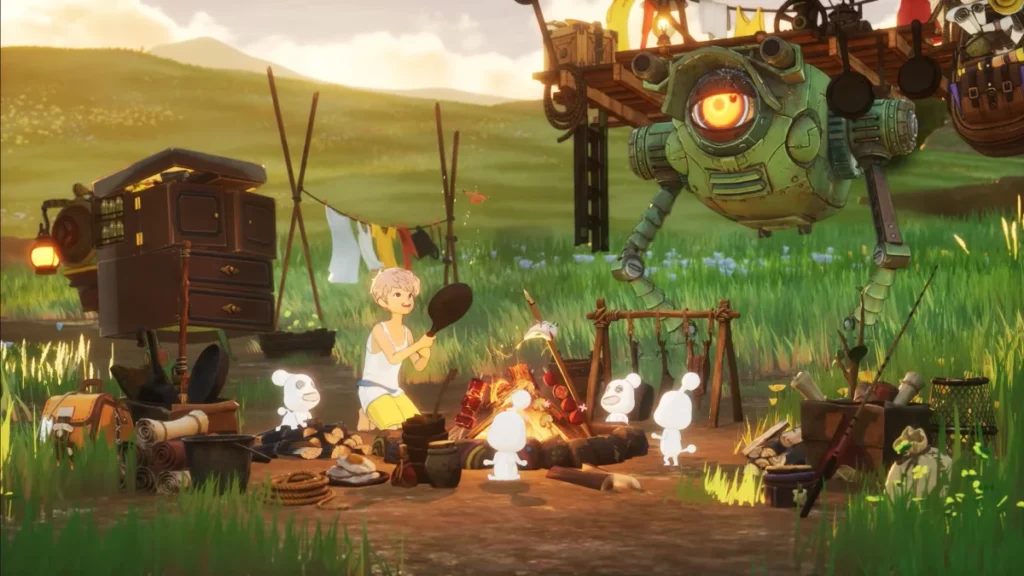
Beyond the military-shooter behemoth, the event underscored Xbox’s growing synergy with Japanese developers. Titles like Wo Long 2: Wings of Ember and Persona 4 Revival signaled a renewed focus on high-fidelity, culturally resonant gaming experiences. Furthermore, the inclusion of Shape of Dreams—a surprise "shadow drop" available immediately on Xbox Series X|S and Game Pass—highlighted the company’s ability to drive engagement through its subscription-based service model.
The Chronology of the Showcase: From Blockbusters to Philosophical Debuts
The presentation followed a rhythmic flow, beginning with high-intensity action and transitioning into atmospheric storytelling.
The Opening Salvo: Modern Warfare and Fallout
The event kicked off with the Modern Warfare 4 campaign trailer, setting a frantic pace. Shortly thereafter, Bethesda’s Fallout 76 took the spotlight, not with a standard update, but with a stylized animated trailer for the The Slasher expansion. The decision to make this content immediately playable served as a "win-now" tactic, rewarding viewers who tuned in live.
The Rise of Asian Development
Midway through, the focus shifted to the East. Wo Long 2: Wings of Ember emerged as a major highlight, with its trailer introducing the formidable boss "Zuochi." The reveal of an Alpha demo, available until September 30, served to build community feedback loops early in the development cycle. This was complemented by the announcement of Bloodstained: The Scarlet Engagement (slated for 2027) and the extended gameplay footage of GACHIAKUTA: BREAKOUT, both of which reinforced the platform’s commitment to supporting high-concept Japanese titles.

The Indie Frontier and Narrative Depth
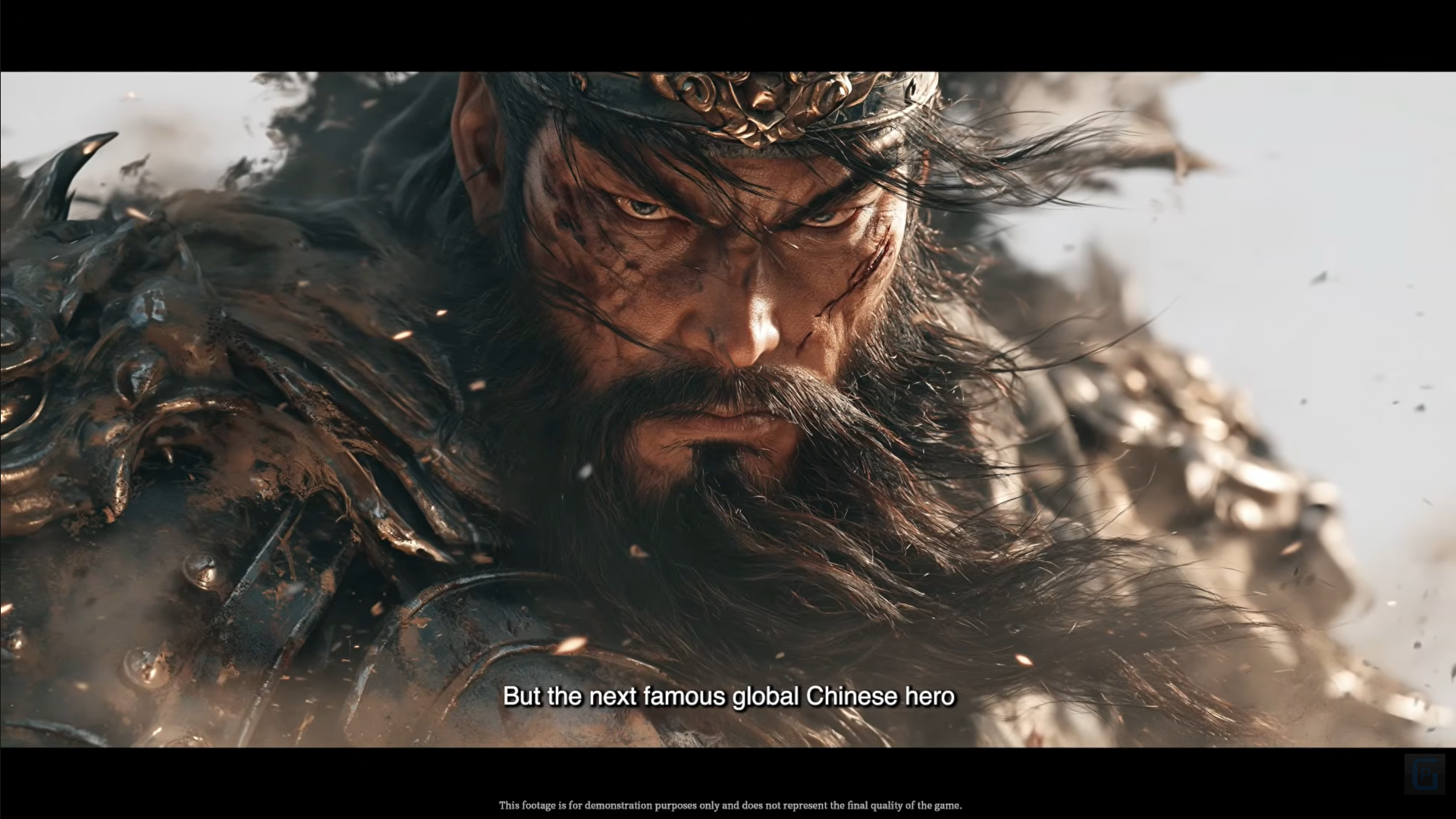
Xbox dedicated significant time to creative indie ventures that challenge conventional gameplay mechanics. Faraday Blues by Serenity Forge stood out as a highlight, promising a sci-fi narrative defined by its branching path system—boasting a staggering 64 possible endings. Other notable mentions included Genigods: Nezha, an action RPG rooted in Chinese mythology, and the poignant mystery game Hope in the City, which is scheduled for a November 10, 2026, launch.
The Kojima Finale
The showcase reached its crescendo with the appearance of Hideo Kojima. Following his high-profile partnership with the Xbox brand, Kojima provided a long-awaited update on two projects: OD (previously teased as KNOCK) and the highly anticipated PHYSINT. The reveal of casting details for the protagonist of PHYSINT served as the event’s "mic drop" moment, leaving the audience with a sense of anticipation for what is arguably one of the most ambitious projects in modern gaming.
Supporting Data: The Ecosystem Expansion
The strength of the Xbox showcase lies in its integration of the "Xbox Play Anywhere" initiative. By ensuring that titles like Wo Long 2 are accessible across both console and PC without friction, Microsoft is successfully eroding the barriers that once separated these player bases.

The update for Once Human—which brings the Isles of Abyss expansion on October 22—demonstrates the platform’s commitment to supporting "live-service" titles with meaningful, world-expanding content. The inclusion of deep-sea exploration, ship-building mechanics, and new boss encounters suggests that Xbox is leaning heavily into player agency and community-driven content cycles.
Furthermore, the data regarding the diverse range of genres—from the high-octane Crazy Taxi: World Tour (which will feature Japan as a playable location) to the intricate, narrative-heavy Bloomwalker (now officially part of the Ni no Kuni universe)—illustrates a robust content pipeline that caters to both casual players and hardcore enthusiasts.
Official Responses and Strategic Implications
Microsoft’s messaging during the TGS 2026 showcase was clear: the platform is in a period of "long-term growth" in the Asian region. Executives noted that as the brand enters its 25th year in Japan, the strategy has shifted from simply "selling hardware" to "cultivating a culture of accessibility."
Implications for the Industry
- The Subscription Model as a Driver: By making Shape of Dreams instantly available on Game Pass, Microsoft is reinforcing the value proposition of its subscription service. This strategy effectively turns every showcase into a direct sales channel, bypassing the traditional retail wait-time.
- The "Global-Local" Approach: By partnering with studios like Netmarble and Serenity Forge, while simultaneously platforming Japanese legends like Kojima, Xbox is positioning itself as the most "international" of the big three console makers. It is no longer just an American platform; it is a global conduit for diverse creative visions.
- Technological Convergence: The focus on Cloud gaming and cross-platform play (PC/Console) suggests that Xbox is prioritizing reach over exclusivity. This is a calculated risk, betting that the quality of the service and the breadth of the library will outlast the traditional "console war" hardware metrics.
Future Outlook: A Landscape of Possibility
As the dust settles on the TGS 2026 showcase, the industry is left to analyze the implications of Microsoft’s aggressive push into Eastern markets. The sheer volume of content—17 trailers covering everything from gritty military simulations to mystical action RPGs—suggests a platform in rude health.
The inclusion of PHYSINT is perhaps the most telling indicator of where Xbox sees its future. By betting on Hideo Kojima, Microsoft is investing in "Auteur Gaming"—projects that are as much works of art as they are entertainment products. This aligns with their broader goal of elevating the Xbox brand from a gaming console to a premier destination for high-end, cinematic, and boundary-pushing interactive media.
For the gamer, the outlook is bright. The convergence of immediate demos, accessible cloud play, and a diverse array of upcoming titles ensures that the Xbox ecosystem will remain a primary focus of the gaming discourse for the foreseeable future. As the 2026 holiday season approaches, all eyes will be on whether the actual performance of these titles can match the high energy of their presentations. If this showcase is any indication, the next 25 years of Xbox in the global market—and particularly in Asia—will be defined by an era of unprecedented creative collaboration and technological integration.