Guardians of the Highlands: How the Dayak Lundayeh Preserve Ancient Agriculture in the Heart of Borneo
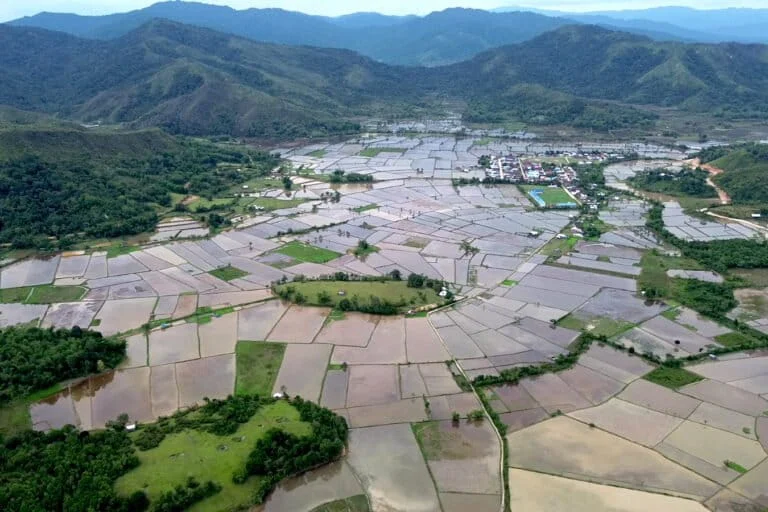
In the verdant, mist-shrouded valleys of the Krayan Highlands, nestled in the Nunukan Regency of North Kalimantan, a quiet revolution in sustainable agriculture has been unfolding for generations. Here, along the rugged border separating Indonesia from Malaysia, the Dayak Lundayeh community continues to defy modern industrial farming trends. They remain steadfast in their commitment to traditional cultivation methods, safeguarding a heritage that balances human necessity with the uncompromising demands of the Bornean rainforest.
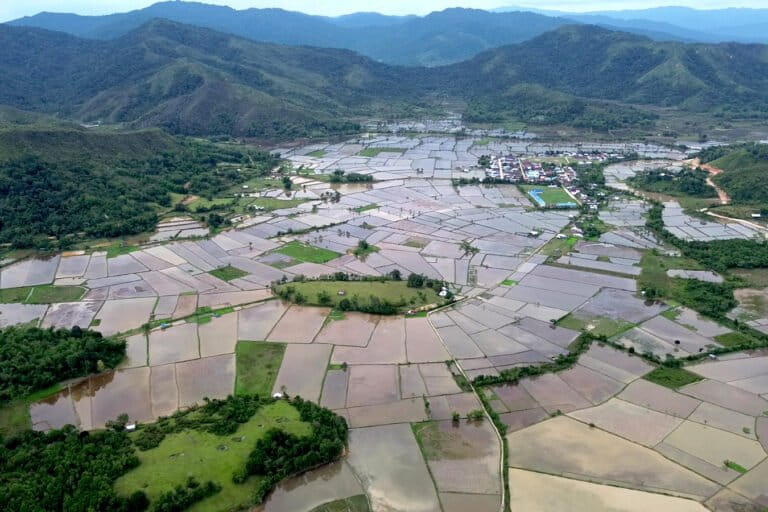
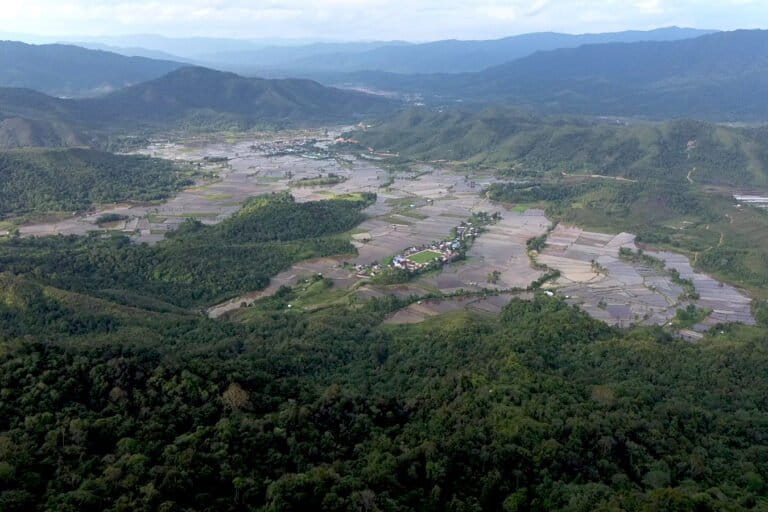
At the center of this cultural and economic identity is Padi Adan—a premium, locally grown rice variety that has become a symbol of both regional pride and indigenous resilience. Spanning 3,600 hectares of valley floor, the agricultural landscape of Krayan is a masterpiece of natural engineering, where lush paddy fields are hemmed in by the towering peaks of the Kayan Mentarang National Park (TNKM), an expansive 1.27-million-hectare conservation zone.
The Essence of Padi Adan: More Than Just a Staple
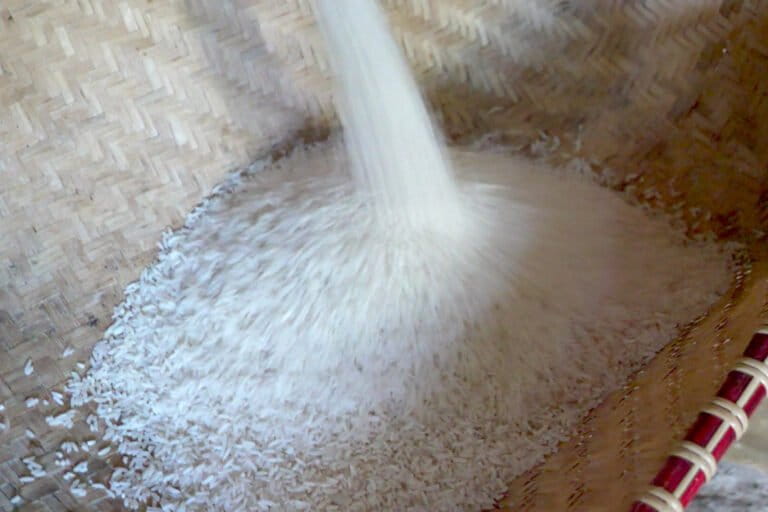
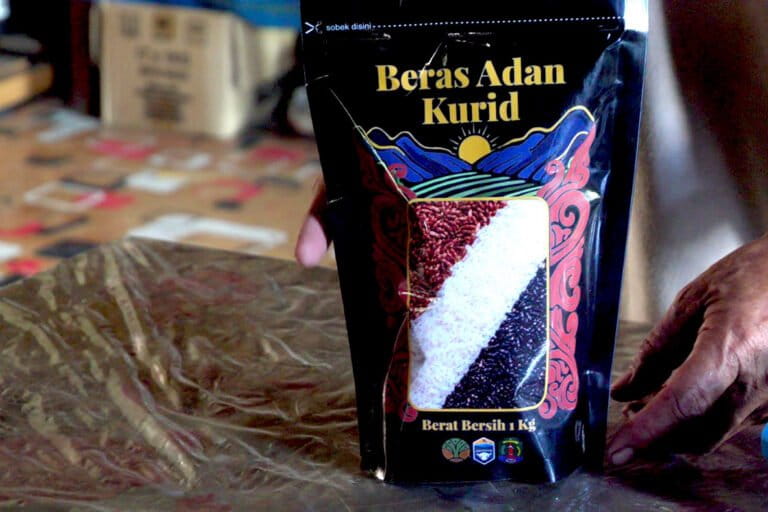
For the Dayak Lundayeh, rice is not merely a commodity; it is a sacred lineage. The community cultivates three distinct varieties of Adan rice: white, red, and black. Each type possesses unique organoleptic properties—a distinct aroma and a soft, chewy texture—that have garnered a loyal consumer base extending across the border into Sarawak, Malaysia.
Otnel Akun, chairman of the Batu Pun Bersama Forest Farmer Group (KTH) in Long Pua village, notes that the international demand for their produce is a testament to the quality of their traditional methods. "We consistently supply these varieties to the Malaysian market," Akun explained.
The economic value of this rice is significant. A 15-kilogram tin of Adan rice typically fetches between IDR 350,000 and IDR 400,000, with prices occasionally climbing to IDR 450,000 depending on market conditions. This premium pricing is justified by the organic, chemical-free nature of the production. While the community briefly experimented with chemical fertilizers in the past, they collectively abandoned the practice, returning to ancestral techniques that utilize organic inputs, such as livestock manure and buffalo urine, to enrich the soil.
"Nature provides everything we need," Akun reflects, emphasizing a philosophy of circularity where the forest, the buffalo, and the paddy field exist in a symbiotic loop.
Chronology of Sustainability: A One-Harvest Cycle
Unlike industrial farming, which seeks to maximize yields through intensive, year-round cultivation, the Dayak Lundayeh practice a strict one-harvest-per-year cycle. Following the harvest, the fields are left fallow to recover.
This decision is rooted in a deep understanding of soil health and quality control. According to Akun, forcing the land to produce two harvests a year would inevitably degrade the rice’s characteristics. "We fear that if we force a second harvest, we will lose the signature fragrance and the soft texture of the rice. We must maintain the premium quality at all costs," he notes.
This rhythm of the land dictates the lifestyle of the community. Farming, animal husbandry, and forest conservation are not compartmentalized; they are integrated facets of a single life-support system. The health of the rice depends on the health of the buffalo, which depends on the health of the surrounding meadows, which in turn rely on the water cycle regulated by the adjacent national park.
The Hydrological Shield: The Role of Kayan Mentarang
The Kayan Mentarang National Park serves as the "water tower" for the Krayan Highlands. Hery Gunawan, Head of the Region I Management Section for TNKM, describes the forest as a "giant sponge."
"The dense canopy captures rainwater, filters it through the mossy floor, and releases it slowly through a network of streams into the valley," Gunawan explains. For the farmers of Krayan, the national park is the pulse of their agricultural existence. "To the indigenous people, TNKM is the lifeline of their agriculture. The entire system of wet-rice cultivation in these highlands is fundamentally dependent on this natural hydrological cycle."
The relationship between the government conservation body and the local community has evolved beyond simple regulation. Through a ‘Village Empowerment’ (Desa Binaan) program, the Balai TNKM has moved to strengthen the institutional capacity of local farmers. This has included the provision of essential machinery—such as hand tractors and rice milling units—which have been in use for the past three years.
The results of this collaboration are measurable. In the 2025 harvest season alone, the 39-member Batu Pun Bersama group produced 51 tons of dry unhusked rice, a significant jump from the 30 tons produced just a year prior. This increase in productivity has allowed the Lundayeh to fortify their position in the cross-border trade, turning the Krayan border region into a hub of productive, sustainable food security.
Institutional Perspectives: The Harmony of Conservation and Economy
Seno Pramudito, Head of the TNKM Office, views the success of the Padi Adan as a blueprint for conservation-based development. He argues that the rice is a product of four pillars: pristine water, indigenous knowledge, integrated livestock management, and smart policy support.
"Beras Adan is the pride of Krayan, born from fertile soil and clear mountain water," Pramudito stated. "It is not just an agricultural product; it is a cultural heritage and proof of the harmony between the people of Krayan and their environment."
Pramudito emphasizes that modern conservation cannot be an exclusionary practice. To protect the vast tracts of the Kayan Mentarang National Park, the Balai TNKM must work in tandem with those who live within and around its borders. "We cannot manage the National Park alone. We need partners, and the indigenous community is our most vital partner in this endeavor."
Broader Implications: A Model for the Future
The story of the Dayak Lundayeh is a counter-narrative to the prevailing global trend of agricultural industrialization. In a world grappling with the consequences of soil degradation, chemical dependency, and the loss of biodiversity, the Krayan Highlands offer a compelling alternative.
1. Food Sovereignty and Border Stability
By maintaining an independent, high-value food source, the Lundayeh community stabilizes the economy of the border region. Their ability to export to Malaysia creates a unique economic corridor that relies on indigenous value rather than mass-market volume.
2. Resilience Against Climate Change
By maintaining the integrity of the Kayan Mentarang forest, the community ensures that their water supply remains constant even as global weather patterns become more erratic. The "giant sponge" effect of the forest provides a buffer against both drought and flash flooding.
3. Cultural Preservation as Economic Strategy
The preservation of traditional knowledge is often seen as a barrier to development. However, in Krayan, it is the driver of it. By refusing to compromise on the quality of their rice, the farmers have maintained a market niche that allows them to earn a sustainable livelihood without selling out to industrial pressures.
Conclusion: Lessons from the Highlands
The success of the Dayak Lundayeh is not accidental. It is the result of a deliberate, centuries-old strategy of living within the carrying capacity of their environment. As Indonesia continues to develop its border regions, the Krayan model provides a vital lesson: economic prosperity and environmental conservation are not mutually exclusive.
When indigenous communities are treated as partners in conservation rather than obstacles to it, the result is a resilient, thriving landscape that feeds both the people and the planet. As the 2025 harvest figures suggest, the combination of traditional wisdom and modern institutional support is not just preserving the past; it is cultivating a sustainable future.
The recognition of their efforts, exemplified by previous honors such as the Equator Prize, underscores the global importance of the Krayan farmers. Their work serves as a reminder that the most sophisticated technology for climate resilience may well be the traditional practices passed down by those who have lived in the forest for generations.