The Dual-Screen Renaissance: Retroid Redefines Retro Gaming with the Pocket Duo Series
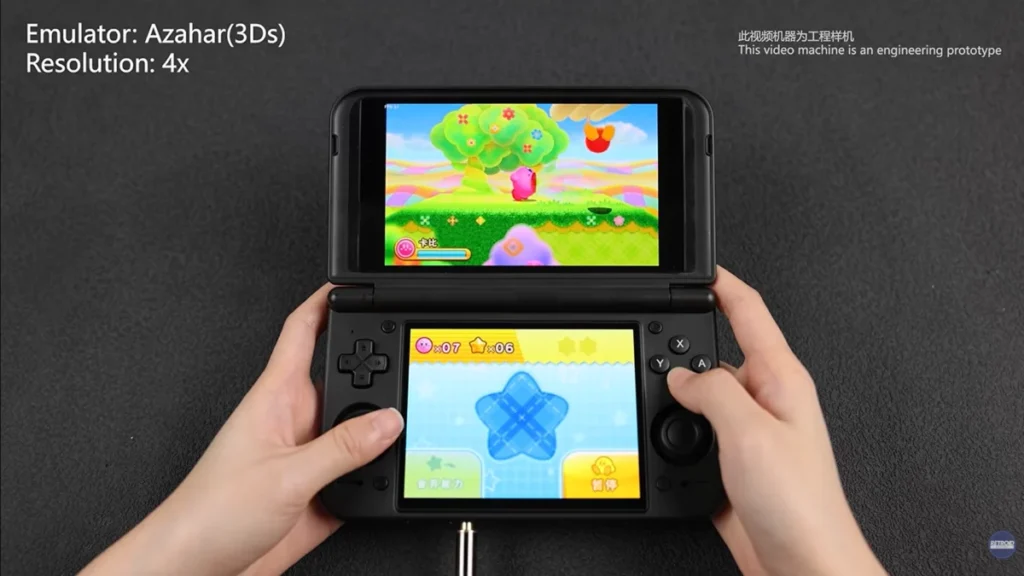
The landscape of retro handheld gaming is undergoing a seismic shift. For years, enthusiasts have relied on singular, widescreen devices to emulate the classic dual-screen experience of the Nintendo DS and 3DS era—often sacrificing immersion, aspect ratio accuracy, or the tactile joy of the clamshell form factor. Now, a new wave of hardware is hitting the market, and Retroid has positioned itself at the vanguard of this movement with the unveiling of the Retroid Pocket Duo and its more accessible sibling, the Pocket Duo Lite.
This strategic move marks a departure from the "one-size-fits-all" approach, signaling a future where specialized hardware for dual-screen emulation is not only viable but increasingly affordable. By targeting a spectrum of price points and performance capabilities, Retroid is challenging both premium boutique manufacturers and budget-conscious competitors alike.
Main Facts: A Dual-Screen Powerhouse
The Retroid Pocket Duo series is designed to satisfy a specific niche: gamers who crave the authentic Nintendo DS and 3DS experience on modern, high-performance hardware.
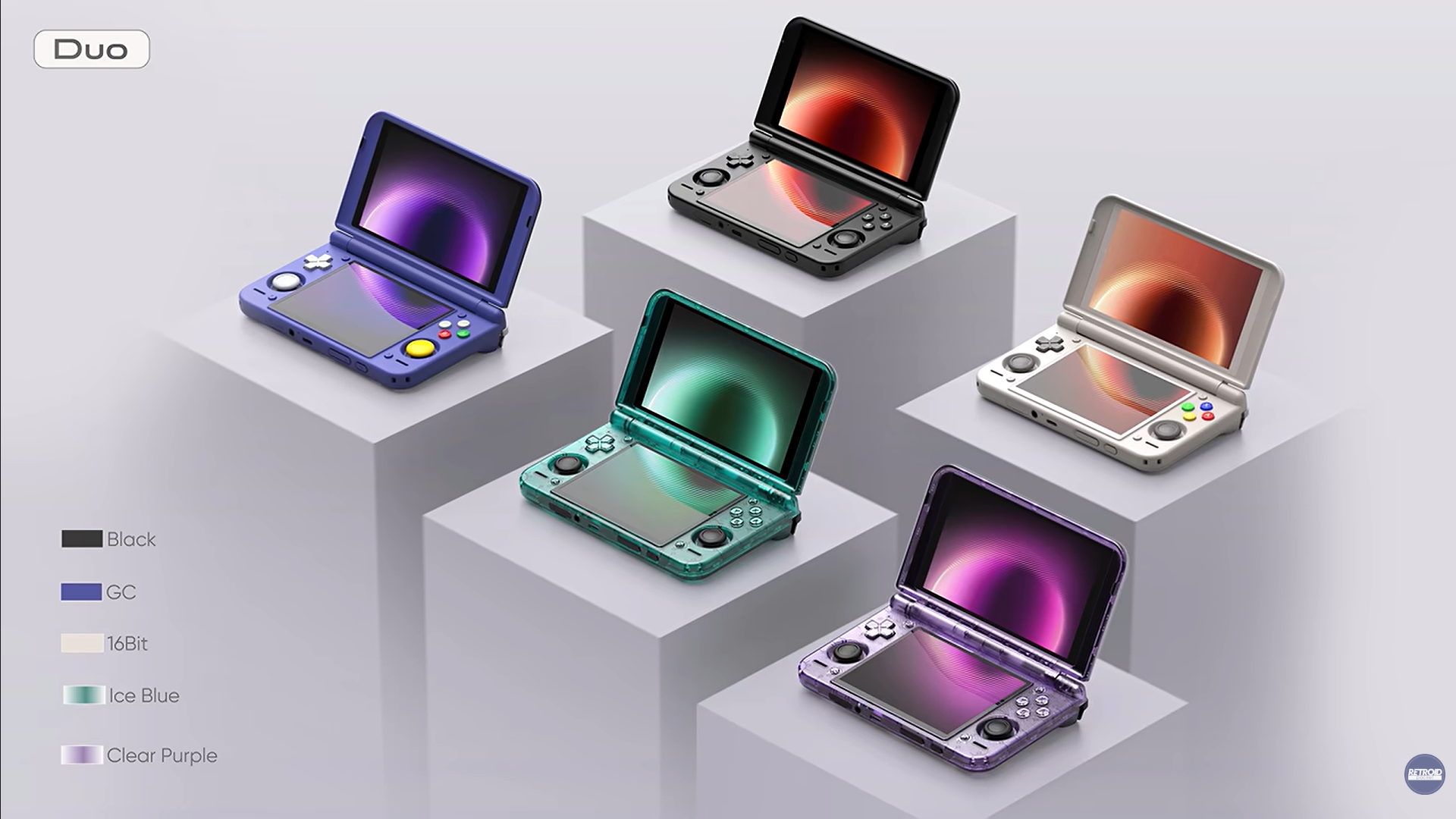
The premium Retroid Pocket Duo serves as the flagship, boasting dual OLED panels with a 120Hz refresh rate, powered by the robust Qualcomm Dragonwing Q-7790 chipset. With a starting price of $269, this device is engineered for those who demand top-tier emulation capabilities, including the more taxing titles in the 3DS library.
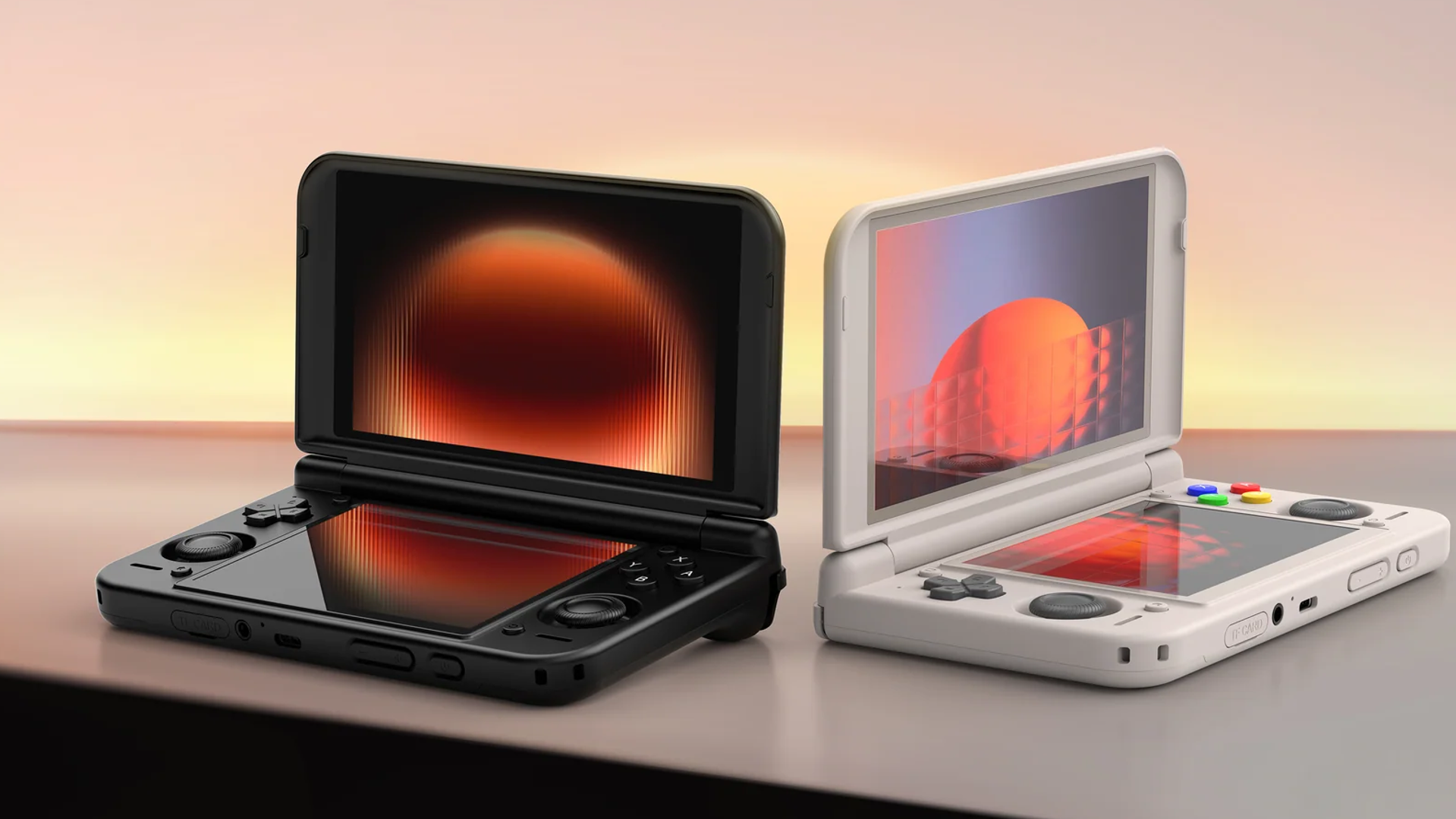
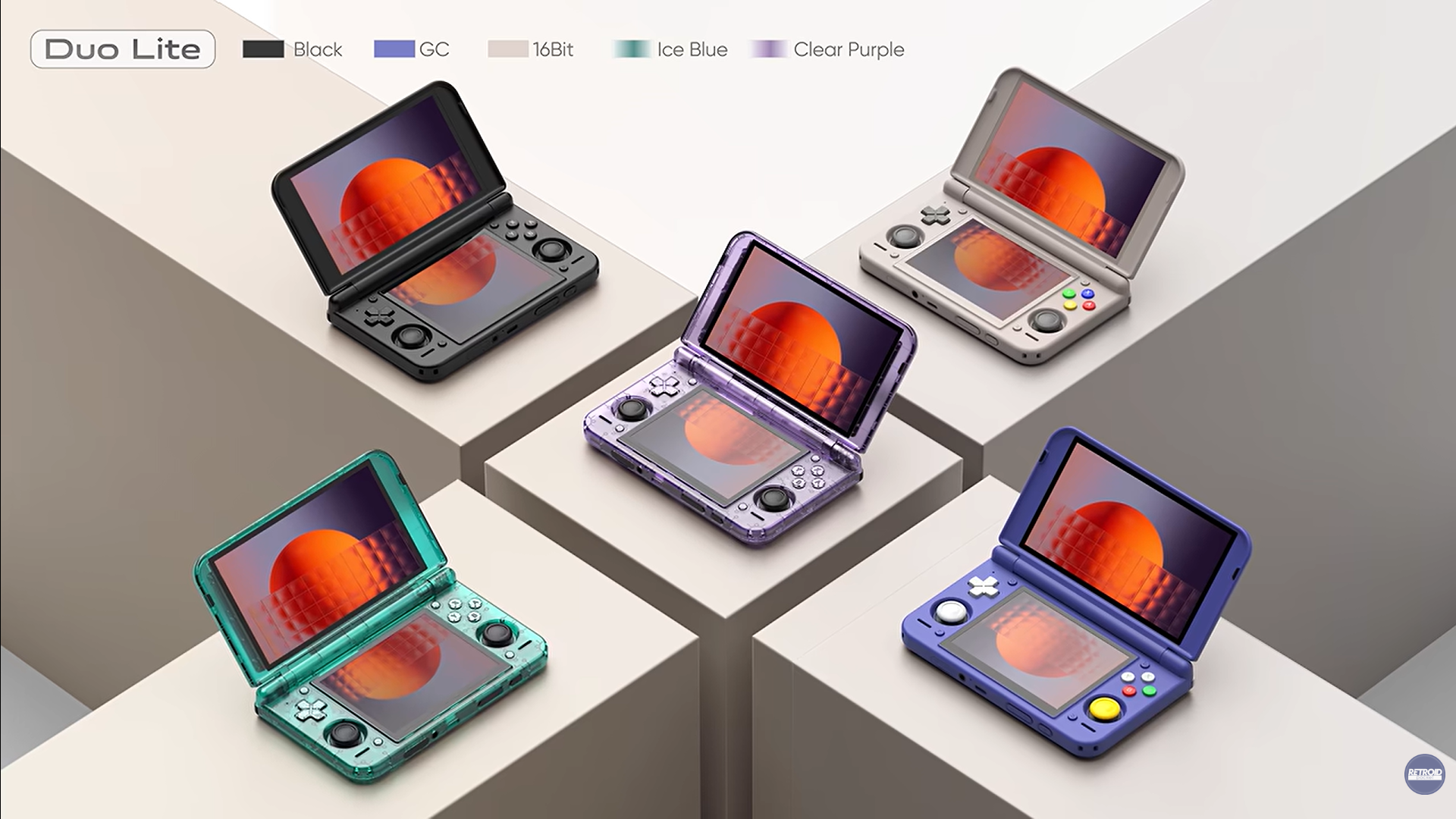
In parallel, the Pocket Duo Lite emerges as the "everyman’s" device. Priced at a highly competitive $149, the Lite utilizes dual IPS displays—a 5.5-inch primary screen and a 4.5-inch secondary screen. Driven by the Qualcomm Dragonwing QCS6125 processor, the Lite makes strategic concessions in build materials and screen technology to reach a price point that brings dual-screen gaming to the masses without compromising the core experience of emulating older libraries.
The Chronology of the Clamshell Comeback
The rise of the "dual-screen retro" trend did not happen in a vacuum. It is the result of a long-standing community demand for a native solution to the DS/3DS emulation problem.
- Pre-2026: Emulation enthusiasts struggled with "stretched" layouts or software-based split-screen solutions on standard single-screen devices. While functional, these methods lacked the ergonomic satisfaction of a dedicated clamshell.
- Early September 2026: The market saw a sudden surge in interest following leaks of hardware capable of handling the dual-screen form factor.
- Mid-September 2026: Anbernic, a long-time rival in the handheld space, officially introduced the RG DS Plus. Priced under $100, it utilized a Rockchip RK3568 chipset. While it captured the nostalgia of the DS perfectly, its limited power made it unsuitable for serious 3DS emulation, cementing its status as an entry-level "DS-only" machine.
- Late September 2026: Retroid officially countered by revealing the Pocket Duo and Pocket Duo Lite. Unlike the Anbernic offering, Retroid’s marketing emphasized "3DS readiness," providing video demonstrations of Mario Kart 7 running at 2x resolution on the 5.5-inch screen. This announcement served as a direct challenge to the market status quo.
Supporting Data and Technical Nuance
To understand why the Pocket Duo series is significant, one must look at the technical architecture beneath the chassis.
The Power-to-Price Ratio
The Pocket Duo Lite’s reliance on the Qualcomm Dragonwing QCS6125 chipset is a calculated decision. In the world of retro handhelds, Qualcomm chips are often favored for their superior driver support and thermal efficiency compared to their budget-tier counterparts. By utilizing this silicon, Retroid ensures that the device doesn’t just "run" 3DS games, but does so with enough overhead to allow for resolution scaling—a feature that transforms the blurry native resolution of the 3DS into something crisp and modern.

Ergonomics and Build
Retroid has differentiated the Lite from the standard model through more than just the screen technology. The premium model features a sophisticated double-stack trigger configuration, designed for high-end users accustomed to complex control schemes. The Lite, meanwhile, opts for a streamlined in-line digital trigger system. This reduces the mechanical complexity of the build, allowing for a lower retail price while maintaining the tactile responsiveness required for fast-paced gaming.
The Emulation Threshold
The demonstration of Mario Kart 7 is a crucial piece of evidence. Emulating the 3DS requires high single-core performance, which has historically been the "bottleneck" for cheaper handhelds. By showcasing the device handling 3DS software with ease, Retroid is setting a new baseline. While they have stopped short of guaranteeing 100% compatibility for the entire 3DS library, the threshold is significantly higher than the previous generation of sub-$200 devices.
Official Responses and Industry Positioning
Retroid’s official messaging has been clear: the company is no longer just chasing the "Game Boy" nostalgia market; they are chasing the "Nintendo ecosystem" market.
In a statement regarding the development of the Duo line, company representatives hinted that the shift toward dual-screen hardware was a response to the "unmet needs of the preservation community." By providing hardware that mimics the physical constraints of the 3DS, Retroid is effectively inviting users to rediscover a generation of games that were previously considered "too awkward" to play on modern hardware.
Market analysts suggest that Retroid is also attempting to insulate itself from the saturation of the single-screen handheld market. With dozens of manufacturers churning out horizontal 4:3 devices, the dual-screen form factor provides a "blue ocean" strategy, where Retroid can charge a premium for a specialized, high-demand form factor.
Implications for the Future of Retro Gaming
The introduction of the Pocket Duo series has profound implications for the industry.
1. The Death of the "Software Solution"
For years, the gold standard for 3DS emulation was the use of custom software layouts on high-end Android phones or generic handhelds. Retroid’s move proves that dedicated hardware—even at a budget price—will always win the battle for consumer preference. When the hardware matches the software’s requirements (the dual screens), the user experience improves exponentially.
2. Market Democratization
Until now, high-end dual-screen emulation was reserved for those who could afford expensive, modded hardware or specialized high-end devices. With the $149 price point for the Pocket Duo Lite, Retroid is signaling that "premium" features are becoming commoditized. This will likely force other manufacturers to drop prices or innovate on their own dual-screen designs, leading to a "race to the top" in terms of build quality.
3. The Library Expansion
With the hardware gap closing, we are likely to see a resurgence in the popularity of the 3DS library. Titles that were previously ignored by the emulation community due to the frustration of screen switching or input mapping will now be playable in their intended format. This could lead to a renewed interest in 3DS software, effectively extending the lifecycle of those titles for a new generation of players.
Conclusion: A New Era for Enthusiasts
The Retroid Pocket Duo and Pocket Duo Lite represent more than just another set of handhelds in a crowded market. They represent a maturation of the retro-emulation scene. By bridging the gap between the affordable, entry-level devices of the past and the premium, high-performance machines of the future, Retroid has effectively claimed the "dual-screen" throne.
For the gamer who grew up with a stylus in one hand and a D-pad in the other, the Pocket Duo series is not just a piece of tech—it is a homecoming. As we await official release dates, one thing is certain: the clamshell design is back, and this time, it has the power to back up its iconic looks. Whether you opt for the premium OLED-equipped Duo or the value-driven Lite, the barrier to enjoying the greatest dual-screen games of the last two decades has never been lower.
The question remains: are you ready to dive back into the dual-screen world? With Retroid’s latest offerings, you might find that the best way to move forward is by looking back.