
Complete Guide to Sholat Hajat: Fulfilling Desires Through Spiritual Devotion in Islam
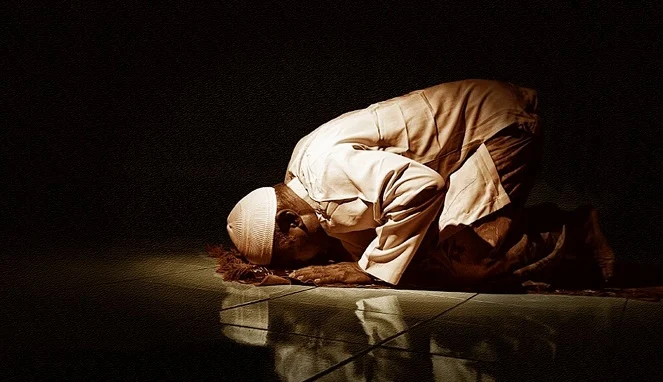
In the journey of life, every human being encounters moments of profound need, uncertainty, and deep desire. Whether it is seeking career advancement, a life partner, healing from an illness, or navigating financial distress, believers constantly look for ways to communicate their needs to the Creator. While daily prayers (fardhu) form the foundation of a Muslim’s religious life, Islam provides additional spiritual pathways to seek divine intervention. Among the most revered of these supererogatory acts is Sholat Hajat—the ritual prayer of need.
Often performed alongside Tahajjud (the night prayer), Sholat Hajat serves as a direct, intimate channel between a believer and Allah SWT. This comprehensive guide explores the definition, foundational proofs, optimal execution times, proper procedures, and profound implications of performing Sholat Hajat.
Main Facts: Understanding Sholat Hajat
Sholat Hajat is a voluntary (sunnah) prayer performed by Muslims who wish to petition Allah SWT for the fulfillment of a specific need or desire. While the structural framework of Sholat Hajat mirrors standard Islamic prayers, its primary purpose is intensely personal and focused: bringing deep-seated supplications directly to the Almighty with humility and sincerity.
Core Attributes of Sholat Hajat:
- Status: Sunnah Mu’akkadah (strongly recommended voluntary prayer).
- Timing: Can be performed at any time of the day or night, provided it is outside the forbidden times for prayer. However, the last third of the night is widely considered the most auspicious window.
- Rakaat (Units): A minimum of 2 rakaat, with a maximum of 12 rakaat (concluded with a salam every two units).
- Underlying Philosophy: It is built on the premise that human capability is limited, and true providence rests solely with the Divine. Islam teaches that no request is too small or too large to bring before Allah SWT.
Chronology and Historical Context: The Roots of Seeking Divine Aid
The practice of turning to Allah through specialized prayer during times of need is deeply rooted in the traditions (Sunnah) of Prophet Muhammad (PBUH) and the early generations of Muslims.

Historical Evolution of the Practice
- The Prophetic Era: Prophet Muhammad (PBUH) consistently instructed his companions to turn to Allah for every aspect of their lives—ranging from major life decisions down to mundane necessities. A famous narration recorded by Al-Tirmidhi emphasizes that believers should ask their Lord for everything, "even if it is for salt, or for the strap of your sandal when it breaks."
- The Tradition of Abu Darda: The legal framework for Sholat Hajat draws significantly from historical narrations compiled by scholars such as Syaikh Sulaiman Ahmad Yahya Al-Faifi in Al-Wajiz fi Fiqh As-Sunnah. A well-documented narration from Abu Darda reports that the Prophet (PBUH) stated that anyone who performs ablution thoroughly and completes a two-rakaat prayer will be granted what they ask for by Allah, whether immediately or eventually.
- Institutionalization by Early Scholars: Classical Islamic jurists (fuqaha) institutionalized Sholat Hajat as a distinct sunnah prayer, categorizing its rules, recommended recitations, and etiquettes to guide generations of believers seeking solace through active worship.
Supporting Data and Scriptural Proofs
The validity and efficacy of Sholat Hajat are anchored in the Quran and verified Hadiths, offering psychological and spiritual reassurance to practitioners.
Quranic Foundations
The primary scriptural backing for seeking divine assistance through physical devotion is found in Surah Al-Baqarah, verse 45:
"And seek help through patience and prayer, and indeed, it is difficult except for the humbly submissive [to Allah]." (QS. Al-Baqarah: 45)
Prophetic Traditions (Hadiths)
- The Hadith of Ahmad (Authentic Chain): Prophet Muhammad (PBUH) emphasized the potency of a two-unit prayer paired with sincere intent: "Whoever makes wudu and completes it well, then prays two rakaat perfectly, Allah will give them what they desire, whether sooner or later." (HR. Ahmad).
- The Last Third of the Night: Highlighting the temporal significance of night prayers, a consensus narration in Sahih Bukhari and Sahih Muslim notes:
"Our Lord descends to the lowest heaven during the last third of every night, and He says: ‘Who is calling upon Me, that I may answer him? Who is asking of Me, that I may give him? Who is seeking My forgiveness, that I may forgive him?’"

Official Guidelines: How to Perform Sholat Hajat
Executing Sholat Hajat requires adherence to specific structural steps, spiritual etiquettes, and prescribed recitations.
1. Intention (Niat)
As with all Islamic acts of worship, clear intention is a mandatory prerequisite. The prayer can be performed individually at home or communally in a mosque.
- Arabic Text: أُصَلِّي سُنَّةَ الْحَاجَةِ رَكْعَتَيْنِ لِلَّهِ تَعَالَى
- Latin Transliteration: Ushollii sunnatal haajati rak’aataini lillahi ta’alaa.
- Translation: "I intend to perform the sunnah prayer of need, two rakaat, for the sake of Allah Ta’ala."
2. Step-by-Step Procedure
- Purification: Perform a thorough ablution (wudu), ensuring all physical requirements for prayer are met.
- Opening: Stand facing the Qibla, state the intention silently or audibly, and raise hands for Takbiratul Ihram ("Allahu Akbar").
- The Prayer Structure:
- First Rakaat: Recite Surah Al-Fatihah followed by any short Quranic chapter (such as Ayat al-Kursi or Surah Al-Ikhlas). Complete the bowing (ruku) and prostrations (sujud).
- Second Rakaat: Repeat the recitation process, sit for the final Tashahhud, and conclude with the Salam (turning the head to the right and left).
- Duration: While it can be done as a standalone ritual, many scholars recommend maintaining the practice for seven consecutive nights until the request is fulfilled or clarity is achieved.
3. Post-Prayer Supplication (Dhikr and Du’a)
Upon completing the prayer, the believer should immediately engage in remembrance (dhikr) followed by specific supplications.
- Recommended Dhikr: Reciting expressions of praise, such as Subhanallah, Alhamdulillah, and Allahu Akbar.
- The Specialized Du’a for Hajat:
Believers traditionally recite a comprehensive supplication acknowledging divine majesty:"La ilaha illallahul halimul karim. Subhanallahi rabbil ‘arsyil karimial ‘azim. Alhamdulillah rabbil ‘alamin…"
(Translation: "There is no god except Allah, the Forbearing, the Generous. Glory be to Allah, Lord of the Magnificent Throne. All praise is due to Allah, Lord of the worlds. I ask You for the means of Your mercy, the determination of Your forgiveness, immunity from all sins, and a protective shield against every error. Do not leave a sin for me, O Allah, except that You have forgiven it, nor any worry except that You have relieved it, nor any need for which You are pleased except that You have fulfilled it, O Most Merciful of the merciful.")
Implications: Spiritual and Psychological Impact
Engaging in Sholat Hajat yields profound psychological, emotional, and spiritual benefits for the practitioner.
1. Shift from Despair to Agency
In modern society, individuals frequently experience helplessness in the face of career roadblocks, academic pressures, or personal crises. Sholat Hajat transforms passive anxiety into active, spiritual agency. By channeling worries into a structured ritual, individuals experience a psychological release, replacing panic with disciplined hope.
2. Deepening the Relationship with the Creator
Regularly turning to Allah during moments of crisis cultivates Tawakkul (complete reliance on God). It reminds the believer that material means are merely instruments, and true outcomes lie in divine wisdom.
3. Understanding the Divine Response
A critical spiritual implication emphasized by Islamic scholars is managing expectations regarding how prayers are answered. Islamic theology teaches that Allah answers supplications in one of three ways:

- Immediate fulfillment of the exact request.
- Delaying the outcome to a time that is better for the individual.
- Replacing the requested outcome with something better suited to the individual’s ultimate spiritual and worldly well-being (or warding off an unseen harm).
Therefore, practitioners are explicitly warned against harboring negative thoughts (su’udzon) toward Allah if a request is not met instantly. Recognizing that the Creator possesses infinite wisdom ensures that the believer remains steadfast, patient, and content with divine decrees.
Conclusion
Sholat Hajat stands as a powerful testament to the dynamic relationship between humanity and the Divine in Islam. Far from being a mere ritualistic routine, it is a heartfelt plea packaged in physical devotion. Whether facing monumental life decisions or minor daily obstacles, Muslims are encouraged to approach their Creator with absolute sincerity, clean intentions, and unwavering patience—knowing that every sincere prayer uttered in the stillness of the night is heard, recorded, and answered in the best possible way.