The Democratization of Immersion: Philips Unveils the Evnia 34M2C5601QA Ultrawide Gaming Monitor
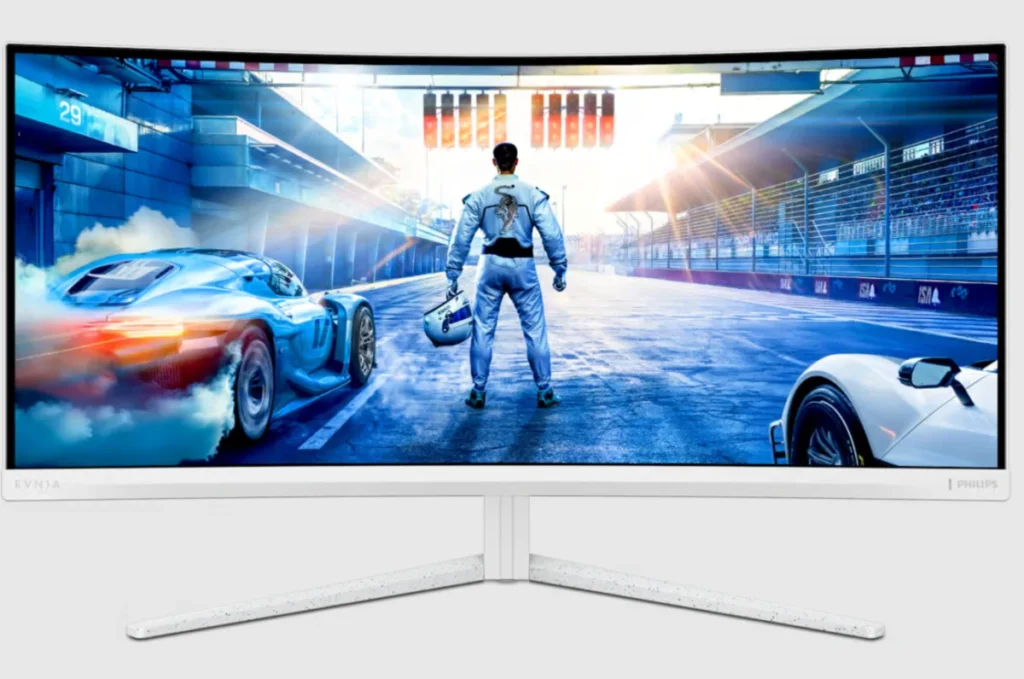
The landscape of PC gaming hardware is undergoing a seismic shift. For years, the "Ultrawide" experience—characterized by a 21:9 aspect ratio and immersive curved panels—was reserved for the enthusiast tier, commanding premium prices that often excluded the average consumer. However, Philips is aggressively challenging this status quo with the introduction of the Evnia 34M2C5601QA.
Designed to bridge the gap between professional-grade specifications and accessible pricing, this 34-inch curved monitor represents a strategic pivot in how manufacturers are positioning high-performance displays. With a combination of a 200Hz refresh rate, a 1440p resolution, and a suite of productivity-focused features, the Evnia 34M2C5601QA is not merely a gaming accessory; it is a multifaceted workstation hub designed for the modern hybrid user.
Main Facts: High-End Specifications at a Mid-Range Price
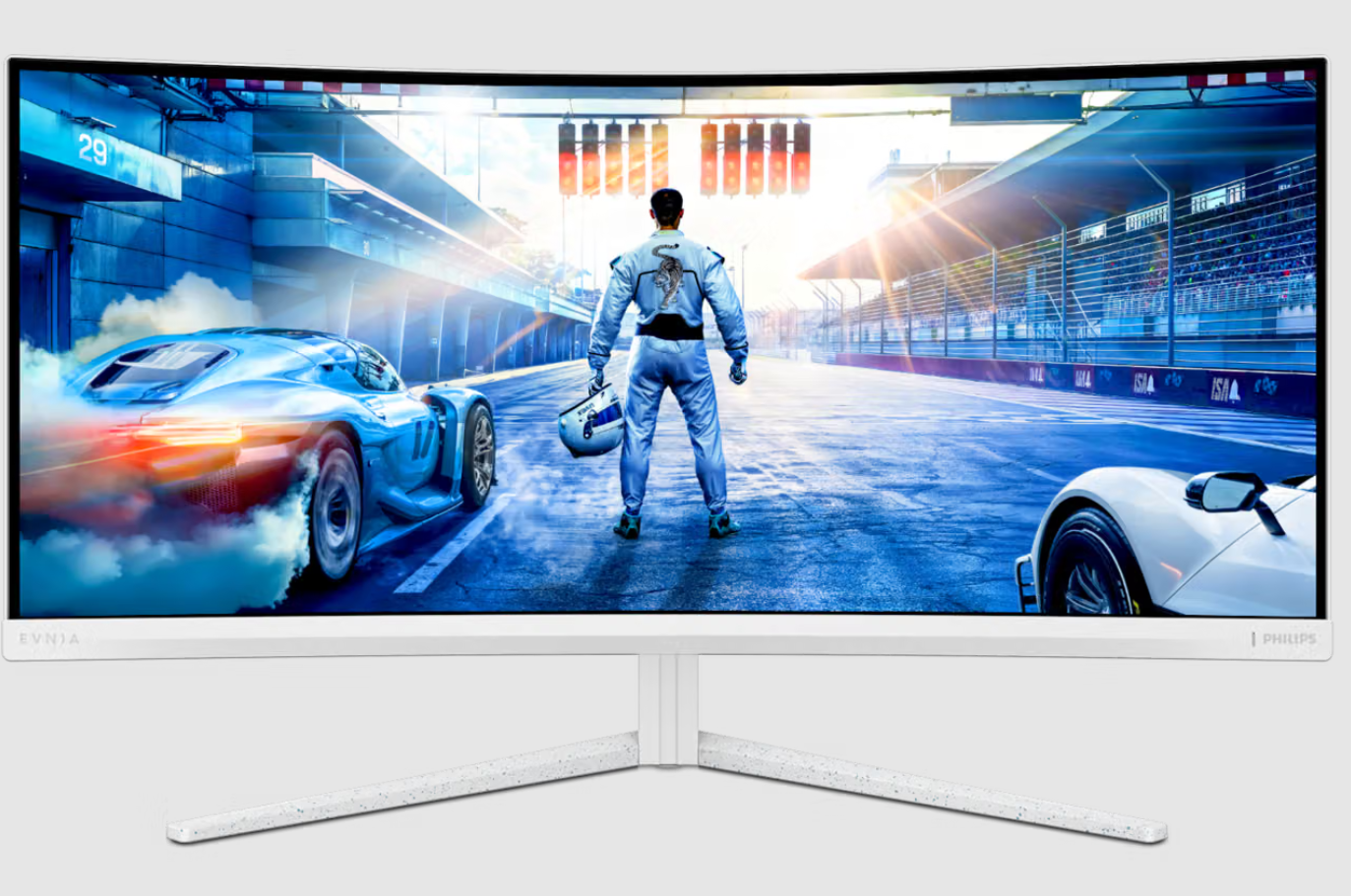
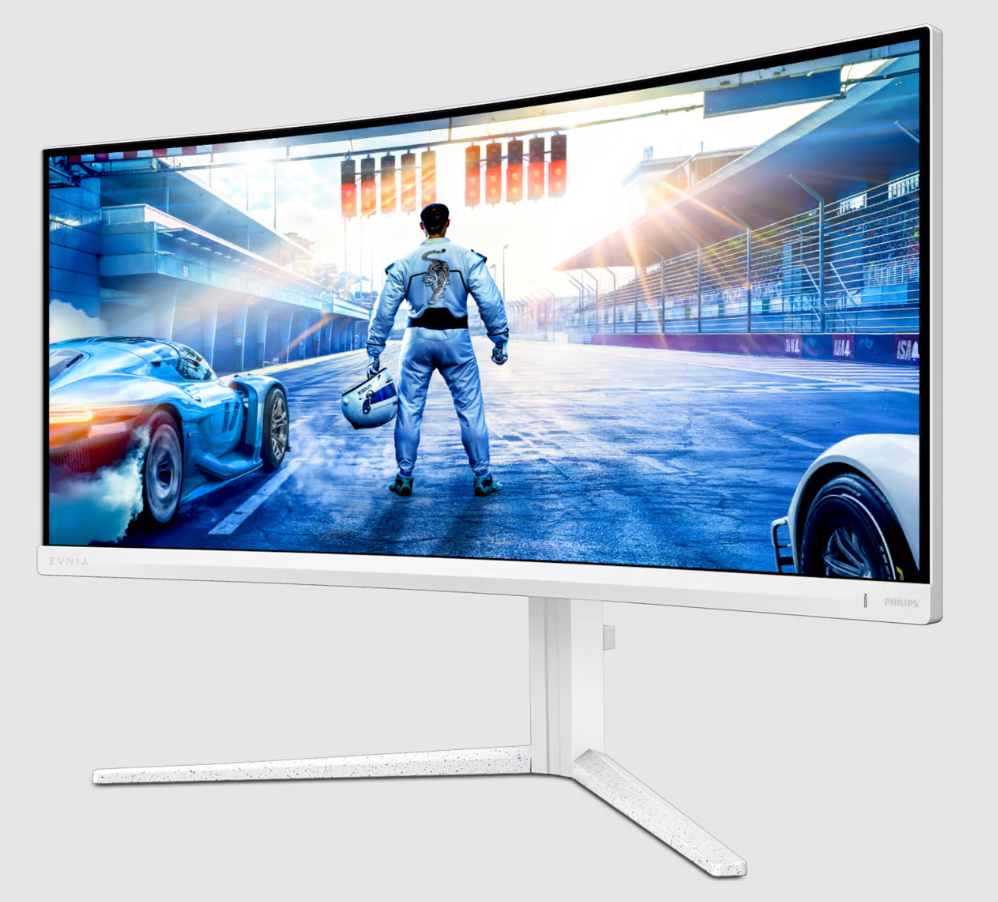
The Philips Evnia 34M2C5601QA is engineered to offer a flagship experience without the accompanying "early adopter" tax. At its core, the monitor features a 34-inch VA panel with a 1500R curvature, designed to provide a more natural field of view that wraps around the user’s peripheral vision.
Technical Specifications Breakdown:
- Resolution: 3440 x 1440 (UWQHD)
- Refresh Rate: 200Hz
- Panel Type: VA (Vertical Alignment)
- Response Time: 0.3ms (Smart MBR)
- Contrast Ratio: 4000:1
- Color Depth: 8-bit + FRC (1.07 billion colors)
- HDR Support: HDR10
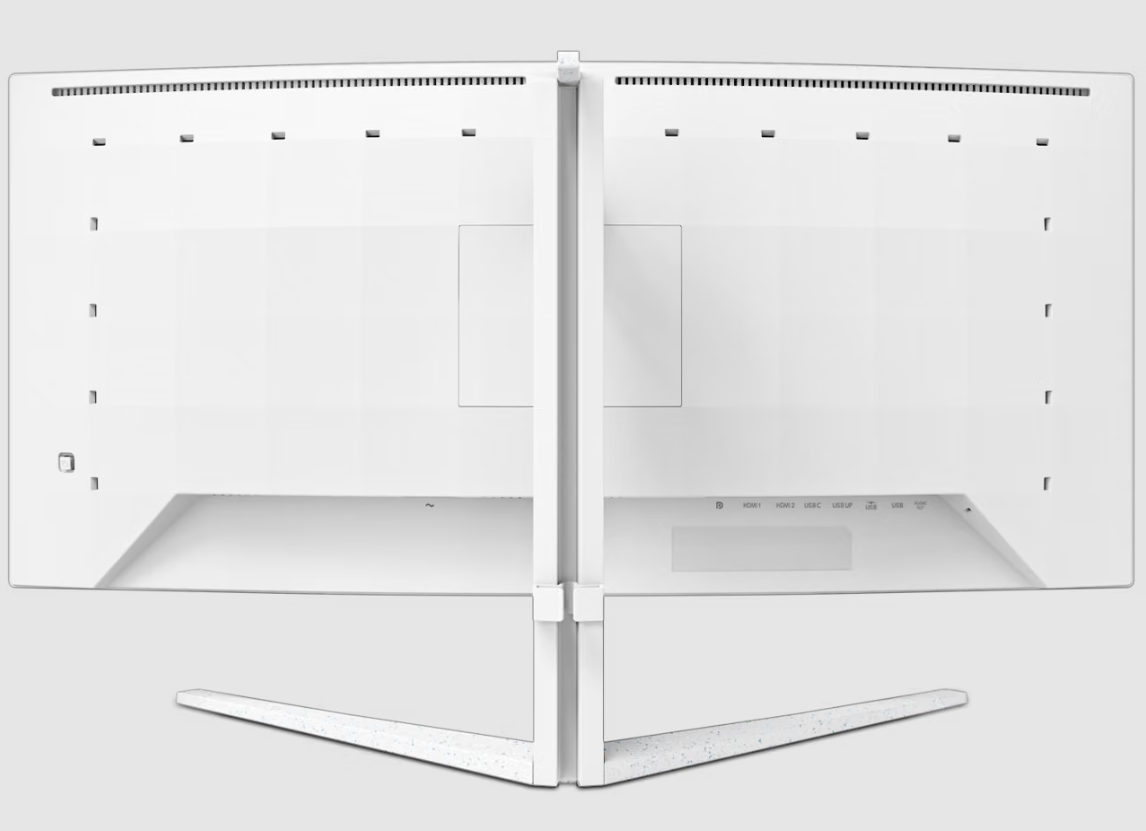
- Connectivity: 2x HDMI 2.1, 1x DisplayPort 1.4, USB-C (90W PD), USB Hub (Type-A)
Perhaps the most compelling aspect of this launch is the price point. Set to retail at approximately £299.99 upon its release in October 2026, the monitor disrupts the market by offering a high-refresh-rate ultrawide experience at a price point previously occupied only by standard 27-inch flat panels.
Chronology: The Evolution of the Ultrawide Market
The journey of the ultrawide monitor from a niche curiosity to a mainstream staple has been defined by three distinct phases:
- The Premium Era (2018–2021): Early ultrawide monitors were characterized by massive price tags, often exceeding $1,000. They were the domain of flight simulator enthusiasts and high-end video editors. Refresh rates were often capped at 60Hz or 100Hz, and ghosting was a significant issue due to early panel technology.
- The Performance Inflection (2022–2025): As panel technology matured, manufacturers began pushing for higher refresh rates (144Hz–165Hz). The introduction of VA and IPS panels with better response times made gaming on these displays viable for competitive titles. However, the price remained a barrier for entry-level gamers.
- The Accessibility Wave (2026–Present): The launch of the Evnia 34M2C5601QA marks the beginning of the "Value Ultrawide" era. By optimizing manufacturing processes and focusing on the most requested features—like USB-C Power Delivery and high refresh rates—Philips is signaling that the ultrawide form factor is now the new standard for the general gaming public.
Supporting Data: Why 34-Inch Ultrawide is the "Sweet Spot"
Industry analysts have observed a growing trend toward "screen real estate efficiency." As game developers continue to design titles with wider fields of view (FOV) in mind, the 21:9 ratio provides a distinct advantage in open-world games like Cyberpunk 2077 or Star Citizen.
The Contrast and Color Advantage
The choice of a VA panel for the 34M2C5601QA is deliberate. While IPS panels are known for color accuracy, VA panels inherently provide superior contrast ratios—in this case, 4000:1. This allows for deeper blacks and a more cinematic experience, which is particularly beneficial when playing dark-themed or moody titles. Furthermore, the inclusion of 8-bit + FRC color processing ensures that the monitor satisfies the requirements for HDR10 content, providing a vibrant visual range that enhances the depth of field in modern gaming environments.
The Ambiglow Factor
Beyond pure display performance, Philips has integrated its proprietary AI-enhanced Ambiglow technology. By analyzing the color output on the screen in real-time, the monitor projects matching light onto the desk surface. While critics often view such features as cosmetic, data suggests that ambient lighting helps reduce eye strain during long sessions by minimizing the contrast between a bright screen and a dark room.

Official Perspective and Design Philosophy
Philips’ strategy with the Evnia line is to treat the monitor as a "lifestyle product." In an official statement accompanying the announcement, Philips highlighted that the monitor is designed to serve as a bridge between the bedroom and the boardroom.
The inclusion of a 90W USB-C power delivery port is a massive convenience for professionals who dock their laptops at the end of the day. Instead of juggling multiple cables, a single USB-C connection handles data, video output, and charging. Furthermore, the built-in KVM (Keyboard, Video, Mouse) switch allows users to toggle their peripherals between their gaming PC and their work laptop with the push of a button. This effectively replaces the need for a separate docking station, adding significant value to the total package.
Implications: The Shift in Competitive Gaming
The rise of the affordable 34-inch monitor has significant implications for both casual and competitive gamers.
For the Competitive Gamer
Traditionally, professional eSports players favored 24-inch or 27-inch 1080p/1440p displays for their high pixel density and reduced mouse travel distance. However, as titles move toward more immersive experiences, the 200Hz refresh rate of the Evnia 34M2C5601QA ensures that competitive players do not have to sacrifice motion clarity for screen size. The 0.3ms Smart MBR (Motion Blur Reduction) is a critical addition, as it mitigates the traditional weakness of VA panels: smearing in high-speed, high-contrast scenes.
For the Content Creator and Professional
For those who edit video or manage complex spreadsheets, the horizontal real estate provided by the 3440 x 1440 resolution is a game-changer. Being able to place a video timeline, a browser, and a communication app side-by-side without needing a secondary monitor setup simplifies the desktop environment and reduces cable clutter.
The Industry Outlook
The arrival of the Evnia 34M2C5601QA at the £299.99 price point will likely force other major manufacturers—such as LG, Samsung, and ASUS—to re-evaluate their entry-level ultrawide offerings. We can expect a price war in the coming months, which ultimately benefits the consumer. When a high-refresh-rate 34-inch screen becomes as affordable as a high-end 27-inch screen, the transition to ultrawide will likely accelerate, potentially making 16:9 monitors the secondary choice for the average gamer within the next three to five years.
Conclusion: Is It Time to Upgrade?
The Philips Evnia 34M2C5601QA is a testament to how far display technology has come in a short period. It manages to balance the high-performance demands of gamers with the functional requirements of hybrid professionals. By ignoring the "gimmick" route and focusing on raw performance, high-speed connectivity, and an aggressive price, Philips has created a compelling argument for why your next monitor should be an ultrawide.
Whether you are looking to lose yourself in the sprawling landscapes of an open-world RPG, or you are simply trying to optimize your workspace for better productivity, the Evnia 34M2C5601QA offers a compelling, future-proof solution. As we approach the October 2026 release date, the question is no longer whether you can afford an ultrawide, but rather, what you are waiting for.
As the market continues to evolve, Philips has set a new benchmark. It is a reminder that in the world of PC gaming, innovation is not just about the most expensive technology—it is about making the best technology available to everyone.